Introduction
In an era where digital ads dominate screens, businesses often overlook one of the most powerful tools for building brand loyalty: local engagement. While online marketing boosts visibility, trust is built when businesses show up in person, participate in their community, and actively engage on social channels.
Local events and social engagement bridge the gap between brand and community, humanizing businesses and creating meaningful connections. Customers want to know the people behind the logo—and they want to support companies that support them back.
In this blog, we’ll cover:
- Why community trust matters for local businesses
- The role of local events in brand building
- How social engagement complements in-person connections
- Practical strategies for combining both approaches
- Real-world examples of businesses that grew through local trust
Why Community Trust Matters
Trust is the currency of modern marketing. A sleek website and clever ad campaign may bring someone through the door—but trust keeps them coming back.
Benefits of Building Trust:
- Increased Customer Loyalty: People support brands they feel connected to.
- Word-of-Mouth Referrals: Trusted businesses get recommended more often.
- Resilience in Tough Times: Communities rally behind local businesses they believe in.
- Long-Term Growth: Trust builds brand equity, which compounds over time.
In a competitive marketplace, trust isn’t just nice to have—it’s a competitive advantage.
Local Events as Trust-Building Catalysts
Events give businesses the chance to engage with people face-to-face. This human connection makes a lasting impression that digital ads often can’t replicate.
Types of Local Events Businesses Can Leverage:
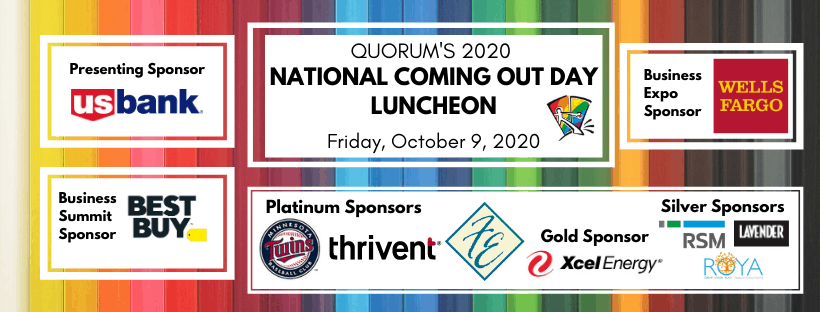
- Sponsorships – Support local sports teams, charity runs, or school events.
- Workshops & Seminars – Host educational events that showcase expertise.
- Pop-Up Shops – Create interactive experiences in high-traffic areas.
- Seasonal Celebrations – Participate in parades, festivals, or holiday markets.
- Community Service Days – Volunteer alongside local nonprofits.
Why It Works:
- Demonstrates commitment to the community
- Puts faces to the brand name
- Provides opportunities for direct feedback
- Builds authentic, lasting relationships
A business that invests in its community shows that it values more than just transactions—it values people.
The Role of Social Engagement
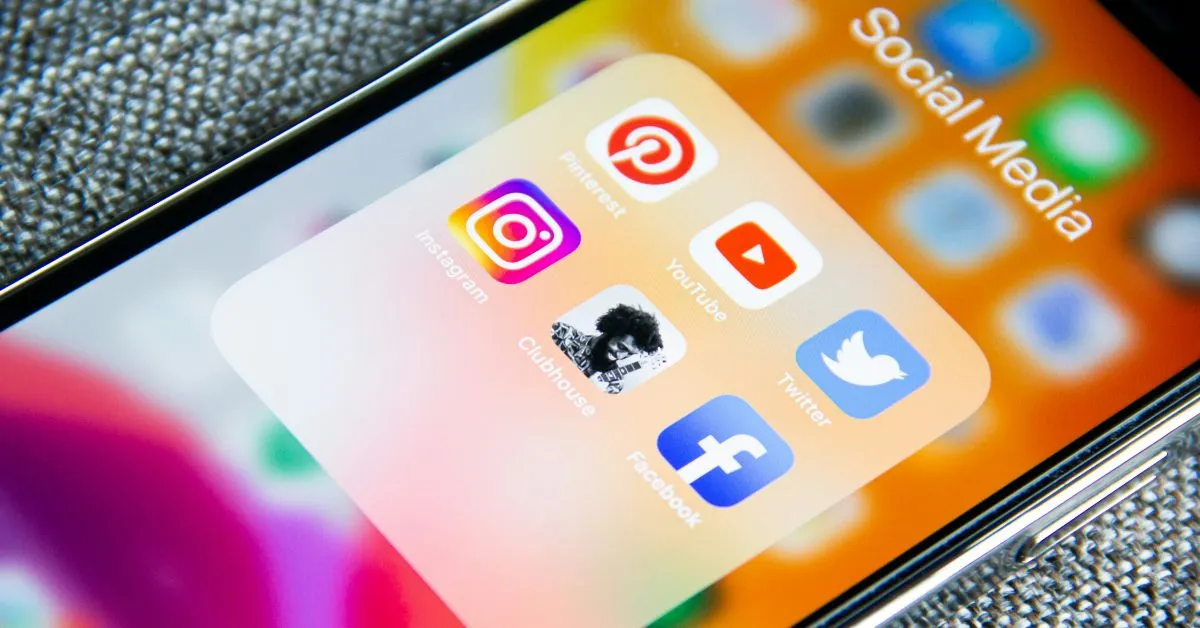
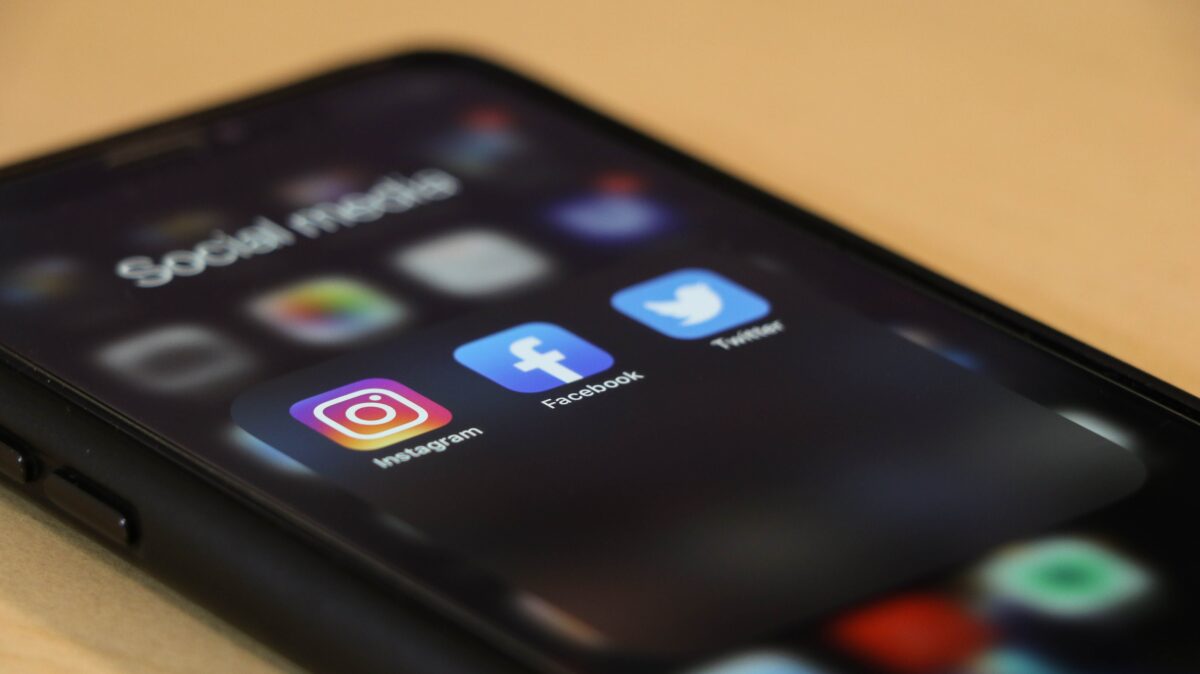
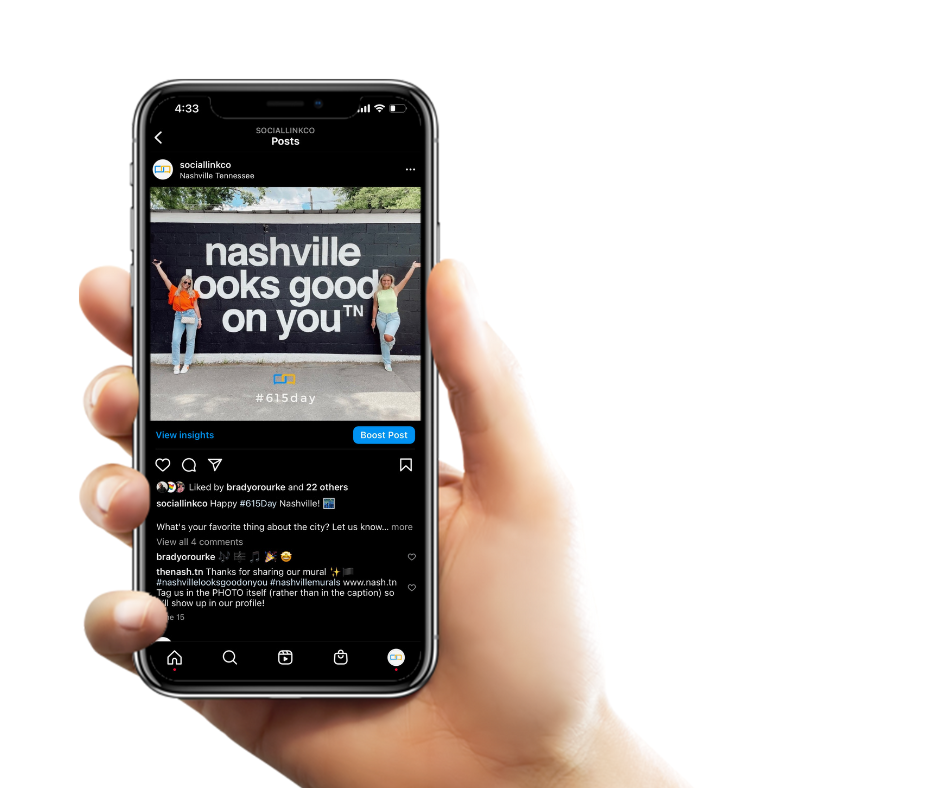
While events build trust offline, social media carries those connections forward. Platforms like Instagram, Facebook, TikTok, and LinkedIn allow businesses to stay visible in their community’s daily life.
Ways Social Engagement Boosts Trust:
- Transparency: Behind-the-scenes posts show authenticity.
- Responsiveness: Promptly answering comments and messages signals reliability.
- User-Generated Content: Sharing customer stories builds credibility.
- Event Amplification: Social platforms extend the impact of live events.
Example Strategies:
- Livestream a local event for those who can’t attend.
- Post photos of your team volunteering locally.
- Create polls and interactive content to involve the audience.
- Highlight partnerships with other local businesses.
Social engagement makes your business part of the conversation, not just a name on a storefront.
Combining Events & Social Engagement
The real magic happens when local events and social media engagement reinforce one another.
Step 1: Before the Event
- Promote it on social media with countdowns and sneak peeks.
- Partner with local influencers to spread the word.
- Use hashtags tied to the community for visibility.
Step 2: During the Event
- Share live updates, stories, and behind-the-scenes content.
- Encourage attendees to tag your business in their posts.
- Offer a branded photo booth or backdrop for shareable content.
Step 3: After the Event
- Post recap videos and photos.
- Thank participants and partners publicly.
- Share testimonials and feedback.
- Keep the conversation going with related content.
This cycle turns a one-time event into weeks of brand visibility and engagement.
Practical Trust-Building Strategies
If you’re looking to strengthen community trust, here’s a roadmap:
1. Align with Community Values
Support causes that resonate with your audience. Authenticity matters—don’t jump on trends that don’t fit your brand.
2. Spotlight Local Partnerships
Collaborating with other small businesses creates a network effect. Co-host events, share each other’s content, or create joint promotions.
3. Show Your Human Side
Highlight your team, your story, and your passion. People connect with people, not faceless businesses.
4. Prioritize Consistency
Show up regularly—don’t just sponsor one event and disappear. Long-term trust requires consistent presence.
5. Measure and Improve
Track attendance, engagement, and conversions tied to events and campaigns. Use the data to refine future efforts.
Case Example: A Café That Built Community Loyalty
Consider a small neighborhood café that wanted to stand out in a crowded market.
- Challenge: Competing with national chains with bigger marketing budgets.
- Strategy: They began hosting monthly “Open Mic Nights” for local musicians. They promoted events on social media, shared photos afterward, and encouraged attendees to tag them.
- Results: Attendance grew steadily, their Instagram following doubled, and—most importantly—customers associated the café with community culture. Sales rose significantly as locals became loyal supporters.
This case highlights how events plus social engagement = trust + growth.
Measuring Success
Building trust isn’t as straightforward as tracking clicks, but businesses can still measure impact.
Metrics to Track:
- Event Attendance: How many people show up?
- Social Engagement: Likes, shares, comments, tags, mentions.
- Customer Feedback: Are customers talking positively about your business?
- Referral Growth: Are you seeing more word-of-mouth leads?
- Sales Impact: Compare revenue before and after campaigns.
FAQs
Q: Do I need a big budget to build trust with local events?
A: No—small events like workshops, sponsorships, or volunteer days can be just as impactful as large ones.
Q: How often should I engage in community events?
A: Aim for quarterly involvement at a minimum. Consistency is key.
Q: What if I don’t have time to host events?
A: Start with partnerships. Sponsor an event or team up with a nonprofit—your brand still gains exposure and credibility.
Q: Which social platforms work best for local businesses?
A: Facebook and Instagram dominate local engagement, but TikTok is growing fast for younger audiences.
Conclusion
Local events and social engagement are more than marketing tactics—they’re trust-building strategies that transform businesses into community staples. By showing up for your audience both in-person and online, you create a brand that feels approachable, reliable, and authentic.
When businesses invest in trust, they unlock:
- Stronger customer loyalty
- Positive word-of-mouth
- Higher long-term ROI
- A reputation that sets them apart
In the end, trust isn’t built through ads alone—it’s built through connection, consistency, and community presence.