After a rough couple of years, the weary world is holding onto the promises of a new year and a fresh start in 2022. (Hopefully, it doesn’t turn into 2020 too, amiright?) As you know, more consumers are shopping online than ever before. And though the “giving season” will be over on January 1, now’s the time to get your campaigns ready for the year ahead so you don’t fall behind. Here are 5 digital marketing tips to jumpstart your business goals and marketing strategy in the new year:
Send a New Year’s email – Your emails are more likely to be noticed around New Year’s once inboxes quiet down after the Christmas chaos. This is especially true if you’re thoughtful about your messaging and make it worthwhile for customers to open the email. One way to do this is by sending exclusive offers to select groups of your subscribers, plus email-only deals that you’re not listing on social media or your website. Not running a promotion? How about asking for feedback instead. We all like to feel heard, and we all have something to say. But deeper than that, to successfully meet your marketing or sales goals, you NEED to know how your customers feel—especially if there’s a problem you’re not aware of. Consider sending a survey to “Help us serve you better in 2022.” This valuable feedback can help you reshape or rethink your marketing strategy altogether.
Customize your content marketing – Because we are so inundated with noise across all social media platforms, it’s important to create material that adds value to your customers’ lives. What do we mean by this? At this time of year, most people think about “starting over,” resetting our mental health, or bettering ourselves and our bodies. Focusing your New Year’s content on self-care or offering a remedy to simplify your customers’ lives is valuable information that relates to most people. If your content doesn’t relate to your audience, your strategy won’t work. Period. Once you have your content nailed down, take your idea and share it consistently across all your marketing channels to extend your reach as far as possible—website, social media, email, etc.
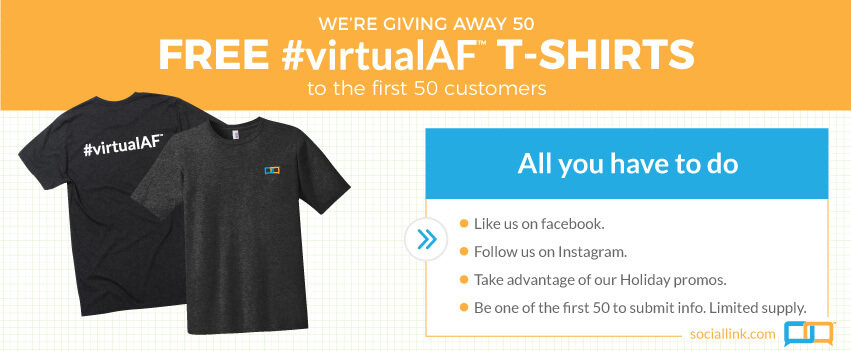
Amp up your Social Media presence and get more traction – You can’t deny the power of social media. Encourage interaction, heighten brand awareness, and create buzz by hosting a contest on social media. Not only do people respond, they share on their pages and share with their friends via comments to maximize their chances of winning. We all like winning, no matter what the prize. Don’t want to run a contest? How about running a lightning promotion. There’s science behind impulse buying, and this is a great way to get your product into more hands (and increase sales). And if it’s done right, you can relatively easily expand your customer file.
Run a New Year’s promotion – There’s no better way to close out the year—and give your sales a boost for next year—than by running a festive promotion. Every person with an email account receives HUNDREDS of promotional emails around Christmas. But the influx of holiday promotional emails all start to dwindle around New Year’s day. This is the perfect time to get your customers’ attention. It’s also an opportunity to do some subject line testing to see what makes your customers click into your emails. Subject line testing is also called A/B testing. Basically how this works is you have two different subject lines. You send one to half of your send file, and the other to the other have of your send file. Then, you see which one performs better. Once you know what makes your customers’ click, you can formulate your subject lines going forward to yield profitable results.
Launch new products – Out with the old, in with the new. Right around the new year is a great time to promote what’s new. If you’re early enough, you can even tease that something new is coming to peak interest and hold your customers’ attention. Whatever you are promoting should include benefit-driven copy, explaining what the new product is, how it is better than past products, and how it will benefit your customers. You might also consider offering new customers a deal on their first purchase. Or, play on emotion to garner appeal—center your product marketing messaging around New Year’s resolutions to further increase your chances of success.
Looking for more digital marketing tips and tricks? Sign up for Social Link’s newsletter today!
The holiday season is upon us—the most wonderful and BUSIEST time of the year, especially for those in e-commerce. By now, your holiday marketing campaigns should be well underway. Are your campaigns not leading to conversions as expected? Are you still dragging your feet on your holiday marketing strategy and don’t know where to start? Wherever you’re at in the process, don’t stress! Believe it or not, there’s still time to develop and run successful holiday marketing campaigns.
With more peopleinteracting online than ever before, the opportunities (and competition) to win customers is at its peak. Couple this with the massive global supply chain challenges we’ve been battling since the onset of the Covid-19 pandemic, business owners and marketers have had to reimagine how they can reach customers, supply the demand, and convert first-time shoppers into repeat customers. These rather unprecedented challenges led to anexpanded holiday season in terms of marketing efforts.
This year, you may have noticed that many Black Friday sales began long before the traditional day after Thanksgiving. And some Cyber Monday offers are still going on strong. It’s turned into a month-long season of “deals” to motivate customers to shop early … and keep them coming back “just in case” a popular item is suddenly available. Amazon started promoting its “Deals for Days” in early October. Nordstrom opened its in-store holiday shops on Oct. 18. Lowe’s began its “Season of Savings” kickoff on Oct. 28. Even Target cleared the Halloween shelves and turned their big box store into a winter wonderland a week before Halloween.
And with the uncertainty of the supply chain, don’t be surprised if holiday marketing campaigns extend beyond the holiday season. So while time is certainly of the essence, if you’re in a holiday-season marketing rut, all hope is not lost! Here are 5 easy steps you can take right now to create successful holiday campaigns.
Step 1: Analyze previous holiday campaigns and successful campaign strategies
Before you do ANYTHING, you need a baseline. Assessing past successes and failures helps you quickly determine what worked and what straight up didn’t. Have you ever run an A/B test to determine which subject lines encouraged your readers to click into an email? How did participation in past giveaways or contests compare? Looking back at offers, did your customers respond more to free gifts, discounts, or free shipping? How have your customers interacted with you most—social media, email, web forums? Gather the data and analytics and look for trends.
Step 2: Define your goals
What is it that you actually want to achieve? Are you trying to sell a product? Is there a sales goal you are trying to meet? Or maybe you are trying to increase brand awareness and gain supporters? Whatever you do, make sure your goals are measurable. This will help you determine successes and failures when you’re planning next year’s holiday marketing strategy (or future campaigns, in general).
Step 3: Determine your ideal target audience and identify omnichannel marketing strategies that fit that demographic
During this step, pinpoint who has a need for your product or service … and who is most likely to buy it. Take a look at your current customers. Which demographics bring in the most business? Which ones follow through various call to actions, interact, or convert to a sale? Any demographic trends should be noted. Demographics you should consider include:
Age
Location
Gender
Income level
Education level
Marital or family status
Occupation
Ethnic background
Keep in mind, you don’t want to segment the market too much. If you are going after a very specific, niche market, you may not reach your desired results. At the same time, don’t be afraid to go after multiple demographics within a campaign. Just be aware that different demographics may require you to deploy different marketing strategies.
Once you know WHO you are targeting, you need to determine HOW to reach them.
In 2020,67%of global online retail traffic was generated by mobile phones. In the fashion industry, the mobile share of traffic was even higher at 76%. According to Hootsuite, the latest data shows that social media has grown by more than half a billion users over the previous 12 months. This equates to roughly 13 new users every second.
Find out where your audience gets their information, so you can amp up your efforts. Are they active on social media? If so, which platforms? Do they click on yourPPC or paid social ads? Are they swayed byinfluencer recommendations? Do they prefer videos, polls, or sharable content? Whatever has worked in the past, start there. In the race against time, the middle of the busy holiday season is NOT the time to take risks or test your audience.
Step 4: Plan your messaging timeline
Open up your calendar and map out a plan. Running an email marketing campaign? Look at your analytics. Which day/time yields your best email open rate? Do you want to send a reminder email? If so, when? Which other marketing channels will you use and when? Include PPC, paid social, social posts, polls—every piece of your messaging plan should be mapped out and delivered accordingly.
Step 5: Create compelling content
Creating content that builds trust, gets people talking, and sells is not always easy. Fortunately, some big-name companies have paved the way, and looking at trends in their messaging helps. Here’s what we we’ve learned:
A great holiday marketing strategy pulls at the heart strings. Emotions work … especially during the holidays, and especially in the midst of an ongoing pandemic when all of the feelings are at an all-time high.
Keep it simple. You have SECONDS to capture your audience’s attention. Don’t waste that time. Be clear, be concise, and provide a call to action—tell them what you want them to do.
Be ready to react and adapt. This is especially true in regards to social media marketing. Consumers expect instant, real-time, direct interaction. And on social platforms where like-minded individuals unite, voices are amplified. If something in your plan goes off the rails, fix it immediately. And make sure your customer service department is up to the task, as well.
Your existing customers are just as important as new customers. They’re your link to fostering brand loyalty. Most likely, the customers you interact with during your holiday marketing campaigns will be a mix of new and returning customers. It’s important to remember that the path to converting a sale for a repeat customer is often different than that of a new customer. So make a plan for both.
Holiday Marketing Mistakes to Avoid
While there are many ways you can go about creating your holiday marketing campaigns, there are certain tactics you should avoid altogether:
Don’t copy your competitors’ strategies. This is a big NOPE. You have no idea who exactly they are going after and why. And besides, they might be winging it. For maximum reach and the best opportunities for conversion/interaction, use the information that is currently at your disposal to determine the who, how, and when of your marketing campaigns.
Don’t focus on only one marketing tactic. Even amongst a very targeted demographic, people shop and interact differently. With all of the marketing mediums and vehicles available to you, limiting yourself to only one tactic shuts out an entire world of opportunity. Omnichannel marketing campaigns extend your reach.
Don’t refuse to get help if you need it. Social Link’s team of digital marketing experts have decades of experience in all aspects of digital marketing—from strategic planning and management to design and content creation. We know marketing best practices and digital marketing solutions like the back of our hands. And perhaps the best news is that help is only a click away.Fill out this form today to learn more about how Social Link can help you achieve your goals or for a free estimate.
A well-designed brand logo is perhaps the most important, most under-rated advertising tool in your marketing strategy. Let me explain. Think about your favorite clothing brand, snack food, or automobile manufacturer. When you see that logo, you feel connected. In many ways, it represents you, defines you, and is something you can stand behind. But it took time, influence, and perhaps a positive customer service experience to establish that connection.
While a good logo design not only looks appealing, professional, or fun, it often signifies something deeper.
A picture is worth a thousand words
People today are inundated with noise from every direction. Because of this, all of our marketing efforts need to be strategized with the realization that we have mere seconds to grab and hold a customer’s attention. How we fill those seconds is more important now than ever.
In 2000, Microsoft conducted astudy measuring how long people can maintain focus on a single task over a specified period of time. The results showed the average person’s attention span was 12 seconds. Then, in 2015, Microsoft researchers found that the average attention span decreased from 12 seconds to 8 seconds—1 second shorter than a goldfish’s attention span.
And while there isn’t research readily available to determine the current consumer attention span, it’s clear that it’s on the decline and strongly correlates to the adoption of smart phones and the introduction of the social media network. As marketers, we are constantly trying to scream louder than our competitors to grab the attention of our often-distracted, multi-tasking viewers who are overloaded with content on various platforms.
So what does all this have to do with a logo? A logo in its simplest terms is a graphic element that instantly symbolizes the name and purpose of a brand. And while you may not think that your company needs one, here are four reasons why you should have one.
4 Benefits of a Logo
A well-designed logo establishes your brand’s identity.
What is brand identity? Brand identity is what people see; it’s the visual piece of the brand marketing puzzle. A brand identity is the personality, look, and feel your brand presents to the world through visual elements and a consistent message that is communicated over and over again. How you establish your brand identity influences how your brand is perceived by potential customers. And a logo is the first thing a potential customer sees.
Logos help provide instant brand recognition.
A good logo design promotes brand awareness and allows the company to stand out from the competition. It presents the values and mission of the business … all through a simple, memorable visual image. When a customer (or potential customer) sees a company’s logo, it should conjure up the appropriate feelings about the brand, products, or services.
And just as it is for you and your favorite brands, your audience will instantly recognize and associate your logo with your product or service, which helps build customer loyalty and determines how your customers will perceive your brand going forward.
A logo builds trust.
Before a person tries your product or service, they assess your appearance. We all do it, especially now when we are bombarded with content by competing brands and knock-offs. Today’s consumers are in a vulnerable position, exchanging personal and financial information online often with unfamiliar companies. However, a strong logo can help you gain the trust of potential customers who don’t know anything about your business and inspire them to interact. In essence, a logo lets you quickly establish credibility so you can focus on content quality over quantity.
A logo fosters brand loyalty.
Logos tell a story. Growing up, my family always stopped at McDonald’s when we headed out of town to see family. We piled into the conversion van, got settled in, and made our way to the nearest McDonald’s. We spent the next 30 minutes fighting over the light- and dark-meat chicken nuggets. (Remember when different shapes signified the different type of chicken meat? No? Just me? Okay, I digress.) The fries were hot, salty, and delicious. And my parents would spend 20 minutes at the first rest stop wiping sticky dipping sauce goo off our faces and the door handles and brushing the salt off the seats. Cleaning up the mess left behind by their children was nothing short of an Olympic sport. But I think about those road trips EVERY TIME I see those golden arches. And it’s a tradition we’ve carried on with our children. (Don’t judge.)
That’s the power of a logo. Any experience we have with a brand is brought to the forefront when we see that logo. And positive experiences tend to lead to brand loyalty—a gradual process of choosing one brand over another.
Ultimately, people are driven by their experience with your business or feel a connection to the ideas your brand is promoting. Because of this, creating a logo is an important part of your marketing strategy—no matter how big or how small the size of your company.
New York, United States - November 28, 2013: The 87th annual Macy's Thanksgiving Day parade attracted hundreds of thousands of spectators. Turkey with Pilgrim riders
Every year on Thanksgiving morning, 50 million people across the US crowd around their televisions while another 3 million people flock to the streets of Manhattan for three hours to watch the annual Macy’s Thanksgiving Day Parade. It’s an American tradition that has kicked off the holiday season since 1924.
The Macy’s Thanksgiving Day Parade was originally created to promote the opening of the “World’s Largest Store.” In fact, the first parade wasn’t a Thanksgiving parade at all—it was called the Macy’s Christmas Parade, and it was a not-so-subtle reminder that the gift-giving holiday had arrived.
Today, the Macy’s Thanksgiving Day Parade is known for its larger-than-life, high-flying balloons, masterfully decorated floats, star performances, popular broadway numbers, and marching bands from across the nation. And finally, after three hours of wide-eyed wonderment and forgetting to blink, Santa Claus comes to town.
The spectacle pulls in millions of dedicated viewers holding tightly to that piece of nostalgia. And with this kind of consistent, devoted viewership, it’s a brand marketer’s dream.
The Macy’s Thanksgiving Day Parade team expertly crafts a marketing strategy to promote a product or brand by influencing a targeted market, encourage brand recognition, and invites viewers to interact on social media.
Reaching the Right Market—Product and Brand Promotion
The Macy’s Thanksgiving Day Parade’s marketing tactics are somewhat subliminal in nature … and they’re genius. Here’s how it works: first, brands sponsor balloons, floats, or performances. While there may not be a direct correlation between the sponsor and the design of the floats or balloons, the popular Today show hosts then mention the sponsor’s name on air and discuss the design in detail for 2+ minutes when the parade participant reaches the main stage of the parade route. This year, 40 brands will be represented over the three-hour event.
While the Macy’s parade wasn’t originally created to be a big brand marketing show, it’s obvious that the intended audience is and always has been children … and for good reason. The children are drawn to familiar character balloons, celebrities, and intricately designed floats, and then influence their parents on what to buy as the Christmas shopping begins.
Brand Recognition When It Matters Most
For the parents, the influence is a little deeper. Enter: the power of suggestion. When a brand is touted at a wholesome, charity-driven, family-oriented event by renown commentators, you conclude that it’s a brand you can feel good about supporting. But more than that, when a brand name is mentioned while discussing a particular piece that catches your eye (or during a favorite performance), it’s a name you’ll remember at 3a when you’re out elbow-to-elbow with the crowds on Black Friday. It’s brand recognition at its finest.
Super-Sized Audience, Honed In
While the audience is more than 50 million strong, Macy’s expertly makes the grand event feel personal and meaningful through a variety of digital marketing mediums, which maximizes the marketing impact and reach.
On their website, Macy’s calls the parade a “Watch Party,” which ignites a feeling of inclusivity to an exclusive event, and YOU are invited.
If you’re a history buff, you can go back in time and learn how the parade changed over each decade. If you want more, there’s even a podcast.
But how they really get people talking is through social media. As social media platforms take the world by storm, Macy’s has capitalized on the opportunity. Not only is their website bursting with excitement announcing all the parade details—from ballon specs, sponsor info, host bios, and more—they invite you to join in on the conversation with a hashtag (#macysparade) to be used across top Meta platforms—Facebook, Instagram, Twitter, and more. Since everyone has a voice on social media, they know that their marketing tactics have to be on point and delivered flawlessly.
So what marketing tips can we take away from the Macy’s Thanksgiving Day Parade? Marketing strategy is imperative. Establish your brand identity from the get-go. Know your audience. And last but not least, expand your digital reach for maximum potential.
We’ve all felt the effects of the COVID-19 global pandemic—at times shut down and shut in, connecting to a community and interacting with others the only way we could: through social media. According to Hootsuite, the latest data shows that social media has grown by more than half a billion users over the previous 12 months. This equates to roughly 13 new users every second. As the audience grew, so did the power of social media marketing.
With more people shopping and interacting online than ever before, companies are learning to utilize these social media platforms as digital marketing tools to reach potential customers and connect with existing customers in real time at any time.
What is social media marketing anyway?
Before we go into more detail about why you should jump on board the social media marketing train, let’s take a step back. What is social media marketing? Simply put, social media marketing (also called, “SMM”) is a form of marketing where you create and share targeted content through various social media platforms, such as Facebook, Instagram and Twitter, to name a few.
Why has social media marketing become such a big deal?
Compared to more traditional marketing strategies, SMM gives you the unique opportunity to reach the maximum number of potential customers in a single post—and it’s more cost effective to boot. But it’s even more than that. Here are three major benefits to adding social media marketing to your digital marketing strategy:
1. Builds Brand Awareness. SMM gives you the ability to establish your brand’s personality, to tell your brand’s story, and put a face behind the name. Plus, sharing relatable content that connects your brand with the target audience makes it easier for potential customers to find you, interact with you, promote your brand by sharing your content with their friends (and so on and so on), and provides you with the opportunity to blow your audience away with stellar customer service.
2. Increases “Ideal” Inbound Traffic. SMM is like targeted marketing on steroids. On social platforms, you can hyper-target potential buyers based on exact specific demographics. This means, you can lead the ideal customers to your site, which offers a greater chance of converting a click to a sale.
3. Let the Pros Spread the Word. Partnering with influencers is all the rage these days, and for good reason. When trusted influencers endorse your brand, others follow. (Not to mention, this helps you build inbound links, which directly affect natural search engine ranking. But that’s another topic for another day.) Fun fact: influencers often aren’t celebrities, but everyday individuals with thousands of followers who regard them as experts in their field. When they mention your product/brand and provide a link, more traffic is effortlessly driven to your site.
When it comes to incorporating SMM into your advertising strategy, the benefits far outweigh the risks. So what do you say? Ready to get started on your social media marketing strategy but not sure where to start? You’re not alone. Let Social Link help. Click here for a comprehensive guide for social media marketing beginners.
Is your business’s website ADA compliant? Creating an ADA compliant website for your organization is a necessity! This is both for a better user experience and to mitigate the risk of legal repercussions.
In this article, Social Link delves into the ins and outs of ADA compliance. Use it as an educational resource to learn more and mitigate risks. We even included three checklists to help ensure your website is ADA compliant!
To avoid any confusion, please note that ADA compliance is not the same as a 508 compliance.
There are several key components to making ADA compliant websites. We included checklists for the three levels of compliance. Level A, AA, and AAA offer three variations of complexity.
People with disabilities as well as their friends, families, and caregivers
Private employers with 15 or more employees
Businesses operating for the benefit of the public
All state and local government agencies
Who needs to be ADA compliant?
Any commercial or public entities that have “places of public accommodation” should have an ADA compliant website. Places of public accommodation encompasses the internet. The DOJ is currently determining the specifics of these regulations. In the meantime, they will not tolerate website discrimination.
E-commerce businesses are the highest on the list of companies that need ADA compliant websites. If they are not compliant, they could get brought to court. For example, Target and Amazon were sued several years ago over this issue and they both lost.
Healthcare organizations, hotels, travel agencies, and educational institutions are also in dire need of ADA compliant websites. However, every business with at least 15 employees should have an ADA compliant website.
How does Social Link make my site compliant?
Social Link is here to help make your site ADA compliant. It’s absolutely worth every penny. Being compliant not only improves the user experience of your site, but it also saves you from a potential lawsuit. After all, a lawsuit is the last thing your business needs to endure.
To make a site ADA compliant, marketing agencies like Social Link devote many extra hours of work on a project. The specific timeline depends on the size of the company and what level of compliance you want to reach.
If the ADA compliance level is built in as the site is initially created, it isn’t as complicated as doing it retroactively. That being said, the work can certainly be done after the fact. It just has to be completed within the confines of the established site’s code.
ADA Compliance Checklists
Interested in specifically finding out what makes a site ADA compliant? The following three checklists outline the different levels of compliance. Happy learning!
Level A Compliance Checklist
Level A is the most basic level and provides the minimal amount of accessibility for a website.
All the non-text content should have alternative text.
The video content should include captions along with the audio.
All the video and audio content need to have a text transcript or description available.
Present Navigations and Header tags in logical order.
Don’t use a presentation that relies on color.
Do not play audio and video automatically.
Offer full website control through keywords.
Provide user controls for moving content.
Include a “Skip to Content” link.
Provide User controls on time limits.
Do not use Automatically scrolling or blinking content.
Page titles clearly and accurately describe page content.
All the links’ purposes are clear from their context.
Web pages should have a language assigned.
Elements should not change on focus.
Clearly identify input errors and provide text-based notification to users.
Provide proper guidance and instruction where user input is required.
Website should be compatible in all browsers and available through user’s assistive technologies.
Make sure there are no major code or validation errors.
No strobe effects or rapidly flashing colors occur on the site.
Forms have proper labels and legends that can be read by screen reader software.
Level AA Compliance Checklist
Level AA provides a sufficient amount of accessibility and complies with Level A Conformance checklist.
All the live video and audio include captions.
Provide audio descriptions for all pre-recorded video content.
Text content and images of text must have a contrast ratio of 4.5:1.
Text can be resized to 200% without loss of content or function.
Minimize the use of images where text can achieve the purpose.
Web pages can be accessed in multiple ways.
Keyboard focus should be clear and visible.
Notify users when the language on a page changes.
Redundant links are minimized.
Suggest fixes when users make errors.
Menu, Icon and Button usages are consistent.
Level AAA Compliance Checklist
Level AAA provides the maximum amount of accessibility and allows users to navigate a website without any limitations. This level complies with both Level A and Level AA conformance checklists.
Use sign language translations for videos.
Add extended audio descriptions for videos.
Provide an alternative text for videos.
Offer live video alternatives.
Contrast ratio between text and background is at least 7:1.
Audio is clear without any excessive background noise.
Minimize the use of images where text can achieve the purpose.
Complete control over keyboard accessibility.
There is no time limit for web content.
There are no interruptions while navigating to the website.
Save user data when re-authenticating.
All the links should have a clear purpose given in text.
Separate content with headings.
Explain the strange words and abbreviations.
A nine-year child should be able to read the website content.
Don’t change elements without a user’s request.
Minimize the risk of interruptions or errors.
Provide complete support and instruction.
Looking for help?
Does your business need help tackling ADA compliance issues? Social Link is rearing to go and ready to help! As your go-to virtual marketing agency, we not only design and develop websites, but we also ensure they are ADA compliant. We’ll help you grow your business and mitigate potential risks. Ready to talk? Hit us up any time to learn more or get your questions answered.
Not to be confused with marijuana, Cannabidiol or CBD is an active ingredient derived from the hemp plant. Its legislation is in the form of the 2018 Farm Bill, which allows hemp plant cultivation.
The farm bill also allows CBD companies to possess, sell, and transport hemp-derived products. For example, CBD companies that sell full-spectrum CBD oil can legally advertise full-spectrum CBD oil for sale online or in stores. However, despite the freer legislation on hemp or CBD, more businesses are still prone to getting warnings and fines from the Federal Trade Commission or the FTC, mostly due to breaking the US Food and Drug Authority CBD or cannabis regulations.
Do You Need To Comply With These Regulations?
Definitely! Did you know that an FDA monetary sanction over a broken regulation could cost you over $80,000? Or did you know that you can also get fined for selling friendly cookies or natural supplements with CBD derivatives?
Besides, many online publications report company names for the world to see, and the last thing you want is bad press for your business. If you’re planning to join the CBD industry to sell an amazing CBD or hemp product, being cautious is the way to go.
Here are five simple ways to be certain that your brand and your investment don’t go to waste.
1. CBD compliance: Any health or “medically proven” claims must include supporting, legitimate, scientific evidence or research
Understanding that hemp businesses are eager to spread the word about their quality CBD products, it’s a firm compliance regulation to not sell your product as a “cure” for specific diseases or illnesses.
Despite the many solutions CBD provides to customers, hemp is not a one-size-fits-all substance, and you cannot guarantee results. It’s best not to get carried away and leave all the big claims to the experts, not your clients or trusted partners.
Even if you believe it to be true (even if you vouch for personal experience), the law states that exaggerating CBD cannabidiol or cannabis products’ benefits is against FTC regulations. Sections 5a and 12 of the FTC Act states that “unfair or deceptive acts or practices are declared unlawful.” It is why including health claims that have not been supported by reliable scientific evidence is considered deceptive.
Even if experienced manufacturers say that cannabis or CBD oil use is a cure-all, or is the cure for aging, don’t be one of the many CBD companies that have received grave warnings due to poor compliance. To play it safe, do not state any poor-supported details on your labels or packaging.
2. Packaging must include a disclaimer and all relevant information.
When it comes to CBD compliance, regardless of the high quality of your hemp products or ingredients, rules are rules, and you need to follow the CBD basics. Compliance officers thoroughly screen CBD businesses through the most obvious approach: by the information found on their labeling. Hemp or CBD companies are prone to make the same mistakes when it comes to product packaging.
Other than an ‘all rights reserved’ sign on your CBD product label or having a cannabis disclaimer, be sure to provide your customers and compliance officers all the information they need.
List all the ingredients such as the THC level and other product information necessary. Also, disclose the site location or place where the cannabis plant was grown and any relevant processes applied to the hemp product.
You can include a link or QR code to your website FAQ page or a phone number anyone can call for their CBD questions. More information is always better; when your clients and consumers get the right info about your CBD products and CBD use, the safer you are from violating state regulation. More CBD curious questions are better than having the FDA ask about your compliance.
Another important detail to include in the label of your products is an FDA disclaimer. This disclaimer should clearly state whether the Food and Drug Administration has evaluated the product.
3. Avoid the use of exaggerated or fake testimonials.
Knowing that reviews and testimonials can make or break a business, you can stay clear of breaching any or more FTC regulations by keeping customers’ reviews off your CBD product packaging (or even your hemp website).
Be wary in citing a CBD website that is unreliable or dubious; don’t link to them just because they say they’re marijuana or cannabis experts. As mentioned above, understanding that cannabidiol CBD or hemp derivatives use may benefit some consumers, not everyone will have the same results or experience.
Since you cannot control or facilitate the application or use of your hemp-derived CBD substance or CBD products, it’s best to be wary of potential lawsuits for any side effects from the hemp or CBD product or substance. If you want a hassle-free experience in the hemp or CBD products industry, keep your information objective to stay on good terms with the FDA.
4. Religiously follow Food and Drug Administration (FDA) guidelines.
Even though the 2018 Farm Bill has put no restrictions on the use, it still understands that these FDA regulations prohibit CBD products from being labeled as dietary supplements or a food additive (even if it’s just for cookies).
Considering that CBD products’ legalization is still fairly young, there are no sufficient studies or research that the FDA accepts for these products. For example, it would be unwise to advertise full-spectrum CBD oil or any hemp derivatives as an ingredient to other food products on your website. Although CBD products are different from marijuana or cannabis use, the FDA still regulates any hemp-derived substance and products regardless of place, site, or state.
5. Explore different ways to advertise and market your products according to the FTC guidelines
It’s important to keep in mind the FTC guidelines when exploring different marketing ways and advertise your CBD products. These guidelines are set in place to ensure that companies employ well-planned marketing strategies that adhere to advertising laws and regulations. These guidelines also include examples of different situations to be mindful of as a reference.
Digital marketing is a way to help your business reach a wider audience and make your online presence known. However, marketing CBD products can be challenging because of the regulations and restrictions you must consider.
Some CBD businesses opt to do affiliate marketing, wherein famous people like influencers or celebrities mention your brand or website. CBD companies more often do affiliate marketing than direct marketing since social media platforms have specific restrictions on advertising CBD products.
Another way to put your business out there is to focus on improving your website and creating new content. This way, you get to establish your brand’s presence online while providing informational content that provides value to your readers-who are potential customers.
If you’re in the CBD or hemp industry, regularly checking the FDA website or page should be part of your routine. It pays to stay vigilant and alert for updates on THC or CBD law, the CBD industry itself, or new cannabis regulations.
Always get updates on the 2018 Farm Bill for utmost compliance, especially when more and more CBD products are introduced to the market. In fact, due to the myriad of restrictions and such, legal experts might advise you to get insurance for your business and products for extra caution.
When you are equipped with CBD industry information and education on state laws, you’ll be sure to avoid that warning letter or potential CBD monetary sanctions from the FTC. To guarantee that your CBD business utilizes different ways to market its products, make sure to partner with a digital marketing agency that understands your business and is flexible to its needs.
Let Social Link be the solution for you! Social Link offers a wide variety of marketing services ranging from web development, marketing strategies, branding and graphics, social media, and so much more!
Social Link is the social media marketing agency that you’ve been looking for.
A social media marketing agency has the ability to take your brand to the next level.
Social Link is a social media marketing agency with the expertise your business needs.
We specialize in everything from social media management and website design to content generation and PPC management.
Implementing a social media marketing strategy is a must for all brands. Marketing strategies and social media plans are game-changers in the constantly evolving digital world.
The online landscape is competitive. Much like New York City, it never sleeps. It’s always growing. That’s why social media marketing is complex and ever-changing.
Trying to find success in the social world? Social Link recommends creating a targeted social media marketing strategy.
Source: client targeting strategy
What is a social media marketing strategy?
First, a social media marketing strategy takes ideas and converts them into actionable offerings and specific brand messages.
Then, these messages are spread to defined audience members. Your audience could be current customers, new prospects, or both.
Social marketing strategies ensure your digital presence reflects your brand’s values, mission, and ideals.
These plans allow brands to create and share engaging online experiences. If done successfully, your social marketing strategy converts visitors into loyal advocates and customers.
Successful social media marketing can make or break your business.
Previous marketing methods like billboards, newspaper ads, and radio commercials are not as successful as they once were. Customers are shifting toward a more digital lifestyle.
“Added together, the world’s social media users will spend a total of 3.7 trillion hours on social media in 2021 – equivalent to more than 420 million years of combined human existence,” HootSuite’s marketing blog explains.
HootSuite continues to detail the sheer amount of social media users: “There are now 4.20 billion social media users around the world. This figure has grown by 490 million over the past 12 months, delivering year-on-year growth of more than 13%. The number of social media users is now equivalent to more than 53% of the world’s total population.”
source: actual social media marketing agency creatives
Social media marketing is influential.
These whopping numbers showcase the far reach social media has in the world. Clearly, it is very influential.
Social media is not just a place to catch up with friends and family. Social platforms are now spaces for consumers to research brands and educate themselves on goods and services.
It’s easier than ever to quickly assess (and judge) a company’s digital presence.
Does your business have a nonexistent or negative online presence? If so, it is detrimental to your bottom line. Sounds dramatic? It’s not. It’s the truth.
79% of consumers expect brands to respond within 24 hours of reaching out on social media. Your brand must provide customers with the best possible online experience. This is easily accomplished with the assistance of a marketing agency.
source: Tiktok marketing agency ad strategy
Social media marketing agencies are experts at their craft.
A social media marketing agency helps identify your target audience, build customer journeys, lead buyers to your site, and much more.
Agencies like Social Link understand the challenges, rules, and principles of marketing.
There is much to consider. It takes a lot of effort and expertise to create and implement a successful social marketing strategy. That’s why we recommend partnering with a social media marketing agency.
source: actual client social media marketing agency branding
By working with a social media marketing agency, your business will:
Generate more leads
Social media marketing agencies know how to catch the eyes of consumers. That’s just the start. Next up: content, graphics, video, and more. These tools create engaging online experiences that grab the audience’s attention and generate leads.
Generate more online revenue
Social media marketing agencies know the power of online sales. We harness that power to generate more online revenue for your business. Our expertise comes in handy when you’re looking to grow revenue.
Generate more online impressions via targeting
A social media marketing agency is an expert at creating targeted ads. Targeted ads reach the right people. Targeting is crucial for generating more online impressions (and ultimately generating more business). When it comes to targeted ads, we know exactly what to do, and how to do it well.
If your business is interested in….
Boosting leads
Fostering engagement
Inspiring customer loyalty
Connecting with digital influencers and online leaders
Reaching new audiences
…Then working with a social media marketing agency like Social Link is for you!
Social Link specializes in 360-degree solutions. First, we start with targeting. Next, we tackle content generation and distribution. Finally, analysis, reporting, and optimization finish out the strategy.
5 Ways Social Media Marketing Agencies Help Your Business:
source: social media marketing agency dashboard
Marketing agencies set specific goals for your brand
Every brand has different social media needs. A social media marketing agency tailors specific goals to the needs of your operation.
We know how to create realistic business goals that are industry-specific and easy to track.
Social Link helps organizations tackle reasonable goals. We increase brand awareness, generate leads, boost sales, and keep your clients satisfied.
Marketing agencies define your target audience.
Many brands struggle with properly defining a target audience. They either choose an audience that is too broad or too narrow.
A social media marketing agency helps you define the right target audience. In addition, we work with you on ways to better connect with current customers.
Marketing agencies create rich, engaging content.
To be successful, your brand needs to produce rich, eye-catching content. This includes copy, imagery, and videos.
A social media marketing agency knows how to craft engaging content for a variety of platforms.
79% of people say that user-generated content on social media significantly impacts their purchasing decisions, according to a recent HubSpot article.
Social media marketing agencies like Social Link ensure your brand’s message is being shared via digital platforms. These include Facebook, YouTube, Twitter, Instagram, TikTok, or SnapChat.
Social Link collaborates with you to create content for a variety of social media platforms. We work tirelessly to curate posts that reach a wide audience and make their mark. Our content performs well and delivers.
source: LGBT Chamber social media advertising
Marketing agencies know where to post content.
Regardless of the app you use for social media marketing, Social Link recommends posting relevant content. This means your audience should find your posts useful or beneficial.
It’s best for a post to be on brand and applicable to your followers. Data-focused stories perform well. Also, authentic creative content gets the best results.
Some businesses make the mistake of copying other brands’ marketing content. However, this strategy backfires. What works for one brand doesn’t always work for another.
Above all, organizations need to be true to their own personal brand. Consider your company’s mission, values, and beliefs.
Customers can tell when a business is phoning it in or posting just for the sake of it. Authentic passion and enthusiasm translate well into marketing efforts.
Think of social media as an opportunity for genuine storytelling. Tell the truth and people will relate to that more than an overly polished post. An honest approach cultivates brand loyalty.
Agencies understand social media marketing data.
source: client social media marketing advertising
Social media marketing is data driven.
Marketing agencies effectively monitor your campaign’s success. Tracking tools and data analytics programs make this process efficient.
The advancement of technology allows organizations to capture more quantifiable data than before.
However, raw data does not automatically translate into important insights. The numbers need to be properly analyzed before you can make business decisions.
This is another reason you should use a social media marketing agency. We know how to analyze and interpret data. Also, we are experts at determining when to pivot or make changes.
By understanding and effectively using data analytics, agencies work to grow your business. This occurs by optimizing conversion rates and increasing sales.
Data reports and metrics allow for subsequent reflection. A social media marketing agency helps organizations analyze strategies. Also, we highlight potential opportunities for business improvement.
Interested in working with a social media marketing agency?
If you’re ready to take your brand to new heights, then consider a social marketing agency! It will be the best decision you make.
Collaborating with Social Link means your business can build a successful marketing strategy.
When you partner with Social Link, you have freedom to focus on your business. We take care of the nitty gritty marketing work so you don’t have to.
Social Link is ready for any challenge. Our vast experience in branding, digital marketing, and product development make us the clear choice.
Social Link’s mission? To help build your online presence and gain enough visibility for customers to find you. More importantly, we help you stand out.
As a leader in the marketing world, our talented team is here as creators, strategists, and distributors to take your marketing to the next level.
Who We Are
Social Link’s marketing experts get the job done. We are ready to retarget website users, grow your customer base, increase your ROI, or craft compelling copy.
As a top virtual marketing agency, we efficiently streamline your digital marketing efforts.
We set up full-funnel sales and marketing tools. Sit back and watch us attract, nurture, convert, and delight your audience.
Moreover, our proven expert solutions and methods come highly recommended by past and current clients.
Social Link works with you to define outcomes, offerings, and your message. Our strategic planning and management skills are the best in the business.
You’ll receive a seamless campaign experience with unified, targeted messages for customers.
Schedule a consultation to learn how Social Link can transform your business! Sign up for a free project quote today.
Social Link’s social media marketing experts will take your business and brand to the next level with a detailed social media guide.
Social media marketing is an absolute must for brands. Keep it fresh and engaging with top-of-the-line content, strategies, and marketing.
Now is the perfect time to kick your online presence up a notch.
Social media marketing can appear daunting. After all, the digital landscape has grown into a competitive space. Social media is much more complex than it was back in the day.
The good news is that it doesn’t have to be intimidating. A specific, targeted strategy is all you need for your brand to find success in the digital marketing realm.
Social media marketing allows you to create an engaging online experience that converts visitors to loyal advocates.
Why does my brand need to invest in social media marketing?
Social media marketing is crucial to the success of your business, period.
Why? It’s simple. Paid social marketing gets the views you need without having to rely on organic traffic and ever-changing platform algorithms.
When social media apps first emerged, paying for ads wasn’t as necessary. For example, five years ago, content could be posted on Instagram and receive plenty of likes and engagement. Those were the good old days!
Today, with constantly evolving algorithms being introduced, the rules have changed. The same content that once excelled now flies under the radar.
Social media marketing has changed.
Times have changed, and social media marketing has evolved. It’s all about identifying your target audience, building customer journeys, and leading buyers to your site. Strong social media marketing helps accomplish these needs.
Understanding the specifics of social marketing is an exciting challenge. There is a lot to consider: budget spends, the operating principles of each platform, network rules, scheduling, content creation, and more. It takes a lot of time, energy, and effort to nail down a successful social marketing strategy.
Social Link is ready to help you take charge of your brand’s digital footprint. Using various social media platforms, you can wield the power of marketing to bring your brand to life.
It’s time to get started.
We created a comprehensive guide for social media marketing beginners. If you’re ready to create a social plan from scratch, you’re in the right place.
If your business is new to the social media game, that’s totally fine. There’s no need to worry. Our marketing guide has got you covered.
If you’re ready to learn how to convert more users using the power of social media marketing, keep reading.
Social Media Marketing 101: 6 Steps to Success
Set goals that are specific to your business and brand
Define and research your target audience
Create on-brand social media content
Ensure timeliness
Utilize data analytics
Step back to assess what is working (or not working).
1. Set goals that are specific to your business and brand
Every business has different needs when it comes to social media marketing.
Your marketing strategy should be tailored to the specific needs of your operation. Your goals will vary depending on what industry you’re in and what you hope to achieve.
First things first, you need to create a game plan! It’s important to nail down your brand’s goals. This will allow you to measure a marketing campaign’s impact. Social media ads allow you to optimize campaigns depending on your preferences and purpose.
Maybe you want to increase brand awareness or foster a dedicated group of followers. Perhaps your business is more focused on increasing direct sales from social accounts.
No matter what your goals are, they will determine your specific marketing content strategy. The strategy is a guide in terms of allotting the proper amount of time and energy to your campaigns.
The most important aspect of goal setting? Making sure your social media marketing goals are realistic as well as SMART: specific, measurable, achievable, relevant, and timely.
It’s tempting to go big and shoot for the stars, especially when you look at successful brands and companies who rake in millions of dollars from their social ads. However, you have to be realistic and stay level-headed. Yes, we would all love to create a bunch of viral videos and get millions of followers overnight. Unfortunately, that’s just not the norm, and we don’t want to set ourselves up for disappointment.
That’s why Social Link recommends starting small, at least in the beginning. By tackling reasonable, appropriate objectives, you keep things affordable and in check. Depending on the results, your social efforts can later be adapted as you see fit.
Potential marketing goals include:
Increase brand awareness: Aka making a name for yourself. Your brand deserves to be properly assessed by potential customers. You will want to tell your brand’s story via cohesive messaging that resonates with the right market. To increase brand awareness, you must position your business in the most relevant, authentic, inspiring way possible. Check out our Tips for Increasing Brand Awareness.
Generate leads, aka driving traffic to your website: Promotional posts and social media ads can help increase URL clicks and conversions. Don’t underestimate the power of an engaging graphic or ad. Read about 10 Things You Should Be Doing to Drive New Leads.
Engage with current clients: Keep the attention of current followers by experimenting with content messaging. Consider promoting user-generated content and creating specific hashtags to get followers involved. Even something as small as asking your audience a question can increase engagement and strengthen relationships.
Increase direct sales: Increase sales by keeping potential customers informed. Announce promos, sales, new products, and more. One great way to accomplish sales in an authentic way is to bring viewers into the conversation rather than simply promoting your product.
2. Research your target audience.
For your social media marketing strategy to be successful, you first need to define your audience.
As HubSpot explains, “It’s imperative to define and understand…audiences because your marketing will differ based on who you’re talking to.”
Go deeper into your target audience by defining personas.
This means you create fictional audience members who represent the different users who might be interested in your products or services. By creating and defining potential personas, you better understand client needs, experiences, goals, behaviors, and thoughts.
A plethora of demographic data and social media marketing analytics tools give you a better look into your audience. Different platforms have different audiences, so make sure to keep that in mind.
Remember that customers need to relate to your brand. This means you must understand who your demographic is and connect with them.
If potential clients go onto your website or check out your marketing materials and don’t see themselves represented in any way, they aren’t going to be too apt to become actual customers.
“If your customers are different than you and they feel unrecognized, you will begin to lose them,” stated author Michael P. Crone in his “Diversity Marketing & Cultural Awareness” paper.
Google Analytics and email analytics are great sources to find data on your audience.
Source: Client Instagram social media marketing
3. Post on-brand social media content
Now that you have a better idea of your brand’s goals and needs and your target audience, it’s time to take a look at the specific platforms you will be working with! You will use these platforms to post content and amp up your social media marketing efforts.
Facebook
Facebook is currently the biggest social media platform with the most reach.
“Facebook has firmly established itself as the place we get our news, learn about new products, and communicate with friends, family, and businesses,” stated HootSuite.
More than just a photo-sharing app, Instagram’s features allow businesses to market and sell products directly to consumers.
HootSuite explained, “When Instagram ads are correctly targeted and visually appealing, they’re a highly effective means of connecting with new customers.”
Video marketing allows tech companies and other businesses to show their customers and potential clients what they have to offer and what they are working on.
Video is currently the highest converting media on the internet. TikTok is the platform you need to be on ASAP.
“TikTok is the fastest growing platform in the world,” HootSuite stated. “The social media platform was launched in September 2016. In the four years since its launch, the platform has become popular all over the world.”
Stay on-brand with content
Regardless of what platform you use for social media marketing, Social Link recommends posting relevant, unique content that isn’t in-your-face brand heavy. This allows your posts to be applicable to a wide audience. Employ SEO best practices and data-focused stories. You want your curated, creative content to build and nurture leads as well as attract new customers and cultivate brand loyalty.
Be authentic.
Don’t blindly copy other businesses around you. Be true to your company’s values, mission statement, and beliefs when you create and post social content.
Consumers are able to smell a rat from a mile away. They’ll pick up on phony messaging and copycat content. Use your brand’s story and identity as an asset to your social media marketing efforts. Tell the truth and be real. People will relate to that more than anything else.
Don’t be afraid to get creative.
Think outside of the box when crafting digital content. Don’t limit yourself to one aspect or avenue of marketing. Dive deep and take time to think things through.
If your goal with social media profiles is to pique interest, spark engagement and get people to share links to your site, then it’ll take more than copying and pasting a URL into the status box to make that happen.
If you are a small business, focus on only a few platforms to start. A big mistake many companies make is reposting the exact same content on every social media page. Each platform is unique and needs to be treated as such. A common misconception is that having a presence on every single social media platform builds authority, but this is only true if you have something of quality to offer to unique viewers on each (if that’s the case though, then go for it!).
Don’t post just for the sake of posting. Make sure you’re purposeful with your posts and social media marketing. Otherwise users will get bored or annoyed.
Offer Free Resources
One way to deliver strong content is to offer free resources to viewers. Resources can be anything from infographics to PDFs. E-books are a common email list opt-in reward, but you should also have a handful of quality content readers can download for free from your website embedded in accompanying blog posts. When you provide resources, you show your visitors (and Google) that you are an expert in your field. Some good ideas for website freebies include:
Remember to ask yourself, what problem is my audience trying to solve? Make sure that your content revolves around the answer. Offering materials that help people reach genuine solutions builds trust and gratitude.
Remember to always stay customer-focused, and you’ll be able to create content and design a website that offers value to viewers. This quality is what will help you stand out from the competition and improve your social media marketing on your own.
5. Utilize Data Analytics.
Once you have social media ads running, you’ll need to track your campaigns. Social media marketing needs to be data-driven.
Quickly monitor your site’s success and watch your revenue grow with easy-to-use tools and tracking.
You might imagine this merely entails counting likes or website views, but today, data analytics offers a more comprehensive evaluation. The proliferation of social media, smart technologies, and the internet allows organizations to capture more quantifiable data than ever before.
However, the collection of this raw data alone does not produce the meaningful insights needed to make strategic business decisions.
Making use of agencies or tools like HubSpot will provide your company with the help it needs to make sense of all this information. Data analytics can work to grow your business by optimizing conversion rates and increasing sales.
Examples of important data include:
Reach. The number of unique users who viewed your post or ad. This helps you determine if your content is truly reaching people’s feeds.
Clicks. The number of clicks on your CTA, post, or content. Tracking clicks per campaign gives you a better look into what engages viewers and drives curiosity or purchases.
Engagement. The total number of social interactions divided by the number of impressions. Engagement gives you insight into how your audience perceives you and their readiness for interaction.
Organic and paid likes: Knowing the numerical differences between organic and paid likes can help you budget social media ad spend and make better use of your marketing time and resources.
Sentiment. Sentiment measures how viewers reacted to your business, post, or hashtag. What are customers saying about your brand? Are they associating a specific sentiment with your campaign?
Make sure you’re tracking your KPIs.
A KPI is a key performance indicator. KPIs help organizations determine whether or not they’re meeting their strategic goals. They are the crucial indicators of progress toward a goal or desired result. Key performance indicators provide a focus for business opportunities, both strategically and operationally. They create an analytical basis for making decisions, and they can help companies zone in on what matters the most.
Good KPIs help educate and inform people about what’s working and what’s not as their business changes over time. This information often leads to having the ability to make better decisions and devise stronger strategies.
KPIs measure anything from financial performance and customer satisfaction to operational processes and internal strategies. They help you determine what is impacting your bottom line.
A decent KPI can track efficiency, effectiveness, quality, time management, compliance, project performance, allocation of resources, and more.
KPIs are so important because of how effective they are. As SalesChoice CEO Dr. Cindy Gordon puts it, “Analytics is the most effective factor in modern-day sales.”
Easy to change but difficult to measure, leading indicators drive your bottom line. They focus on the specific actions that lead to your results. Leading indicators beget lagging indicators.
Lagging indicators are your results or output. Examples include the number of new clients you got this week or the revenue your company made last month.
Hubspot offers a few good examples of potential KPIs. They explain that a B2B software-as-a-service company might be focused on cost per acquisition and churn, while a digital media or publishing company will likely focus on unique visitors and the number of time users spent on the site. Meanwhile, a retail store might concentrate on sales per square foot or customer satisfaction. A professional service may want to track bookings and effective billable rates.
In order to track KPIs well, you need to utilize the proper tools and methods. You can use either something simple like Excel to build a summary report from your metrics or we recommend taking advantage of KPI monitoring or data visualization software.
These tools can help you create a KPI dashboard where you keep track of your lead conversions, returning visitors, brand awareness, purchase funnels, etc. This data should be pulled from various sources like Google Analytics, Facebook, Quickbooks, and more.
Building a KPI report and dashboard helps you effectively and efficiently monitor business metrics in real-time. Reports and dashboards are crucial tools because they allow you to get an unbiased, concrete view of your company’s performance in one place.
There are many software and program options out there that give you access to a dashboard and help you track KPIs. We highly recommend using HubSpot, which allows you to monitor performance metrics in a user-friendly way.
Source: Actual client data from Shopify
Be consistent.
Tracking your KPIs consistently is one of the first ways you can upgrade your marketing strategy. It’s all about consistency when measuring your KPIs. Whether it occurs weekly or monthly doesn’t matter as much as the action of the routine measuring.
Detailed reports on the various metrics that contribute to your revenue put everything into perspective. Concrete numbers and specific percentages that help you see the bottom line. The reports and subsequent reflection allow you to take a step back and look closer at areas where you’re doing well and also nail down potential opportunities for your business to improve.
6. Step back to assess what is working (or not working).
One of the many benefits of digital marketing is that it’s fast and easy. This allows you to step back often and assess what is or isn’t working.
An important factor in social media marketing is that you need to be open to adapting your strategy if necessary. It’s easy to pivot within the social media marketing world. That is one of the joys of digital creation: its fast-paced nature makes evolving and switching things up less of a hassle or headache than traditional, old-school marketing methods.
Play around with various ideas and plans. You can easily launch a social media campaign and then shut it down later if the channel or content doesn’t appeal to your audience.
Always keep best practices in mind. Approach any free content services (like social media) the same way you would if you were paying for the service.
Don’t be afraid to try new things. Not everything will work, but that’s okay! Strategies, ideas, and concepts don’t always pan out, but it’s worth a try. Just make sure you take the time to learn from mistakes and missteps so you continue improving.
The best digital marketing strategies are often the unexpected ones that go outside of normal conventions. Depending on your brand’s goals, you can find success in various realms. Explore marketing videos, new social platforms, apps, and more.
There’s no black-and-white right or wrong when it comes to digital marketing. A little bit of trial and error might seem scary at first, but it’s a low-risk game. Social media tools allow you to explore a variety of avenues without wasting resources.
If it turns out something isn’t working, there is no harm in pivoting in a different direction and trying something new. Just make sure you’re always staying true to your brand, values, and mission.
When you streamline your marketing and sales processes through outsourcing, you’re ensuring a successful future for your organization.
By outsourcing your marketing services, you free up valuable time to focus on the other important aspects of running a business.
Leave the nitty-gritty marketing work to us. Work with Social Link and you will have more freedom to do what you do best, whether that’s product development, financials, or account management.
We’re here for your marketing needs.
Social Link is ready for any challenge. Let us take the social media marketing reins for you.
As an industry leader, our marketing team is here as creators, strategists, and distributors to take your business and brand to new heights.
Whether we’re retargeting website users, growing your customer base, increasing your ROI, or crafting compelling marketing copy, Social Link’s marketing experts will get the job done.
Who we are.
Social Link is a virtual marketing agency that expertly and efficiently streamlines digital marketing efforts. We set up full-funnel sales and marketing tools that attract, nurture, convert, and delight your customers. Our proven, practiced solutions and methods come highly recommended.
We define the outcomes, the offerings, the customer, and the message through strategic planning and management. You’ll get a seamless campaign experience with unified messages for your customers.
Below is a press release posted on the Chrome blog. We highly encourage our clients to consider whether their site has been updated to prevent ‘stuff’ from breaking due to lacking the proper security being promoted by Google Chrome.
Update (April 6, 2020): Mixed image auto upgrading was originally scheduled for Chrome 81, but will be delayed until at least Chrome 84. Check the Chrome Platform Status entry for the latest information about when mixed images will be auto-upgraded and blocked if they fail to load over https://. Sites with mixed images will continue to trigger the “Not Secure” warning.
Today we’re announcing that Chrome will gradually start ensuring that https:// pages can only load secure https:// subresources. In a series of steps outlined below, we’ll start blocking mixed content (insecure http:// subresources on https:// pages) by default. This change will improve user privacy and security on the web, and present a clearer browser security UX to users.
In the past several years, the web has made great progress in transitioning to HTTPS: Chrome users now spend over 90% of their browsing time on HTTPS on all major platforms. We’re now turning our attention to making sure that HTTPS configurations across the web are secure and up-to-date.
HTTPS pages commonly suffer from a problem called mixed content, where subresources on the page are loaded insecurely over http://. Browsers block many types of mixed content by default, like scripts and iframes, but images, audio, and video are still allowed to load, which threatens users’ privacy and security. For example, an attacker could tamper with a mixed image of a stock chart to mislead investors, or inject a tracking cookie into a mixed resource load. Loading mixed content also leads to a confusing browser security UX, where the page is presented as neither secure nor insecure but somewhere in between.
In a series of steps starting in Chrome 79, Chrome will gradually move to blocking all mixed content by default. To minimize breakage, we will autoupgrade mixed resources to https://, so sites will continue to work if their subresources are already available over https://. Users will be able to enable a setting to opt out of mixed content blocking on particular websites, and below we’ll describe the resources available to developers to help them find and fix mixed content.
Timeline
Instead of blocking all mixed content all at once, we’ll be rolling out this change in a series of steps.
In Chrome 79, releasing to stable channel in December 2019, we’ll introduce a new setting to unblock mixed content on specific sites. This setting will apply to mixed scripts, iframes, and other types of content that Chrome currently blocks by default. Users can toggle this setting by clicking the lock icon on any https:// page and clicking Site Settings. This will replace the shield icon that shows up at the right side of the omnibox for unblocking mixed content in previous versions of desktop Chrome.
In Chrome 80, mixed audio and video resources will be autoupgraded to https://, and Chrome will block them by default if they fail to load over https://. Chrome 80 will be released to early release channels in January 2020. Users can unblock affected audio and video resources with the setting described above.
Also in Chrome 80, mixed images will still be allowed to load, but they will cause Chrome to show a “Not Secure” chip in the omnibox. We anticipate that this is a clearer security UI for users and that it will motivate websites to migrate their images to HTTPS. Developers can use the upgrade-insecure-requests or block-all-mixed-content Content Security Policy directives to avoid this warning. Here is the planned treatment:
In Chrome 81, mixed images will be autoupgraded to https://, and Chrome will block them by default if they fail to load over https://. Chrome 81 will be released to early release channels in February 2020.
Resources for developers
Developers should migrate their mixed content to https:// immediately to avoid warnings and breakage. Here are some resources:
See this guide for general advice on migrating servers to HTTPS.
Check with your CDN, web host, or content management system to see if they have special tools for debugging mixed content. For example, Cloudflare offers a tool to rewrite mixed content to https://, and WordPress plugins are available as well.
Posted by Emily Stark and Carlos Joan Rafael Ibarra Lopez, Chrome security team
Contact Social Link to help navigate the updates necessary to ensure your site is secure from breaking after this release.
Social Link is excited to participate in Quorum’s digital 2020 Business Equality Summit, part of the organization’s National Coming Out Day Luncheon and Conference. Sponsored by US Bank, Best Buy, Wells Fargo, Minnesota Twins Baseball Club and more, the event celebrates the strength and wisdom of LGBTQ+ and Allied people who have courageously paved their own paths to live open, authentic lives.
Social Link’s vice president, Amber Felgenhauer, will lead a session at the event titled “101 Ways to Drive Qualified Traffic to Your Website.” A marketing expert and thought leader, Amber will touch on how to connect and build relationships with the right prospects using new social channels, platforms and technology.
Amber has over 20 years of marketing, communications, sales, and technology experience. A B2B and B2C marketing whiz, Amber has piloted global and national product launches and brand initiatives for companies in almost every industry imaginable.
Social Link is honored to be involved with the luncheon, as it will offer an inspiring, unique experience to all attendees.
Social Link is a lgbtq marketing agency in Nashville TN
Looking for LGBTQ marketing agency tips? Are you ready to target the right people and diversify your audience? You’re in the right place.
A common mistake many companies make is bypassing a crucial component of the public: the LGBTQ community. This niche group encompasses a multitude of personalities and traits. They are a fun yet serious, smart, loyal, vibrant, and lively bunch.
You will increase your marketing success if you make an authentic impact within the LGBTQ community. You’ll also be more inclusive and welcoming to any audience, including non-LGBTQ allies.
Your marketing agency or business truly misses out if it ignores the importance of the LGBTQ community. As an owned and operated LGBTQ marketing agency we wanted to share a few helpful tips.
Why target the LGBTQ community?
Not sure why your marketing agency should make a genuine effort to reach the LGBTQ community? We’re here to fill in the gaps.
Key Insights from Industry Leaders about the LGBTQ Market
Valerie Vargas, SVP of Advertising and Creative at AT&T: “In everything we do, we want to make sure it comes from an authentic place. We make sure to include diverse points of view and perspectives. We are mindful of the importance of authentic LGBTQ representation in advertising, and understand that supportive messages can inspire new allies, which is why we share them beyond the LGBTQ community.”
Lauren Longnecker, Senior Brand Manager at Stoli Vodka: “We are really getting the audience engaged, not just as spectators, but actually showing up in various markets that have a high concentration of the [LGBTQ] community. It’s important to engage with the community 365 days a year, not just show up for Pride in June and then take the rest of the year off. It is very important to us to physically be there, not just making a donation or donating products.”
Jeffrey Huang, Senior Manager of Employee Engagement and Events at Salesforce: “When companies don’t focus on inclusion, they risk appearing disengaged, out of touch, or even offensive. However, when they successfully plan inclusive events they better connect with their diverse customers and build lasting brand loyalty. From venue selection to RSVP forms to restroom signage, it’s important to make sure all guests feel seen, heard, and considered.”
How to successfully market to the LGBTQ community in an authentic way:
Start small.
Your LGBTQ marketing agency doesn’t have to paint a rainbow flag mural on the side of your building or march in every big-city Pride parade. Start small and local. In other words, take baby steps. Determine what local non-profits and LGBTQ organizations your business can get involved with, and go from there.
Ramp it up.
Once you’ve successfully covered your small, local ground, consider branching out and taking advantage of bigger opportunities. An example is having a booth at a local Pride event. Then reassess and evaluate the result. A good LGBTQ marketing agency will help you track and monitor key performance metrics to ensure your message is being positively delivered.
Jenn Grace, a LGBTQ business strategist, stated, “That’s where you want to weigh the pros and cons and [ask yourself the question] does this make sense for our particular business. In some cases it might not. Trying to force it is only going to do more damage to the company’s brand and make the community even more skeptical of them.”
Do your research.
As a marketer, you need to conduct research. It’s crucial that your agency is well-educated on the community you’re targeting. Make sure you’re up to date on lingo, current events, and other nuances.
A common mistake is to push LGBTQ advertising and marketing only to LGBTQ specific spaces and media channels instead of incorporating this message into your company’s mainstream marketing.
Look internally.
Evaluate your agency’s beliefs, employees, values, and hiring practices to make sure they align with the LGBTQ community.
“If a company that notoriously has terrible discriminatory policies and practices toward the community and no benefits and tries to advertise or get involved in any way they are going to be met with skepticism until they prove otherwise,” Jenn Grace said.
Use gender-neutral language.
Whenever possible, use gender-neutral terms. Not just for ads, but on your website, social media, employee handbook, and more. A solid LGBTQ marketing agency will help you define what channels to push specific messages to.
Instead of saying his, hers, guys, girls, ladies, gentlemen, etc., say: they, theirs, friends, folks, team, y’all, guests, everyone, etc.
Normalize > Stereotype.
There’s no need to put the LGBTQ+ community on a pedestal during Pride Month or go overboard with the “We see you, we support you, we love you!” messaging. Simply incorporate LGBTQ people into regular, everyday depictions of life.
Normalize gay parenting, transgender kids, queer couples, etc. by representing them in ads or marketing in a casual way. The point isn’t to stereotype or scream, “Check it out! LGBTQ people!” but to simply recognize them as normal people who go to work, make dinner, pet the dog, and kiss their kids goodnight, just like everyone else.
Business and Workplace LGBTQ Resources
Further educate yourself by checking out any of the following LGBTQ resources in business and the workplace. This list was compiled by the Library of Congress.
This snapshot showcases the economic and social impact of American LGBT businesses and entrepreneurs. You can also find LGBTQ marketing agencies that will help align your business with specific strategies to enter the LGBTQ market.
This Time magazine article was published back in 2016. However, its discussion on the need for a full accounting of the nation’s LGBT population for legal, health, and economic reasons still resonates to this day.
Nonpartisan fact tank Pew Research Center conducts “public opinion polling, demographic research, content analysis, and other data-driven social science research.” Search the site for LGBT to find lots of helpful marketing data.
Same-Sex Couples (U.S. Census Bureau) The Census Bureau provides data tables, working papers and other publications on same-sex couple households. As a LGBTQ marketing agency we frequently reference this as a guide with our clients.
LGBT- owned businesses are encouraged to register with the NGLCC. Since we are a proudly owned LGBTQ marketing agency we are registered with the NGLCC.
Pathway Lending is a good place for small business loans and lines of credit.
Social Link and LGBTQ businesses
Social Link is a virtual marketing agency that has proudly worked with a variety of LGBTQ-owned businesses. This includes Sugar Creek, Miranda’s, the Nashville LGBT Chamber of Commerce, My Urgency MD, and the National Drag Museum.
If you’re looking for marketing help for your business, we’re here to help! From strategic planning and content creation to website design and development, Social Link has the marketing support you need. We’re your partner for progress and performance.
You’ve Got Mail: The Voice Behind AOL America Online celebrated its 35th birthday on May 24, 2020. If you can close your eyes and quickly conjure up the nostalgic sound of AOL dial-up and the iconic “You’ve got mail!” message, then you’re in good company. Whether you were an adult, teen, or kid during this time period, you likely have fond memories of AOL.
For most of us, AOL was our first experience gaining easy access to the world wide web. Although “easy” is a relative term, given the amount of hours wasted sitting in front of a bulky computer monitor, waiting for the running man icon to connect us to our inbox while dial-up screeched and screamed in the background.
Remember arguing with your mom or sibling over whose turn it was to hog the telephone line by logging onto AOL? Back then, Instant Messaging friends or checking email was a revolutionary experience. We couldn’t even imagine the freedom that WiFi would one day bring.
Elwood Edwards is the man behind the legendary AOL voice. His wife Karen worked for Quantum Computer Services, which launched the AOL software in 1985. After overhearing company co-founder Steve Case discuss adding a voice to the program, Karen volunteered her husband’s services. Edwards worked as a voiceover actor for TV commercials, so it made sense that he landed the job.
He originally recorded the simple phrases we’ve all come to know on a cassette tape in his living room: Welcome. You’ve got mail. File’s done. Goodbye.
“I don’t think anyone had any idea what it would become,” Edwards explained on a September 2019 episode of the podcast Twenty Thousand Hertz. “Certainly, had I realized it at the time I would now be retired, but I’m not. Even today, I have an AOL account, an email account…When you sign on to that, you still hear me say, ‘You’ve Got Mail.'”
Edwards was paid $200 for lending his voice to the program. Now, he’s retired and sometimes makes extra money as an Uber driver. A few lucky passengers have recognized his voice and posted videos of their interactions with him.
At one time, AOL was our everything. Since then, technology has advanced at such a rapid pace that we forget what a miracle it used to be to simply access an email inbox.
It’s astounding the advances we’ve made since America Online first debuted: WiFi, mobile hotspots, social media, smartphones, apps, Bluetooth, oh my! Also, no one even has landlines anymore.
Society has changed so much since AOL was our primary focus, but one thing that hasn’t changed is our desire to be connected to the world around us. The internet gives us access to communicate with friends in other states, watch videos filmed in other countries, and access everything from science lessons and history archives to celebrity gossip sites and makeup tutorials—all at a rapid pace. Long gone are the days of putting in hours in front of the computer to just read a few emails.
We’ve come so far since Elwood Edwards first uttered, “You’ve got mail.” Who knows what the next 35 years will bring?
Current Events in Diversity and Inclusion in Marketing
Diversity and inclusion in marketing have always been important. However, due to the current cultural climate and pandemic, these elements are even more of a focus for marketers than ever before.
Why now?
Lily Zheng, a diversity, equity, and inclusion consultant explains it best, poignantly writing in the Harvard Business Review: “We are in two crises right now, an economic crisis and a people crisis, and organizations that acknowledge only one risk exacerbating the other. Diversity, equity, and inclusion efforts can be a powerful solution to both challenges — but the nature of diversity work must evolve to meet that charge. We need to broaden our definition of DE&I work to capture the new challenges of working amid a pandemic and develop an approach that focuses on solving real problems, not maintaining appearances.”
Diego Tuya, Creative Leader at an Argentinian advertising agency, stated, “We are at a pivotal point in society where we have the opportunity to use images that reflect a world we want to be part of. Images where diversity is key, where subcultures are celebrated, and where expected gender and societal roles are smashed.”
Room for growth.
NewsCred Insights found that over 91% of U.S. marketers agree with the statement, “there is still room for growth in using more diverse images by marketers.” Clearly many American companies have a diversity blindspot that could impact business growth.
It’s become increasingly apparent that many companies, big and small, haven’t fully embraced diversity and inclusion in their marketing campaigns—and they’re being called out on it. With all this at the forefront, many businesses are scrambling to right their wrongs, embrace diversity and inclusion, and put their best foot forward.
You want to be truly representative of a varied audience when creating marketing materials, right? It’s crucial that your brand is inclusive in its imagery, themes, and language. If you’re struggling with identifying your target demographic and knowing if your marketing efforts are diverse in a variety of categories— age, race, gender, body size, disabilities, etc.—you’ve come to the right place.
Let’s get started with some cold, hard facts. Who doesn’t love a good statistic?
More than 50% of the American population is expected to be composed of minority groups by the year 2042, according to the U.S. Census.
These numbers make it impossible to deny how critical it is for companies to focus efforts on diversity, equity, and inclusion marketing.
Definition of diversity and inclusion.
Diversity is defined as “the condition of having or being composed of differing elements : variety especially.” One of the definitions of inclusion is “the act or practice of including and accommodating people who have historically been excluded (as because of their race, gender, sexuality, or ability).”
But what exactly do diversity and inclusion mean in relation to marketing?
Zebra Strategies, a strategic marketing and research firm specializing in diversity and inclusion marketing, explained: “When applied to marketing, diversity, and inclusion are all about respecting and appreciating differences. It ensures that everyone’s voice gets heard, no matter what their racial, socioeconomic, gender, sexual orientation, age, or cultural background is.”
Customers need to relate to your brand.
First things first: you must understand who your demographic is and connect with them.
If potential clients go onto your website or check out your marketing materials and don’t see themselves represented in any way, they aren’t going to be too apt to become actual customers.
“If your customers are different than you and they feel unrecognized, you will begin to lose them,” stated author Michael P. Crone in his “Diversity Marketing & Cultural Awareness” paper.
It’s imperative that organizations assess themselves and take a step back to reflect. “If you seek to enter diverse markets, your organization must become the market you seek,” said Del Johnson, a principal at Backstage Capital, a venture capital firm that has invested over $7 million in companies founded by underrepresented entrepreneurs.
“The more distance there is culturally between your team and the market, the less ability you will have to execute. We all fall into particular biases. That’s why you need to have culturally competent people in the room who have the power to affect decisions. By bringing in the talents of those who have traditionally been overlooked, you unlock true creative expression — and build an organization able to check its biases.”
Authenticity is key.
Consumers can tell when a brand is coming from an authentic space versus regurgitating what they think they should be saying. Your business needs to truly walk the walk and “reinforce its value proposition from the inside out if [you] want to drive change,” according to Shelley Zalis, CEO of the Female Quotient, a women-owned business committed to advancing workplace equality.
People want to see a reflection of themselves in advertising. Make it believable, relatable, and brand-appropriate. It shouldn’t come across as forced or unnatural. It needs to make sense and reflect your audience. Don’t go overboard. For example, if you’re looking for marketing images for your maternity clothing boutique, don’t pop in a photo of elderly woman just to seem inclusive. Grandma isn’t getting pregnant; we don’t need her on your website. (No offense to Nana, of course).
All shapes, sizes, ages, and abilities.
Don’t forget that diversity is more than just color and gender. Audiences want to see people of all shapes, sizes, ages, and abilities. A good example of a brand celebrating diversity is clothing company Aerie, which found great success with their #AerieReal marketing campaign. The ads feature diverse, non-airbrushed models with a wide range of body types and ethnicities wearing everything from T-shirts and workout outfits to bikinis and underwear. Their ads look more relatable and real than their competitors’ images. They also use models with disabilities, which is a huge win.
Go beyond the rainbow.
When it comes to being diverse and inclusive for the LGBT community, “It is not enough to put a rainbow on a product and call it a marketing strategy,” said Sarah Kate Ellis, president and CEO of GLAAD, a nonprofit that advocates for the LGBTQ community.
“Brands need to take the initiative to reflect the world we live in by showcasing the wide range of diverse identities within the LGBTQ community,” Ellis continued. “This includes transgender and non-binary people, as well as gay and lesbian parents with children. When a trans woman of color is represented in a commercial or ad, it builds understanding and sends a validating message to trans people everywhere.”
Casting call.
Don’t use models as props or a check mark for your diversity to-do list. If you’re casting actors or models for a campaign, popping one person of color into a sea of white isn’t enough, and you’ve clearly missed the point. It makes the multicultural person seem like a token you’ve used to fulfill some sort of quota, which is inauthentic and leaves viewers with a bad taste.
Don’t create content that tries to shove a particular gender, race, or age in a stereotypical mold. It can be offensive and create a backlash, which is obviously the opposite of what you want. For example, you’re filming a commercial with an office scene. All the employees are played by male actors, with the exception of one female who plays a stereotypical secretary. That won’t bode too well for your ad. Push beyond the boundaries ingrained in your mind and brand.
Stock photos galore.
Maybe you don’t have the marketing budget to create your own content from scratch. And that’s okay! There are lots of good options available at your fingertips. If you’re looking for diverse stock photos, explore the internet to find a whole range of potential images. Get creative with where and how you search for imagery. Some pros of using stock photos are it’s cost-effective, quick, and easy to find a variety of images that could work well with your brand. Cons? These photos won’t necessarily be unique to you, as other site users have access to them as well. You might not find exactly what you’re looking for, depending on how strict your parameters are; the more niche your marketing needs are, the harder it could be to find the perfect images.
Here are some great stock photo options to get started:
PhotoAbility is a stock photography website specializing in pictures of people with disabilities in travel, leisure, and lifestyle settings.
Death to Stock is an artist-owned co-op that provides users with the “freshest, authentic stock photos and videos with unlimited downloads and new work added every month.”
TONL offers “culturally diverse stock photos that represent the true world we live in.”
Diversity Photos prides itself on being inclusive, authentic, and relevant, offering users a wide range of diverse photos.
Raw Pixel proudly states that they have design resources for everyone.
Unsplash is a free (yay!) site powered by creatives around the world.
Stocksy has art-forward images showcasing a variety of races and cultures.
Think big.
When choosing imagery and graphics that reflect diversity, you don’t have to be literal—your brand doesn’t have to feature cheesy, trying-too-hard photos of people of multiple races and genders holding hands and singing Kumbaya.
Diversity and inclusion marketing can be portrayed in a variety of ways, using everything from inanimate objects to color stories instead of faces, bodies, or hands.
A diverse story can be told in a unique way with a wide variety of images if you think outside the box.
More than marketing.
If your business needs to fix diversity and inclusion marketing problems outside of just the marketing department, Lily Zheng, the DE&I consultant mentioned earlier, has a few key tips. Lily suggests that leaders collect information on the opportunities that are most important, and then match problems with specialists as needed. Her recommendation is that businesses create a strong strategy at the top as well as allow individual leaders and managers to have the freedom to implement it within their own teams. She reminds organizations that diversity and inclusion marketing isn’t an issue with a one-size-fits-all solution. Flexibility is important.
Remember: it’s a journey.
This isn’t a one-and-done situation. Ensuring your marketing is diverse and inclusive is an ever-evolving process. It sounds dramatic to say that your diversity work is never done, but it’s true. There’s always room for growth, always room for improvement.
Resources
Here are a variety of resources to guide you as you continue to navigate the waters of diversity and inclusion marketing.
Man Hand writing Non Profit with black marker on visual screen. Isolated on office. Business, technology, internet concept. Stock Photo
Nonprofits, unite! Mission-based organizations often face limited budgets, few resources, and multiple critical audiences when it comes to marketing. We understand. The good news is there are plenty of inexpensive ways to rock digital marketing as a nonprofit.
Before we get into the nitty-gritty details, we should mention that Social Link has a history of working with many different nonprofits. We proudly offer 10% off labor rates for qualified nonprofit organizations, because we know how hard you work. What your company does is essential, and we appreciate all you do.
If you’re interested in learning more, check out our work or contact us. We’d love to hear from you.
Back to marketing strategies!
Determine your audience.
For your digital marketing strategy to be successful, you first need to define your audience. Potential donors are one element, of course, but your nonprofit’s audiences go beyond that as well.
Hubspot states, “Nonprofit marketing isn’t just for funding — it also drives manpower (and woman-power!) to your organization. Regardless of industry or size, all nonprofits benefit from volunteers, and marketing your organization can help bring in new hands. Moreover, volunteers are twice as likely to donate as non-volunteers.”
Nonprofit marketing is unique because it targets multiple groups, including customers, volunteers, and donors.
Hubspot also explains, “It’s imperative to define and understand each of these audiences because your marketing will differ based on who you’re talking to.”
Focus on your brand.
Does your nonprofit have a strong brand yet? If not, make that part of your marketing strategy immediately. Craft a mission statement, write down your organization’s values and identify the company culture. Your brand is your essence; it’s who you are and what you stand for, which is vital for your potential audience to understand.
Make sure your logo, font choices, colors, etc. are consistent across all platforms. This avoids confusion, paints a cohesive picture for your audience, and makes you look more professional. Consistent branding across all channels even increases revenue by 23%.
Make sure your brand is authentic, genuine, and stays true to your mission. According to Ad Week, 91% of consumers are more likely to support a brand they view as authentic.
It’s about more than just donations.
You need donations and community support to be a successful nonprofit; there’s no way around it. However, don’t get bogged down by the monetary aspect of business and push too hard for donations when marketing.
If your social media posts, blogs, and other digital content are just pleas for cash and offer nothing else of value to a potential audience, you won’t get very far.
Break up informational and educational posts with fun, lighthearted content. Tie donation-based material into other messages, so it’s not the sole focus.
For example, let’s pretend your nonprofit is an animal rescue organization. On Instagram, instead of posting an image and captioning it with, “Please donate. Link in bio. Our animals need your help,” you could post a grinning dog picture with the caption, “Finn is ecstatic that it’s Friday, and you probably are, too! Swing by the shelter to see his smile in person this weekend, or donate to his care!”
Brand awareness is an important factor that many nonprofits forget to consider. Getting your name and image out there is crucial.
Take advantage of the Google Grant Program.
Here’s something super cool that all nonprofits should know: Google Ads has an initiative called the Google Grant Program. This amazing opportunity provides nonprofits with a chance to advertise on their platform for free.
Google Ads is a frequently-used online tool with a range of paid ad campaign opportunities.
It’s used by everyone from small businesses to conglomerate corporations. Google Ads is an invaluable resource that can change the game when it comes to advertising.
Qualified, Google-approved organizations can receive $10,000 per month in Google Ads dollars. This marketing spend helps the nonprofits carry out their mission and promote their initiatives.
The specific offerings, requirements, and resources Google for Nonprofits provide are available on their page.
Think outside of the box when crafting digital content. Don’t limit yourself to one aspect or avenue of marketing. Dive deep and take time to think things through.
Always keep best practices in mind. Approach any free content services (like social media) the same way you would if you were paying for the service.
The best digital marketing strategies are often the unexpected ones that go outside of normal conventions. Depending on your nonprofit’s goals, you can find success in various realms. Explore marketing videos, new social platforms, apps, and more.
Don’t get overwhelmed.
All this information might seem overwhelming, especially to nonprofits who don’t spend a lot of time on advertising strategies. It may be intimidating to get into the marketing frame of mind. However, it isn’t as intense as it may seem.
With some time, research, and practice, nonprofit organizations can take the marketing world by storm and find success! Don’t be afraid to try new things. Not everything will work, but it’s worth a try!
Consider outsourcing.
Interested in outsourcing your marketing department to make life easier? As previously mentioned, Social Link offers discounted labor rates for qualified nonprofit organizations.
Take advantage of our full range of services if you’re looking to ramp up your advertising efforts, rebrand your website, create killer content, and more!
We cater to all small and medium-sized organizations that need external marketing resources and assets to help grow their business. Our clients come first. Always. We genuinely love what we do, and it’s reflected in everything we do for our customers.
Good luck with your advertising journey!
Who we are.
Social Link is a virtual marketing agency that expertly and efficiently streamlines digital marketing efforts. We set up full-funnel sales and marketing tools that attract, nurture, convert, and delight your customers. Our proven, practiced solutions and methods come highly recommended.
We define the outcomes, the offerings, the customer, and the message through strategic planning and management. You’ll get a seamless campaign experience with unified messages for your customers.
Learn how to efficiently market your company—no matter the size.
Size doesn’t matter. Your business might not be large, but that doesn’t mean your company isn’t powerful. Small yet mighty, right?
Regardless of your employee headcount or years in business, you should have a digital marketing plan in place.
Last year, 95% of small businesses increased company spending on digital marketing. If you want to increase brand awareness, get organic traffic to your site, connect with consumers, and meet financial goals, you need to tap into digital marketing.
Why do you need marketing help?
Your organization is brimming with potential, but maybe your digital marketing performance just isn’t cutting it. It’s easy to become frustrated when it feels like your marketing efforts are just disappearing into the ether.
There are a variety of reasons your marketing numbers aren’t where you want them to be. Perhaps you don’t have the resources or funds to hire in-person marketing personnel.
Or you have plenty of great advertising ideas, but simply don’t have the time to devote to bringing them to fruition. After all, you’re busy trying to tackle a million things on your never-ending to-do list.
Here are a few of our thoughts and suggestions for amping up your digital efforts as you reassess your marketing goals and priorities.
Custom sites increase brand awareness, drive engagement, impress potential and current
clients, and fully embody the core of your small business. If you have a clunky, difficult-to-navigate site, users won’t be inclined to utilize your services or purchase your products.
Your site should showcase your stunning products, services, and abilities as a small business. It doesn’t need to be super fancy, but it should work well, have a good flow, and be easy for customers to explore.
Make sure your site showcases clean, compelling, captivating designs that give your business the engaging look it deserves. Using photography, audio, and video elements on your site offers users engaging content that will not only hold their interest but also work to convert it into a sale.
Are you mobile friendly?
In this day and age, humans are constantly glued to their phones. That’s why everything you do needs to be made for mobile. According to the Pew Research Center, the average American spends over four hours on their smartphone every day, checking it as often as 150 times. Yikes. A growing number of people use smartphones as their primary means of online access at home as well. Phones surpassed TV as the medium attracting the most minutes of attention in 2019.
Pixel Union explains, “If you can’t deliver an experience that’s quick, convenient, and easy-to-use, don’t expect your visitors to stick around.”
Customers will be accessing your site and communicating with you on their mobiles, so your marketing efforts need to be tailored to that. Intelligent, responsive design and fierce functionality make it a breeze for clients to navigate your digital space.
If your business hasn’t integrated a mobile facet into your digital marketing plan, then now’s the time—before you get left behind.
Tools and Tracking.
Make smart marketing decisions faster with dashboard analytics. Quickly monitor your site’s success and watch your revenue grow with easy-to-use tools and tracking.
Making use of agencies or tools like HubSpot will provide your company with the help it needs to make sense of all this information. Data analytics can work to grow your small business by optimizing conversion rates and increasing sales.
Play around with different strategies.
One of the many benefits of digital marketing is that it’s fast and easy. Play around with various ideas and strategies. You can easily launch a social media campaign and then shut it down later if the channel or content doesn’t appeal to your audience. There’s no black-and-white right or wrong when it comes to digital marketing. A little bit of trial and error might seem scary at first, but it’s a low-risk game. Free social media tools allow you to explore a variety of avenues without wasting resources.
“I’m a big believer of always starting with digital first because it’s directly quantifiable, and you can turn it off like a light switch if it’s not working,” said Robert Weiss, the president of aNew York video production company.
Be authentic.
Don’t blindly copy other businesses around you. Be true to your company’s values, mission statement, and beliefs. Your mom always said, “Just be yourself!” and it turns out she was right.
Consumers are able to smell a rat from a mile away. They’ll pick up on phony messaging and copycat content. Use your small business’s story as an asset to your digital marketing efforts. Tell the truth and be real. People will relate more to that than anything else.
Consider outsourcing.
If you’ve been struggling to find the time, resources, and energy to focus on marketing, then there’s no better time to outsource.
Ready to heighten your brand, increase revenue, and put your best face forward? Social Link is here to make it happen.
Take advantage of our offerings to provide higher-converting and more engaging, authentic online experiences to potential customers.
Outsourcing your marketing department impacts your business’ entire sales and marketing funnel to helpproduce inbound leads and align sales.85% of B2B marketers deem lead generation as their most important goal, and outsourcing is a surefire way to find success in this realm.
Studies have shown that outsourced marketing departments provide businesses with cost-effective support, boosted efficiency, and increased skill-sets. What have you got to lose?
Who we are.
Social Link is a virtual marketing agency that expertly and efficiently streamlines digital marketing efforts. We set up full-funnel sales and marketing tools that attract, nurture, convert, and delight your customers. Our proven, practiced solutions and methods come highly recommended. From website development to HubSpot marketing, Social Link has the experience and capabilities to get the results you want at the price you need.
We define the outcomes, the offerings, the customer, and the message through strategic planning and management. You’ll get a seamless campaign experience with unified messages for your customers.
close up on man hand holding smartphone with futuristic of social media marketing icon for internet network technology and business concept
1.Optimize your mobile site.
If you haven’t already optimized your mobile site, you need to put it at the top of your to-do list. People are spending more time on their mobile devices than ever before. US consumers spend more time using their mobile devices than watching TV.
“We’ve expected that mobile would overtake TV for a while, but seeing it happen is still surprising,” stated Yoram Wurmser, an eMarketer principal analyst. “As recently as 2014, the average US adult watched nearly 2 hours more TV than they spent on their phones.”
Taking full advantage of the booming mobile optimization market can be a key factor in the success of your business. Mobile optimization is applied to your business’s website to ensure its design, page layout, download speed, and other factors are all working to their fullest extent. In today’s world, a business whose website doesn’t translate well onto a mobile device signals to customers that the business may be behind the times.
2. Lights, camera, action! Invest in video marketing.
In the United States alone, digital video marketing is a $135 billion industry. As Lemonlight, a Californian video production company, says, “Brands can no longer get by using written content and images alone — nowadays, that’s uninteresting and unengaging for consumers who are inundated with live streaming, interactive 360 videos, augmented reality, and more.”
Video marketing allows tech companies and other businesses to show their customers and potential clients what they have to offer and what they are working on. This helps build excitement and entertain your audience.
3. Keep up social media marketing efforts.
Advertising on social media platforms, such as Facebook, Twitter, and Instagram remains one of the most important avenues for modern businesses to reach their audiences. Creating and sharing content on these websites is crucial, both for establishing an audience as well as maintaining contact with customers. It’s important to establish your target audience so you know which platforms are going to best reach your audience.
4. Make graphic design a priority.
Just as important as attracting the attention of search engines is attracting the attention of future customers. An aesthetically pleasing, user-friendly website has become essential today for businesses that intend to thrive.
Using photography, audio, and video elements results in engaging content that will not only hold a viewer’s interest but work to convert it into a sale.
5. Utilize data analytics.
You might imagine this merely entails counting likes or website views, but today, data analytics offers a more comprehensive evaluation. The proliferation of social media, smart technologies, and the internet allows organizations to capture more quantifiable data than ever before. However, the collection of this raw data alone does not produce the meaningful insights needed to make strategic business decisions. Making use of agencies or tools like HubSpot will provide your company with the help it needs to make sense of all this information. Data analytics can work to grow your business by optimizing conversion rates and increasing sales.
6. Give livestreaming a try.
Livestreaming helps you connect with your audience as you broadcast in real-time. As marketing specialist Morgan Lathaen said, “Livestreaming was on the rise in 2019 and will continue to dominate in 2020 because it is free, takes a short amount of time to produce, reaches a broader target audience, and offers authentic user engagement.” In addition, live content is often found to generate more impressions than regular newsfeed posts. If you haven’t already given it a try, now is the time!
7. Don’t forget about digital networking.
Social networking sites are invaluable marketing tools because they enable professionals to connect with each other worldwide. Networking sites like LinkedIn give employers the opportunity to connect with people who have the potential to be game-changing assets as employees. It’s important for small businesses to take part in social networking sites to spread the word about their growing company. If your organization makes dozens of professional connections online, it will increase word-of-mouth and consequently, sales.
8. Take time to connect via email.
Emails are still a powerful marketing tool and an easy way to spread your message with ease. The number of global email users is estimated to grow to 4.3 billion users by 2023, so email marketing will continue to be crucial to your business. It provides you with a huge opportunity to truly connect with your audience. Companies have wised up to the fact that potential clients don’t care about redundant, trite emails. They desire something fresh, fun, and relevant to their lives. When crafting a marketing strategy, make sure your business is sending emails that are full of content that your customers actually want to read. Email marketing is more about connecting and offering useful information or inspiration, not just another sales pitch.
9. Build an app.
If it’s right for you and your business, consider building an app. Even if your company is small, you can garner a lot of attention if you invest in an app. In 2020, mobile apps are expected to produce $581.9 billion in revenue. Apps make doing business a little easier and can be a great marketing tool if it makes it easier for customers to engage or purchase a product or service from you. Building an app takes research, planning, and testing. Remember to take things slow and delay the release of your app until all the bugs are worked out. Creating the ultimate user experience is what matters the most.
10. Don’t be afraid to outsource your marketing efforts.
If you don’t have the time, money, and resources to devote to digital marketing, don’t shy away from asking for help. Consider streamlining your marketing and sales processes by hiring a digital marketing agency. Ready to save money, accomplish tasks in a shorter amount of time, and give your employees more flexibility? Of course you are. Leave the nitty-gritty marketing work to a virtual marketing department like Social Link. This means you will have more freedom to do what you do best, whether that’s product development, financials, or account management.
Time to double down on your digital marketing efforts with a little bit of help from Social Link. Armed with our expert advice on KPIs, you’ll learn how to track KPIs like a digital marketing agency in no time.
First things first: let’s break it down to the basics.
What are KPIs?
If you’re scratching your head and trying to remember what KPI even stands for, that’s totally fine. You’re in the right place. We’ve got you.
A KPI is a key performance indicator. In the simplest terms, KPIs help organizations determine whether or not they’re meeting their strategic goals. They are the crucial indicators of progress toward a goal or desired result. Key performance indicators provide a focus for business opportunities, both strategically and operationally. They create an analytical basis for making decisions, and they can help companies zone in on what matters the most.
Good KPIs help educate and inform people about what’s working and what’s not as their business changes over time. This information often leads to having the ability to make better decisions and devise stronger strategies.
What do KPIs measure?
KPIs measure anything from financial performance and customer satisfaction to operational processes and internal strategies. They help you determine what is impacting your bottom line.
A decent KPI can track efficiency, effectiveness, quality, time management, compliance, project performance, allocation of resources, and more.
KPIs are so important because of how effective they are. As SalesChoice CEO Dr. Cindy Gordon puts it, “Analytics is the most effective factor in modern-day sales.”
Goal Setting
In order to properly track your KPIs, you must first define your goals. Make several clear, concise goals to start off. Don’t make too many goals if you think you’ll get bogged down or overwhelmed. There’s no need to go overboard just yet! Simply set a few goals that are SMART: specific, measurable, achievable, relevant, and timely.
Once you have your list of goals, you should make yourself aware of the two categories of KPIs.
Easy to change but difficult to measure, leading indicators drive your bottom line. They focus on the specific actions that lead to your results. Leading indicators beget lagging indicators.
Lagging indicators are your results or output. Examples include the number of new clients you got this week or the revenue your company made last month.
Setting the KPIs
In order to create your KPIs, ask, “How can I measure each goal? How do I make sure that I’m achieving that goal?”
HubSpot explains, “Results ultimately stem from the right activities. So working backward from the end goal like revenue to the front end of the sales process will actually help the salesperson understand the necessary activity to achieve their goal.”
Hubspot offers a few good examples of potential KPIs. They explain that a B2B software-as-a-service company might be focused on cost per acquisition and churn, while a digital media or publishing company will likely focus on unique visitors and the number of time users spent on the site. Meanwhile, a retail store might concentrate on sales per square foot or customer satisfaction. A professional service may want to track bookings and effective billable rates.
Tracking Tips
In order to track KPIs like a digital marketing agency, you need to utilize the proper tools and methods. You can use either something simple like Excel to build a summary report from your metrics or we recommend taking advantage of KPI monitoring or data visualization software.
These tools can help you create a KPI dashboard where you keep track of your lead conversions, returning visitors, brand awareness, purchase funnels, etc. This data should be pulled from various sources like Google Analytics, Facebook, Quickbooks, and more. Building a KPI report and dashboard helps you effectively and efficiently monitor business metrics in real-time. Reports and dashboards are crucial tools because they allow you to get an unbiased, concrete view of your company’s performance in one place.
There are many software and program options out there that give you access to a dashboard and help you track KPIs. We highly recommend using HubSpot, which allows you to monitor performance metrics in a user-friendly way.
Consistency is imperative.
Be consistent. Tracking your KPIs consistently is one of the first ways you can upgrade your marketing strategy. It’s all about consistency when measuring your KPIs. Whether it occurs weekly or monthly doesn’t matter as much as the action of the routine measuring.
Adjust if you have to.
“Adjusting KPIs to drive behavior that you need to drive results to your business is extremely important,” said Justin Hiatt, the vice president of digital sales at Workfront.
Tracking KPI performance is easy with Social Link.
Make smart decisions faster with dashboard analytics that monitors your site’s success. Interested in outsourcing your KPI tracking? Social Link uses HubSpot’s conversion and tracking tools to analyze campaign performance from Google Ads, social ads, search, and referrals.
By using HubSpot conversions and tracking tools, we can determine your content strategy’s return on investment. We will expertly determine the proper metrics to track your organic and paid efforts and hone in on how to best communicate your content’s performance.
Reporting 101.
We compile detailed HubSpot reports on the various metrics that contribute to your revenue. This information puts everything into perspective with concrete numbers and specific percentages that help you see the bottom line. The reports and subsequent reflection allows you to take a step back and look closer at areas where you’re doing well and also nail down potential opportunities for your business to improve.
Who we are.
Social Link is a virtual marketing agency that expertly and efficiently streamlines digital marketing efforts. We set up full-funnel sales and marketing tools that attract, nurture, convert, and delight your customers. Our proven, practiced solutions and methods come highly recommended.
We define the outcomes, the offerings, the customer, and the message through strategic planning and management. You’ll get a seamless campaign experience with unified messages for your customers.
“We at Facebook know that your business may be experiencing disruptions resulting from the global outbreak of COVID-19. We’ve heard that a little financial support can go a long way, so we are offering $100M in cash grants and ad credits to help during this challenging time.”
Who is eligible?
Facebook is offering $100M in cash grants and ad credits for up to 30,000 eligible small businesses in over 30 countries where we operate. We’ll share more details as they become available.
How can the program help?
Keep your workforce going strong
Help with your rent costs
Connect with more customers
Cover operational costs
We’ll begin taking applications in the coming weeks. In the meantime, you can sign up to receive more information when it becomes available: CLICK HERE.
For additional resources about how you can help your business prepare for and manage through disruptions like COVID-19, visit our recently-launched Business Resource Hub: CLICK HERE.
You had a brilliant idea, and your business has finally taken off. To take your success to the next level, you’ve decided that you need to go mobile and create an app. These days, it’s all about mobile apps. Even if your business is small, you can garner a lot of attention if you invest in an app. Keep reading to learn what to consider when you’re building your app.
Your Target Market
Before you can build an app, you need to consider the target audience. Businesses use mobile apps for different reasons, ranging from being able to make transactions to simply providing information. Apps make doing business just a little easier. Your specific niche also plays a role in the development of your app. For example, if your business sells material goods, then an app that allows customers to order from it is your bet. Also, according to OnPath Testing, you should consider questions such as what mobile operating systems your market uses more.
Choose Your App Type
After figuring out how your app will be used, you can begin the next stage of your app’s development. This stage is where you decide what type of app you want to create. According to Gist, there are three basic types to choose from: web, native and hybrid. Here is a brief list that offers more insight into these types:
Web-based apps: These are optimized versions of websites that are compatible with portable devices.
Native apps: This type is primarily used with a certain operating system.
Hybrid apps: This type uses the functions and features of both web and native apps.
Make sure you research all possible options before moving forward. The type of business you have and your goals all need to be considered.
Keep Your Competition in Mind
Whether you own a small business or you’re a corporate CEO, one thing is for certain: You’re going to have competition. In the world of business, there are plenty of other people out there with the same goals and purpose as you. They’ll continue to do whatever they can to make sure they don’t lose their customers. So, it’s crucial that you do the same, and making an app is a surefire way to stand out from the rest.
Building an app for your business takes research, planning and testing. Remember to take things slow and delay the release of your app until all the bugs are worked out. Creating the ultimate user experience is what matters most.
Looking to expand your business’s digital presence? Let Social Link take the reins!
Do you want to build your search engine optimization, commonly known as SEO, but don’t know where to start? Look no further. The days of simply slapping together a website and letting viewers come to you are long gone. Now small businesses and bloggers have to consistently ensure that their website is optimized to rank high in search engines and draw in new customers. Here are a few things you can do that will help improve your business’s SEO naturally.
Don’t Change Your Domain
The worst thing you can do when trying to establish a reliable reputation online is to frequently change your URL. When you do this, any links connecting to your site around the web break. SEO builds on its own simply by existing. Any web page that is consistently interacting, producing content and engaging an audience to any degree will perform better than one that has no backlinks or traceable history.
Fix Technical Problems
Simply by updating your site to be more SEO friendly, you’ll be creating a greater opportunity to rank higher in the search results. What you put on your business’s website is only one slice of the SEO pie. You also have to ensure that the site design, server speed and accessibility features are all up to industry standards.
Some of the key areas to address are:
• Response time. How long does it take for your website to load for visitors?
• Duplicate content. If you’re posting the same type of material repeatedly, stop and delete rehashed, low-quality content.
• Broken links (internal and external)
Poor meta info and misuse of HTML canonical links
You can conduct a free SEO audit yourself or hire a professional consultant to take a look at your site and provide valuable feedback.
Repurpose Old Content
Check any content that’s over a year old and update it with more recent external links. You may also find that old blog posts or service pages are no longer accurate. Updating them will show Google that your website is still active and that you are routinely producing high-quality content for web users. When you update your old content, you should also pay close attention to your use of keywords, tags and categories. Avoid spammy keyword usage and irrelevant or redundant tagging.
Leave Links Everywhere
The more links to your site that exist online, the better. Google review links are easy to make, and you can just leave them on all your pages. You can also create links to your site by actively commenting on other websites, interacting on social media and guest posting. Acquiring backlinks is one of the most important aspects of an effective SEO campaign. Once you begin to build up a good amount of links connecting to your site, your business will begin to rank higher in Google’s algorithm. Remember to be conscious about what you engage with and the traces you create on the internet. A common misconception is that it isn’t rude to self-promote on other websites’ social media profiles. In fact, it will ultimately damage your reputation. Leaving insincere, duplicate comments and generic reviews will also do little to boost your viewership.
Redirect Through Social Media
Do not just share links to your Twitter and Facebook pages without creating original content. Your goal with social media profiles is to pique interest, spark engagement and get people to share links to your site. It’ll take more than copying and pasting a URL into the status box to make that happen. If you are a small business, focus on only one platform to start. A big mistake many companies make is reposting the same content on every social media page. A common misconception is that having a presence on every social media platform builds authority, but this is only true if you have something of quality to offer to unique viewers on each. Don’t post just for the sake of posting.
Offer Free Resources
Resources can be anything from infographics to PDFs. E-books are a common email list opt-in reward, but you should also have a handful of quality content readers can download for free from your website embedded in accompanying blog posts. When you provide resources, you show your visitors (and Google) that you are an expert in your field. Some good ideas for website freebies include:
• Checklists
• Workbooks
• Web graphics
• Helpful PDF guides
Remember to ask yourself, what problem is my audience trying to solve? Make sure that your content revolves around the answer. Offering materials that help people reach genuine solutions builds trust and gratitude. Remember to always stay customer-focused, and you’ll be able to create content and design a website that offers value to viewers. This quality is what will help you stand out from the competition and improve your SEO on your own.
Shout out to all non-profit organizations! Looking to enhance your advertising efforts without breaking the bank? You’ll be happy to learn that Google Ads has an initiative called the Google Grant Program. This amazing opportunity provides non-profits with a chance to advertise on their platform for free.
Wait, For Real?
Yep! Sounds made up, right? But it’s true. In case you didn’t know, Google Ads used to be called Google AdWords. It’s a frequently-used online tool with a range of paid ad campaign opportunities.
It’s used by everyone from small businesses to conglomerate corporations. Google Ads is an invaluable resource that can change the game when it comes to advertising. This makes the Google Grant Program all the more exciting.
There’s a lot to learn about this program and its eligibility requirements.
Social Link + Non-Profits = Heart-Eyed Emoji
Before we get into the nitty-gritty details, we should mention that Social Link has a history of working with many different non-profits.
We proudly offer 10% off labor rates for qualified non-profit organizations, because we know how hard you work. What your company does is important, and we appreciate all you do.
If you’re interested in learning more, check out our work or contact us. We’d love to hear from you.
Now let’s go ahead and dive in.
Google Ad Grants Program Overview
As previously mentioned, the Google Ad Grants Program gives non-profit companies the ability to advertise on Google Ads with no price tag attached. Qualified, Google-approved organizations receive $10,000 USD per month in Google Ads dollars. This marketing spend helps the non-profits carry out their mission and promote their initiatives.
Google isn’t just throwing out money to any organization that calls itself a non-profit. In order to qualify, companies must go through an application process. Once the grant is received, the program regulations must be followed, otherwise the non-profit could lose the grant. You gotta play by the rules if you want to keep that $10k!
Does My Company Qualify for a Google Grant?
To be eligible for a Google Grant, non-profits need to apply to Google for Non-profits. The specific offerings, requirements, and resources Google for Non-profits provide are available on their page. Non-profits also need to make sure their company meets the following criteria:
Currently hold a valid charity status. If you’re in the United States, this means your organization needs to have a current 501(c)(3) status. If you’re outside the US, the status specifications are different.
Be approved through the Ad Grants pre-qualification process.
Agree to Google Grant’s required certifications, which specify how to receive and use donations obtained from the grant.
Have a high-quality website with adequate information and details on the non-profit.
Be based in one of the 51 countries that Google works with already.
Which Organizations Are Ineligible?
Governmental entities and organizations as well as hospitals and medical groups are all ineligible for the grant. The same goes for schools, childcare centers, academic institutions, and universities. The only exceptions are the philanthropic arms of educational organizations.
The good news is educational entities can still find resources and other forms of support through Google. Visit here for more information.
Maintaining Google Grant Eligibility
Congrats! You’ve got your grant. Now what?
Non-profits must abide by Google’s Grant Program policies in order to maintain grant eligibility. An Ad Grant mission-based policy compliance guide is available online. In addition, Google provides organizations with plenty of online resources to guide them through this journey.
No single-word keywords permitted. Exceptions to this rule include your own brand keywords and approved medical conditions. It’s easy to pause single keywords using a filter. A step-by-step guide on filtering keywords and pausing them can be found here.
No overly generic keywords permitted. Google’s policy requires overly generics keywords that “don’t indicate the intent of the person searching” to be paused or removed. Examples include basic phrases like “free videos,” “e-books,” or “today’s news.”
No keywords with a quality score of 1 or 2 permitted. Simply check your quality score regularly to make sure non-permitted keywords are paused. An automated rule can also be set up so you don’t have to manually pause the words. An account’s quality score can be found in a column in the Keywords tab. It may not show up by default. If this is the case, it’s easy to add it.
Must maintain a 5% click-through rate (CTR) each month. Google has a 7-step list to help guide non-profits through a CTR corrections process. These additional tips for improving CTR may be helpful as well.
Must have valid conversion tracking, if applicable. This means that organizations should report at least one conversion per month. The total number of clicks won’t be equal to the total number of conversions.
Must have at least 2 ads per ad group. These ads should lead to relevant, meaningful landing pages. Google suggests that the ad rotation is set to “optimize.”
Must have at least 2 ad groups per campaign. Keywords should align with associated ads and landing pages. The Search Terms report will help organizations see what word searches resulted in a good CTR.
Must have at least 2 sitelink ad extensions. Sitelinks offer more opportunities to click directly from an ad to a landing page on a non-profit’s site.
Must respond to program survey.This one’s easy! An annual program survey is sent to the login email addresses on the Ad Grants account. It needs to be completed with the proper customer ID entered.
Failing to do any of the above may result in account deactivation.
Additional Requirements
All the ads in must link to your non-profit URL. This is the URL that was approved in the earlier application process.
Non-profits need to log into their Google Ads account monthly to stay active and properly manage their ads. Otherwise, Google has the right to pause the account with zero notification.
The promoted advertisements must reflect the non-profit’s mission. Products for sale can be advertised only if 100% of the proceeds go to support the organization.
Big No-Nos
The ads cannot point visitors to pages that send users to other sites. This isn’t time to have sponsored links on a page and send people down an Internet rabbit hole.
It seems obvious, but it should still be stated that financial products like mortgages, loans, or credit cards cannot be advertised.
Organizations are forbidden from asking users for large donations in the form of cars, boats, or property donations. Keywords related to any of these activities are also not allowed.
The website cannot display ads from Google AdSense or other affiliate advertising links while participating in Google Grants.
Any violation of these guidelines means Google can remove the offending account from the grant program. They also reserve the right to supplement or amend the eligibility rules and regulations at any time.
What Else We Should Know?
Non-profit recipients of a Google Grant receive free advertising, as we already know. However, the ads will only be displayed on Google.com. This means no Search Partners and no Display Network ads. Keep in mind that the Grant ads are text only. If you’re interested in having an ad with imagery, graphics, etc., this program will not fulfill that want.
Ad Grants ads don’t compete with paid Google Search campaigns. The Grant ads appear only on Google’s search results pages, either independently or in positions beneath paid ads.
Each non-profit is in total control of their account, from building to managing the ads. Google will not manage it for anyone, even if an organization wanted them to.
What Are Some Specific Restrictions?
In terms of budgeting, non-profits have a max daily spend of $329 per day. This equates to around $10,000 per month.
For manual bidding, there is a maximum cost-per-click (CPC) limit of $2.00.Smart Bidding strategies Maximize Conversions, Target ROAS, and Target CPA can bid over $2.00 in an effort to gain more conversions, if appropriate to a non-profit’s account goals. Please note that other Smart Bidding strategies are capped at $2.00 CPC.
One crucial thing to remember? If you don’t use it, you lose it. Eek! Yes, that’s right. If non-profits fail to spend the $10,000 per month, they lose it. It doesn’t roll over to the next month or go to another organization. It’s gone. Use that money wisely, and make sure it doesn’t go to waste. That being said, there is no penalty or requirement for not spending the full $10,000 each month.
Tips and Tricks
All this information might seem overwhelming, especially to non-profits who don’t spend a lot of time on advertising strategies. It may be intimidating to get into the marketing frame of mind. However, it isn’t as intense as it may seem. With some time, research, and practice, non-profit organizations can take the Google Grants world by storm and find success! Here are a few assorted tips and tricks that may be helpful.
Set negative keywords to block out irrelevant traffic, but don’t go overboard. Include keywords that relate to looking for non-profit volunteers and non-monetary donations if applicable.
Check out query information to see what queries are triggering your ads and to monitor for irrelevant traffic.
Think outside of the box when crafting keywords. Select relevant terms and match types, but also brainstorm and try to get more creative than usual. There are probably a lot more keywords associated with your non-profit than you realize at first. Dive deep and take some time to think things through.
Remember: the focus of this entire initiative is to drive meaningful outcomes for your non-profit’s mission. It isn’t just about making money. Yes, you want to be successful and raise money for your non-profit. However, it’s also about brand awareness and expressing the organization’s values and mission. There is a value beyond just getting donations.
Always keep the best practices in mind. Approach the ad creation the same way you would if you were paying for the service.
This is just an overview of the initiative, so if you want to get more into the nitty-gritty, feel free to explore Google’s resources.
For more details and specifics on the Ad Grants program, please visit the Ad Grants Help page.
Good luck with your advertising journey! Thanks for stopping by to learn more about the Google Ads Grant program.
Don’t forget that Social Link offers discounted labor rates for qualified non-profit organizations.
Take advantage of our wide range of services if you’re looking to ramp up your advertising efforts, rebrand your website, create killer content, and more!
We cater to all small and medium-sized organizations that need external marketing resources and assets to help grow their business. Our clients come first. Always. We genuinely love what we do, and it’s clearly reflected in everything we do for our customers.
People spend most of their online time today watching videos so it’s essential that businesses learn certain video editing tips as they grow. Consumers love video content because it is so much easier for them to absorb than reading huge blocks of text. What makes this even more amazing is that it’s extremely easy to create and publish videos! It’s an exciting time for content developers.
The only downside is that videos intimidate so many entrepreneurs that they avoid it altogether. However, it’s not really that scary. Technology has made the entire process easier than ever!
Videos Have a Huge Impact on your Brand
A one-minute video can provide the same information as 1,000 words of text. More importantly, videos have an emotional impact on the viewer. People base the majority of their purchase decisions on their emotional state so a video can be a powerful selling tool. Following the right video editing tips will ensure that you are creating the best videos. Plus, videos can be viewed from anywhere. People live on their smartphones today so they are absorbing more content than ever. In 2020, we are expecting the mobile network to make the change to 5G so that means even more videos will be consumed.
With that in mind, here are some video editing tips that every learner should know.
#1: Make Sure to Choose the Right Software
Everything falls back to software so if you are using subpar programs, then your videos are going to be amateurish. However, there is no single video editing software that’s a clear favorite. A lot of this decision will come down to personal preference. Which features do you desire above all others? Is it important that the software is easy to use? Are you willing to give up a few advanced features in exchange for an easy to navigate program?
These are questions that will help you choose the right software. Start by looking at After Effects, Premiere Pro, and Final Cut Pro.
#2: Utilize Lower-Third Graphics
Putting text in videos significantly increases their conversion rate because a lot of social media sites will automatically play a video, but they do it with the sound muted. But text will still show up so if the viewer sees something that interests them, they will then turn the sound on. Video editing tools will allow you to add text onto the bottom of the screen. It’s the same as you see with news broadcasts and sporting events.
Let’s assume that you are creating a video to introduce your audience to members of the team behind creating their favorite products. During these interviews, you might want to display their name and position.
#3: Using the Right Sounds and Music
Adding background music or specific special effects to a video is a great way to add dimension to it. Sounds hit us on an emotional level so when you add in the right music or SFX, then your videos are going to elicit a specific emotional reaction. The trick is to pick out the sounds that fit in with the overall theme of the video. For instance, using heavy metal wouldn’t be appropriate for a video trying to elicit a calm emotional reaction.
All video editing tips have their place, but the jump cut is one of the most highly used techniques available. It’s used mainly to collapse time and save space by pushing the narrative forward. No one wants to watch the boring elements that happen between point A and point B. They want to stick with the action. However, the only problem is that most beginners use too many jump cuts and completely ignore all other video editing methods at their disposal.
So, my advice is to make sure that you are using jump cuts at the right moments.
#5: Keep Editing in Mind While You’re Filming the Video
One of the amazing parts about creating digital videos is that they are easy to edit once you’re done. However, you will end up with a lot of extra footage that you’ll have to choose from. Video editing is time consuming. That’s why experts always film their videos with editing in mind. For instance, if you are filming a video that has to be synced with music, then you can have that track playing while the video is being filmed. Then you will simply have to link them together during the editing phase.
#6: Learn to Keep your Videos as Short as Possible
The goal of a video should never be based on length. It should be based on the content itself. Therefore, keep your videos as short as possible while still delivering the message. People have a short attention span so they are not going to watch a video that’s 10 minutes long when the same message could have been delivered in a 3-minute video.
Also limit fun transitions so that they are rare. That way when you do use one, it has more impact. Most transitions should be short cuts or fades in order to tighten up videos. Just remember to only use transitions when they are necessary. Most videos that we see on social media are shot in one short and simple set with no cuts. That’s because video technology today makes it much easier to do this.
Finally, short videos must also be highly engaging. Keep the audience on the edge of their seats so that when you deliver the call to action, they are compelled to follow through. Remember, people base most of their decisions on emotion, so if you get them into the right emotional state, then they are more likely to follow through.
Final Thoughts
TheBack Office Pro Company understands that it takes years to master the art of video editing. It’s a skill that must be developed over time but following through with these video editing tips will help push you in the right direction.
Social Link allows you to outsource your marketing department to make life easier. We provide the virtual team of specialists you need to execute digital marketing strategies, meet your goals, and generate more revenue.
By outsourcing your marketing services, you free up valuable time to focus on the other important aspects of running a business.
Leave the nitty gritty marketing work to us. Work with Social Link and you will have more freedom to do what you do best, whether that’s product development, financials, or account management.
There are so many great reasons for outsourcing your marketing department. Ready to save money, accomplish tasks in a shorter amount of time, and give your employees more flexibility? Of course you are.
When you streamline your marketing and sales processes through outsourcing, you’re ensuring a successful future for your organization.
Let’s Get Down to Business.
A2019 marketing study surveyed small businesses and found the following reasons for outsourcing:
24% of respondents said their top reason for outsourcing was because it increased their efficiency.
18% said it increased available expertise.
16% loved that outsourcing allowed their business to be more flexible.
15% found that it freed up their employees’ time for other tasks.
12% enjoyed the expansion of resources.
Another 12% chose to outsource primarily to reduce operating costs.
Social Link provides you with all the necessary materials and skills to executive a powerful digital marketing strategy. This helps you make informed decisions that affect your bottom line.
Is Outsourcing Your Marketing Department Right for You?
Maybe you recognize that your organization has so much potential, but your marketing performance isn’t cutting it. It’s not hitting the mark and you’re growing frustrated.
Perhaps you don’t have the resources or funds to hire in-person marketing personnel.
Or you have plenty of great advertising ideas, but simply don’t have the time to devote to bringing them to fruition. After all, you’re busy trying to tackle a million things on your never-ending to-do list.
If you’ve been struggling to find the time, resources, and energy to focus on marketing, then there’s no better time to outsource.
Client-First Approach
We cater to all small and medium-sized organizations that need external marketing resources and assets to help grow their business. We work with a wide range of industries, including retail, healthcare, hospitality, real estate, and more.
Our clients come first. Always. We genuinely love what we do, and it’s clearly reflected in everything we do for our customers.
More Money, Less Problems.
With Social Link, you’ll get a full virtual team of marketing specialists at your fingertips. Added bonus? You gain access to industry experts without the pressure and financial burden of providing 40-hour-a-week paychecks and benefits to an entire group of employees.
Not only does that provide you with agreat ROI, but it also takes a weight of your shoulders. More money and less stress? Yes, please!
Impact on Sales & Marketing Funnel
Outsourcing your marketing department positively impacts your business’ entire sales and marketing funnel to helpproduce inbound leads and align sales.85% of B2B marketers deem lead generation as their most important goal, and outsourcing is a surefire way to find success in this realm.
Studies have shown that outsourced marketing departments provides businesses with cost-effective support, boosted efficiency, and increased skill-sets. What have you got to lose?
Marketing Help is Here
Above all, we’re here to help you. Whether you’re overwhelmed and stressed with the daunting task of advertising your organization, or just looking for an extra oomph to kick your business up a notch, Social Link is ready to take your marketing to new heights and help you achieve your marketing goals.
Calling all cannabis companies! Is your business in need of a marketing agency? Look no further: we are Social Link, a one-stop marketing shop, and we welcome you. Whether you’re a plant-touching business in charge of cultivating and distributing cannabis, or an ancillary company supporting the growth, processing, and sale of cannabis products, we are here for you.
At Social Link, we understand, admire, and respect the importance of the cannabis industry. We are dedicated to championing organizations within the marijuana sector by providing them with high-quality, cutting-edge marketing services that improve business, reach potential customers, and boost sales.
Our “Can-Do” Approach to Cannabis
We are your ally in the fight to destigmatize marijuana use, whether it’s medicinal or recreational. We are ready to bust myths, bring accurate facts and figures to the forefront, and clear up falsehoods and fables surrounding cannabis use. It’s time to open non-users’ minds about weed and educate people on the many products and benefits cannabis offers.
We are your marketing partner in the ever-changing, rapidly evolving cannabis environment. We see you and support your mission, your business, and your goals.
Marketing Marijuana? We’re ready.
Marketing, content creation, and advertising can seem overwhelming at first, especially within the formidable cannabis industry. However, we are here to help you every step of the way. You’re not alone. With us by your side, you have one less thing to worry about. We’ll take care of the hard stuff so you and your employees have the time to focus on the specific ins and outs of running your business.
Think of us as your right-hand man, your content guide, your behind-the-scenes magical marketing guru ready to swoop in and get your company headed in the right direction. Never fear: we are here to transform seemingly impossible roadblocks and potential obstacles into opportunities for success.
Ready, Set, Grow!
The rules of digital marketing are constantly changing. We are here to help you stay ahead of the game.
We take you and your business seriously. There is much money to be made and plenty of success to be had within the cannabis industry, and we are the people to take you and your company to the next level.
Whether medicinal or recreational, cannabis is a huge money-maker and we have the skill-set and resources to make it happen for you and your business.
Here to Help
Social Link can help target your customers with relevant content that delivers what they’re searching for. We know how to put ourselves in your clients’ shoes. We make communication a two-way street, all the while driving ROI and channeling users into action.
Ready to see what we can do? Let’s get started. Reach out to us today to learn more and get the ball rolling.
Capitalizing on Cannabis
As more and more states approve cannabis for recreational and/or medicinal use, a previously untapped market has quickly emerged. From medical dispensaries to recreational shops, marijuana suppliers are now serving a broader base of consumers. Capital from North American public cannabis companies totaled $394.1 million in January 2019, and that’s just the beginning. The forecasted growth of the robust US cannabis industry is slated to reach up to $80 billion by 2030.
According to Business Insider, the estimated total demand for marijuana is more than the $36 billion of video games and $19.9 billion of doughnuts sold in 2017, and approximately 55 million Americans are cannabis users.
The United States accounts for 90% of the global marijuana market, making this country the perfect place for budding cannabis businesses (pun intended) to truly thrive.
According to a recent report by Grand View Research, Inc., the “growing adoption of cannabis as a pharmaceutical product for treating severe medical conditions, such as cancer, Parkinson’s disease, Alzheimer’s disease, arthritis, and other neurological conditions is anticipated to drive demand for medical marijuana in the forthcoming years.” Another aspect that will boost the demand is the “increasing need for pain management therapies and growing disease burden of chronic pain among elders.”
Marijuana has quickly become a big business, which is why you need big marketing strategies to go along with it. This is where we can help: we are ready and willing to hit the ground running and maximize your company’s potential and enhance the great work you already do.
Who We Are
At Social Link, we provide you with the full team of specialists you need to execute your digital marketing strategy to help you make informed decisions that affect your bottom line. We are your virtual marketing department.
Established in 2008, Social Link has developed systems and approaches to social media and internet marketing that now maintain a level of quality unmatched in the industry. Social Link is committed to being the best of the best.
Looking for results? We drive them.
Our mission is to be the go-to marketing professionals for all small- and medium-sized organizations that need the proper resources to help grow their business. We excel at connecting the right people at the right time with the right brand messages.
By concentrating on the essentials, we drive actionable results. It’s important for us to keep the goals and strategy the focus, with an expert execution of deliverables to support them. Social Link lets the data tell the story and drive the decision making. And as always, the client comes before the competitor.
Not to brag, but we’re pretty popular.
We’ve worked with a wide variety of industries, from healthcare and retail to hospitality and real estate, going above and beyond for each of our clients.
Our professionals work from home all over the country and even internationally. We believe that happy employees create happy customers. This also allows us to network with people around the world to find some of the best experts in their field.
We never compromise our quality or cut corners. We always work with you to offer services that will be relevant to you and your unique needs by strategizing to fortify your marketing goals with a desired customer base.
What We Do
Welcome to Social Link. This is where big ideas begin. We define the outcomes, the offering, the customer, and the message. We help grow business. Our services include lead generation, SEO, web development, strategy, graphic design, social media, app development, content, and more.
Looking for an engaging website? We build mobile-first, adaptive, fully responsive sites. On the hunt for infographics? We simplify complex information in a way that’s fun, visually intuitive, and inviting. Ready for content generation that gets the job done? We bring you big ideas—the ones that energize your campaign and get current and new customers excited.
We’ve Got it All.
Social Link provides simple, at-a-glance tools for monitoring and optimizing traffic and conversion. We’ll make sure your content is 100% optimized. We’ve got the tools and expertise to attract, convert, close, and transform visitors into advocates. We tailor messages to the medium and customer—email, social, pay-per-click, blogs, and more. You’ll get seamless campaign experiences with unified marketing messages for your clients. Every team is led by a campaign strategist who keeps the whole mission on track and on time.
Creative abstract 3D render illustration of modern laptop or notebook computer PC with professional video footage editing production software program app on the screen display or monitor isolated on white background with reflection effect
Creating a high-quality video can be a lengthy and challenging process, as there are several phases to go through. Each has specific essential steps necessary for making an outstanding video that you’ll be genuinely proud of. However, the most crucial part of creating a video is video editing. Here are the top reasons why video editing is the most vital step in video production.
Reviewing All Your Content
In the editing stage, you get to go through every footage you’ve made to see what you can work with. You get to take a step back and carefully examine how you can put everything together so that it becomes significant.
What if you don’t sit down to review your content before putting all the pieces together? You may overlook some remarkable shots that don’t seem that way at first.
Bringing All the Shots to Life
The video editing stage is the part where you bring your story to life. It’s the part where everything you’ve shot comes alive and tells a unique story. But to tell the real story, you must thoroughly review and edit everything, so that you don’t miss something amazing.
This is the part that can make or break your video, so it’s incredibly vital that you don’t skip it.
Creating a Unified Whole
If you don’t sit down to edit your footage before creating its final form, how will you choose the right coloring? How will you decide on the pacing, transitions, visual effects, and everything else that will make your video stand out?
During editing, you make sure that all your footage and audio come together to create a unified whole that works. You make sure that your video is of the highest quality, and that it sends the right message.
video marketing agency
Seven Best Video Editing Tips
Video editing is not something you can learn in a day, but it also isn’t rocket science. With the right tools at your disposal, you can start editing videos like a pro before you know it.
Here are the essential tips that can make the process easier and help you become an excellent video editor.
1. Pick the Right Video Editing Software
Choosing the right video editing software is the most vital step you need to take. If you work with an outdated software solution, your talent may not shine through your videos as much as you’d like.
However, utilizing the latest, most advanced software also may not be ideal. This is because it may not fit all your needs perfectly.
Therefore, pick the software that suits your needs and your unique editing style. Try out a few tools before committing to one, so that you can make an informed decision. Luckily, there are plenty of free tools, but all the premium solutions also have trial versions.
2. Work on a Fast Computer
Editing videos on a fast computer will make all the difference. Instead of waiting for your computer to render forever, you can quickly edit your footage and focus on telling your story.
What computer you’ll choose depends entirely on your personal preferences. However, there are ways to speed up your computer, no matter which you have. You can increase your RAM, get an SSD, get a faster processor, and get a perfect video card.
3. Add High-Quality Music and Sound Effects
Music can turn your every video into an exceptional creation, as it can even overplay the visuals. It can make a huge difference, so make sure you choose something compelling that fits with the story perfectly.
Music, together with the right sound effects, will set the mood and add the necessary depth to your videos. When adding music, make sure you create perfectly-timed cuts to the beat, as that will make or break your every video. Also, get a license from a royalty-free music editor, so that you can treat your videos with the best possible audios.
4. Master Your Standard Cut Editing Technique
A standard cut is the most basic and common cut in video editing, but you need to master it before practicing all the other cuts. It’s the cut that connects two frames, bringing two separate video clips together as one.
Have in mind that this cut doesn’t evoke powerful emotions. Therefore, learn how to make jump cuts, montage, wipe, cross-dissolve, cross cuts, J or L cuts, fade in/out, match cuts, cutaway cuts, and much more.
5. Leverage Close-Ups and Medium Shots in Narrative Features
When filming narrative features or documentaries, make sure you have a lot of close-ups and medium shots. They will engage your viewers more and evoke powerful emotions.
This is because they’ll be able to see the facial expressions of the speakers in the video. Viewers will also see people’s body language better.
Physical cues often communicate much more than words, which is precisely why close-ups and medium shots are essential.
6. Perform Adequate Color Corrections
The right colors can help you send the right message, as they can set the mood and atmosphere, and evoke emotions. Conducting color corrections while editing a video is vital for making sure that your every footage is consistent.
Make sure you perform all the color-corrections on your RAW format video footage because it’s much easier to manipulate it.
7. Get a Fast-Hard Drive
You already know that you need a fast computer overall but pay special attention to your hard drive. If you have a slow hard drive, it will take a long time for your computer to render your videos. This is true even if you have a high-quality video editing software.
Also, a slow hard drive may result in you losing some frames in the process.
When searching for a fast hard drive, look for the rapid rotation speed – minimum 7200 RPM. As already mentioned, you can also get an SSD, and those available nowadays have excellent rotation speeds.
Make sure your File Transfer interface is also of the highest quality so that your transfer rate can be high. The best options for video editing are Thunderbolt or USB 3.0/USB-C.
Conclusion
Video editing is genuinely the most paramount part of making videos and films. It can help you tap into the consciousness of your viewers and enable them to connect with your creation emotionally. It can help you create a masterpiece that sets you apart from everyone else in the industry. It is an excellent idea to outsource your video editing services to professional video editing professionals like Back Office Pro company.
Just like choosing the right camera is vital for your work, so is carefully editing everything that you’ve shot.
Looking for a company that can offer marketing then click here to request a quote!
Often the failure of a company comes not from their products or service they offer, but a lack of understanding in the area of advertising. Understandably, crafting, and executing an effective marketing strategy is no easy task. Therefore, we’ve laid out some of the best do’s and don’ts to keep in mind when dealing with paid advertising.
DO: Use Engaging Language
Part of the goal of an effective advertisement is to have people click on your advertisement. However, in order to accomplish this, you must first demonstrate to your customer base that your company is not another soulless entity. The use of engaging language can really increase your PPC or pay per click ratio. So, what other examples are there of engaging advertisements? One of the best ways to accomplish this is to have the readers be a part of the conversation rather than simply promoting your product. This means providing coupons, questions within the ad, and other types of call to action language in your advertisements.
DON’T: Look Like Clickbait
Advertisements online are already seen as scams by most consumers, dressing up your ligament company as one will do you no favors. Therefore, you should try your best to not come across as clickbait. What does a clickbait advertisement look like? Say you’re promoting a cleaning service. Claiming to clean 100 percent of all germs and dust from a person’s home is unrealistic, and your audience knows it. This will no doubt place you into the clickbait category. Clickbait ads also often include stock photos that clearly do not depict your real business.
DO: Set Up a Place for Reviews
Today’s consumer understands the risk of buying a product or service online. There have been countless horror stories where people pay money to what they think is a legitimate site only to be scammed. Setting up a place for reviews allows your customers to not only share their own experience with you but allow potential clients to read about past jobs. This provides a level of confidence that would otherwise have not been there if not for your list of reviews.
DON’T: Pay People to Leave Reviews
Let’s be real for a second; nobody likes to be criticized in person or online. However, attempting to pay people to leave reviews is one of the worst things you can do for the reputation of your company. Contrary to popular belief, nothing but positive reviews can, in fact, cause people to question your legitimacy. Consumers are not dumb; they understand that every company has one or two bad reviews, but it hardly ever leads to rejection. In addition to seeming fake, there are plenty of more consequences to purchasing reviews. If you buy fake reviews for your business page, your business can end up getting flagged and potentially penalized.
DO: Track the Data
An advertisement is only as good as the audience it is reaching. Crafting an engaging and effective ad can bring you a good amount of people to your site or physical store, but eventually, that audience begins to dwindle. This is because you are simply advertising to the same audience that you already won over. Tracking data provides you with the opportunity to then implement another wave of advertisement towards people with similar interests and purchasing history. Knowing your demographics is important when understanding and deploy your advertisements.
Don’t: Fail to Ask Your Audience to Act
You’ve done everything right: the design, the video production, and the sales pitch. However, one of the most common things business owners leave out of their paid advertisement is probably the most important thing, a call to action. A call to action can literally make or break your ad. This is because it’s hard enough to have people click on your link, let alone make them want to do it on their own. You may think this is a pushy sales tactics, but the fact is that most people need to be asked to act. Even if it’s not a call to purchase, other CTA options can still be effective. Some good examples of other CTA options include a call to receive more information and a call to visit the store during the current month.
DO: Have a Consistent Voice
Having a consistent voice doesn’t mean being boring. While it’s great to be unpredictable and outlandish within your advertisements, it is also important to be consistent with your message. Customers want to know what they are getting, but when your voice and message keep changing you shouldn’t be surprised when they begin to leave your website. This can be best accomplished through the minimizing of your advertisement department. Too many people can lead to too many types of voices across your platforms.
Don’t: Talk Too Much
Going into a loop in your advertisement can often cause people to become frustrated and go about their business. Don’t talk too much within your ad copy. Providing information is important, but it needs to be short and sweet. A good example of a short and sweet message is one that introduces the product/service, lays out clear benefits, and promotes a call to action.
Creating and executing an effective paid advertisement can really increase a company’s profit and exposure. It will not happen overnight but through the proper implementation of the topics listed above, anyone can learn how to use paid advertising to increase sales.
Social Link Named Top Advertising & Marketing Agency
At Social Link, our team of digital strategists has developed high-quality systems and approaches to social media and internet marketing.
We are excited to announce that our dedication to strategizing to fortify your marketing goals with your desired customer base has earned us a spot on the 2019 Clutch list of leaders for advertising and marketing services in the legal industry.
This recognition exemplifies our firm belief in never compromising with the quality of our deliverables or cutting corners. It is proven that using our inbound marketing will connect people to your brand.
Based on our Clutch reviews, past clients in the legal field have praised our innovative thinking, efficient project implementation, and attentive communication. We have also been highlighted for our web design work in the past.
“We strive to excel all of our clients expectations and honored to be selected.” -CEO, Social Link
Clutch is a B2B ratings and reviews platform that provides firm recommendations and buying options to businesses based on objective data-driven research and feedback that comes directly from our clients’ experiences.
The Manifest, a data-driven resource and Clutch sister site, lists us as a top social media marketing agency in Nashville. Our social media campaigns are also showcased on Visual Objects, another Clutch sister site dedicated to creative and design companies.
To our loyal customers and the associates at Clutch, we would like to say thank you for making this spotlight possible.
Get your initial consultation today to start driving leads that will nurture your visitors into converted sales opportunities and customers. Contact.
And How We’ve Cracked the Code in Getting Leads To Fill Them Out
We’ve all been there, once or twice: you’re mindlessly scrolling on your Facebook feed when suddenly an ad pops out at you.
It’s related to that thing you were just looking up (which is obviously a coincidence, right?).
You see the ad and you think: “Oh, man. This actually looks like it could be kind of useful. Eh, what’s the harm in one click, right?”
Click.
Almost instantaneously you’re met with a page that’s as blatant in its purpose as it is offensive to both your eyes and the very concept of tasteful design.
You narrow your eyes in disappointment and maybe even scoff before dragging your cursor up to that little “x” on your tab.
Click.
And just like that: you’ve sworn off engaging with them ever again no matter what they might have to offer.
So how’d we do? Is that in the ballpark?
Sounds about right, doesn’t it?
And, if you’re a business owner reading this blog, there’s just one question for you: are your lead gen forms eliciting a similar reaction?
If so, don’t worry. It’s not your fault.
Crafting a lead gen form that actually compels people to gladly share their information and has a consistent style and voice, all while not coming across as being pushy, is seriously tough.
But why?
Well, part of the issue stems from a fundamental misunderstanding about…
Why People Actually Hate Filling Out Lead Gen Forms
It’s simple, really.
Think about it.
No, seriously – think about clicking on an ad and being redirected to a landing page containing a lead gen form.
Imagine the moment of realization that the lead gen form starts near the top of the page and continues past the bottom of your screen.
Imagine the moment of dread when you realize you’re gonna have to use your scroll wheel to finish filling out this absolute behemoth of a form.
Imagine the moment of relief you’d have when you clicked that red “x” and saved yourself from having to do all of that work.
That little sequence we just imagined is the exact thought process your customers are having all. the. time
People dislike – no – despise having to interact with lead generation forms because they already have this idea in their head that:
Lead Gen Form = Spending a long time filling it out to give up my information
So, what can you do to dispel this idea? Simple:
Only Ask For Vital Info On Lead Capture Forms
If you’re only really interested in key items like their name and email address, then why does your lead capture form have room for their street address and zip code?
Cut it out.
No. Literally.
Cut that filler out and just stick to the basics.
If you just need their first name, last name, and email, then your lead capture form should only have three fields.
To save even more time, consider harnessing the power of pre-populating data available in so-called “smart forms”.
Smart forms utilize cached data your user has repeatedly shared on similar lead capture forms, thus streamlining the process.
Suddenly, all that time they would have spent typing out their information is reduced to near nothing.
Suddenly, you’ve done the work for them.
Okay, but that still hasn’t exactly solved the issue.
In practice, even after you’ve eliminated the time constraint, there’s still a second stipulation to the equation above:
Lead Gen Form = Giving up my information in exchange for= …what, exactly?
Consider your current lead capture form:
After a potential client fills out the form…
How Are You Thanking Them For Their Information?
We’ve found that the best lead capture provide tangible appreciation for the time and energy it takes potential clients to share their information with them.
Most often, this is done by offering up incentives for the exchange of information.
Examples of these incentives include eBooks, discounts, or, for truly generous business owners, sometimes even physical gifts.
Of course, some proportion of viewers will always feel hesitant to fill it out your lead capture forms out of fear of one thing, and one thing alone: you might sell their information.
“But,” you protest “I would never do that! I’m not some kind of mustache-twirling robber baron from the 20’s or something. I’m just trying to grow my business.”
Well, while you might know that you would never do such a thing, how do your viewers know that?
Have you made it a point to tell them, like literally say the words, that the information they give you on your lead gen forms will be kept secure?
If you can’t emphatically reply “Yes!” to the above question, take this as a learning opportunity and make a plan of action.
You don’t have to take up half your lead capture form with bold 72 size font saying “WE PINKY PROMISE THAT WE WON’T SELL YOUR EMAIL”.
A little, easily found and legible disclaimer beneath your call-to-action button stressing your dedication to preserving their privacy will more than assuage their fears.
Speaking of those handy little call-to-action buttons, we thought it’d be worth reminding you that…
Your Call-to-Action Button Is Too Important to Ignore
We know, we know – who could have thought that a little colorful button with barely a few words could matter so much.
Well, it does, and it doesn’t take much thinking to figure out why.
A call-to-action button signifies a few things:
The coveted END of the form, that “huzzah!” moment your leads have after they did all that hard work to fill it out
The barrier between them and their oh-so-deserved prize
When you get down to it, your call-to-action button signals that a transaction (hopefully the first of many) is about to take place between you and the prospective client.
Once they click that button, you’ve just done a sort of business with them – they’re one of your first methods of establishing lasting rapport.
With so much at stake, we’re always so shocked at the amount of poorly placed, poorly written, and just plain bad call-to-action buttons we see on lead gen forms.
What’s surprising, though, is how avoidable having an ineffective call-to-action button really is.
After mulling it over, we realized that many of these buttons would be remarkably better with just a few tweaks.
For your convenience, we’ve boiled those tweaks down to a sort of checklist to use when designing a call-to-action button:
Don’t just put up a rectangle with some words on it. Put up a damn button and make the button look clickable.
Give your CTA button some color contrast. If your background is white, for the love of God don’t make your call-to-action button white.
Use an arrow. A big one. And point to the button.
Seriously.
Remember: You want viewers to take action, so putting an arrow directing them to the button is an easy way to make sure they can’t just blow you off.
Get excited about what you’re offering in exchange for your visitors’ information.
Which would you feel more compelled to click:
A barely noticeable, sort-of-shaded in rectangle with the word “Submit” slapped on the front.
Or
A button that POPS with color emblazoned with the message “Get My Free eBook Today!”
At the end of the day, even with everything else we’ve said, it’s probably just easier to remember that…
Your Goal Should Be To Impress Your Leads
You want your lead capture forms to make a mark on your prospective clients.
You want them to be stunned by the consistency in design and brand found between your lead gen forms and the rest of your advertising.
You want them to be wowed at the valuable, irreplaceable content you reward them with for their time an effort.
You want them to say “Screw the form! How do I keep talking to this company?”
You want a lead capture form designed and implemented by the digital marketing experts at Social Link.
If you want a lead gen form tailor-made to convert first time viewers into paying customers, let’s get in touch.
That probably won’t come as a huge shock. Budgets vary between companies, but it’s not uncommon to spend 5-10% of revenue on marketing.
Of course, it’s not really something you can avoid. No company can survive, let alone grow and prosper, without an effective marketing team. But boy, are they costly.
If only there was a way to save costs on marketing, without compromising on any of the benefits. What if you could access a skilled marketing team without paying the sky-high costs required to train and retain one?
Virtual marketing teams could be the answer. In our increasingly digital and globalized economy, they’re becoming increasingly popular and accessible, and with good reason.
In this post we’ll break down how they work, why more and more companies are turning to them, and how much money you could save by taking the virtual route.
What is a Virtual Marketing Team?
A virtual marketing team is a remote-based team that provides all the services of a marketing department without ever having to set foot in the office. They represent a shift away from the old approach of hiring a team on a permanent basis and having them stay in the office in exchange for a salary.
And they’re exploding in popularity. 16% of global companies are now fully remote, a trend that looks set to continue. The benefits for remote workers include increased flexibility, less time spent commuting, and more time with family, among many others.
For companies, they could also represent a major cost saving. Let’s break it down.
How Much Could You Save with a Virtual Marketing Team?
The amount you save will, of course, vary case by case. One study found that companies were able to save $2000 per employee when switching to remote workers. That’s impressive, but switching to a virtual team could save you even more.
Here’s why:
When you use virtual teams and agencies, you don’t need to hire employees any more. Instead, you can work with your virtual team on an as-needed basis, instead of paying multiple salaries year-round whether you need the work or not.
That translates to a whole host of benefits. Perhaps the most obvious metric here is pure salary savings. Let’s take a look at some common marketing jobs and their salaries:
Copywriter: average annual salary of $60,296 according to Glassdoor
Wow. These four members of staff alone would be costing you upwards of $350,000 per year. And that’s just in terms of raw salary; we’ve not even started on benefits like health insurance, pensions, and bonuses. Hiring and retaining a permanent, on-site team can be incredibly expensive.
There are other expenses to consider, too. Think about the physical office space required to house all these workers, the equipment needed for them to do their jobs, the heating, A/C, and staff parties. It all adds up, and fast.
Even the process of hiring and training staff is time-consuming and eats into the budget. According to the Society for Human Resource Management, the average cost to hire an employee is $4,129. You’ve already spent thousands of dollars before your new staff member has even started work.
How a Virtual Team Saves You Money
A virtual marketing team helps avoid many of these costs. Instead of spending time recruiting staff and paying for them year-round, you can work with a virtual team when their services are needed.
On top of this, you can shop around for specialists depending on the project at hand. Instead of hiring a team of permanent generalists and training them when the need arises, you can simply turn to a pre-existing group of experts. Not only does this save a huge amount of time and resources, it will also typically generate better results.
There are many benefits to working with a virtual team, and cost is one of the most obvious and important ones. The dollar figure amount that you will save is dependent on your company’s specific needs and demands, but in most cases it should be worthy of serious consideration.
All too often as marketers, we hear clients and potential clients say that Facebook Ads don’t work for their business. Maybe they believe that, in their industry, social media isn’t useful or maybe they’re one of the oldschoolers that thinks that social media marketing is a hoax in general. There are a million different things that we hear, but the truth is, they’re all excuses.
Facebook has billions of users. We’ll say it one more time. Facebook has billions of users. There are that many people using the platform on a daily basis and yet, people still have the audacity to say that reaching their target market on Facebook is an impossibility.
The truth is if you haven’t had success using Facebook ads, then you are not constructing effective ad campaigns.
So how do you create you effective Facebook Ads?
We are glad that you asked. There are three different keys to creating an effective Facebook ad campaign: Killer content, killer copywriting, and accurate audience targeting.
“So where do I start?”
Start with content. What’s the first thing that you notice when you are scrolling your Facebook feed? You notice the content! A well-written article or an inspirational quote doesn’t catch your eye. It’s the shocking video or the stunning photo on your feed that catches your eye and then draws you in towards the rest of the advertisement. Make sure that it is both quality and relevant content. Below are two examples of content. One is quality and one is not. Can you guess which one is which?
Okay, we know it’s pretty obvious. But you get the point. Focus on creating content that is consistent with the quality and the message of your brand.
Next…
Focus on quality copywriting. Too many brands and businesses are allowing copywriting to go by the wayside with the focus becoming much more on content creation. Whatever you do, do not underestimate the power of your copy. In the same way that your content creates a first impression for your brand, so does your copywriting.
There are many different tips and tricks to remember in regards to your copywriting, but the most important thing to remember is to evoke emotion in your audience. Rather than just providing a dull, lazy call to action to try and make a quick sale, try to write from the perspective of your audience. What are their fears? What are their insecurities?
If you were writing a headline for a weight-loss supplement, you could write something like this:
“Try Hydroxycut- the number one weight-loss supplement in the world.”
Why would you ever click on that? You wouldn’t. It evokes no emotion and is clearly just a lazy advertisement.
But, what about something like this?:
“Tired of not being able to fit into your jeans from last summer? Try Hydroxycut- the number one weight-loss supplement in the world.”
That is going to be way more effective, because to someone who struggles with their weight, not fitting into their clothes is a giant insecurity of theirs that they will pay to alleviate.
Last, but not least…
Without the proper audience targeting, all of the work above will be useless.
You can have the greatest content and the most phenomenal copywriting in the industry, but without the proper targeting you’re not going to hit the right audience to sell products or services.
For those of you who are new to audience targeting, follow the steps below to create your ideal audience:
You will first see the audience creation dashboard:
Now it’s time to select a gender- Whatever you do, make sure that the gender you select matches the product or service that you are selling!
How old are the members of your audience?
Location, location, location- This is a part of the audience targeting that we constantly see being screwed up. Too many business owners think that the wider the audience, the better their ad will perform, and that’s simply not the case. If you’re are a roofing company in Arizona, why on Earth would you be targeting the entire United States? Think about who you serve and decide what makes sense for you.
Who is your audience?- If you’re just starting off with Facebook ad campaigns, you’re going to want to use interest-based targeting. Target interests that are related to your business, because these are going to essentially target “warm leads” for your business!
Now, put it all together!
We’ve talked about creating killer content, writing killer copy, and now using accurate audience targeting. It’s important to remember that using just one of these strategies will not produce your most effective ad campaigns. You have to put all of them to use in the same ad campaign, and that is where you are going to see the most significant results in running your Facebook advertising campaigns.
We’d also be happy to talk more with you about how to optimize your current Facebook Ad spend. Just shoot us a note!
In a rapidly evolving digital environment, producing high-quality content is more important than ever. Good content tells a story, which enables your business to connect with a wider audience, share new ideas, and stand out from the crowd.
Make Your Brand into a Story
First things first: your organization needs to tell a story. This simple move can increase brand awareness and add a personal component to your business that resonates with customers. The more familiar someone is with your brand, the more likely they are to trust you and be a returning customer. Your story doesn’t have to be long or complex, but it should answer a few simple questions. How did you get started? What makes your business special? What inspires you and your employees? The answers to these questions can help form an authentic, unique identity and even drive a higher conversion rate.
Make it real, relatable, and honest. Fluffy descriptions and meaningless words will only fall flat. Authenticity is key. According to Ad Week, “91 percent of consumers are likely to reward brands for authenticity and share the brand with friends and family, and 62 percent are likely to purchase from or show greater interest in purchasing from a brand that authentically expresses itself.”
You can be professional without being stuffy. Just be yourself—there’s no need to try to be something you’re not. What works for one company doesn’t necessarily work for another, so while it’s easy to compare yourself to another brand, resist the temptation.
Popular Forms of Content
Forbes discovered that people find videos, blogs, and instructional media to be the most valuable forms of content. 54% of consumers want more video content from a brand or business they support. Due to shortened attention spans, internet users are increasingly interested in media that combines images, text, audio, and videos. Depending on your resources, producing multiple forms of content may seem overwhelming. Luckily, it’s easier than ever to add short-form videos or high-resolution photographs to a blog post or landing page. 92% of marketers make videos with assets they already have, so you don’t necessarily need a production team or camera crew to beef up video content. Play around with a variety of strategies to determine what resonates the most with your audience.
How to Create Strong Content
To keep engagement levels high, you need to offer simple, straightforward, and succinct content that also provides value, like an educational video or how-to blog article. Content is the most impactful when it’s clear, concise, and purposeful. You want to produce materials on a frequent, consistent basis, but don’t publish something just for the sake of it—quality still beats quantity.
The most important factors to consider are what your audience wants and needs. What will they enjoy consuming, what problems are they trying to solve, and how can you help them? If you have more than one target audience, don’t be afraid of segmentation. By tailoring your content to specific groups, you can forge stronger connections and make more of an impact.
As a final tip, don’t forget that proofreading is imperative. Everything in the digital landscape is so fast paced that it’s easy to overlook a mistake, but nothing derails your content train quite like a simple grammatical error or embarrassing typo.
There’s real power in storytelling. Generating quality content enables you to accomplish marketing goals, reach a wider audience, and increase your digital influence. If you’d like to learn more about how Social Link can help you strategically create a content strategy that converts to revenue drop us a line today to get started.
In recognition of our commitment to excellence, Social Link has been named among thebest branding agencies in Nashville by Expertise.com. The decision is based on extensive research performed by the Expertise.com team. Twenty-five different variables (across five categories) are assessed in order to identify the best-in-class organizations. The five categories are:
1) Reputation – A history of delighted customers and outstanding service.
2) Credibility – Building customer confidence with licensing, accreditations, and awards.
3) Experience – Masters of their craft, based on years of practical experience and education.
4) Availability – Consistently approachable and responsive, so customers never feel ignored.
5) Professionalism – Providing service with honesty, reliability, and respect.
After reviewing 105 branding agencies serving the Nashville area, the results placed Social Link in the top 12 companies.
About Expertise.com
Expertise.com uses proprietary research to identify the top service professionals across the United States. Their process starts by compiling a large group of companies within a given geographical area. Next, they use public data, custom tools, and in-house software to narrow the list down to high-quality organizations. Finally, they conclude with a deep manual review to determine which companies are truly the best.
What makes Social Link one of the best agencies in Nashville?
At Social Link, our clients come first—and we have the expertise to deliver what they need. We’ve been providing a full spectrum of marketing/branding services since 2008, which includes strategy, design, content, SEO, web development, and more. We take a truly individualized approach with each of our clients, and strive for the highest levels of attentiveness and accessibility through the entire process.
Our work has not gone unnoticed. In addition to raving client reviews, we’ve been recognized as a top agency by Clutch, PromotionWord, and DesignRush. We’re proud to add this latest accolade from Expertise.com to our growing list of accomplishments.
What our clients are saying…
“We needed branding, design, marketing, and consulting. We wanted to modernize our brand and develop a strategy for the future. We had a small budget, so we needed a firm that would work within that budget but deliver good work. We selected Social Link after an extensive interview process. They’re adaptable and they prioritize our strategy preferences. Brady does not try to impose his will on us.” – Maegan Martin, Tennessee Association for Home Care
“Social Link is a necessity in building a business. Each person you work with gives you individualized attention to understand your business and where you want to take it. Brady, Amber, Kelley Shaye, and the whole Social Link team exceeds my expectations each time we communicate.” – Laura Borris, Minnesota Girls Academy
There was a time when adding new website content required a web developer. To update the website, a developer would create a file on their computer, then transfer the file to a web server via an FTP program. It was far from a user-friendly experience.
Fortunately, those days are long gone. Today, content management systems allow users to create, edit, and publish content to their website without any technical complexities. By far, the most well-known and widely-used CMS isWordPress. It’s estimated that WordPress powers around one-third of all websites on the internet.
Other popular CMS platforms include Wix, Weebly, and Squarespace. These website-building applications have empowered virtually anyone with basic computer proficiency to create and manage their own website. But how do content management systems work? In this post, we’ll explain what’s going on “under the hood” of a CMS application—and why it’s a must-have in today’s digital landscape.
What is a content management system?
CMS platforms enable users to create websites with relative ease. But what are they exactly? Simply put, a CMS is a software application that streamlines the content management process with easy-to-use interfaces. For example, if you want to publish a new blog post on your website, a CMS interface makes that as effortless as typing a word document.
Here’s what the back-end of WordPress would look like to a user that wants to create a new blog post:
As you can see, the user is able to add text, format the post, upload media, and publish with the click of a button.There can be many other features and functionalities included in a CMS, but this example demonstrates one of the most essential concepts.
How does a content management system work?
To understand how a CMS works, you must first understand how a website works. Your website is powered by the data within its database. That database is made of tables, which contain information for how your website should be displayed. Every page on your website is rendered based on information from one of your database tables. There’s a data table for your home page, your ‘about’ page, your blog posts, etc.
To modify your website or add new content, you’ll need to update the tables in your database. That’s where a content management system comes into play. A CMS is a graphical user interface that allows you to manipulate the data in your database. The interface is designed to be as easy-to-use as possible. So, by using the interface of a CMS, you can modify your website’s database without any knowledge of coding or database structure. For example, if you create a new blog post within your CMS interface, that post is automatically entered into your website’s database for you (making it an official part of your site).
Content management systems are built around the WYSIWYG concept (what you see is what you get). They allow users to create/edit website content as it appears, rather than dealing with the code behind it. At the end of the day, this makes managing web content easier, faster, and more accessible.
Why do you need a content management system?
As we’ve seen above, content management systems are all about ease-of-use. With a CMS, adding new web content and blog posts is relatively effortless, allowing you to publish more content at a higher frequency. But why does constantly adding new content matter to your business? Two words: Content Marketing.
In the digital age, web content is a valuable marketing asset for businesses of all sizes. Publishing new content has direct business benefits, including:
Increased search engine traffic
Increased engagement with your target audience
More inbound leads (resulting from the two notions above)
A strong content marketing plan requires fresh content to be published on your website—which is part of the reason a CMS is so important for your business. A CMS helps you implement your content needs efficiently, which allows you to make the most of your content marketing efforts.
At Social Link, we specialize in elevating businesses with proven digital strategies (including content marketing and web development). If you have any questions about content management systems or would like to learn more about how Social Link can grow your business,request a free consultation.
Instagram recently unveiled its latest development in the push toward a more e-commerce oriented platform:@shop. But while the social media giant has released groundbreaking shoppable features in the past, @shop doesn’t appear to be anything revolutionary. That’s because it’s simply an Instagram account (run by the IG team). In this article, we’ll break down what this new account is—and what it means for e-commerce brands.
What is @shop?
Instagram’s new @shop account is an internally managed profile that features a curated collection of up-and-coming brands. The account is primarily focused on products from the fashion, home decor, and beauty categories. Featured brands all share a notable commonality: they’ve been very successful at leveraging IG to promote their company. Instagram has selected these brands to demonstrate the massive e-commerce potential of the social platform.
Community Driven
Another important aspect of the collection is that it’s driven by community trends. In Instagram’s own words:
“@shop is a celebration of small businesses and the creators behind them. The content on this account is inspired by our community of shoppers — you. @shop is a real-time reflection of our community’s interests across top shopping categories like fashion, beauty, home decor and more. ” [Source]
Tagged and shoppable
As the name suggests, @shop is all about shopping. Every image on the @shop account includes a shopping tag, which allows users to browse product collections, view the brand’s IG profile, and visit the company’s website. Shopping tags are a critical piece of Instagram’s ongoing effort to integrate with e-commerce. The tags are a move toward the capability for direct, in-app purchases, blurring the line between social media and online shopping.
What does @shop mean for retailers?
@shop represents Instagram’s ever-increasing e-commerce potential. The platform is extremely influentialand has already facilitated the explosive growth of countless new brands. This trend isn’t showing any signs of slowing down—and will continue to present huge opportunities for retailers.
A familiar place
Part of Instagram’s appeal lies in its familiarity. Like Amazon, Instagram has become a “comfort zone” for internet users. With this familiarity already in place, IG is poised to become a trusted e-commerce hub. And since Instagram is a primary source for product discovery, the increased emphasis on e-commerce creates a more holistic shopping experience (from discovery to purchase).
Looking forward…
If trends continue, people will eventually view Instagram as an easy, convenient shopping platform. Purchasing will become more seamless, enabling businesses to reach potential customers where they’re already spending time—and without disrupting them.
Capitalizing on Instagram: How to Get Started
E-commerce brands with a lackluster Instagram strategy are missing out. Failing to keep up with the “Instagram wave” will leave money on the table and allow competitors to gain the upper hand. If you haven’t already, consider the following:
1) Recognize. Small companies in the e-commerce space are achieving huge success on social media. See this, acknowledge it, and ask yourself what your company can be doing get more out of Instagram (regardless of company size).
2) Stay in-the-know. Familiarize yourself with the latest Instagram developments. Use the platform regularly and pay special attention to e-commerce brands and shopping features.
3) Experiment. Digital marketing is a never-ending process of experimentation. Test new features, try new strategies, and analyze the results. Your customers are spending a lot of time on Instagram…it’s up to you to figure out the best way to reach them there.
In a business environment, even when the company is small, there are going to be a variety of opinions, experiences, and strategies presented by the team’s members. The two most important departments of a company are probably sales and marketing. The sales team brings in your company’s revenue, and the marketing department disperses your company’s name to the public. Ideally, the two departments will work hand in hand without any disruptions, but one is dealing with expectations while the other is dealing with reality.
Expectation vs. Reality
It is important to remember that every department in a company has to deliver in some way, shape, or form. This puts stress on them to perform. In the battle between the sales and marketing teams, the marketing team is dealing with expectations based on research, feedback, and focus groups. The sales team, on the other hand, deals with the clients and potential customers. This group deals with rejections and deals that fall through the cracks, which is sometimes out of their hands because customer service is important. When figuring out your marketing strategy, it’s important to keep these things in mind so that both departments can contribute without repeating each other’s actions.
It Conserves Resources
Keeping your sales and marketing teams on the same page is important for a number of reasons. First and foremost, this continuity helps conserve resources. According to SoloFire, on average, 43 hours per month are wasted by sales reps trying to find information, and over half of them can’t find the content they need from marketing to send to their prospects. So, they make their own materials and spend an average of 30 hours per month doing it. On the flipside, 80% of marketing content is never used by sales reps. Therefore, finding a system that syncs up both teams without stepping on each other’s toes is worthwhile for the workload as well as the budget.
Finding a Solution Through Software
For companies who have not embraced technology or software, keeping the peace between the sales and marketing teams, as well as conserving resources, may be the motivation you need. A centralized online system helps the marketing team upload their research and information packets. Then, the sales team can easily download them for use in other projects.
All Talk Training says that technology also makes it easier for employees to communicate from various locations. This helps make sure that important information isn’t lost when employees are traveling or working from home. Additionally, all sales transactions can be recorded so that important information no longer falls through the cracks and so that a great customer experience is delivered.
It is possible to keep the sales and marketing teams on the same page without wasting resources and stepping on each other’s toes. Doing so will make your company more cohesive and efficient.
In recognition of our commitment to superior website design, Social Link has been named aTop Website Design Company on DesignRush. As a comprehensive directory for digital agencies, DesignRush has the ability to assess thousands of web design companies. Their analysis placed Social Link among the best in the business, earning a spot on their recent list, “Top 25 Website Design Companies.”
What makes Social Link a top web design company?
Social Link is an all-in-one website design agency. We provide best-in-class web design services which include all the features necessary for success. Social Link clients receive:
Fully customized websites. Templates are limiting. Our custom coding ensures websites are tailored to the unique businesses they’re intended for.
Adaptive content management. Spend time creating—not publishing. With our content management solutions, publishing your content has never been easier.
Mobile-friendly design. In today’s mobile-centric world, having a mobile-friendly website is essential—which is why all Social Link websites are optimized for a seamless mobile experience.
Powerful e-commerce. If a website is selling products, it needs to be fully optimized for e-commerce. At Social Link, we’re experts in creating websites that drive purchases.
In-depth analytics. Data provides critical insights. With dashboard analytics, you’ll be able to easily monitor your website and make smarter decisions.
Installation and training. We don’t just build websites—we make sure our clients succeed. Social Link provides training to ensure our client’s teams are up-to-speed with the new site.
At Social Link, we pursue excellence relentlessly—and it shows. Our award-winning agency has received many accolades over the years, which continue to motivate and inspire us. We’re proud to announce our inclusion on DesignRush’s “Top 25 Website Design Companies” list…and we plan to stay on top.
Digital disruption continues to challenge businesses, which must learn to continually adjust their operations and marketing strategies to an increasingly virtual marketplace. In light of this constant change, it may seem reasonable to assume that digital marketing may simply be a fad that fades into obscurity in the next few decades. But the truth is that the importance of the internet increases with each passing year, and now with more quantifiable data than ever before available, so does the importance of digital marketing. Here are a few specialties that will be with us for a long time to come.
Social Media Marketing
Advertising on social media platforms, such as Facebook, Twitter, and Instagram remains one of the most important avenues for modern businesses to reach their audiences. Creating and sharing content on these websites is crucial, both for establishing an audience as well as maintaining contact with customers. It’s important to establish who your target audience is so you know which platforms are going to best reach your audience.
Data Analytics
You might imagine this merely entails counting likes or website views, but today, using data analytics represents a more comprehensive evaluation. The proliferation of social media, smart technologies, and the internet allows organizations to capture more quantifiable data than ever before. However, collection of this raw data alone does not produce the meaningful insights needed to make strategic business decisions. Making use of agencies that specialize in digital marketing will provide your company with the tools it needs to make sense of all this information, working to grow your business by optimizing conversion rates and increasing sales.
Search Engine Optimization
Often abbreviated SEO, this practice has attained paramount importance in the twenty-first century. It refers to designing websites so that they appear attractive to the search engines used by prospective customers. Individuals who understand the craft understand the algorithms that Google and other giants employ in order to formulate their list of relevant results. Optimizing your written content with this in mind will increase traffic to your website and strengthen your digital presence.
Graphic Design
Just as important as attracting the attention of search engines is attracting the attention of future customers. An aesthetically pleasing, user-friendly website has become essential today for businesses that intend to thrive. Using photography, audio, and video elements results in engaging content that will not only hold a viewer’s interest but work to convert it into a sale. Rather than fading into the distant past, these practices become increasingly present and powerful each year. At a time when there is increasingly more quantifiable data, it is crucial for up-and-coming businesses to make use of these digital marketing specialties.
The old rules for how a business contacts customers are out the window in this new digital age. New means and methods for staying in touch with your clients have changed the way that you should think of customer communications. Here are some ways that speaking with your customers has changed due to new technology.
Blogging and Content Marketing
In the past, if you wanted to put helpful information in front of your customers, you likely needed a good printer and bulk mailing. The costs of that add up quickly. Now, you can provide customers with information in the virtual realm, and it costs you much less. By blogging, you can take on the role of a helpful and friendly expert. It is much easier now to be in contact more frequently since it just requires an internet connection and some well-researched and useful content.
Business Text Messaging
Nearly all consumers prefer to interact via text, and business text messaging is a much more direct way to get in touch with your customers. Before, it was rare that you could send a message that instantaneously reached your customers unless you picked up a phone and calling. Now, you can rely on SMS messaging to send short, crisp, and instant messages to your customers. Make sure not to overuse this method of communication because it can become a double-edged sword. However, when used appropriately, you now have the means to give your customers information in an immediate and timely fashion.
Email and Social Media
Email and social media have increased the amount of contact that you can have with your customers. Now, you can keep a virtual running dialogue with clients and potential clients through both of these methods of communication. Social media, in particular, allows your business to show its figurative personality to customers on a real-time basis. Social media can take your communication beyond the more limited print and phone calls that previous communication entailed and make it a dynamic engagement. Similarly, email allows communication to be better customized and targeted than phone calls and postcards.
Organic Search
Organic search requires the content that you post to be relevant and high-quality because it controls whether or not you will reach your customers. In other words, if your organic search ranking is low, customers may not even be able to find you at all. This changes communication by necessitating that it conducted to a higher standard than in the past. Because of organic search, you are not graded on how good your communication is, which leaves you less room for error than in the past. This also means that you are going to have to tailor some of what you put out in the public realm to Google, Bing, and your customers at the same time. Customer communication has changed dramatically from what it was in previous generations. However, businesses that are adept in this medium can gain a strategic advantage over their competitors.
More than ever, consumers are making healthcare decisions online—and that means healthcare digital marketing is more important than ever. An astounding 89 percent of internet users search for health information online, according to iHealthBeat. 55 percent of users will even use the internet to find a specific medical treatment or procedure, and nearly the same number will search for information about doctors or other professionals online.
It’s crucial that healthcare companies market themselves well to online consumers. Healthcare websites can’t just meet minimum standards. They’ve got to stand out. That means implementing the best practices of web development and web design, then tailoring for the specific needs of the healthcare industry. Here are three web development and web design tips that will help your healthcare website convert visitors into customers.
1. Know your audience … and yourself
It’s one of the first principles of content marketing: know your audience. When you start to dig into that during web development, and you’ll find that to define your audience, you must first define your own organization. Who do you want to target? If your website should speak more to established customers, you’ll want to highlight your patient management system most, with a prominently placed login option. If you’re looking to bring in new business, you’ll need something else featured on your site.
You need a holistic view of customer behavior, including both quantitative measurements and a qualitative understanding of the needs that drive them. This knowledge should inform your web development and design. And just as the healthcare market is always changing, the needs of your audience (and maybe the audience itself) are always changing. Your audience analysis efforts must be ongoing and adaptive.
The best websites create an immediate action for users, whether it’s as simple as clicking through to another page, or as complicated as making an appointment. Your content strategy and homepage layout will need to be carefully calibrated to achieve these goals.
2. Create content that offers value
The best way to attract visitors to your website (and keep them there) is to immediately provide them with something of value. Blogs are a popular and effective way to do this—just be sure to share material that your potential customers would find interesting. For the best healthcare digital marketing results, consider everything you know about your customer, then provide content that addresses their needs. Guides, tools, case studies, and other resources that relate to your specific service are particularly influential.
The Cleveland Clinic and Mayo Clinic are two great examples of traditional blogs that use patient stories, informative articles, explainers, and even recipes to engage readers. Articles like “Poor Posture Hurts Your Health More than you Know: 3 Tips for Fixing It” provide relevant information that visitors can put to use right away. Professional resources and tools are another powerful method to activate customers. Medical records management provider HealthcareXL makes free white papers and tools available on its website, including a cost-computing spreadsheet that medical practices can download.
Health system Banner Health produces infographics with titles like “Concussion Myths and Facts” and “Winter Poison Safety” aimed at both individual visitors and at health practitioners, who can use them as posters or educational tools. Arkansas Children’s Hospitals maintains an Industry Prevention Center with safety guides and videos for parents. Your content can also be used to drive ongoing campaigns that involve customer participation. United Healthcare’s 2015 We Dare You initiative challenged visitors to complete challenges meant to increase healthy lifestyle choices and post the results to social media using the hashtag #WeDareYou, then randomly selected winners to receive weekly prizes.
Lastly, don’t discount simple entertainment as a way to show a more personal side of your business—getting a visitor to laugh has its own value. For an example, see Becker’s Hospital Review healthcare-themed Valentines (a sample: “Roses are red / violets are blue / I love you as intensely / as doctors hate meaningful use stage 2”).
Whatever the content of your website, make sure it is professional, relevant, and useful to the visitor. If your site becomes a resource for online readers, it’s likely that it will soon become their provider of choice as well.
3. Design your site to balance the modern and the timeless
Everyone consumes content visually. The web design of your site will create visitors’ all-important first impression. Indeed, surveys by Adobe have shown that nearly 40 percent of all internet users will leave a website if they find the design uninteresting. So you’ll need a look that says something. It’s not enough to simply “make it look good.” Your website needs to look good—for a purpose. Thoughtful and intentional design is critical to a successful healthcare digital marketing strategy.
For best results, consider two important aspects of healthcare that are most visible to customers and patients: technology and personal care. Customers want the cutting-edge technology of advanced medicine (think a gleaming white labs and brightly colored brain scan), paired with the individualized attention and empathy often associated with an earlier era of medicine (like the personalized touch of a familiar family doctor). A thoughtfully designed healthcare website can convey both.
Informed web designers should be able to impart a current, clean, and sleek look to your site. A modern site will convey that your organization uses the most modern technology; an outdated website will lead visitors to assume your medical care is equally outdated. At the same time, knowledgeable designers should use photo choices and illustrated elements that give your site an inviting feel—that’s the bedside manner that projects warmth and personal care to your potential customers. Balance the modern appeal of technology with the caring feel of that personal touch, and users will be inclined to become customers on their first visit to your site.
The Goal: Build Trust
All the tips listed here aim towards a singular goal: building trust with your customer. Know your audience, create content that offers them value, and then present it all with an effective design. In the healthcare industry, trust is even more critical than in other businesses—your customers may literally put their life in your hands. If you’re looking for a healthcare digital marketing partner that can help you build trust with your customers, give us a call. Social Link is an award-winning, full-service digital marketing and mobile development agency. Get in touch at 615-873-0707.
Social Links Joins Clutch’s Directory of the Best Marketing Agencies
We’re proud to announce that we’ve been listed as one of 2018’s Best Marketing Agencies by Clutch, the nation’s leading ratings and reviews platform for B2B service providers.
Even more thrilling, we’ve received a perfect 5-star rating from clients in the Clutch listings! (A sample review: “They are an awesome company.”) Not only are we listed as a top marketing agency, we’ve also been recognized by Clutch for our exemplary range of services: digital strategy, lead generation, web and mobile development, SEO, social media, and content development.
Clutch use in-depth market research and conducts interviews with agency clients to create its rankings, so it’s gratifying to know that our accolades are backed up by trustworthy information.
That 5-star rating is important to us, because ultimately, our award-winning work is all about driving results for our clients. So when our clients say things like, “I’ve already referred two friends to them,” we find it immensely rewarding.
“Although our site isn’t live yet, Social Link has already generated 50 links via Facebook advertising,” said another client. We enjoy delivering innovative solutions for our clients—and we’re good at it.
If you’re looking for creative and result-driven marketing, we’re eager to partner with you. We’re looking to deliver the same high level of solutions for you as we have for other clients.
Interested?
Check out our Clutch profile to see our entire business profile.
Contact us here (and get a free lead generation review!), or just give us a call at 615-873-0707.
The Nashville Internet of Things: What Business Owners Need to Know
The Nashville Internet of Things is already here.
The Nashville Internet of Things wants to buy you peanut butter. Next time you need some chunky Jif, your trashcan will order it for you. That’s the promise of the GeniCan, which attaches to the inside rim of your garbage and scans the things you throw away, then orders replacements through online grocery delivery services.
The Nashville Internet of Things (IoT) is already here. The GeniCan is just one device in the ever-expanding IoT: the collection of common items built with internet connectivity and app capabilities that used to be reserved for computers and mobile devices. Your trashcan is only the start. Increasingly, appliances, clothes, buildings, and even public spaces are all being constructed with smart IoT capabilities. Here’s what to know about how the Internet of Things is taking over Nashville, and the world.
IoT is Here—And It’s Only Getting Bigger (Even if You Don’t Know it Yet)
A recent study by the Franklin, TN-based connectivity software-development firm Metova found that 70 percent percent of consumers own an Iot-connected device, and yet a mere 20 percent said they had a good understanding of what the IoT actually was. So while most people might not know it, their devices are talking to one another—and companies are connecting more and more of their products to the IoT.
Swedish telecommunications giant Ericsson projects that by the end of 2018, there will be more IoT connected devices than mobile devices in use around the world. Consulting firm McKinsey thinks that by 2025 IoT could have an economic impact of more than $11.2 trillion. IoT is not going away—but what does it all mean for the Nashville Internet of Things?
Going Public
The IoT isn’t just relegated to fitness trackers and home appliances. It will also connect our public sidewalks, gathering areas, and transit networks. Research firm IoT Analytics expects that “Smart Cities” will be one of IoT’s hottest sectors in the next six years, with a 54 percent compound annual growth rate.
Nashville’s WeGo Public Transit already features real-time GPS tracking of city buses that riders can follow on the system’s app, along with route-planning and service alert features (not to mention expanded WiFi in certain stations and vehicles). Now, they’ve announced a new IoT technology aimed at reducing noise pollution in populous areas and around sensitive locations like hospitals, schools, and universities. Each bus outfitted with the upgrade will automatically switch from its diesel engine to its electric batteries when it senses that it is entering one of these areas.
San Diego-based IoT network provider InGenu recently installed the next generation of connective networks in Nashville (they call it “the Machine Network”) built specifically to handle the data needed for IoT devices. It uses random phase multiple access (RPMA) technology, which is more energy efficient and allows for longer transmission distances than traditional mobile networks. The system’s 9 access points enable IoT connectability for more than 99 percent of Nashville’s population.
Healthcare
By 2020, more than 80 percent of all healthcare customer service interactions will take place using the IoT, according to IDC Health Insights. Many hospitals and providers already have telemedicine services in place that provide physician appointments using video calls on smart devices, especially for ailments that require a visual inspection but aren’t life-threatening. With a robust healthcare industry in place, Nashville is well positioned to leverage the IoT for its existing businesses.
Nashville’s Emids Technologies, a healthcare IT consultant and services provider, announced last that it would dedicate resources to developing specific IoT solutions for healthcare companies. Emids is especially interested in how IoT devices can leverage the ambient user experience—the sum total of the information gathered in the background by connected devices as a consumer goes about his daily life—for better medical decisions. Imagine your fridge, your thermostat, and your smartwatch all sending updates to your doctor, then alterting her of health or lifestyle changes that warn of possible impending problems. Other applications could improve the patient experience, streamline drug development, and provide better remote care.
The Analog Strikes Back
As every action in the physical world becomes connected to a wealth of information in the digital realm, people will be looking for experiences that feel authentic and genuine–even if they’re still backed up by online connectivity. This is part of the promise of the Iot: you don’t need to sit at a computer or stare down at a phone screen to get the benefits of all that modern technology has to offer. Still, consumers will be looking for experiences that help them focus on the moment around them, not the conversation online.
The MILK App (tagline: Milk the Moment) is designed to encourage people to leave behind the distractions of the virtual world. Created by Nashville entrepreneur Courtney “Coko” Eason (formerly the entrepreneur-in-residence at the Nashville Entrepreneur Center), it rewards users for refraining from using their mobile devices in public spaces. Simply for turning off their phones and interacting only with the world around them, the app will give you gift cards to movie theaters, restaurants, Uber, Walmart, Amazon, and more. Even as Iot connects us all, consumers will look for services and products that provide a feeling of genuine tactile engagement with the real world.
Businesses Will Need New Marketing Strategies
The internet of things will open new venues for businesses to interacting with their customers, and a wealth of new data about consumer preferences and behavior. But to leverage that access and information correctly, they’ll need marketing messages that take into account the full context of specific consumers, and speak strongly to that experience. The best marketing agencies will be those that are agile enough to change with this new environment—those that merge the traditional creative skills of content and design with an understanding of the new digital development challenges presented by IoT.
Are you a business owner looking for a marketing partner that can help you navigate the world of IoT? Social Link is an award-winning, full-service digital marketing and mobile development agency. Give us a call at 615-873-0707.[/et_pb_text][/et_pb_column]
[/et_pb_row]
[/et_pb_section]
“You’ve got to start with the customer experience and work backwards to the technology.”
As Social Link grows and drives forward with a beta launch of its first software product since the beginning in 2009, it seems like now is a good time to revisit our vision as Jobs brought to light in this video.
The obvious customer? Our business clients. Without them we would not been able grow and learn how to adapt to a variety of industries in 27 states and four countries. They’ve taught us to be disciplined, remain humble, and keep us sharp. For that we thank you!
The not so obvious customer? Our team. They’ve taught me about loyalty, growth, and unity. Without their support and alignment in Social Link’s vision, none of this would be possible. Thank you (current and past) for being the best #VirtualAF team I could ask for. Your dedication and commitment is what gets me out of bed in the morning and keeps me up at night.
Social Link is focused on changing the way people work. We look to provide the tools and resources to employees for freedom to do what they love from anywhere there is an internet connection…and to clients for accessibility to their marketing team and business assets whenever needed.
Join us today and try the desktop version of our beta platform at https://app.sociallink.com. Look for it in your mobile app store in just a couple of weeks.
10 Web Development Strategies for Nashville Businesses
More than 90 percent of internet businesses fail.Here are the factors that will help the best Nashville websites beat the odds.
You need to make sure that your website stands out in a faceless sea of dot-coms. How? It takes informed web development, inspired web design, and carefully considered user experience strategy. Here are some tips from the Social Link team:
Mobile, Mobile, Mobile…
Would you book a luxury cruise from your phone? That’s one question Vista Fleet had to consider when building its new website; 60 percent of all digital purchasers use mobile exclusively to make buying decisions. It works the other way too: more than half of customers say a bad mobile experience means they’ll engage less with a company. So the web development team made sure that VistaFleet.com was built with the mobile user experience in mind, fast and lightweight enough to make finger-scrolling easy, but still stunning enough to retain the visual punch and immediate calls-to-action of the desktop version.
The takeaway: To meet your customers where they are, consider a mobile-first approach.
…and Local, Local, Local
If the world is moving to mobile, then it’s also becoming more localized, as smartphones and other devices allow consumers to physically explore their communities while also staying digitally connected to them. 94 percent of local users use mobile devices to find information on nearby businesses, and a whopping 90 percent visit the site, contact the company, or make a purchase.
The Takeaway: Mobile is especially important if you’re targeting local customers.
Content is (still) King
A website can provide value to the customer before a purchase is ever made. When research firm Experience Dynamics studies statistics from tech heavyweights like Google and Adobe, it found 70 percent of consumers say they learn more about businesses from company blogs than ads, and 60 percent are more positive about a brand after reading its blog. That content has staying power, too: 8 of 10 consumers who signed up for email newsletters said they made a purchase based on the content of those newsletters in the last six months.
The takeaway: Useful information, provided in an entertaining and timely fashion, is a powerful tool for turning visitors into customers.
Menus go Mega
Don’t be afraid to show off. That’s the idea behind mega menus, navigational tools that expand into large, detailed, and categorized subheadings when activated. Mega menus are almost like testimonials—they provide immediate proof to the user of the breadth and depth of everything that your site offers. They’re particularly useful for sites that contain many different forms of specialized information that you know user will want to find quickly. A word of warning: mega menus don’t play well with mobile devices, so it’s important to find a web development team that understands how to employ this tool.
The takeaway: if you’ve got lots of specialized content, a mega menu can show it off to your users.
All Tracking, All the Time
Tracking your visitors isn’t just for Google anymore. Even smaller businesses need to identify and track their customers online. These measurables won’t just show you the results of marketing campaigns or new product launches, but will help you plan better for the future, since you’ll know who your visitors are, what their lives look like, and how you can answer their needs.
The takeaway: Any good web development strategy needs a plan for trackable analytics.
Get off the Carousel …
Useability tests show that most website visitors don’t click on slider images—in fact, they pretty much ignore them all together. So don’t take up the valuable real estate at the top of your website with a feature that doesn’t work. Stick with an arresting visual and a strong call to action, like you’ll see on the site for Castle Glen Winery.
The takeaway: they might seem convenient, but carousels usually don’t add much to the user experience.
… And Get Direct
Less is more. At least that’s often the case when it comes to the biggest headers on your website. As we noted above, make your titles direct, clear, and actionable. Generally, you can often use fewer words than you think (as long as they’re the right ones!). It’s important to note that the choice of typography and styling is particularly important here—don’t just use Arial and call it a day! Include prominent call-to-actions for your most important conversion goals.
The takeaway: done right, a simple and direct header is best.
Generate More Lead Form Conversions with Better Design
Nashville realtor Chase Leatherwood’s website is built for that generating that critical first lead—a must-have in his industry. To drive conversions, the websites lead forms are featured prominently above the fold, with white space to set them off from the rest of the page, and a short form that reduces the barrier to entry. Your website may even benefit from split testing to measure the conversion rates of different forms.
The takeaway: your lead form shouldn’t be an afterthought—think hard about the strategy of its placement and design.
Speed Up
Everything we’ve described above—lush images, interactive forms, back end-analytics, mobile responsiveness—takes processing power, and that can make for slow load times. But it’s critical that you beat the standard load time in your industry: Google research shows that 53% of people will leave a mobile site if it takes more than three seconds to load, and even a one-second delay means double-digit drops in pageviews, conversions, and customer satisfaction. So make sure that your website is optimized to load faster than the competition.
The takeaway: measure your load time—and improve it if falls below industry standard.
Get a Team
Maybe you don’t have an extensive marketing department with a fully built-out web development unit. That’s where Social Link can help. We can partner with you to create a strategy that identifies and addresses your specific business needs, then build a website that can make that strategy a reality.
App Development is the Next Big Nashville Industry
Mobile development goes hand-in-hand with all the Music City’s existing strengths.
The best apps are the ones you never think about. That doesn’t mean they’re unknown—it means those apps that have become so seamlessly integrated into daily routines that people use them without conscious thought. Calling a car, reading the news, checking the weather, banking, even finding a date: Our everyday lives are increasingly enabled by apps.
It’s not just corporate giants who offer apps any more—they’re now an expected offering of reputable small and medium-sized businesses. And the app development scene is diversifying away from its traditional home in Silicon Valley.
The next big hotbed for app development? Nashville.
Nashville offers the perfect combination of factors to make it a mobile app boomtown, and the rush is already starting. Blink, and suddenly the city is full of apps and the companies that make them—big national names, and innovative local players. So why Nashville? And why now?
Nashville is Blowing Up (But You Knew That Already)
Stand on any street corner in Nashville, and you’ll see the signs (literally—new signs). New restaurants, new co-working spaces. New startups, new headquarters. It’s no secret: Music City is booming.
The Nashville job market grew 4 percent between 2016-2017, faster than any other city in the nation with more than a million residents. During that time, about 100 new people moved to the city every day—and yet numbers show that there still aren’t enough people in Nashville to meet the employment needs of economic expansion.
Nashville’s growth is driven by a multitude of intersecting industries—notably healthcare, tech, and of course, music. The city’s healthcare companies alone produce $84 billion in annual revenue. Vanderbilt health system, Healthcare Corporation of America (HCA), and Ardent Health Services anchor more than 500 other business in the sector, fueling a vibrant small business and startup scene.
Nashville’s tech scene is growing too. Ride-sharing app Lyft opened a Nashville office in 2015—it’s the largest Lyft office outside of San Francisco, employing 750 people (not to mention the $31 million that Nashville Lyft drivers earned in 2017). In 2018, two separate scooter sharing companies, Bird and Lime, launched service in Nashville. Email newsletter services company Emma, founded in Nashville in 2001, now generates $20 million in annual revenue and competes with heavyweights like Constant Contact and MailChimp. And venture capitalists usually associated with Silicon Valley or Wall Street, including Google Venturs, Oak HC/FT, Credit Suisse, and Goldman Sachs invest hundreds of millions of dollars in Nashville startups every year.
Then, of course, there’s music. Nashville has the highest concentration of music-related businesses in the country (a 2012 report pegged the industry’s contribution the local economy at nearly $10 billion), and music is the drive for a host of other sectors, including tourism, hospitality, and entertainment. As a cultural hub, Nashville is an attractive place to live, especially for young professionals. The creative scene lures in talented individuals and companies looking to expand or relocate, driving business growth of all types.
Apps Are the Future (But also the Present)
You might have noticed something about the tech example listed above: most are services built on mobile apps. That’s no coincidence. 71 percent of all digital traffic in the US comes from mobile devices. That’s nearly five hours of mobile usage a day for the average person, and 90 percent of that time is spent using apps.
Forrester Research principal analyst Thomas Husson calls mobile apps “the bridge the physical world.” They allow for the full power of the internet to be portable and customized, and useful in your daily life. The Pew Research Internet Project goes even further, claiming that by 2020, the traditional world wide web will largely be considered unimportant in comparison to mobile apps, which will be “the dominant factor in people’s lives.” These declarations might sound grandiose, but most tech industry watchers consider them accepted knowledge—and the numbers support that conclusion.
Apps are crucial way to reach customers for every business, no matter the sector or size. A booming economy like Nashville’s means that more companies need mobile app development services on a local level. That same economy also serves as a magnet for national players to bring their own app-based services to town.
But no matter where you are, it’s tough to create a successful app. While smartphone users downloaded about 200 billion apps last year, 23 percent of apps are only used once after being downloaded, and 80 percent are never used after the first three months. So what makes for a good app?
Social Link knows app development—and we know Nashville. While there’s no one-size-fits all solution, here’s some advice, born of our experience, for Nashville businesses looking to create the killer app:
Take a holistic view. Apps are marketing tools, and customer service tools, and sale tools, and lead generation tools, and … you get the idea. Because they serve multiple functions while providing a single touchpoint with the customer, apps need not just functionality, but also effective branding, design, user interface, and content.
Have a defined purpose. The app should add to the customer experience. It should solve a problem, or provide additional benefits that can only be found with the app—and you (and your mobile developer) should be able to articulate that benefit.
Data, data, data. The best apps don’t just provide a service; they help businesses better understand customer behavior. This information provides a window into changes in your industry, so that you can stay agile and responsive to customer desires. It’s also a great way to generate repeat business.
Stay true to your strengths. Apps don’t always need killer tech (though it might help). The best apps leverage and amplify the existing strengths of your business to integrate seamlessly into the life of the customer.
Looking for a mobile development partner in Nashville? Social Link is a full-service digital marketing and mobile development agency that’s here to help. Contact at info@dev.ljordandesigns.com for more information.
Social Link CEO weighs in on social media self-policing, congressional oversight
Can social media giants like Twitter and Facebook control their users and the content posted on their platforms? Should the government weigh in with oversight and regulations?
That’s one of many hot topics on Capitol Hill as congress hauls Silicon Valley executives before committees to talk about fake news, false advertising and election meddling. SocialLink CEO Brady O’Rourke has been watching the proceedings, and recently told Fox 17 Nashville that it’ll all come down to transparency: content providers need to let viewers know who’s behind what.
Despite the prevalence of social media advertising, the most popular platforms never seem to get the best reputation, even amongst their avid users. Twitter is viewed with skepticism. YouTube is the wild west of the comments sections. And Facebook is in the business of making people feel horrible about their lives.
However, there’s one platform that never get lumped in this category and that’s Instagram.
Unlike Facebook, people don’t go through periods of needing an ‘Instagram break’ or feel the need to unfollow a bunch of people so they’re only seeing pictures of their real friends.
In fact, on the whole, Instagram users tend to feel pretty positive about the photo-sharing platform and as a result, it’s steadily been increasing in popularity, particularly with the key demographic of millennials.
So how is it that Instagram is beating all the rest, especially Facebook as the social media platform of choice? Let’s look at three key features:
Protected space vs. open space
Unlike Facebook, only Instagram users can add to their own pages, giving them total control and ownership over the content posted on their own page. The activity of others is restricted to commenting in a small section to the side of liking the photo. This means that you don’t get the endless happy birthday wishes from middle school friends and relatives you barely know, or the panic that sets in when Mom doesn’t accidentally sees a post from your drunk friend.
What this tells us is that millennials are looking for a balance between being able to be active on social media whilst also preferring to feel a degree of privacy and a strong sense of content control.
Photos vs. network
Since Instagram is all about photos and videos instead of building connections, it tends to be viewed as a platform of positive content and not one of judgment. The structure of the interface doesn’t allow much room for lengthy posts about how great your life is and it’s almost impossible to have a heated political debate on Instagram.
Facebook users, on the other hand, often report feeling like it’s a social competition and that there is significant pressure to post content that increases their worth to others. The fact that millennials are moving away from the traditional networking forms of social media platform tells us that they’re actively seeking out opportunities for positive, low-pressure interactions, even if it means fewer connections and interactions with others.
Ad content
Where Facebook tends to be limited to personal connections and interactions, Instagram users happily take advantage of the fact that they can follow companies, celebrities, museums, artists, travel sites, fashion gurus, fitness experts, and just about anything else they want to see on a daily basis. Because people tend to follow the things they really like, the ad content can look carefully curated for those people’s social interests. This means that there is a higher watch rate for ads that people get on Instagram and therefore high sales conversions. While Facebook has similar ad targeting capabilities, the content usually has to be really good in order to get people’s attention and tends to only result in successful sales conversions when a professional marketing company is behind the design.
Right now, with its positivity and capabilities for curation and control, Instagram is poised to be the social media platform of choice for the most coveted marketing demographic today.
But just before you start to feel sorry for Facebook, remember that in April of 2012, they bought Instagram for $1 billion. Recognizing its value, Facebook decline to integrate Instagram features into the parent company and have let it develop an as independent platform. It’s a great lesson in recognizing the value of an acquisition and when to leave a good thing alone.
I remember I once asked one of my mentors who had spent his entire career in sales if he ever minded the bad reputation that seems to follow salesmen everywhere they go.
He never carried himself like the typical salesman, and remains to this day one of the most honest people I know.
Yet somehow in the world of sales, he thrived against all odds, well beyond those guys who gave others in his profession such a bad name.
One day, I decided to ask him the secret to his success. He said, “Sales is just a way of making sure somebody gets the product they need. If you’re not the one selling it to them, it’ll sure be someone else.”
With so many articles evangelizing the latest sales fads and selling techniques, every once in a while, it’s a good idea to revisit the tried and true classics.
Here are a few classic selling principles that apply no matter what the industry or product may be:
Know the product like the back of your hand. There’s a false, yet pervasive idea that the best salesmen can sell anything to anybody (i.e. ice to an Eskimo). The truth is that great salesmen with strong and consistent conversion rates know their product inside out, and can accurately and effectively explain how it meets their customer’s needs. It’s not a magic trick or a myth. It’s possessing valuable knowledge of a product that is going to help someone else achieve something they wouldn’t be able to achieve without it.
Listen. Ninety nine percent of selling advice focuses on the pitch. Yet, no matter how great your pitch is, it will never be as great as the one you can make when you really listen to your customer. In doing so, you’ll find out what they actually want instead of what you want them to want, and when you have that knowledge, you’ll be able to figure out the exact products in your arsenal that they’re really looking for.
Sell to your customer’s needs. It may seem like a good idea to try and get the most you can out of your customer and equip them with the top of the line, state of the art of whatever it is you’re selling. But if they don’t actually need all the bells and whistles, they could easily feel cheated or oversold on something they have no use for. Sales fundamentally operates on trust. So, everything about the sales process should be designed to create and sustain a bond where one person needs something and the other person provides it. Nothing less and nothing more.
It doesn’t matter what business you run, when it comes to selling your product, these principles can be universally applied. However, in order to get those customers in the first place, you have to get your message out there. Marketing is its own form of sales that operates according to these exact same principles. It’s the opening line to any sales pitch.
In order to get point where you can discover your customer’s needs, it’s important to figure out exactly what marketing options will work best for your business.
Social Link is an inbound marketing agency that has helped many different types of businesses reach the right customers and increase sales and company growth.
As social media marketing evolves to include engaging video, brands are jumping at the opportunity to create new ways to interact with customers on platforms like Vine and Instagram.
Using video in social media marketing increases content consumption and share rates, which results in increased brand awareness and higher levels of engagement. Take a look at four brands using video well.
Levi’s. Instagram provided Levi’s with the perfect platform to launch their 9-day campaign, which reached nearly 8 million people.
Ben & Jerry’s. This ice cream mogul’s Instagram posts were viewed by nearly 10 million people in just eight days and increased brand awareness by 17%.
Burberry. With the use of Vine, Burberry effectively engages their audience with visually stunning videos highlighting new product lines.
Samsung. The use of Vine video has provided Samsung with a creative outlet in which to communicate their brand’s value.
All brands and marketing companies can learn something from the current generation of social media influencers. To most, they may just be just YouTubers or Instastars. But in the world of marketing, social media influencers are savvy, entrepreneurial individuals who are capitalizing on the opportunities afforded to them in the digital age.
Target one primary demographic. The Eh Bee Family makes family-friendly videos and posts. Pew Die Pie corners gaming enthusiasts. When social media influences gear their content to one particular demographic, they establish brand positioning and create a mini-community out of their followers.
It’s easier to sell when not everything is a sell. Juanpa Zurita gave his dad his dream car (a Mini Cooper) for his birthday. Despite being a promotional post, it felt seamless because Juanpa Zurita had integrated his strong familial relationships in his social media content. The promotion was just a part of a larger story.
Frequency, frequency, frequency. Social media influencers know the fine balance between producing enough content to maintain engagement with fans, but not so much that their audience gets saturated. Many have a policy of posting once or twice a week. The content is rarely extensive, usually either a short video or photo, satisfying their fans’ needs but giving them enough room so they want to come back for more.
Authenticity is key. Despite the fact that so much of the internet is littered with spam and bots, there is nothing more valuable than authentic content. Audiences want something to believe in and social media influencers are experts when it comes to capitalizing on this. Social media influencer let people in on their lives. If fans and followers discover it’s fake, they will feel cheated and quickly move on.
Transparency is the best policy. Fans who make some kind of investment in a project value transparency in how their dollars are put to use. A great example is Love Army, the social media charity organization started by Jerome Jarre. When Love Army asked for donations to help the relief efforts after the famine in Somalia, they posted real-time videos and pictures showing people where their dollars were going, including things like how much it cost to fix a broken water pipe. Every donation goal they’ve set for subsequent relief efforts since then has been met and then some.
Positivity attracts more attention than negativity. Sure, the internet has a reputation for being a mean, inhospitable place. But when it comes to gaining popularity as a social media influencer, positivity beats out negativity every time. In fact, when entire platforms are perceived as negative, they begin to struggle, especially with younger consumers. The most popular platforms such as Snapchat, YouTube and Instagram are all celebrated as places where positivity reigns supreme.
The key to social media influencers is in the title itself – influence, which gains far more traction than the sell. The days of using subliminal messaging and pop psychology to drive marketing efforts are long gone. Companies looking for the competitive advantage need to be open to new marketing methods and strategies if they want their message to be heard by millions like social media influencers are able to do. Change is already here. Now it’s time to embrace it
New musicians are in a vicious cycle. They can’t get people to listen to their music because it’s not being promoted, and nobody will promote their music because it’s not being listened to.
However, there’s no reason to despair and hang up the six strings just yet. One of the most popular ways new musicians can develop traction is through inbound marketing.
Inbound marketing is a relatively new form of marketing that utilizes multiple platforms, channels and media outlets to get your message to the people who need to hear it most.
Here are just a few ways new musicians can benefit from inbound marketing:
Establishes professionalism early. Most new musicians start by posting their content on YouTube and SoundCloud, where it’s all too easy to get lost in the crowd. Inbound marketing creates a strong, cohesive brand and image that not only communicates professionalism, but strengthens the chances of getting a musician’s message heard by the early adopters who create a following by spreading the word to their friends.
Better connection with fans. Inbound marketing allows new musicians to keep fans updated, obtain feedback, and gain a sense of what they like and what they don’t. The feedback is more reliable than the likes or comments of social media channels as it’s coming directly from fans whose primary interest is in the music itself, instead of promoting their own social media pages and content.
Maximize content visibility. While it’s always good to create a lot of content for fans, inbound marketing makes sure that the content that has already been created gets maximum visibility. A gig announcement in an email will be more effective than hoping people see it posted on the Facebook page. Websites can be used to generate anticipation for new releases. Email lists with high numbers show producers and promoters the potential for your music’s profitability.
New musicians ready to take a step up in the industry should be looking into inbound marketing methods to get their music heard by the right people.
Companies like Social Link are experienced in helping new musicians increase visibility and establish themselves in the industry through inbound marketing. To learn more about our effective and affordable options, visit our home page.
There’s a message you may have seen pop up on your WordPress admin email recently, which talks about how your site is not secure with the release of Google Chrome 68.
This may be confusing to some people, so let’s break down what is happening and what this means for businesses with a WordPress site:
What is Google Chrome 68?
Google Chrome 68 is the latest update of Google’s Chrome web browser.
Why am I getting this message?
For a while now, Google has been encouraging websites to use the HTTPS protocol instead of the standard HTTP. To provide some background, protocol is the process of transferring data from a website to your web browser. That last ’S’ in HTTPS stands for ‘secure’ because it has an added security feature that makes it difficult for third parties to hack into the data transfer and find out what information is being exchanged. However, many WordPress sites still use old HTTP protocol, which does not have the security feature. Chrome 68 will mark all of these websites as ‘not secure’ for any visitor who clicks on them using the new version of the browser.
What does this mean for my website?
Chrome is one of the most popular browser with an estimate 1 billion users. Therefore, businesses with websites that are stuck on the old HTTP protocol are likely to see a drop in traffic and potentially business activity. Most businesses who provide services online or via ecommerce will already be protected, but everyone else will need to take measures to update their sites to provide secure browsing and resume a steady flow of internet traffic.
How can I update my site?
To make the shift between HTTP and HTTPS, a new secure socket layer or SSL needs to be setup and installed. If this doesn’t happen, the error will keep being repeated for the customer trying to access the site and the business’s website will decrease in search rankings and customer visibility, which could all have a negative long-term impact on business operations and revenue.
Google Chrome 68 is being released in July. Businesses who have received the message that their website will not be supported with the new browser update need to act fast to make sure they are not left behind and that customers can still access their websites. Social Link has been making sites ready for HTTPS since the update was announced and we can help set up the new SSL that will prevent customers from going to competitors who have already made the shift. If you’re in need of our help, don’t hesitate to contact us.
Need help making your site secure? Contact us today and we will help install your SSL and remove the Google Chrome 68 security error message.[/et_pb_text][/et_pb_column]
[/et_pb_row]
[/et_pb_section]
Did you know that boredom has been shown to make people 144% less attractive? Or that boredom actually caused the sinking of the Titanic? What about boredom being the number one reason the world is running out of pencils at an alarming rate?
Ok, so while those might be completely invented facts, it doesn’t take a whole lot to see that there are few things worse in life than boredom. And in this digital age where it’s harder than ever to grab someone’s attention, being boring can be the kiss of death for anyone trying to convey a message, especially businesses.
Now, this might not be an issue for companies like IDEO or SpaceX, who thrive on being creative and cool. But there are whole industries out there like the legal profession that could be awarded special commendations for their contributions to boredom. When it comes to digital advertising and brand positioning, too many law firms are missing out on attracting new clients. They’ve confused website with textbook and are still using AOL accounts despite the fact that it’s no longer 1995.
It doesn’t have to be this way.
We’ve found five attorneys based right here in Nashville who are nailing their digital presence. Let’s take a look at who they are and why:
Beckett Law Office – this is one of the few law firm websites we’ve found that’s attractive to millennials, which makes perfect sense given they’re entertainment and intellectual property lawyers. They understand that millennials are now the grown-ups and need lawyers too. They’ve included just the right amount of text to inform and not overbear, and the color scheme is a new kind of elegance that appeals to both artists on the stage and executives in the creative suite.
Cordell & Cordell– where a lot of law firms try to generalize and tell you how much law they cover, these guys get points for nailing down not just their area of expertise, but the exact type of client they want to attract. In this case, Cordell & Cordell is representing dads in divorce cases, but really the specialization could be anything. By staking out territory, they’re establishing themselves as the guys to compete with, which helps them extend their message beyond the traditional client referrals.
David Randolph Smith & Associates – we chose this website not just because of its clean and simple layout or easy navigation, but because the content places an emphasis on transparency. The copy is designed so that anybody can understand. The mission statement is clear. These guys know who they are and what they’re about so the messaging is strong.
Law offices don’t have to have to have boring websites. They can implement simple but strong tactics to reach clients with clear and effective messaging and brand positioning that doesn’t compromise their professional image.
If you’re a law office and you want to extend your reach, update your brand messaging, and start getting new business instead of just referrals, give us a call. We can help you create a website that’s inviting, engaging, and fit for the digital age.
If there was an award for biggest buzzword, right now it would be given to blockchain. From bitcoin to voting procedures, blockchain promises to revolutionize every industry under the sun. This includes one of the costliest and most important industries that affects everyone – health care.
Let’s get one thing out of the way first, though. Who really understands blockchain? Apart from a few tech geeks, entrepreneurs and finance enthusiasts, the concept is not yet well grasped by the public at large.
Definition: Blockchain is first and foremost a database system that stores information in a way where it cannot be hacked, traced or changed, at least not without considerable effort and difficulty.
Here’s an over-simplified example: right now, if you search for trips to the Bahamas, you’ll suddenly start seeing ads on other, unrelated websites for trips to the Bahamas. That’s because the information was stored in a central location and was shared with a third-party, including the data that traced the information back to you and your search. Clear your browser cookies and cache and it goes away. Blockchain, however, does not store the data in one place, but in multiple, decentralized locations. The data is still accessible to the third party and they can track how it changes over time, but it’s no longer traceable to you and you cannot clear its history of events, but only add new information (or blocks) to the record (or chain).
Although the blockchain data storage system was first used to keep track of cryptocurrency, its supreme capacity for security and reliability means that the future applications extend well beyond its original intended use. Health care is in a position to benefit most of all.
Health Records
Blockchain has the capacity to not only maintain greater accuracy in health care records, but it could also ensure the accuracy of the record is maintain across different healthcare providers. This can be great for those with an extensive and complicated medical history and the need to visits many types of specialists with varying opinions, or with people who need medical care in a foreign country and a language barrier could easily result in a life-threatening misdiagnosis. Although the technology might result in doctors over relying on the existing record or missing new symptoms, the benefits of a completely accurate and accessible medical history far outweigh the risk that may emerge in a small sector of medical providers.
Medical Advancements
One of the greatest advancements in modern healthcare is the ability to pool big data to look for statistical patterns that will contribute to medical advancements. It’s important to remember that this doesn’t just mean cures but extends into existing factors such as which medicines are most likely to be effective given factors such as age, race, sex and preexisting conditions. By pooling the data, the biotech industry will be able to get a clearer sense of which treatments are working, which ones aren’t, and most importantly, why certain patterns in treatment effectiveness have emerged. And it can be done without compromising the privacy of the patient, as the data can be preserved with complete accuracy without being traced back to any single individual.
Financial Tracking
Currently, health care expenditures are so fragmented and vast that each year, providers spend billions of dollars chasing payments, correcting billing errors, or combatting billing fraud. By implementing blockchain in health care financial tracking systems, patients and providers alike will be able to gain a greater sense of trust in the accuracy of their cost of care. This has the ability to build trust whilst reducing financial disputes and the time it takes to correct them. By eliminating the financial complications, the time between doctor and patient can be focused more on the health care itself, and less on whether or not someone might get a second heart attack if they’re the victim of billing error or fraud.
The future of blockchain in the health care industry is speculative, but it could become a reality very soon. One of the greatest hurdles is that most people still associate blockchain with bitcoin and cryptocurrency, but it’s real main benefit is that it establishes a level of trust in information that has never existed before…and therefore a level of trust between the parties that rely on that information that has also never existed before. It’s hard to think of an industry that could benefit from blockchain more than health care. The only question is what will it take for them to adopt the technology?
Content generation is one aspect of online writing that comes with a choice. You can decide to write something quickly and post it on your site without much thought. On the contrary, you may choose the hard way, researching and carefully crafting words that build your brand. The first option leads to nowhere. With such content, your site loses credibility while your efforts go to waste.
While generating content:
Be original
Copying what other people have written and trying to pass it off as yours is a copyright violation. A few years ago, content directories used to have their articles in top rankings. However, following an algorithm update by Google, duplicate, and poorly written content soon went to the bottom of the pile. Pursue originality even if you are using another person’s material.
Make keywords your point of focus
The motive for posting content online is so that people can come to you as the solution. However, you cannot become the go-to person if you do not know what they are looking for or where they search. To generate articles that people come searching for, get to know your target audience’s persona. After that, find words that people are using a lot and then develop your content around these keywords.
Diversify
Diversification attracts an audience’s attention. Use different content generation formats. For instance, infographics are the most effective way of sharing research findings as compared to PDFs. Other forms include videos, lists, surveys, printables and newsletters.
With a website that has gone live on the internet, you might think that your work has come to an end. Not so considering that there is another task ahead; ensuring that you remain on the first page of the search engines. Having quality content is also not sufficient, you must make it search engine friendly. How then, do you achieve a site that is well optimized?
Keywords
Search engines spiders crawl through content in search of words or phrases. These words are also known as keywords. They help online users to find what they are looking for quickly. Therefore, to improve your site’s ranking, mind the keywords. Make sure you use them interweaved through the content.
Top-notch content
Webmasters keep emphasizing the need for quality content. Take their word seriously by generating and posting information that people will find useful. Web users use the internet to look for answers, find products or for entertainment. To keep them engaged, post content that meets their expectation; something they cannot help but share with others.
Use links
Interlinking your webpages ensures that the person navigating through your site keeps going from one page to another. Therefore, have three or four links per page but on relevant anchor texts. For instance, if your website is about landscaping, the anchor text should be something related, e.g. ‘maintaining your lawn.’
Image descriptions
Images keep visitors glued to your web pages. Besides, they beautify your site and make it appealing to the eye. Ensure that you have given short descriptions to your images, but they should be informative.
Imagine spending long hours on a project, say optimizing a client’s blog. You have no room for breaks and depend on coffee to stay awake. By the time you head home, it is already midnight, but there is a catch, you must be up by 4 am to wrap up and deliver the work.
You are at your desk by 8 am and work comfortably with a tea and lunch break. By 5 pm or 5.30 pm, you are on your way home where you supervise the kids’ homework, have dinner, watch TV or read a book. By 11 pm, you are deep asleep and are guarantee eight hours of sleep.
Which of the two ‘persons’ would you prefer? Sleep deprivation can seriously hamper your productivity. You need an average of between 7-9 hours of rest, in our case, sleep. Experts’ advice that you should make getting sufficient sleep a part of your career. Does sleep enhance your productivity?
Improved memory
With a good night’s sleep, your mind gets to absorb and store the things you have been learning all day. The lack of it impacts your memory.
Fewer mistakes
Lack of sleep reduces your response time. Besides, it hampers your rate of accuracy particularly with figures.
No burnout
Less sleep at night causes your body to feel fatigued. The mind zones out too, and you can hardly focus on anything.
Less anxiety
A loss of sleep causes your mind to be more volatile resulting in the inability to control fear, anger and other emotions. With such, you cannot handle pressure from clients or team members.
While driving, road signs caution you on speed levels as well as the state of the road ahead. Office signs show the location of the washroom, departments and safety precautions. Walk around town, and you get accosted by a myriad of signage with shops competing to outdo each other.
Signage defined
A sign is a graphical image placed strategically to inform the masses. Signage raises awareness to safety, directs people where to go and promotes business. Sellers of products or services use signs to increase consumer awareness. Once prospective customers see them, they develop a desire to get the product or go for the service in question.
Voicing the brand
Consumers identify companies with what they sell, i.e. the brand. If people trust your image, they want to buy more from you. However, even with a superior product, you may still experience low sales. Perhaps you did not convey the information desirably and understandably. Your business logo is the face of the company. We can call this its personality. The act of taking the image out there for people to see is tantamount to giving your brand a voice.
Target market
Signage helps your target audience recognize a brand. Just as a road sign helps a driver know of a sharp bend, signs become synonymous with the products they represent. By consistently bombarding people with well-crafted signage, you connect with customers more and get to reach those that had not heard about you earlier. To sum up, the brand dictates the nature of signage used.
A good headline is a doorway to your article. In online circles, people tend to judge the nature of content by the headline it bears. Besides attracting visitors, it also means that your site gets high traffic and search engines attention. Before you write a headline, think about these ideas below:
Length
Google, for the sake of discussion, only shows up to 60 characters of web content’s title. Keep your headlines below 55 characters. Other than the risk of a headline cut-off by a search engine, people prefer and do go for content with short headlines.
Deliver what you promise
Being dishonest or misleading will make you lose the much-needed audience. If you promise your readers five tips, do not give them three or four. Also, match the subject covered with the headline’s theme.
Use numbers
Social headlines that have numbers leave a better impact than generic ones. Internet users are busy people who want to skim before proceeding to other things. For conciseness, use low numbers and for comprehensiveness, use high numbers.
Avoid asking questions with no answers
Question-based headlines pique a reader’s interest. People want to read articles that provide them with solutions. Write a headline that will make a reader want to know how the article ends.
Utilize power words
Headlines that use adjectives (words that describe) grab the attention of readers. They make you want to read on to the end. Examples include “valuable, useful, beautiful, and effortless.” At the same time incorporate power words such as ‘free,’ ‘new,’ ‘you’ and ‘instantly.’
How to Make A Marketing Dashboard that CEOs Care About
Keep track of what’s under the hood
You don’t drive a car with just the foot pedals and steering wheel—you need the dashboard to feed you actionable numbers about your speed, fuel level, and rpm, so you can keep things running smoothly and better respond to what’s on the road. A marketing dashboard does the same thing, except that instead of telling you that it’s time for an oil change, it visualizes the data collect so you can make sense of it without getting bogged down in endless spreadsheets, or buried under an avalanche of emails about the latest market research. And, just like the one in a vehicle, a marketing dashboard allows you to make rapid corrections as you travel, so you’re not constrained by a monthly or quarterly reporting schedule’s blind spots.
In all likelihood, the dashboard you create won’t just be for your own convenience; you’ll be asked to share it with other people in your organization, including the CEO. Read on for our suggestions about tailoring that shared dashboard to best suit executive needs.
Approach it like a blog post
You’re a marketing professional, and as such you’re accustomed to constructing buyer personas and generally taking your audience’s needs into account. Think about your CEO the same way you might about the readership for your latest blog post; focus on outcomes and big-picture results, rather than taking a deep dive into the kinds of data that they may neither be as familiar with nor care as much about. Would your CEO get more out of hearing about the most viewed blog posts from the past month, or hearing about what your site-wide conversion rate and referral visitors mean for your current marketing campaign?
Don’t just throw some graphs together
Yes, a marketing dashboard is largely about visual appeal, and finding ways to make your KPIs and critical metrics into something you can easily digest on sight. But not all graphs are created equal—line and area charts work better for plotting trends over time, while bar or column graphs are more suited to comparing values. And, while the daily leads waterfall graph is probably a staple in your personal dashboard, that doesn’t mean it’s necessarily the best front-and-center choice in the layout when you present to the CEO. Dashboards are great for improving communication, confidence, and transparency across your organization, but that only works if you keep the most important KPIs for your audience in the most prominent visual space, prune out modules that you don’t need in this context, and keep things simple (but not simplistic!) to avoid overwhelming your audience.
So what should I measure, exactly?
Here’s a partial list of the metrics that might factor into your dashboard, depending on your audience’s needs:
Click-through rates
Mentions-in-network
Brand awareness
Customer satisfaction
Internal rate of return
Net present value of current campaigns
Rankings for your 3-5 most important keywords
Total increases in social reach
Site-wide conversion rate
Organic search visitors
Referral visitors
Sales qualified leads
Net new contacts
Of course, what you measure and what you communicate to your CEO won’t be identical, and every business will have different needs and priorities. Be flexible—try changing up your date range, so you can compare quarterly to monthly or even weekly changes. Bonus: try including goals and/or projections as part of the visuals you present, to give your audience an idea of where things are headed.
Broadly speaking, in making a marketing dashboard for presentation you have the same goals that you do when you generate content for potential customers: being informative, providing value, and strengthening your brand’s message and unique offerings. All that work has to happen internally before you can convey it to consumers—and a dashboard it a fantastic way of helping to make that happen.
Feeling stuck? Don’t have the time to make your dashboard bright and shiny this month? SocialLink’s virtual marketing department is here to help!
Yes, the Internet allows you to reach consumers halfway across the globe. Connecting people from far-flung regions to one another, and spreading information among them at unprecedented speeds, is the first thing most people think of when you ask them what the Internet is for. But, unless your organization is a massive global chain, it’s likely that you don’t actually want to get the word about your products or services to folks in Japan, Australia, or Greece—instead, your goal should be to reach the customers who can walk up to your location, not just appreciate how nice your website looks.
And, since 50% of customers who do a local search on their smartphone visit a store within a day, and 18% of those searchers make a purchase within the same timeframe, you really want to show up on the first page of those search engine results. Don’t worry—we’ve got some tips to help you get there!
Take a NAP
This one seems like a no-brainer, but make sure your NAP (name, address, and phone number including the area code) are set up as crawlable HTML text, most likely in a sidebar or the footer. Don’t incorporate your into an image, since search engines won’t crawl those as they will HTML! It’s no good having the information, if the search engine can’t see it.
Create location pages
If you have more than one brick-and-mortar location, set up a unique location page for each store. Those pages should include, at minimum, your NAP, store hours, information about parking (and transit, if applicable), and individual promotions and testimonials. Don’t duplicate content across locations!
If you only have one location, no worries. Just create a locally descriptive “About Us” page, and put all your necessary information—and a taste of brand personality—in one place!
Be a local authority
It’s a basic principle of inbound marketing that your company should provide consumers, not just with high-value goods and services, but useful and educational content to go with them. The same thing applies on a local level—if you’re catering to a particular geographic area, tailor your content to benefit the people who live and work there. Promote local industry gatherings, share regional news and employee spotlights, and plug your area’s arts festival and other community events.
Keep tabs on inbound links and citations
Inbound links go from another domain to your site; citations are just mentions of your business name and address, without that link. Verify the consistency of your business address across as many sites as you can, especially at places like Express Update and My Business Listing Manager that help provide the data to construct Google Maps. Just like your NAP, information is useless if it’s in the wrong place (or downright wrong).
Build goodwill
Plug other local businesses that might be able to return the favor—if your company sells tea, you’ve got a natural connection with another local company that makes teapots. This strategy can help you earn those local links, and build relationships that can benefit your organization down the line.
Blog, blog, blog
Every new blog post means a new indexed page for your site, on which you can target a geographic search phrase. Which means a new opportunity to get found by search engines. Don’t get carried away, though, and overload on SEO keywords that can drown out your brand’s voice—instead of making a keyword salad, try using case studies and customer success stories for that local punch.
Make it easy to leave reviews
If the process for leaving reviews isn’t smooth as extra-virgin olive oil for your customers, they won’t leave them at all. If your business has a Google+ page (which it should!), encourage customers to rate and review you there. Yelp won’t allow you to solicit reviews, but you can include their badge on your website, or tell customers that your business is listed there for potential review.
Optimize for mobile
Again, this one is self-evident, but it bears repeating. Since mobile searches are what drive the majority of local-business site traffic—and, ultimately, local purchasing—it’s of paramount importance that navigating your website from a phone is painless. Don’t let those design constraints compromise your brand’s voice; the goal is to express the same essentials, in a smaller-screen package.
Want to climb those local search-engine rankings, but still having trouble getting started? Your virtual marketing department at SocialLink can help with that.
With 800 million users as of last September, Instagram marketing has become an essential channel for any brand that can milk its products or services for visual appeal. Instagram marketing is a great platform to showcase both your organization’s shiniest, most-curated face and the silliness, authenticity, and human appeal that go into making those offerings. But, unless you’re already famous, it can be difficult to build up a strong following on Instagram—whose algorithm privileges engagement and relationships over simple chronology—while staying true to your brand’s mission and values.
We’ve been there, so take it from us—these 10 essential tips will give your Instagram following the boost you’re after.
Don’t buy followers
We know, this one might seem counterintuitive, especially when you can buy 1,000 followers for roughly what you’d spend on coffee and a muffin. But the vast majority of paid followers are bots, which will boost the number on your profile without giving you the kind of organic engagement that Instagram’s algorithm is designed to amplify. And what non-paid followers you do have are likely to get suspicious when they see you have thousands of followers but only a few likes per post—and, even worse, disillusioned with the real things your company has to offer.
Use hashtags in moderation
Hashtags are an essential part of Instagram marketing, because they’re the backbone of its search function. As such, hashtagging is a fantastic way to get your brand on the screens of people who may not even know your company exists. It’s important to use them selectively, though (three or four hashtags per post, maximum), and to lead into your captions with more eye-catching phrases and/or emoji; if you try casting yourself as appealing to too many people using that search function, you’ll end up looking desperate and unappealing to all of them
Engage with your audience
When a satisfied customer comments on one of your photos, or a potential customer asks a question, make it clear that there’s a team of real people running your organization’s social-media presence! Reply when your audience talks to you, as quickly as possible, and they’re likely to walk away with an even more positive view of your brand.
Embrace ephemerality
Instagram Stories (and their Live function!) might intimidating, but they can actually be a lower-pressure space than your regular feed. In general, the posts you make to stick around need to be as beautiful and meticulously-edited as they can be; nobody wants a profile stacked wall-to-wall with mediocre shots. Because Instagram Stories vanish after 24 hours, you can use them to get at a more authentic or humorous sensibility than your permanent profile can support. Plus, since live video isn’t saved the way it is on Facebook, you can establish a greater sense of intimacy with your audience (and maybe some click-inducing FOMO in the folks who didn’t tune in on time).
Give it away
Giveaways and contests can be Instagram exclusives, or link up with a promotion you’re running across multiple social-media channels. Ask your followers to comment, like, or tag a friend in exchange for a place in the raffle to get an extra boost!
Step up your photo editing game
You don’t need to be a professional photographer, or even a Photoshop wizard, to run a successful Instagram campaign. But you should be running your images through an editing app like VSCO, Priime, or Litely before they ever even touch Instagram. The editing tools available on Instagram itself aren’t especially powerful, and—more importantly—they don’t offer the same range of infinitely complex variety that Instagram can when used in conjunction with another editing app. Fine-tuning the way you edit photos helps give your brand a subtle visual signature, which in turn will help you stand out in the endlessly scrolling feed.
Keep your captions snappy
That said, it won’t matter how recognizable your company’s visual style is if you don’t have great copy to caption those images. Vary your caption content in the same way you would your images—play around with emoji and hashtags, but don’t go overboard. Captions are the place to explain a photo, present a call to action, or crack a joke. They’re part of what makes Instagram ideal for presenting nuanced, multilayered brand identity.
Invest in analytics
Likewise, it doesn’t matter how good your captions are, if you don’t know how your posts are performing! Tools like Instagram Insights can help you identify who your most loyal and engaged followers are, what times of day your posts perform best, what search terms are leading users to your account, and much more. You should be examining and A/B testing your social-media presence the same way you would a new landing page for your website, and Instagram is no exception.
Spread your content net wide
Just like every member of your organization contributes to the experience customers ultimately have (or the product they receive), every single one of your coworkers has the potential to contribute visuals to your Instagram campaign. That doesn’t mean every one of those people should be posting to your account—quite the opposite. But maybe your audience would like to see that perfectly-arrayed sushi roll from the Research department’s last celebratory lunch, or the cartoon taped up in your coworker’s office.
Make ‘em laugh!
Just because your photos are closely curated and highly edited, doesn’t mean they can’t be funny. Humor can be one of the best ways to boost engagement on any social-media platform, as long as it hews closely to your brand’s authentic voice (like this April Fool’s Day post from Siggi’s). Instagram can help you show off the more human and personable side of your brand—and what’s more human than laughter?
Before you read this, make a list—go ahead, I’ll wait—of the kinds of people your organization markets its goods or services to. Think about those carefully-crafted buyer personas, all the demographics you work so hard to attract and the needs you strive to satisfy. Who’s included in your target audience?
If your own company’s employees didn’t make that list, it’s time to start rethinking your approach. How can the people behind your organization’s product perform at their best, and hence contribute as much as they can to selling it, if they’re not fully invested in the brand and what it can accomplish? This goes double for employees who talk to your customers every day—how can they sell a message that they don’t believe in?
What is internal marketing?
Internal marketing is based in the idea that every individual an organization employs contributes in some way to its culture, and that culture then filters down into every interaction a potential customer has with the company. Happier, more invested employees make for a more positive, unified, and powerful external representation of the company—which makes for more (and more satisfied) users. Internal marketing means treating the employees who make your product possible as if they’re also consuming it. (Bonus: happier employees mean less turnover, and less money spent on recruitment and training.)
Why bother?
You might assume that the people who work for your organization, who live with it day in and day out and need its sales to stay robust in order to get paid, don’t need convincing as far as the brand’s value is concerned. Unfortunately, it’s all too easy for individual departments to become insular, focusing only on the success of a research project or an IT overhaul, and not on how those things fit into the mission of the company as a whole. And in an environment where every team or department appears to operate in a vacuum, individual employees can grow disillusioned and cynical, feeling as if their contributions—or even the whole organization’s goals and brand—are meaningless.
Let’s say you work at a hospital. The quality of experience that a patient has doesn’t just depend on the care they get from the clinical care staff, but on the workers who serve their meals, change their bedding, and process their insurance. If that hospital’s staff takes the time to create a caring and personalized experience, whether it’s through efficiently handling a patient’s financial paperwork or through taking the time to accommodate specialized dietary needs, those patients are far more likely to maintain brand loyalty. But it takes every hospital employee to make that happen, and getting to that point is where internal marketing comes in.
Skip the trust falls
Internal marketing isn’t about pulling employees from different departments together for bonding exercises, nor does it mean you have to send out an exhaustive weekly newsletter detailing everyone’s accomplishments. Approach the members of your organization as you would a group of consumers; interview them about their work experience, send them surveys, and get them into focus groups to hear what they have to say.
You’re looking to foster a culture of enthusiasm, creativity, and expertise, as well as brand loyalty. Use what you learn from those surveys and interviews to create a culture that helps everyone who contributes to your company feel respected, valued, and empowered, and to build an organizational vision that they can believe in and support. Once you’ve got an idea of what your campaign needs to address, content made just for employees (like an anthem video, which gives them a cause to rally around and focus on) is the first step towards rolling out a successful internal marketing campaign.
Some more tips: invite discussion and constructive criticism of your company’s inner workings, make professional development opportunities widely available, and ensure that everyone understands the direction the organization is headed in. Bring key employees into the discovery process, so they have a tangible role in researching your clients’ marketing strategies, business goals, and operations, so when they work with clients they’ll be implementing strategies they helped to make. Above all, the goal of an internal marketing strategy is to establish an emotional connection and personal relationship with your brand and what it has to offer, just as you would with a potential customer.
Feeling stuck? Not sure how your company’s anthem starts? Our team of experts is here to help with all your internal marketing needs.
It’s not exactly news that your website’s users spend more time than ever before on smartphones and tablets, and that companies are responding by investing ever-bigger chunks of their digital marketing budgets on mobile advertising. Bluntly, if you haven’t optimized your company’s website for use across multiple devices—not to mention established that crucial social media presence—by now, you’re behind.
But, when you’re faced with what seems like a blanket imperative to get all your content and every angle of your brand message on every channel that you can, it’s all too easy to forget that each way of reaching your potential customers has its own strengths, weaknesses, and audience. And it’s important to adapt your strategy accordingly. What boosts conversion rates on your tablet website won’t always be the same thing as what makes your Facebook presence tick—and having a unified brand doesn’t mean that you can’t change things up to exploit those differences.
Dig deep into your buyer personas
To understand what makes each of the channels you’re using (Facebook ads, your company’s blog, email blasts, even QR codes if you’re working in a brick-and-mortar context) effective, check in with the buyer personas you’re dealing with: who’s consuming this? Where are they coming from, and what are they looking to get out of it? What’s their demographic, what will put them off your product or service, and what are their unique pain points?
One user might arrive at your company’s website through a Google search for the specific product or service they’re looking for; another might get there through an aimless scroll down a social feed that brought them to your eye-catching video. Understanding who your users are, by using what your analytics can tell you to build a set of detailed buyer personas, can help you produce channel-specific content that’s tailored to the needs of the people most likely to use them.
Remember, too, that your brand’s message can (and should!) be versionalized to fit the distinct personas your campaign is aimed at. If, for instance, you work for a company that makes electric scooters for seniors, your potential customers include both the people who will be using the scooters and at their adult children, who might be scooter-shopping out of concern for a parent’s welfare.
That senior isn’t likely to feel motivated by an ad that depicts them as someone who can’t manage on their own. They might even find it offensive. And likewise, an adult child looking for care solutions isn’t going to be as jazzed about an ad billing scooters as a means to achieving increased independence, as they are about one that presents the same item as a tool for easing an aging parent’s circumstances and giving them some peace of mind.
By applying classic inbound techniques to create highly-targeted content based on buyer personas and specific to the channels users arrive at your site through, your marketing department can make adapting your brand’s message a snap.
Channel Surfing
It’s also important to consider, not just who’s using each channel your organization markets itself through, but what users come to those channels for in the first place. On LinkedIn, which connects businesses with other businesses, the tone skews corporate; your potential customers go there to look for work, professional connections, or content that can make the jobs they already have easier. Facebook works by forming informal social connections—users go there to hear about their friends’ lives, and are looking for more casual, informative content that forges links between businesses and consumers. And Twitter runs on its users’ desires to stay up to date and connect with people and institutions (celebrities, government representatives, and industry trend-makers) that they might not have much contact with in their physical lives.
A good marketing department can retool the messaging your organization uses on each of these channels so that it fits in with their overall function in users’ lives, while maintaining a consistent sense of the brand’s essence.
Make sure you have the basics covered
It seems like a no-brainer, but make sure your website is optimized across all types of devices: desktop and laptop computers, smartphones, and tablets. If your company has its own app, keep that running smoothly.
Same goes for the many types of content that your company provides. Is the type on that blog post too small to read on a smartphone screen? Does the graphic you’ve painstakingly crafted to showcase your brand stubbornly refuse to load in an email? Are you losing traffic by directing users from every channel to the same landing page, which doesn’t necessarily cater to all their needs?
Don’t choose form over function
As important (and exciting!) as it is to put the specialized tools each channel can give you into action, don’t forget that there is a unified plan and message behind all of them. Every channel you operate through should feature inbound marketing at its best. Educate users with valuable content, rather than just pushing a sales pitch!
And, no matter what channel you’re working through, ask yourself: what do users need to be able to do here—place an order? learn something new? get on your mailing list?—and can they accomplish those things easily? Tools like closed-loop analytics, which measure which channels are most effective, which ones influence other channels and how, and which ones aren’t doing your company any favors, can help you figure out what strategies are working to convey your brand’s voice, and what can go the way of the dinosaurs.
Having trouble getting started adapting your brand’s message to fit the channels it’s coming through? Your virtual marketing department at SocialLink can help.
Your biggest competitor just rolled out a new social-media campaign, and it looks like it’s drawing in a ton of visitors. Or maybe they’ve redesigned their website, so everything about it is bright and shiny (especially the conversion rates it’s getting). Meanwhile, your company seems to be stuck in stasis, plying a strategy that just isn’t achieving the success that the competition has.
It can be very tempting to decide that the way to get similar results for your own organization is to copy what’s worked for someone else, and change your whole marketing approach in order to keep up. But this strategy only looks appealing—and, at the end of the day, it’ll do your brand more harm than good.
Your rivals don’t know everything
In all probability, your competition has no idea why their approach is bringing in better results. Let’s say they’ve redesigned some of their landing pages, and are getting higher conversion rates out of the new look. Most likely, they haven’t done much testing or data gathering to figure out why that is the case, and that alluring new layout was dreamed up in the first place either by a committee of opinionated employees who didn’t look deeply into the data or by a web designer who was pressed for time and made something based on their own opinions about what’s functional and what looks pretty on a screen.
Often, your competition has cribbed their marketing or design moves from one of their competitors, who also probably don’t know why a particular tool or strategy works the way it does. And the last thing you want is for your own online presence to come across as a third- or even fourth-hand imitation.
You’re not a magic 8-ball
Unlike that astute device, you don’t know all, see all. You have no way of knowing what’s going on behind the scenes at a competing organization; what looks to you like a fantastically successful campaign may not actually be going so well for the people running it. External stuff like site layout or social media advertising tells you nothing about the internal workings of your competitor’s strategy, so don’t assume that something is great just because it looks snazzy.
Your brand gets lost in the shuffle
Even if they’ve done consistent A/B testing and figured out what’s making their marketing campaign tick, and even if things are running as smoothly under the hood as they appear from the outside, what works for your competition won’t necessarily work for you. You’re in this business because you believe your brand has something unique and valuable to offer, right? So why would you compromise on that vision in the very places where potential consumers encounter it for the first time?
Imagine that you work for a company that makes bath products—body washes, bath bombs, etc.—and you’re trying to build a following on Instagram and Twitter. Your biggest competitor has recently started racking up more followers seemingly by the minute, by making image-heavy satirical posts that reference current events and make jokes about “keeping it clean.”
Before you start writing copy like you’re submitting to the New Yorker cartoon caption contest, check in with your brand’s innate personality, values, and marketing goals. Maybe funny doesn’t work for you, or maybe you’ve committed to an image centered on providing a product that transcends its era. Long after your competition’s humorous reference points have faded into yesterday’s news cycle, your company will still be making classic bubble bath, not just for an age but for all time.
Lead the way
It’s easy to forget about your brand’s unique strengths and goals in the rush to get the results the competition’s getting by doing what they’re doing. But that kind of copying means that you’ll miss out on the chance to be an innovator in your field. Your organization is better-off, in the short and in the long term, with a marketing plan tailored to its own goals, and designed to help them lead. Every brand is different—so why should you settle for a campaign like everyone else’s?
Need a marketing plan that’s tailored to your brand’s goals, but not sure how to get started? SocialLink’s virtual marketing department has you covered.
You’re starting out in an industry dominated by companies bigger than yours, with marketing budgets way beyond what you can dream of. You know your brand has something special to offer, but you don’t know how to get word about your product to its potential consumers without breaking the bank.
Inbound marketing, which allows you to compete with major players in your field without spending the kind of money those organizations command, can make it happen.
Effective doesn’t mean expensive
As numerous recent studies have indicated, social media advertising is one of the most effective ways to reach a potential customer base. Users are generally more open to advertisements in a social context, when they’re thinking more about how cute the pictures of their niece’s new baby are than how companies like yours are out to reach their eyeballs.
Not to mention that, with inbound marketing strategies, you’re creating content that gives users value and builds awareness of your brand without being a direct sales pitch—and, as users who enjoy that content share it organically, you get free advertising.
Inbound marketing also allows you to target highly specific audiences. Instead of taking out a billboard that might be seen by 1,000 people in a day, to only 80 of whom its message is actually relevant, Facebook’s advertising tools will allow you to make sure that the only people who see your ad are the people who might be interested in your product—and you can narrow the field by using a huge range of factors, including not just age and income demographics but also recent life events (i.e. a move, an engagement, a medical issue) and demonstrated interests (such as artisanal jams, medieval music, or deep-sea fishing). So your campaign doesn’t have to be huge—it just has to be specific.
And the principle of specific reach over broad-spectrum advertising applies to your company’s website, too. You don’t have to get a team of developers to build you a lead-generating machine from scratch; you can get professional-level lead ecommerce and lead generation sites by using WordPress and similar platforms. It’s all about knowing what tools to use, what kinds of user behavior to measure, and what to tweak once you’ve got that data.
The magic word: Value
One of the fundamental principles of inbound marketing holds that you’re more likely to get customers (and keep them) if you’re providing them with some kind of valuable content, in addition to the actual product you have on offer. You’re trying to carve out a niche with a unique offering and build a loyal following, not drown out the message your major (i.e. generously-funded) competitors are sending.
Focus on what you have to offer, and how you can communicate that offer most effectively. Big companies dominate, but emerging companies earn loyalty—and loyalty is the very thing inbound marketing is designed to help you cultivate. If you can use its techniques and principles to find people who think like you and offer them content and goods or services of value, you’ll be leveraging exactly the tools you need to compete with the best and biggest organizations in your field.
Not sure what inbound marketing is, or how to put its magic to use? Your virtual marketing department at Social Link can fix that.
What comes to your mind when someone mentions a market? Of course, you will visualize a place where suppliers have brought their wares for sale and consumers flock to pick and buy what they need. That is as far as a non-specialist would go. From a professional marketing perspective, the marketplace involves more than buying and selling. A marketer should not only know their product and target consumers but also be able to outsmart the competition. Marketers of the future must be well conversant with emerging trends, changing cultures, working without barriers and this is the point where virtual marketing enters the foray.
Why are these departments the future of advertising? Below are the specifics.
Independent thinkers not constrained by space
People who work independent of in-house marketing departments have better thinking and problem-solving ability. Their exposure to working with different clients helps them develop an unusual understanding of concepts. Working from a remote location enables you to use your mind without barriers or constraints. You do not get stuck in a cubicle sitting and waiting for instructions. Besides, sitting in surroundings that inspire creativity yields more fruits than one would ordinarily expect when working from an office. Virtual marketing departments helps a professional touch base with marketplaces and interact with technology that makes it happen.
Fearless and open-minded risk takers
Established companies are now adopting the approach of harboring virtual marketing departments where no employee needs to come to the office. Remotely working people are productive since:
They have more exposure than their indoor peers
They can take risks without fear
Work in a stress-free environment
They are an open-minded lot
Look at in-house marketers, do they have time for learning about the latest brand promotion, content curation, SEO or social media interaction? You bet they do not. How can they when there are mountains of daily tasks that leave them with little room to evolve, change and grow?
Massive investment in trending and current tools
On the contrary, virtual marketing deparments allows agencies the opportunity to invest their time and monetary resources in learning about trends, technologies and existing options. They have endless learning opportunities and do not charge you anything extra for this. Recall that at the onset, we mentioned something to do with working remotely. Not having a physical office helps channel the resultant savings to clients.
No fretting over marketers’ salaries and benefits
Looking at marketing from a cost perspective, marketing professionals do not come cheap. If you decide to hire a fully-fledged team here’s a sneak peek of what you might need:
Web designer
SEO marketer
Graphic designer
Marketing manager
Social media manager
Content writer
If you decide to pay these professionals a salary, you cough up to between $300,000 and $400,000 a year. Mark you, these are only the basic emoluments. There are other staffing costs such as training, paid vacation and health care. Hey, do not forget days where you lose productivity when employees call in sick and those that go on maternal leave. Virtual marketing department professionals do not cost this much. Instead, an agency will negotiate a retainer or stick with agency commission.
Tapping into the hitherto discovered internet potential
Much of brand promotion these days takes place online; that is an undeniable fact. Here then comes the problem; the internet is home to billions of websites and a similar number of information-hungry consumers. How do you draw their attention? Some of the tactics you need include:
Newsletters
Posting key-word optimized blogs
Banner Ads
Running online events to gauge customer interest
Creating content that links your URL
Converting leads to sales
The result is that you not only get traffic but you also need to use it valuably and quickly. In-house marketers may find it overwhelming since they must keep shunting from strategy to monitoring and evaluation. However, leave this task to a virtual team, and you will be surprised at the results.
Virtual marketers as a one-stop shop
For any campaign to succeed, you cannot separate marketing and strategy. A virtual marketing department offers you:
Top-notch Communication
If you want to grow your customer base and increase sales, you must keep differentiating your value. Sadly, if customers are unaware of the added benefit, they remain adamant. Assume that you are in the soft drinks industry and would like to offer your product in a slightly higher quantity but at the same price. Your target consumers need to know this, and it can only come from a carefully executed strategy.
Analysis of the market
To understand your market, you must go out of your way and conduct market research. Part of it involves interviews, questionnaires and brand activations. If done intensely, the feedback helps in understanding what customers want. Moreover, you can use this information in tailoring your strategy in future.
Development of advertising tools
One of the principles of marketing is to keep bombarding your prospects with brand images and information. You could use print or TV ads, digital signage, billboards and online banners. As the people on the ground, virtual marketing departments help you create content that targets your niche or audience explicitly.
Search engine optimization (SEO)
Building a website is a step in the right direction. However, you should not sit comfortably thinking that you have now hit a goldmine. The site needs optimizing, i.e. getting the consumer to find it in an online search. Marketing professionals use different approaches for this, but the most basic is by use of keywords.
Management of advertising budgets
Usually, businesses set aside enormous budgets for marketing purposes. Unfortunately, much of this ends up getting wasted owing to poor strategy, using unnecessary media and targeting the wrong people. However, virtual marketing departments help cut you the slack by devising well-researched and meaningful advertisement. You may have good ideas but fail to capture the right channels. Part of the dilemma could be:
How do you get your ad to run on TV?
Must the advertisement be on TV, why not radio?
Is internet a better option than other channels?
Would a billboard do any better?
To answer these questions, professional marketers have in their stable media managers, planners, executives and buyers. Since they engage with media platform owners on a day-to-day basis, they can expertly identify what serves you best. Besides, you stand to benefit from discounted rates and well-placed ads where target audiences will see them. Such an approach saves you money and yields better returns on investment.
Independent contractors, reduced operating costs
With a virtual marketing agency running your advertisement needs, you save a great deal of business operating costs. First, there are no full-time employees to keep in mind. Second, you do not have to worry about salaries, medical care and other benefits. Running an advertising campaign involves other costs like the use of graphic design software, shooting a TV commercial, photography and so on. Marketing agencies either have these resources or know where to find them cost-effectively. Since they engage these services on a large-scale basis, you do not spend much money as compared to what you could have paid if you went out solo.
Wrap-up
The fact that virtual marketing departments are the future of advertising is not in dispute. Remotely working marketers are free-minded people who are not held back by rigid rules in an organization. They are free to brainstorm and try different things before finding out what works. At the same time, they are not afraid of taking risks. You have nothing to lose here since you are a recipient of the final product.
The future of marketing belongs to those entrepreneurs that have invested in the right tools that have kept up with the present times. Moreover, rental office space can be costly and inconvenient. Virtual marketers are flexible enough and can work from anywhere if they have laptops and fast internet connectivity.
Regarding remuneration, marketers command high rates. Hiring your in-house team is costly and could pose an organizational challenge. However, with an independent group for your assistance, it is none of your business how they manage their affairs. All you care about is that they deliver on the agreed objectives.
The internet remains mostly untapped. From where you sit as a business owner, there are areas you have never ventured into and perhaps, never will. A virtual marketing department brings together talented individuals who are at the top of their game. Each one is a specialist in SEO, social media, graphic design, ad placement, analytics and so on.
Besides, these professionals are like a one-stop shop where you get everything you need under one roof. Once you hire them, you not only enjoy economies of scale but also stand to benefit from a wealth of experience in a cost affordable way.
You can, therefore, see why virtual marketing departments are the future. Advertising is dynamic such that what works today may not be viable tomorrow. You need people that keep adapting to change and innovation. Of primary concern is getting value for money without spending more than you had initially budgeted.
Does Social Advertising Pop Up After A Conversation? Here’s Why.
Have you ever experienced a case where you talk about a certain product and the next thing you see online is an advert for the exact product? Many people have. The advancement in technology has brought diverse approaches to marketing. Targeted and user-generated advertising is one of such approaches although it has been around for a while. There are a lot of concerns that people should be careful with whatever they do online including signing the “Never-ending Terms and Conditions” which in most of the cases, nobody reads fully, and only rushes to click the “Accept” button. This article covers a comprehensive discussion on how social ads pop after people’s conversion, as well as the reason for such occurrences.
Digital marketing has brought new marketing approaches
It is an undeniable fact that the digital age is the cause of the new changes experienced in the way business market their services and products. A lot of advancement is notable in the manner in which advertising is carried out nowadays. Nevertheless, it is no doubt that online advertisements and the general approach to marketing have become so specific in comparison to the usual ads that you are used to seeing, which apparently, depending on your Google searches. There are many advertisements, which you will come across that have a close relation to the things that you have not searched online, any other time, but most likely, things you have had a conversation about. Such cases are common among users of the common social media platforms such as Facebook and Instagram. The only natural question when one sees adverts on things they have been talking about on phone is whether social media platforms are listening to their conversations.
Is social media targeted advertising based on our conversations?
With the seemingly endless social media platforms as well as the available customization options, the social advertisement is becoming a common way for brands to create awareness of their products and services. Such advertising approach is incredible profitable but requires the input of social media marketing experts to bring out the necessary aspects of social media ads for it to make the necessary impact as far as achieving the goals and objectives of a business is concerned. Nevertheless, the concerns about targeted advertising are becoming common. Why do the ads pop up after a conversation about the given product or service? Probably, there are several reasons to account for such events but the most plausible ones are two –one, the possibility that companies are eavesdropping on conversations that people make through mobile microphones, or two, there are sophisticated algorithms in use.
Do you think about the information you leave online?
The online space is full of all sorts of people and machines. Some machines are data-hungry and in spite of this, we keep feeding them with sensitive information without being cautious of what happens when we are logged out of the online platforms. Some of the machines have tracking capability and troll on you and the information you feed them. The increased use of tracking applications such as the GPS and other apps is to blame for some of these leakages. Did you know that your phone could keep a track of your location and conversation details? The information that you manually input on the devices you use everyday can be a significant way to which companies can track what you really need next. The devices we use every day know much about our daily patterns.
For the past years, there have been cases of reports on social media platforms being suspect to spy and listen to people’s conversations via microphones installed on mobile phones. While such actions are at times done for good reasons, the challenge comes in when we do not know the percentage of such information shared with the world. Specifically, how do these companies learn about our conversations?
They obtain information through our phone’s microphones
The first assumption is that the companies sending out targeted ads learn of our conversations is that they are listening to people’s conversations through the phone’s microphones. In spite of this, Facebook and Google have, in the past rejected the clams that they use our phone’s microphones to listen to our conversations and later created targeted ads. Nevertheless, the rejection of such claims is not an assurance that it does not happen. According to a report by Terra Ferma Media, Google listens and records all the conversations for people with android phones. Perhaps, the same is happening to Apple users. In 2016, Facebook issued a statement to deny the allegations that it does not listen to people’s conversations to create newsfeed or targeted ads. Considering the fact that Google owns Google Maps and YouTube, while Facebook owns Instagram and WhatsApp, it is no doubt that these two companies have many details about the users of any of these social media platforms. If need be, they can use such information for their own benefit.
The use of clever algorithms
All social media platforms are based on algorithms. For example, Twitter is known to run on a fast algorithm, which shows trending issues depending on several rules such as the number of people engaging the conversations about certain topics. The same concept of the algorithm might be in play in the other social media platforms such as Facebook, YouTube, etc. Have you seen a case where Facebook classifies your friends depending on how close they are? In such a case, it bases such categorization on the interactions you have with your friends on Facebook. Perhaps, you have a close way of thinking with your friends, which implies that you and your friends will tend to have interest in similar topics, events, etc. The assumption here is that, whatever topics your friends are hiding, liking, reading, or searching, and making follow ups, could be of similar interests to you, and hence Facebook and other related social media will show you such ads related to your close friends’ searches. This is how clear social targeted advertising works.
On the other hand, it is not possible to overlook the wealth of information companies advertising through social media have regarding their target audience. With such information, it is possible for these companies to do selective adverts depending on people’s interests, their gender, location, etc. Undoubtedly, such are the approaches that companies are using to make targeted advertisement on social media platforms.
Cookies and remarketing
Even though, there is no doubt about that targeted advertising on social media is a product of either company eavesdropping on conversations, or the use of cleaver algorithms, it is important to be aware of how cookies and remarketing works. A cookie describes a small code that any website you visit asks you to leave and leaks information to the owner of the website on the pages that you visit. For example, if you are a constant user of Amazon, you will notice that some products you clicked will start being advertised on your social media platforms. The cookie application reminds the website the products that you were searching and hence, you are shown them regularly. As such, the combination of the use of cookies and remarketing can be considered an effective way why you see products on social media sites that you might have searched for them elsewhere such as on Amazon. Irrespective of the time you searched for a given product on Amazon, it will at one time advertise that product and similar others to you in your lifetime.
So, what conclusion can we have? Google and Facebook, the two internet giants have denied their involvement in social media targeted adverts, but it is still hard to believe it. On the part of the use of a clever algorithm, there are a few aspects that make the highest contribution. First, there is a possibility that the sophisticated algorithms that the majority of the social media companies use can collect data from people’s close groups and use it to predict one’s preference. Secondly, companies that advertise on social media platforms have a wealth of data on social media users, enough to make targeted advertisements based on certain characteristics. Thirdly, it is likely that social media platforms store data regarding the habits of the users and use it to make customized adverts. Despite the fact that it might be hard to come to a comprehensive answer about why social media ads pop after conversations, it suffices that the combination of the above three factors plays a significant role in targeted social ads. While, Google and Facebook might have denied their involvement in listening to our conversations, it is not like they would shout that they are really doing it to make their advertisement. So what can we do? We are not going to stop talking or avoid searching information and products online but be cautious. After all, there is no harm in getting targeted ads. The only harm is the thought of your information being used in the wrong way. It is important, though, to be careful about the sites you leave your sensitive data with.
Hubspot partners of Nashville now include Social Link marketing agency specializing in providing tools and services for lead generation and more online sales. Our recently signed partnership with HubSpot means we can provide you better tools and we cannot keep the excitement to ourselves. Social Link is a performance-based virtual marketing team that helps businesses grow through lead generation, strategy, web development, mobile marketing, SEO, social media marketing, graphic design, and content development. Over the years, Social Link has successfully offered clients outstanding inbound services. Social Link has no limitations for local talent and this has played a key role in building a great team for businesses in different parts of the world to improve the brand and culture, as well as work towards achieving their objectives. Working virtually helps in lowering overheads since businesses do not have to worry about taking care of unnecessary bills. Overly, the availability of strategic experts in inbound and virtual marketing means a lot to businesses as it guarantees success and consistency of results.
About HubSpot
HubSpot ranks among the leading sales and marketing platforms. It was started with the aim of making the world more inbound. Presently, HubSpot offers support, services, and software to over 90 countries where more than 15,000 customers use such services to improve ways of attracting, engaging and delighting customers. According to VentureBeat and G2Crowd, HubSpot’s inbound marketing software is number one as far as assuring customer satisfaction is concerned. The software focuses on social media publishing, reports and analytics, marketing automation, email marketing, website content management, SEO, blogging, and social media monitoring. It also runs an application, Sidekick, which makes it easy for sales and services teams in any company to communicate efficiently with customers, prospects, and leads.
What does our partnership with HubSpot mean for you?
Our goal as a virtual marketing company remains to offer the best results to all our clients. Our partnership with HubSpot gives us the platform to assure our clients cutting edge marketing approaches, as well as the use of advanced technology to offer services of high level and outstanding results to all our clients. We have improved our services and the strategies that we recommend to our customers through the adoption of new marketing resources and tools to help them grow. Here are some of the benefits that come with our partnership with HubSpot:
Expanded service offerings: We have improved the services we offer to our clients. For example, we will be in a position to offer more customized services and results by leveraging the power of page views, new customer revenue, and landing page conversions.
Offer highly sophisticated campaign strategies for our clients: With our virtual approach to marketing and the partnership with HubSpot, we assure you of more personalized marketing campaigns. For example, we will be able to create targeted social media campaigns, special tracking links, etc. with the aim of boosting our clients’ engagement with their customers online.
Expansion past content marketing services: While we have been successful in our content marketing services in the past, our partnership with HubSpot offers a platform to expand even further. We will be offering a more customized approach to SEO through the creation of custom lead nurturing flows that stem from unique buyer personas. We will also, optimize landing pages and improve the conversion rate of our customers by increasing their web traffic and lead generation.
More strategies to prove ROI: It is possible to prove the ROI through form submissions and page views. However, the best way to establishing a company’s ROI is through the measurement of its revenue generation. With HubSpot on board, we will implement marketing automation for all our clients and get ROI reports direct at HubSpot. This is a significant move as it allows us to link up emails to page views generated, customers, as well as leads.
Advanced tools and technologies to beat your competition: The adoption of the HubSpot software in our inbound marketing comes with extra technologies and applications that will give your business a competitive edge. Considering the increasing competition online, the integrated HubSpot platform is a must-have for effective and innovative strategies.
Better ROI: We have redesigned our strategies to incorporate a variety of strategies backed up by the HubSpot software. We have done this to help our clients succeed in their marketing and increase the probability of a better ROI. As such, our new partnership is a win for you as we promise to take your marketing to an entirely new level.
What has put us on the list?
Being on the list of HubSpot certified partners is not an easy thing –it comes after much consideration of what an agency can do as far as marketing is concerned. In addition, it includes a lot of training to keep the agency up to date with the requirements of HubSpot’s software as far as inbound marketing is concerned. Here are some of the features that have contributed immensely to our being on the list, as well as remaining relevant to our customers.
Reputation: We have served many customers in different industries. We have a record of satisfied customers who have benefitted greatly from our outstanding services.
Credibility: We have all the necessary awards, accreditations, and licenses, which are important in developing customer confidence.
Experience: We are a master of what we do. We combine different inbound marketing approaches such as social media, lead generation, mobile marketing, content development, website design, and development, among others to give you the results you need.
Availability: We take pride in being consistently responsive and approachable ensuring that we attend to all our clients and offer them reliable solutions.
Technologies and tools: The tools and technologies that any marketing agency uses are an important factor to consider when choosing the suitability of an agency for your needs. You need to evaluate such tools against their ability to help you achieve your marketing goals and objectives. For example, an agency that uses the HubSpot software stands a better chance to provide better inbound marketing services in comparison to another that does not. The reason for this is that HubSpot integrates different marketing tools for effective management of all online marketing campaigns.
We are excited to be on the list of Hubspot’s inbound marketing partners of Nashville. In the past, we have offered exceptional inbound marketing services and the partnership with HubSpot just takes out services to a whole new level –we assure all our clients of advanced approaches to inbound marketing and a guaranteed improvement in traffic, lead generation, and ROI.
Running business operations requires much effort and time. It could leave you exhausted and at times, you end up with little or no enthusiasm. To avoid burning out just when you badly need results, you need to outsource some of the critical functions. Presently, everyone has embraced digital technology, and if your entity is not in line, you may end up lagging behind in your line of business. However, computer-driven media does not necessarily mean ditching the old platforms such as print media. Nonetheless, marketing can take many forms, but it is the digital ones that have a high potential for results.
As the name suggests, virtual marketing agencies do not operate from a brick and mortar office. Every professional hired by the entity works remotely, but they are all interconnected online. If one has got internet linked via back office software, the workflow does not get interrupted. However, from time to time, the team needs to, and they do indeed meet up to map out their clients’ strategies. Their meeting place can be anywhere from your boardroom to a coffee break at an eatery.
Remain relevant
Whether you have any marketing background or not, you don’t need to be told that you must carry out intensive industry research. Launching a campaign of any magnitude without studying consumer behavior can have a severe backlash. You must understand the industry. Take for instance the print magazine that people used to love. Most of them have now stopped publishing hard copies and have moved their publications online. If you are in this sector, it would be detrimental to continue churning out volumes of papers and taking them to newsstands. Few people will buy them, but there are millions of readers online. Marketing agencies know about these developments and can guide you on the right strategies to adopt.
Does this leave you feeling scared of losing out in the competition? If so, there are compelling reasons for you to hire a virtual marketing agency.
You tap into the endless creativity
Virtual marketers can be a weird lot. If you have never met them, you should walk into their offices one day. They are the type of guys that come to work dressed in rugged jeans and t-shirts. You hardly see creatives adorning in suits and ties. However, you should not mistake this for a fun club since these are some of the most talented people you could ever meet. Their diversity regarding education and work experience makes them the go-to persons. Furthermore, their technological know-how and innovation in solving problems are second to none. Their teams come fully equipped with:
Creative directors
Skilled graphic designers
Copywriters
Media buyers
Media planners
Office assistants
Competitor evaluation
Virtual marketing agencies have an in-depth knowledge of the market where businesses operate. They know the approaches that work as well as those that do not. Following an intensive interaction with different clients, they can quickly adopt strategies that can easily turn around your fortunes. Take for instance campaigns that target millennials. Placing print ads for such a group might result in their getting ignored. However, buying media on online social platforms will get the attention of these youngsters. Only an outsourced agency can evaluate and know this. The marketers will:
Help identify where your target audience hangs out
Determine the most appealing content
Streamline your campaigns on social media
They research on keywords, analytics and search management
No staffing headaches
To succeed in your marketing efforts, you must be consistent. An employee who suddenly falls ill when you are running a crucial campaign can ruin everything. That person who takes leave of absence for unavoidable circumstances could be the best that you have. For example, he or she might be the only one who understands how to curate content and optimize blogs. Besides, the timing of their leave could coincide with an important festive season when you had hoped to cash in on consumer spending. With a marketing agency, such worries do not exist.
No need to carry out recruitment, the agency hires its team
Agencies have their way of dealing with staffing issues
If one of their employees falls sick or goes on leave, that becomes none of your concerns
With a virtual agency by your side, none of the matters affecting employees can bring your campaigns to a halt. You expect them to deliver come rain or shine
Data analysis, monitoring and research
Following the emergence of internet platforms, there is a high potential for gathering data and analyzing it to your advantage. An in-house team may not be of much help here. However, digital marketing agencies go out of their way to study and gather market information. They finance or procure data on consumer behavior. Out of the results, they identify trends that help in understanding why people opt for product B as compared to C or the other way around. With such feedback, virtual marketing agencies, can restructure your web content and ensure that prospective clients visit and engage your company by buying your product or service.
All you need is develop key performance indicators and share them with the marketers
They then figure out performance against your measures
Agencies identify metrics that they can monitor in different channels
They provide you with reports on a monthly, bi-monthly or quarterly basis
No training needed
Agencies come fully equipped with a team of content writers, web developers, marketers, media monitors, graphic designers, SEO professionals, you name it. If you were to hire all these yourself, it could end up being a huge gamble or counterproductive. Moreover, such people may take time to fit into your organization’s culture. This is not the case with an outsourced marketing agency. They come fully loaded with a skilled team that is passionate about what they do. You do not need to take them for seminars or hire people to train them. On the contrary, they are always ready and raring to go; all you need is to give them a little shove by way of a briefing.
You save money that could have gone to staff training
The company saves time that could have gone towards arranging for seminars
There is no need to invest in software
The aspect of an outside perspective
Employees working inside an organization may not have a wide knowledge of what goes on outside. On the other hand, someone could be having brilliant ideas but holds them for fear of making his or her bosses look bad. Marketing agencies consist of people who brainstorm consistently and come up with solutions on how best to achieve results. They approach your problems from the outside view; a consumer’s eye. It might be difficult for you to ‘step out’ of your organization for a while and look at it from the other side. Virtual marketers are your best bet.
You eliminate bias and promote out-of-the-box thinking
People no longer remain frozen in the notion that they can keep doing things the same way as before
An outsider sees things differently since they do not know you or any of your employees
Helps you focus your energy where needed
Running successful online marketing campaigns requires hiring an experienced and deeply motivated team. Plus, you need to re-focus your attention towards ensuring that the new hires understand what you do on a day-to-day basis. All this takes time and you could spend much money on in-house training. Your efforts could result in strained resources and reduced profits. Why not let a virtual agency take the burden? The resources you could have spent can go a long way towards growing other aspects of your business. With an outsourced marketer, you only must appraise them on your needs, objectives and timelines. You need not train or manage anyone.
Running a business requires your commitment, time, and energy
Agencies have all the time to run marketing aspects on your behalf since that is their area of specialization.
They take time to understand your business and deploy measures for the right marketing tactics
Reduces costs significantly
When faced with the prospect of outsourcing or grooming an in-house team, many organizations make comparisons and opt for the latter. However, you eventually realize that a virtual agency is less costly. Do you know why? Part of the reason is that these agencies do not have physical offices. Their employees work from home most of the time. They can even meet at a coffee house and develop a strategy in no time. As a result, they charge you a retainer or commission that is much lower than what you would have paid your internal team. Another cost aspect is that you need not subscribe to marketing tools available online. Most agencies already have them.
Virtual agents do not have to work from an office
They pay no rent for use of premises
No need for them to buy furniture or office equipment
Every team member works from the comfort of their home or wherever they feel most productive
Part of their cost comes from internet subscriptions or online coordination tools
They pass these benefits over to their clients through reduced fees
In a nutshell
Many companies prefer to hire in-house marketers, and with good reasons. Part of this stems from the fact that insiders know the brand better than others. Besides, they live, breath and eat the organization’s culture which makes it hard for outsiders to match these aspects. However, having an external point of view helps expand your vision. The level of expertise found in virtual marketers is unmatchable. These are people drawn from the best pool of professionals in the industry. They bring with them unrestricted passion and the desire for results.
At the same time, outsourced agencies are more in touch with reality. They view your business from an outsider’s point of view and with no bias. Ordinarily, your in-house team may feel constrained by the fear of making you feel disappointed. Also, every so often, an employee will fall sick or take leave, and you cannot deny them this. It will be a massive setback if the person who goes away is the one you highly depend on to drive the advertising strategy.
Agencies have their unique way of procuring data from their peers or carrying out their research. They use an array of tools that would be expensive if you were doing it alone. Fortunately, they can leverage this by offering you up to date statistics that are measured and found to work. Hiring your team also means that you must take them through training and induction. Virtual marketers need none of this as they come fully equipped and only need a briefing on your expectations.
Running a business requires focus with no room for distraction. In-house marketers can divert your attention, and by the time you come around, you will have lost much ground to competitors. Agencies take and bear the burden for you. Someone else receives the beating and fights to get you ahead. In the meantime, you are more than happy to concentrate on your area of specialization. You only begin to see results trickling in as if by magic.
Every organization worries about cost minimization versus revenue maximization. Here, a virtual marketing agency is your best bet. Outsourcing your marketing work can significantly reduce your running costs. Since these professionals save money by way of not having a physical office, they pass these benefits to your company.
Lastly, by their position in the market, virtual agencies are more in touch with reality than you. They keep up with the current trends and are also on the lookout for emerging ones. Reputable agencies will tell you what strategies can work well in the present. They bring new perspectives into things you were doing before but yielding little or no results. They can determine where to find your audience and target it correctly. In the end, your brand remains relevant.
As technology changes, so does the efficiency in the approach that many businesses use to attract and engage with their clients. In the past, the only way to attract as well as engage with customers was using sign hanged in strategic places where passers-by would see it. If one customer was satisfied with the results and services, they would recommend their friends and family members, and that is how businesses survived before the technology era. However, a lot has changed following the introduction of the digital era; nowadays, a sign in front of your office or store is not going to attract customers to you. Your online presence can play a significant role in breaking or making your business.
With better inbound marketing strategies, you can grow your online presence tremendously. What is inbound marketing? Inbound is the practice of using social media, SEO, events, blogs, and content marketing among others to pull marketing, create awareness of a certain brand, as well as attract new clients. It differs from outbound marketing in that in the case of outbound marketing, the marketers are the one who looks for new business, while in inbound marketing customers are attracted to your business by having solutions to the problems they are experiencing. Nowadays, inbound marketing has become a significant aspect of any business’s success, which makes hiring a virtual inbound marketing agency an important decision for any organization –small or large.
Factors to consider when hiring a HubSpot partner agency
During the initial periods following the launch of the HubSpot partner program, finding a partner agency with the necessary qualification was challenging for customers. The fact that the number of certified partner agencies was low implies that there were only a few options to way when choosing which agency to hire. Things have changed as there are numerous agencies to choose who have diverse qualifications. Nevertheless, such a change has seen the growth of the partnership program including the incorporation of great inbound marketing agencies which bring in the need to be more considerate when choosing the agency to hire.
Here are a few factors to consider when hiring a Hubspot partner:
HubSpot and Inbound Expertise: Does the agency have any certifications from HubSpot? Agencies certified by HubSpot have the appropriate level of training to assure you exceptional inbound marketing services. Are there any accomplishments the agency has as a partner of HubSpot? In addition, how can you rate their inbound marketing knowledge? The best agency to hire for inbound marketing should have a full commitment to inbound as the core focus of their services.
Capabilities: One of the first things that you should consider when considering the services of an inbound marketing agency is your goals and objectives. The capability of the agency to achieve your marketing goals and objectives is what should drive your decision to hire any agency. What is the agency able to achieve? Depending on your marketing needs, you can consider an agency specializing in planning and research, SEO analysis and execution, ability to plan and develop content, designing and developing websites, etc.
The team: It is important that you have clear information about the team you will be working with after you hire any agency. Meeting the team beforehand gives you the option of evaluating their suitability for your needs. Do they have the necessary experience and expertise –how are their resumes? It is advisable that you evaluate the experience and skills of the individuals prior to engaging any agency since to avoid tasking the wrong team.
Agency’s business processes: Each inbound marketing agency seems to have diverse approaches to marketing. In most of the cases, marketing agencies work hard to improve their processes to ensure efficiency in serving their customers. Nevertheless, not every business process you will be introduced to has gone through the necessary vetting. As such, it is important to interrogate the agency’s processes to be sure that they have the ability to support the services you are looking for. The best agency for your needs should have the ability and experience dealing with clients with needs like yours.
Relevant success: The best way to evaluate an agency’s capability is to review their past work –does it have a track record of success? Look at any case studies the agency has and review whether the services they offered and the results align with what you want. Do not be convinced by just looking at one case study –you need a lot from a marketing agency and their ability to deliver should be reflected in their success stories.
Technologies and tools: The tools and technologies that any marketing agency uses are an important factor to consider when choosing the suitability of an agency for your needs. You need to evaluate such tools against their ability to help you achieve your marketing goals and objectives. For example, an agency that uses the HubSpot software stands a better chance to provide inbound marketing services in comparison to another that does not. The reason for this is that HubSpot integrates different marketing tools for effective management of all online marketing campaigns.
Benefits of hiring Hubspot certified virtual inbound marketing agency
Now that you have a glimpse of what it takes to hire the best inbound marketing agency, what benefits should you expect from a HubSpot certified virtual inbound marketing agency?
Cost savings: Maintaining an in-house team of employees is expensive. You have a lot of overhead costs to take care of, as opposed to engaging a virtual marketing agency.
Diversity of expertise: A virtual inbound marketing agency brings in a team of experts in different aspects of marketing. Such diversity is an added advantage when it comes to the management of different marketing tasks such as social media, SEO, blogging, web design, etc,.
Cutting edge technologies and tools: HubSpot is an integrated software that offers different tools and applications for the management of diverse marketing campaigns and needs.
Inbound marketing has become a relevant marketing strategy in the phase of the increasing competition. It helps businesses create content that aims at solving certain problems faced by customers. If done appropriately, inbound marketing stands a better chance of improving businesses’ ROI. Hiring a Nashville HubSpot certified partner gives you a better platform to boost your sales. However, it is important to take time to review and evaluate the available agencies before hiring any.
As a remote graphic designer so much is at your disposal. Creating tremendous and helpful graphics by hand or computer software requires great skills. As a designer, you need to have a set of guidelines that will help you give your best in your job. Combining art and technology to come up with great images and visuals that communicate and pass a great message is not that easy. However, with the right guides this task will be much easier. The industry of graphic designing evolves so fast. It is essential, as a remote graphic designer, to keep up with the latest trends to deliver excellent quality work to your clients. A task manager monitors and gives information about programs and how they work. Task management is an important aspect in any organization’s design work. This article covers 10 way to task manage.
Guide to task managing
Managing your tasks well as a remote designer will significantly help you to serve your clients well and provide services that satisfy them. Below are some tips on how to task manage your design work in order to deliver quality.
Create a working plan
Having a plan of work on how to handle various tasks within an organization makes it easy to achieve your targets. There are applications and software that you can use to create a work plan. With a work plan, it becomes easy to track the progress of your work.
Ensure continuous feedback
At every stage of your project, it is essential to notify your clients of your progress. Communication is vital. It helps you build trust with your client, which will in turn have positive impacts on your business.
Delegate work
At times, you cannot do all the tasks alone. It will be time-consuming, non-productive as well as energy-consuming. Delegating work or outsourcing some aspects of the project will help you deliver quality. You will not be responsible for every working detail of the project. On delegation of work, ensure that you give the job to someone who can deliver excellent quality. Ensure the person is credible and can offer quality within the set deadline.
Be smart in your strategy
Always deliver on what you promise. Developing an intelligent goal for your project is essential. Being strategic and focused on your project goal will help you provide quality professional work to your clients. Have measurable goals with a systematic process on how to complete the project. Being smart in your plans will help you manage your projects well. You will know how to give your clients best quality as you have a specific goal set to achieve.
Streamline your time tracking
Designing is a time-consuming task. If you do not keep track of time, it can be quite challenging to meet deadlines. Using great tools to track your time is vital for your business and the project you will be handling.Taking time management issue seriously is critical to you when handling any piece of design work. If you took up a project and for some reasons you cannot meet the deadline, outsource some resources to make work completion easier and faster.
Assemble the tools to be used
To efficiently manage tasks as a graphic designer, you need a variety of tools and resources. Before you start up a project, ensure that you assemble all the resources necessary for your design. This will save time and help you in faster project delivery. It is a great way to keep you focused on the job that you will be doing.
Set and manage expectations
Not all projects will go as planned. As a virtual graphic designer, it is essential to establish expectations and control them. It is a great idea to have set strategies to handle any expectations that may arise when working on a project. Projects do not always go smoothly to completion. It is essential to be prepared for any outcomes of your project.
Consultation
You have probably heard of that old saying ‘No man is an island’. You might get stuck in your different tasks. We all do, and graphic designing is no exception. Feel free to consult with other graphic designers or any other person with technical design expertise. Do not let yourself suffer and have a headache while you can be helped if you ask for help.
From consulting, you can get great actionable tips that will make it easy to complete your projects. Joining forums with other graphic designers is essential. Asking and answering questions will help you know some things that otherwise you would not have known. This information can help you task manage.
Set a budget for your client
Many times we undervalue the quality of work that we deliver — this comes down to how much we charge our clients. As a graphic designer, you need to have a set budget that you will discuss with your client. Having a set budget will help you know how much technical skill input you will need to use in your task. It will also help you grow your business and motivate you, as you will be adequately compensated for your efforts.
Be flexible
Clients will at times need some additional work done on their project. As a way to manage the tasks, it is essential to be flexible with your terms of employment. However, ensure that the client pays for additional tasks that you deliver to them. Create room for additional tasks and adjustments in your work contracts with your clients. This is essential as it helps you present quality projects.
Graphic designing requires excellent art skills and technical expertise. Your projects can be time-consuming depending on what the clients want. It is advisable to embrace a great task management strategy as it plays a significant role in helping you deliver quality work on time. In addition, managing your tasks efficiently will boost your productivity and help you provide exceptional quality on all projects. With the above mentioned ways, you can be assured of much efficiency in your organization. As such, if necessary, you should consider hiring a remote graphics designer company for advanced benefits.
Whether you are operating as an individual, or a company, one of the important goals you might have is to get clients worthy of your time and service. As such, sitting in your office or any other workstation and doing nothing will not guarantee you such clients –you need to look for the right clients. Effective marketing requires the input of different marketing strategies tied to the objectives of the given company. While the best strategies are costly, it is a relief to most companies since they are assured of better services and the achievement of their set goals. Virtual marketing departments has become a significant way through which companies and individuals spread awareness about their products and services to the right audience. It is essential to get the best virtual marketing agency for your business. Effective marketing will ensure your clients get your services, increase your sales and also ensure you have a high return on investment. This article provides an in-depth review of the importance of focusing on talent, and not the price, when hiring virtual marketing agencies.
Hiring a talented virtual marketer is beneficial for any organization
The advancement in technology, despite having brought better approaches in marketing, has created avenues for competition. While competition is healthy for any business, it is important to put a lot of emphasis on the type of marketing experts they will engage. Virtual marketing relies heavily on talent and expertise to get the required results in an organization. Apart from its flexibility, virtual marketing has several other benefits including low overhead since the virtual agency will not ask for a physical office in your organization. With or without an office room, what matters most for any marketing agency is service delivery. Helping clients grow their businesses and make more sales is the goal of every marketing agency.
Get the Talent – Not The Price Tag
Many factors influence any company’s decision when hiring a virtual marketing agency. One of such factors is the budget. Different marketing agencies have a variety of charges for their services –some are high, others are low. Often, the expertise and level of talent of the marketers determine how much the agency charges for services. Usually, everybody would be willing to get the best deal, which literally translates to low charges. It is not possible to pay low for high quality work –normally the quality of work to expect determines the cost. Companies that charge a high price give you the assurance that their services are top notch and will guarantee you the attainment of the set goals and objectives. If a company charges low on their marketing services, it should sound as a warning that you should expect to get low quality services as well. The implication is that the quality of services to expect and the price tag have a direct proportionality relation. The higher the price tag, the higher the quality of service. As such, it is important to focus majorly on getting a virtual marketing agency that can guarantee you high quality work at whatever cost. After all, cheap is expensive. Getting your projects done shoddily just because it is cheap can have you pay dearly.
What are the benefits of hiring a talented virtual marketing agency?
Talent is an important factor to consider when hiring any virtual marketing agency. What capacities does the agency have to warrant their success in handling different clients’ work? You can get numerous benefits from hiring a virtual marketing agency on the basis of the talent as opposed to the price tag. Here are some of those benefits:
You get the agency that your company needs: did you know there is that company or individual that you need to engage but won’t have them on board if your focus is the price tag? If you overlook the cost, you are assured to hire a marketing agency that has the appropriate skills and knowledge to meet your specific needs and goals of the organization.
You are assured of significant growth in your business: What is the benefit of saving on the price of hiring an experienced marketer only to stagnate in your business? You need an agency that has the right skills to guarantee you the necessary growth.
Benefit from a plethora of talents: marketing agencies comprise of different people with diverse talents and capabilities. It is essential to consider the expertise that virtual marketing agencies will bring to your business to steer it towards the right direction as far as getting clients is concerned. Usually, a large number of virtual marketing agencies combine a variety of marketing approaches like content marketing to achieve your goals and objectives. Content marketing is an excellent marketing strategy for every marketing agency. Optimizing your services for high ranking in the search engines is essential for growing your business.
Talent enhances client acquisition: The goal of every businessperson is to satisfy clients as they offer them excellent services that help them build their business. Would you care about the price you would have to pay to grow and significantly increase your returns? You will probably not. Hiring virtual marketing agencies that have great talent will help you acquire quality leads for your business.
High return on investment: Getting the right kind of virtual agency to market your brand can result in a high return on investment. However, such agencies will have a higher price tag on their services due to the quality of services they will deliver. Nevertheless, when the quality is high, you can rest assured of a higher ROI.
Conclusion
It is an undeniable fact that virtual marketing is driving businesses’ success. While every business individual hopes to get the best from any marketing agency, it is important to note that such services depend on efficient combination of talent and cost. If you are looking for the best services, it is important to focus on the expertise of the marketing expert you are engaging as opposed to how much they are charging. Invest heavily on the talent and you will be assured of better marketing results.
Nashville: Nashville is the capital of the U.S. state of Tennessee and home to Vanderbilt University. Legendary country music venues include the Grand Ole Opry House, home of the famous “Grand Ole Opry” stage and radio show. The Country Music Hall of Fame and Museum and historic Ryman Auditorium are Downtown, as is the District, featuring honky-tonks with live music. Nashvill is known as Music City.
Over the past ten years, Nashville has seen a population boom… and the country is taking notice. Major businesses, as well as trendy startups, have begun opening branches in the Music City attracting more and more creative and marketing talent. Here are just a few of the businesses that are making Nashville the cool new hub for art, entertainment, hospitality, technology, and medicine.
Third Man Records
We’re already on the record as big-time Jack White fans. Opened by former White Stripes front man Jack White in 2009, Third Man Records has since evolved into a record studio, storefront, event space, and record label with a talented and eclectic line-up. White is a leading figure in the current renaissance of vinyl records. In the famous Blue Room concert venue, artists can record their performances directly onto vinyl records. He also opened a vinyl pressing plant in conjunction with the record label’s second location in Detroit, boasting the first new pressing machines to be built in thirty years.
InQuicker
Building on Nashville’s burgeoning medical technology industry, InQuicker consolidates front of house scheduling services into one easy to use web-based interface for patients and health care providers. Founded in 2006, the company has charted significant rises in patient enrollment and online patient conversions for their customers and is now used by over one hundred health systems nationwide.
Ingram Content Group
We’ll confess to a bias in Ingram’s favor—some of our people used to work there. But it’s not just us bragging about the company that reinvented publishing. It consistently ranks high on lists of the coolest companies to work for in Nashville. The company doesn’t just distribute physical and digital books… it also gives back to the community through volunteering and education assistance programs.
Nerdy Talk Trivia
Every night, somewhere in Nashville, groups of friends team up for Nerdy Talk Trivia. Middle Tennessee State University alum Seth Tidwell started Nerdy Talk Trivia in 2009 as a passion project and now the company hosts game nights at fifty locations in three different states. What sets Nerdy Talk Trivia apart is that the questions (all written by Tidwell) are all designed to be on the tip of your tongue—not too hard, never too easy. In addition to carefully curated questions, Tidwell hand- selects the hosts and forms partnerships with radio stations and the city’s thriving restaurant and bar scene.
Lyft
They’re not Nashville native, but they’re definitely making friends around here. In 2015, San Francisco-based ride sharing service Lyft opened its doors to a new customer experience center in downtown Nashville. This new office created new jobs in both tech development and custumer service, making Nashville a destination for innovative tech industry workers. With Nashville’s public transportation system struggling to keep up with a rising population and a lack of affordable parking, Lyft’s peer-to-peer ride-sharing services are a popular and safe way to connect Nashville’s sprawling neighborhoods.
—
Our headquarters are in Nashville… our virtual talent works across the country… and our marketing services are effective everywhere! If you’re looking to join the ranks of amazing Nashville startups (or wherever you happen to be), we’ll help you get there.
A young boy nerd shouts at the top of his voice to his co-worker through a megaphone trying to talk some sense into him but he is not listening and is ignoring him. The young nerds are dressed in bowties and glasses. Retro styling.
Advertising in the Mad Men era was all about building brand loyalty based on who you wanted to be. This car made you look confident; that TV dinner made you feel like a better parent; this suit made you feel successful. Those days, fun as they often were, are gone. Today’s customers are better informed, aware of their value, wise to the tricks. They may not even think of themselves as customers: they’re loyalists, believers, devotees. These pivotal customers don’t want products to show them who they want to be. They’re looking for brands that resonate with who they are.
This new purpose-driven relationship between customer and brand provides a challenge that inbound marketing is uniquely designed to serve. In place of seduction, it offers authenticity. Rather than attempting to allure, it seeks to persuade. Above all, it’s based on making your brand a trusted source of information and value that the customer can consciously embrace.
Dove’s Real Beauty campaign is a perfect example of this new approach to brand loyalty. It started ten years ago, not merely as a campaign but a movement that empowered women to define beauty for themselves. Soap and body wash were no longer just products to sell. The became fuel for a story that many women were able to share for the first time in their lives. Today, Dove is the only major beauty company on the market that has been able to change the way society talks about female beauty. In turn, women viewedDove not so much as a company, but as a trusted authority and advocate.
Recently, Sprint has undergone a major rebranding. Historically, they’ve struggled in the shadows of Verizon’s superior coverage and T-Mobile’s cheaper plans. Yet instead of going after the competition, they repositioned themselves as the phone company for millenials. Their #LiveUnlimited campaign capitalized on growing online communities through social media, leading to key partnerships with influencers like Lele Pons and superstar Jay-Z. The objective was to create a network of support for authentic products that millennials love. In so doing, Sprint was able to provide incentives for their target group to buy in. The product was now a means to continue the fun.
These campaigns succeeded because they were so much more than campaigns. Their real strength wasn’t in the advertising, but rather in the unique social content that supported them—invitations to learn more, participate, and personalize their experience. This is the unique strength of inbound marketing.
Although it defies conventional wisdom, these purpose-driven campaigns succeed precisely because they make the relationship more important than the product. Real Beauty doesn’t sell Dove soap, it advocates for women, and in so doing it attracts loyalty from millions of women who will choose their products first. In the same way, TOMS Shoes—which donates one pair of shoes to the homeless for every purchase—isn’t appealing just to the consumer’s desire for better shoes, but for their desire to feel good about buying them. Every purchase deepens the customer’s own commitment to doing the right thing.
We at Social Link are great believers in the power of data-driven brand storytelling. We seek to understand not only what the product is, but what it means—or could mean—to purpose-driven consumers. If this is a challenge we can help solve for you, let’s talk and start telling your story today.
Group of three friends playing video games in office after work
When we’re not working hard for our clients, many of us at Social Link love playing video games. Not just because they—and they are—but because all the time we’re fighting zombies and bashing koopas with Mario, we’re also learning a lot about audience engagement. A website is doing very well if it keeps your attention for mere seconds. Social videos can attract your eye for as long as a minute. Video games can keep you engaged for hours.
It’s a good thing we never listened to Mom when she told us to put down the console and go outside, because now we can pass our wisdom along to you.
#1. There’s Always a Bigger World to Explore
Designers knows that part of every player’s objective is to inhabit a completely different universe. The more complete the video game’s world feels, the more likely the player will stay engaged. Doors lead to nowhere. Objects show signs of rust. The world’s logic and rules are complete and consistent. Whether you’re meeting enemies or friends, the encounters are always memorable.
In the same way, great content isn’t just about the article or video in front of the customer’s eyes. It’s the first step in a greater journey. One article should always lead to the next. Details and examples must be highly relevant: don’t just quote statistics, explain why they matter. Introduce human faces wherever possible—your company’s spokespeople are the heroes and allies of your content universe. When people consult your library, they’re not just looking for facts. They’re looking for guides to a bigger world.
#2. Twitch Gameplay
Twitch gameplay is the game developer’s term for situations where the computer forms its own response to a player’s ability to react. Let’s say you’re playing a shooter game and the player is just a little too slow on the draw. The computer will adapt and slow down its next attack so they player doesn’t get frustrated and give up. On the other hand, if the player’s hitting too many targets, the computer will speed up its response time to make sure that the player doesn’t get bored.
Smart content has its own version of “twitch play.” For example, if you’ve developed a support library to help customers discover your product, help them self-segment so that they start at their own appropriate level of knowledge. Include lots of opportunities for feedback (“Did this article answer your question?” “Need more?”) and make sure there’s always a human being whose name is attached to the answers. This will help your customers stay engaged at a pace that’s natural for them.
#3. Make It Story-Driven
Video game designers have many techniques to keep a player immersed in the game, but it’s only when everything presented as part of a story that meaning begins to emerge. Plots progress with each level and mission. Relationships with other characters are formed as they tackle challenges together. When the climax finally arrives, it’s genuinely satisfying because a story’s central conflict has been resolved.
Content marketing should always build towards a greater purpose. Doing so helps people see that their decision to engage was time well spent. When someone steps away feeling like there was something of value, you can always guarantee they’ll be back for more.
#4. Create Levels
Is there any feeling in the world that compares to mastering a difficult level of a video game? Not if you’ve fallen down the same rock face a hundred times while aliens shoot at you from the clifftops. The feeling that you’ve “won” a level creates a sense of triumph—as well as an incentive to move directly on to the next level of the game.
Great content should also bestow a sense of accomplishment. How-to guides should be task-based: not, “Learn how to use X feature” but, “Using X feature to create Y.” People don’t go searching for information they don’t immediately need… so make sure that your content always answers their need to achieve a specific outcome.
#5. A Reason to Return
Bad games never get finished. Good games get played through once. Great games get played many, many times over. Sometimes it’s because they’re fiendishly difficult, or because they create a fully realized universe, or a way to engage with friends. Some games tell great stories, while others are simply about blowing off steam. But they always focus on creating a reason to come back.
Customers will seek out your content because they have a specific question or are looking for a particular solution. If you don’t have the right answers, they’ll leave quickly and never come back. But even if you’ve got the right answers, don’t assume you’ve got a friend for life. To win their loyalty, you need to build trust in your ability to deliver a consistently superior experience. That’s as much as about how you deliver information as the content itself. Do you put a human face on your writing? Is the content correctly tagged and segmented? Are the instructions easy to follow? Is there always somewhere to go for questions? If so, you’re giving your customers many reasons to seek you out the next time they need help.
—
Whatever game you’re playing—ecommerce, lead generation, or branding—Social Link has the in-house expertise and resources to translate your brand story into tangible results. Get in touch and let’s get started!
Inbound marketing. Vector illustration with thin line icons: seo, lead conversion, social media, attract, brand engagement, promoters, campaign, growth, roi, call to action, etc
Inbound Marketing Skills You Need to Master
Technology and social media has influenced not only how people interact with one another, but also how customers interact with businesses. Today’s customers do independent research, use search engines, and read up on products before they make first contact with a sales representative.
As digital marketing continues to evolve, here are some tools to help generate leads and turn leads into sales.
Create Content Your Buyer Persona Wants to Share
Shares on social media (such as Facebook and LinkedIn) are free advertising that’s boosted with the credibility of a personal recommendation. People are more likely to trust a link from a friend or coworker than a random headline. In theory, that seems pretty straightforward. But getting that recommendation is harder than it looks.
Social media is about social proof. Users don’t recommend content because of what it says or shows: they share it because of what it says about them. That LinkedIn contact who’s always posting articles from the Harvard Business Review? She’s trying to look like a smart hire. Your friend who shares cool tech product videos on Facebook? He’s making not-too-subtle hints about what he wants for Christmas. When you’re creating content, don’t just ask, “What does my target user get out of watching/reading this?” Ask, “What does he or she get out of sharing it?”
Meet Buyers At Every Step of tTheir Journey
Because so much of the sales process has shifted off of the shoulders of dedicated sales teams and onto the actions of independent buyers, your company needs to find a means to meet potential customers at various points along the way. A concise and clever blog post can make a customer aware of your services. A video tutorial might show them how your services can solve their problems, and an online questionnaire can help them decide what specific service or product fits their needs best.
Keep the Conversation Growing
Don’t assume the journey’s ended when they reach the site—it’s barely begun. The job of your site isn’t always to make a sale. On its face, a sale is simply a transaction. If you’re successful in capturing leads, then you have the opportunity to create a conversation (through drip email campaigns) that can lead to many sales over time.
Stand Out In the Search
The rules of Search Engine Optimization (SEO) are forever changing, but one thing doesn’t change—most companies are found through search, and customers won’t find you if you’re not close to the top of the rankings. Tools such as Google Analytics help you discover where your business already stands out in online searches. Avoid short, generic words when tagging your content in favor of long-tail keywords or phrases that add context to your product. Put yourself in the shoes of your Buyer Persona and mimic their language.
Make Smart Advertising Decisions
Pay-per-click advertising is exactly what it says: you pay only for the clicks you get, which means every penny you spend is guaranteed to result in a site visit.
Social advertising has come a long way. Pay-per-click ads on Facebook, Instagram, Twitter, and LinkedIn are a low-cost, highly effective way to reach consumers with sophisticated targeting (by region, demographics, and interests). Because it’s promoted content, social advertising is less likely to be viewed as invasive. Even better, various platforms offer some interesting marketing tools. For example, Facebook Business now allows you to target lookalike audiences—targeting your ads to the same demos that are already just like your current customers.
Document Your Content Strategy
Tie all of these marketing tools together in a Documented Content Strategy. Be intentional about what content you create, who it appeals to, how it can be shared, and at what step in the buyer’s journey is it most useful. Perhaps you are marketing towards multiple buyer personas. The purpose and format of your content may vary, but still needs to tie into a unified marketing message. Diversity is necessary in inbound marketing, but it can only be effectively achieved when planned, balanced, and documented. If this is something we can help you with, let’s talk—it’s what we do, in 2018 and always.
Flat line vector design illustration concept of house and home remodel process, repair service, building, painting, renovation, construction for website banner and landing page header, infographics
Let’s say you’ve been assigned to build your company’s website—and you’ve definitely done your homework. You’re targeting potential customers through paid search and social ads, narrowing your audience by age, interests, and location. You’ve made sure your site is optimized for mobile and designed for hassle-free lead capture. Best of all, you’re offering customers ways to spend more time on your site—videos, infographics, and other shareable content.
And people are showing up. But they’re not doing much else.
What are you missing out on… and what are high-converting sites getting right?
Make a Compelling Offer
This is speed-dating: you have at most eight seconds before most of your customers will click away. High-converting sites put their most compelling offer right at the top. Know what makes you special. You may think that Uber has a pretty persuasive message for drivers—”Work that puts you first. Drive when you want, earn what you need”—but then consider Lyft’s response: “Get a $1250 bonus.”
What’s the difference? Uber’s offer is difficult to define (just how much do you need?). Lyft isn’t asking prospective drivers to define anything: it’s telling you exactly how to pocket a $1250 bonus.
What’s It To You?
Relevance is everything. One of a landing page’s most important tasks is to get visitors to imagine how the product applies to them. Rather than simply telling users what the product can do for them, get them to imagine what they can do with the product.
When Nest decided to launch a video doorbell, they could have taken the conventional route and simply describe its features (“you can see who’s ringing”) or its benefits (“keep your home and family safe.”). Instead, they delivered a video-enabled page that showed all of the various people who might be ringing—pizza delivery, annoying neighbors, kids playing ring-and-run. It’s fun, it’s clever, but most of all it gets the visitor imagining all the ways they can create a space for that product in their future.
Feel Their Pain
“Life is pain, Highness,” goes the line from The Princess Bride. “Anyone who says otherwise is selling something.” No offense to the Dread Pirate Roberts, but pain points happen to be a critical tool for conversion. Robert Cialdini’s landmark book Influence: The Psychology of Persuasion describes an experiment where participants were given one of two messages. One group was told, “If you insulate your home fully, you’ll save 50 cents every day.” The other was told, “If you don’t insulate your home fully, you’ll lose 50 cents every day.” As it happened, the group receiving the “loss language” version was 150% more likely to insulate their homes.
Let Customers Take the Wheel
If a customer’s taken the trouble to click through to your site, chances are they know what they want and they’re looking to see if you can give it to them. Or, if they don’t know what they want, they’re hoping you’ll help them figure it out. Either way, don’t assume that the visitor is asking you to take over. Smart marketers know that the customer is always in control of the conversation—because if they don’t like what they’re seeing, they will simply click away.
How many times have you gotten two paragraphs into an interesting article, only to have it disappear behind an interstitial pop-up form? Is your first thought, “Wow. That totally interrupted what I was looking for. I guess I’d better sign up for that newsletter?” Or is it, “Get me out of here now?”
Customers need to know they’re in charge of their own screen. Sign-up forms should never take away the user’s control of the experience. By contrast, chat options at the bottom of the page are 31% more likely to get a positive response.
Above all, customers like to feel like they’re taking action. A button labeled “Compare rate plans” sounds like homework. “Choose your plan” is a decision—and people like to feel decisive.
A Work In Progress
Your landing page is never really done. Smart marketers A/B test their headlines, images, options, and body copy. Above all, they’re guided by the metrics. What customers say is often inconclusive, but there’s no way to misinterpret what they do. Knowing why they stay or leave is the key to keeping them where you live.
—
Overwhelmed by the idea of overhauling your landing page? Let our Social Link virtual marketing team build pages that convert.
We are prepped and ready for the big shopping weekend. We will be giving away 50 free #virtualAF Tee’s, free Facebook banners, free business card designs, and SEO audits with a free blog to go! Be sure to follow our Facebook, Twitter and Instagram accounts for special promos through the end of Cyber Monday. While supplies last so check back often!
**Only while supplies last. All revision requests will be billed at normal rates. Standard size only on creatives. Must have a business website or URL to qualify.
There is so much to say about the future of Social Link.
Last Friday, I was speechless.
As many of you know, I am rarely at a loss for words. But when I came home to find a surprise party waiting —a celebration of the launch of Social Link’s new website and new home at a .com —I was simply too overwhelmed to express exactly what that moment meant to me.
I can say it now in a single word: grateful.
I am grateful to everyone who’s encouraged me to take a dare on myself, and supported me through the long journey to bring Social Link to life. I’m grateful to the clients who put their trust in us, and who are committed to growing with us. And I’m grateful to my incredibly talented, hardworking team. You guys bring your A game to every project, and you’ve labored so hard since June to bring the new Social Link site to life. Cheers to you all!
Most of all, I’m thankful for the future that’s ahead of us. Our new website is only the first of many great things to come at Social Link. We are developing a new suite of tools for client and internal communication, a partnership program for new business, tools for management of our virtual teams, a backend social platform for all of our daily activities, and a brand-new app. All of these are coming this winter! Here’s to being #virtualAF!
It’s taken us the better part of seven years to purchase the sociallink1.wpengine.com domain… we are nothing if not persistent! We kept at it because it’s more than just a handy URL to us. The name Social Link is our statement of belief in the power of social connections. By taking ownership of this domain, we’re planting our flag solidly on the side of inbound marketing, and everything that the digital medium can do for emerging businesses. It is, after all, what brought us all together!
One of my favorite authors, Roy T. Bennett, wrote something that’s kept me going over the years of building this company: “There are five important things for living a fulfilled and successful life: Never stop dreaming, never stop believing, never give up, never stop trying, and never stop learning.”
The years to come will be amazing. We’re going to have so many reasons to dream, believe, strive, succeed, and learn.
And there will be so much for us all to keep talking about.
To celebrate the relaunch we are offering $150 credit towards graphic design. If you’d like to take advantage of the offer just click get started or chat us on our website.
When you work remotely, you can work anywhere that suits you… and one city that suits us fine is Nashville, Tennessee, where Social Link Marketing keeps watch on our teams, strategy, and accounts. You know it as the home of hot chicken, hot records, and hot summers. But it’s also one of the nation’s hottest opportunities for creative capital and tech investment. It’s not just that we like the music (okay, we love the music). We happen to think that Nashville’s seriously happening. Here’s a few reasons to come visit us and see why.
100 People a Day Can’t Be Wrong
Nashville metro saw a 36,667 population increase in 2016. We’re talking net gain. That puts the Music City’s 2% annual growth in the same league as Charlotte (2%), Denver (1.6%), and Atlanta (1.6%).
Investors Love Us
According to CityLab, Nashville ranked No. 22 in the nation for venture capital deals in 2017 and made No. 7 on the Milken Institute’s list for growth in employment opportunities, wages, and technology. Three startup accelerators make their home here. Considering that the rent in San Francisco is 150% higher, we think Nashville’s a better bet for businesses looking to expand.
Smart and Diverse
Forbesranked Nashville No. 3 in its review of “The Next Biggest Boom Towns in The U.S.” on a number of factors: low housing prices, pro-business environment, rapid growth in educated migrants, and an increasingly diverse population. All of this is great news for tech industries.
Creative Communities
Tech is coming to Nashville, but the creatives were always here. Put them together and we’ll make some magic. Nashville is home to art, theatre, high-fashion design, artisanal food, handcrafted musical instruments, and a thriving community outreach. We know this for a fact—we’ve helped a lot of these businesses build sales close to home and far away.
It’s Sacred Ground
We’re not just talking about the Parthenon replica in Centennial Park, although that’s pretty awesome. The Ryman Auditorium (the “Mother Church” of country music), RCA’s historic Studio B, The Bluebird Cafe, and international songwriting festivals make Nashville a music lover’s Holy Land.
We’ll Feed You
Our food events are more fun (Hot Chicken Festival, anyone?), east side restaurants are taking off, we’re home to multiple craft breweries, and we’ll stake our food trucks against Austin’s any day. And speaking of those guys…
The Next What?
We love Austin, too—but can they claim the best bathroom in America or a forty-foot statue of Athena? Not to mention that WalletHub named us No. 1 for women-owned businesses (Austin’s hating life at No. 72). Maybe that does make Nashville the next Austin… we prefer to think of Austin as the previous us.
—
Nashville is just one of many great cities where we’re helping clients build business. Wherever you are, we’ll put your virtual marketing department to work for you. Get in touch and let’s get started!
The first generation of business sites was all about building awareness. The second generation was about handling transactions. Tomorrow’s digital marketplace will be dominated by sites that bridge the all-important middle ground between these two ends of the sales funnel: customer conversion. This is where your site truly becomes a working tool for your sales force. Here’s six critical steps to building a site that sells.
#1. Know Who You’re Talking To
Your site doesn’t have to speak to everyone in the same voice. Coordinate your paid search and ad strategy to target customers by profile—geography, age, gender, profession, interests—then build landing pages geared toward their specific needs and interests.
#2. Make It Mobile (But Don’t Diss Desktops)
In spite of the massive growth in mobile usage, only 15% of all sales are made on smartphones. One reason is that many e-commerce sites are simply not optimized for mobile. Is your site truly mobile-adaptive? Are phone numbers set up for tap-to-call? Are payment methods, forms, and product displays simplified for mobile? Does it have location-based and notification features? If not, it’s time to redesign, because there’s one thing an app can do that a desktop can’t: it follows your customer everywhere… even when they’re in your competitors’ stores.
#3. Upgrade Your Content
Your sales force relies on good content just as much as your customers. Videos, blogs, infographics, and social posts are a great way to show your product’s benefits… they’re a great conversation-starters for sales calls… and they’re much more SEO-friendly. Small wonder that content marketing generates more than three times as many leads as outbound marketing (with a conversion rate that’s six times as high).
#4. Go For Relevant
With inbound marketing, the path is as important as the destination. Is your keyword strategy geared to your customer’s immediate needs and interests? Are you clearly showing the difference that your product makes in your customer’s lives? Is your promoted content appropriate to the space it’s filling in your customer’s day? Your site is only effective if your advertising is relevant enough to motivate action.
#5. Make Offers, Not Monologues
Outbound marketing announces; inbound marketing invites. To be effective, every piece of content on your site needs to offer something of value to the customer, and invite an interaction in return. This can take the form of shareable content, an email sign-up, product upsells, or loyalty premiums. Don’t settle for explanations. Start conversations.
#6. Keep Them Talking
One of the oldest rules of selling is still valid: the longer you keep the conversation going, the more likely you are to make a sale. With sophisticated email marketing, cart abandonment doesn’t have to be the end of the road. You can pinpoint the timing and content of emails to your customer’s buying patterns, make special offers, and guide them back to more relevant content.
—
We build sites (and campaigns) that build sales! One call is all it takes to put your virtual marketing department to work for you. Get in touch and let’s get started!
The better your network, the better your sales. This is what social selling is all about—and, thanks to lead generation platforms like DiscoverOrg and ZoomInfo, it’s gone beyond combing through profiles to see which of your friends went to college with that SVP you’ve been courting.
Then there’s LinkedIn Sales Navigator, which not only promises high-quality data from its 500-million member database, but also the relationship-building of a true social network. We’ve been trying it out for ourselves… here’s what we’ve found:
The Best News: Everybody’s Already There
All lead gen platforms promise qualified contact information. How qualified the leads are depends entirely on the developer’s diligence. In the case of Sales Navigator, every contact is essentially pre-qualified: the vast majority of professionals are already on LinkedIn, and most of them are good at keeping their profiles up to date. There’s little chance of hitting a dead end.
Social News: Shared Experiences
Shared interests are the backbone of social networking. This filter makes it easier to break the ice by identifying what you’ve got in common: places you’ve lived, companies you’ve worked for, influencers you both follow.
Also Good News: Keeping Track
It’s not really a social network… but you don’t turn to LinkedIn to share videos of surfing cats. What LinkedIn can do is keep you aware of what’s going on with your contacts—promotions, job shifts, and new connections (valuable if you’re trying to link up through a mutual contact). If you’ve signed up at the Team level, you can see which of your colleagues is already in touch with your prospects. You can also package sales collaterals in PointDrive Presentations—clients won’t have to download them, and you can keep track of who’s viewed what.
Incredibly Filtered News: Narrow Your Prospects
Features like the “Interested In” filter make it easier to target companies that need what you provide. Advanced filters (years in position, years in company, posted content keywords) allow you to target prospects who are most likely to be the movers and shakers within their organization.
Still Good News: CRM Integration
Integration with SalesForce, Microsoft Dynamics, and HubSpot has been a feature for some time now, and it’s gotten smoother with the new user interface.
Maybe-Not-Terrific News: You’ll Be Using InMail
Some people aren’t crazy about having to use LinkedIn’s internal email system instead of getting direct contact info (for the record, LinkedIn swears it gets better response than email). Depending on which level you buy, you’ll get anywhere from 20 to 50 messages a month.
Words of Wisdom: Don’t Rush The Setup
One of the strengths of Sales Navigator is predictive matching—so the more information you provide about yourself, the better your hits will be. Expect to spend about an hour importing your contacts and setting up your profile.
Want to boost the impact of your sales? One call is all it takes to put your virtual marketing department to work for you. Get in touch and let’s get started!
As a virtual marketing agency, the Social Link team lives and works all around this great country (and beyond)… but our home office is right here in Nashville, and as digital marketers we’re always inspired by the music business. Nobody connects with an audience like Nashville artists! Here’s some insights we’ve gained while following the rise of Jack White’s Third Man Records—a Nashville-based music label that lives up to its brand promise in astonishing ways.
#1: Grow From Your Roots
Long before he became a Grammy-winning musician, Jack White was a professional upholsterer. The brand identity for Third Man Upholstery combined a black-and-yellow color scheme with a punchy slogan (“Your Furniture’s Not Dead”). To build buzz, he and a colleague formed a band called “The Upholsterers” and placed vinyl records inside their furniture. To date, two copies (worth up to $900 on eBay) have been found.
Though White has long since traded in leather sofas for vinyl LPs, the roots of his original brand are still at the core of Third Man Records. His company makes everything it sells. The brand colors remain yellow and black. And the slogan has become a rallying cry for music fans: “Your Turntable Is Not Dead.”
The takeaway: Though companies must evolve to survive—even reinvent their business models—the best ones continue to express the values and attitudes that made them great.
#2: Whatever You Are, Own It
True to its motto, Third Man Records is dedicated to pushing the limits of what only vinyl can do: the world’s first liquid-filled album, scented records, discs cut with x-rays, and the first vinyl record ever played in space. And it doesn’t stop there. Third Man’s Nashville store has a recording booth where you can cut your own record. In 2017, the label even opened its own vinyl pressing plant.
The takeaway: Whatever you make, make it matter. Everything your brand does is better when it’s something only you could have done.
#3: Say It Loud and Mean It
Despite its dedication to physical media, the label’s talent roster is available on all streaming platforms—Spotify, Pandora, Apple Music, and Tidal (in which White is an investor). Is this a brand disconnect? Absolutely not. Third Man promotes vinyl for the same reason that Apple promotes iPhones: it’s a way of reminding fans that what they create is more than a commodity. And that music, like technology, still has the power to inspire.
The takeaway: Wherever you go—and you should go everywhere—always remember what you mean to your biggest fans. Speaking of going anywhere…
#4: Be Occasionally Random
The music isn’t always distributed through normal channels. On April 1, 2012—not an April Fool’s prank, swear—Third Man Records launched 1,000 helium balloons carrying flexi-discs of Jack White’s single “Freedom at 21.” Only a handful have ever been recovered, and one of them fetched $4238.88 at eBay auction.
The takeaway: If you’re gonna aim, aim high.
—
Whether you’re in Nashville or on the other side of the world, Social Link has the in-house expertise and resources to translate your brand story into tangible results. Get in touch and let’s get started!
Decision Comfort: Turning Transactions Into Relationships
Here is a customer experience nightmare we all live with. You’re in a long line of passengers waiting for coffee, minutes before a flight. You don’t want coffee, you need it the way a gator needs a slow, fat bird. Yet as the line refuses to budge, one word is flashing through your caffeine-starved brain: leave. The airport coffee bar has abandoned you. Your flight is maybe seconds away from abandoning you. So you abandon the line. Just like millions of online consumers abandon their shopping carts every day.
Your decision to quit the line has nothing to do with your loyalty to the brand. You love Brand X Coffee. Just seeing the logo reminds you of rich, bold flavors and everything that is good about life. Too bad for you that everyone else in line had the same thought. And so you run for the gate and settle for a cup on the plane. It will be bland and watery. It will not be the coffee you wanted. But it will not make you miss your flight.
Brand loyalty did not fail. The transaction failed. And bad transactions kill relationships. But there’s a simple fix—one that has nothing to do with efficiency and everything to do with human psychology.
Closers Are For Coffee
Let’s go through that coffee line again… only this time, a barista is working the line with an iPad. The moment he or she asks, “What can I get started for you?” you feel an immediate surge of relief. You’re still miles from the counter—but you’re getting something started! This coffee is going to happen. Then again, you expect nothing less from good old Brand X coffee.
Isn’t this just a mind trick? Of course it is. It even has a name: Decision Comfort. It doesn’t bring your coffee any faster, but it allows you to imagine a happy ending to your coffee ordeal, so your expectations relax. Studies show that consumers are more comfortable with a decision once they’re able to visualize its outcome. By establishing that comfort, the barista with the iPad has changed nothing… except how you perceive your relationship to the brand.
Let’s Get Uber There
You’re marketing a new ride-hailing service like Uber and the boss wants to focus on “faster pickup and delivery” as a key benefit. Is this the right approach? In theory, yes: time = convenience, and shorter wait = lower abandonment. But in reality our sense of time is actually quite fluid. Fifteen minutes in line can feel like fifteen hours if you’re worried about missing your flight. On the other hand, if your order’s already been taken—or if you see a sign that reads, “Expected Wait From This Point: 20 Minutes” and it only takes fifteen—then it will start to feel like time is back on your side.
Uber has mastered the decision comfort game. It doesn’t get you a driver that much quicker than phoning for a cab used to, but it can show you a little icon of your driver coming your way. How long did it take? Exactly as long as Uber said it would.
The Short and Winding Road
There is nothing to be lost by speeding up a transaction… unless it costs you the chance to advance a relationship. Suppose that your retail site wants an add-on to help you reconnect with first-time customers. Which of these will do the job at the lowest risk of cart abandonment?
Offer the option to save credit card information to simplify future purchases.
Include an opt-in for your newsletter (which you’ve helpfully pre-checked).
Offer a discounted bundle with other related items
Offer a chance to save 15% on the order by filling out a three-question survey.
The first three options will not slow the transaction by more than a second, but they share a problem: they all force the customer to think into the unforeseeable future. Do I really want these people having my credit card number? Do I need another newsletter? How much am I going to want these other items that I didn’t plan to buy? It’s the equivalent of asking, “Would you like to pre-order coffee for your next flight?” or, “For a discounted fee, would you like to add two other destinations you didn’t plan on visiting?”
The fourth option (the survey discount) might seem like the least desirable. It adds time to the transaction and it costs you money. And yet it has a big advantage over the others. The customer knows exactly what they’re being asked for and what they’ll get in return. They don’t have to plan ahead or rethink an earlier decision. And what you’re getting in return—valuable information about your consumer and a reason to reconnect—is surely worth some discount. As with Geico’s “Fifteen minutes could save you fifteen per cent or more,” a clear choice is a strong motivator to action.
—
What can we get started for you? One call is all it takes to put your virtual marketing department to work for you. Get in touch and let’s get started!
At Social Link we live, work, and go virtual. Working as “your virtual marketing department” is better for our clients (faster access to top talent), better for our teams (liberation from cubicle hell)—and we’ve proud to say, it’s a lot better for everyone’s bottom line. Even so, it’s not without challenges, particularly if your company’s used to a highly formalized or communal environment. Here’s some best practices we use to keep our own virtual team in harmony.
#1: Know Your People
Going virtual means you spend far less time in meetings. That’s great, but it also means you have to make an extra effort to get the team acquainted with each other. Do they prefer working independently? Are they night owls or morning people? What’s their sense of humor?
Take time to get beyond the profile picture on your group chat. If you hear a dog barking in the background of your next conference call, don’t immediately ask them to mute—it’s a chance to learn more about an important member of their family.
Tactics: Create a Facebook group and encourage photos; post a question of the day and compare answers; devote the first few minutes of team calls to non-work matters.
#2: Keep All The Lines Open
Frequent check-ins are critical on a virtual team. Isolation is a motivation killer: it’s important to maintain one-on-one contact with individual team members, by phone as well as chat. This is particularly important in a creative culture, where freewheeling discussion often leads to unexpected breakthroughs.
Tactics: Take the call wherever possible; encourage informal conversations so you know what’s going on in everyone’s daily lives; take advantage of opportunities for face-to-face meetings.
#3: Make Them Talk to Each Other
For one-on-one conversations to be effective, they need to be happening in all directions. Encourage your team to look to each other for answers, take on task leadership, and collaborate on solutions.
Tactics: Maintain a dedicated conference line that’s available at all times; create a team chat room; designate subject matter experts so that your team knows who to call on various topics.
#4: Make Sure Everyone’s Seeing the Same Thing
To see is to know: this is how you’ll know if you picked the right collaborative tools. Meetings go much better if everyone on the call is able to share the screen.
Just because you all use the same words doesn’t mean you speak the same language. To a developer, a “platform” is a set of software tools; to an advertising creative, a “platform” is a brand positioning. Your team members may be coming to you from vastly different work cultures, or even from different countries. It’s worth the time it takes to understand the fine nuances of each other’s terminology.
Tactics: Encourage overexplaining; ask people to explain their terms; choose a common term for everything and make sure everyone sticks with it.
#6: Always Be Consistent
Team members may be on different time zones. Some of them work in remote offices while others are used to working alone. People will inevitably develop independent working styles and you should encourage them to do so: that’s how you get great results. At the same time, remote teams function more effectively if they know what to expect, whether it’s the start time for a group chat or the folder where you find all the briefing materials.
Tactics: Don’t cancel a meeting if there’s nothing to discuss, just keep it short; make sure everyone knows before meetings what part they’re expected to play, and how to prepare.
—
Need a virtual marketing department of your own? At Social Link, we’ve got access to a deep base of talented people who love to work virtually and would love to work with you. Get in touch and let’s get started!
How iPhone X’s Facial Recognition Will (and Won’t) Change Marketing
The iPhone X is (almost) here. And it’s got smoother bezels! And a nicer camera! And it retails for approximately $400 more than your iPhone 8. And if you’re not sure how you feel about that…
Well, the iPhone X will soon know exactly how you feel about that.
Most of the discussion about iPhone X has rightly focused on its Face ID feature, a facial recognition system that authenticates multiple images of your face to unlock the device and authorize payments. Just as Touch ID captures your fingerprint from various angles, Face ID captures and compares multiple images of your face, relying on its sophisticated TrueDepth camera system to provide a level of detail previously unseen in camera phones. The feature is programmed to watch and learn how your face changes over time. According to Apple, you can wear glasses, put on makeup, or grow a beard. Face ID will know you anywhere.
Many security and privacy issues have yet to be resolved. However, the device’s ability to read, store, and learn from subtle facial expressions, combined with Apple’s massive install base, makes the iPhone X the key to building the world’s largest database of human emotions. Depending on how (or if) Apple plans to distribute that data, this single feature could revolutionize how brands market to consumers on their phones. For example…
#1: Say Goodbye to Liking Things
Facebook’s Like Button is unquestionably its most powerful brand asset. It has revolutionized how we measure engagement and social currency. And if the iPhone X takes off, it is about to become a dinosaur.
The Like button is popular but imprecise. Did you like this video a lot more, or only slightly more, than the last one you liked? Were there any parts you liked more than others? And by the way, what do you mean by “like”? It was this need for greater precision that led Facebook to introduce its successful lineup of six reactions… but even that cannot possibly compare to the breadth and depth of facial responses that Face ID is able to capture and interpret. Advertisers will be able to see precisely how consumers are reacting to ad content, in real time, requiring absolutely no action on the user’s part.
#2: Say Hello To Your Branded Self
One of the iPhone X’s more lighthearted innovations, Animoji uses your voice and facial expressions to create animated emoji loops you can send as messages. Beyond the fun of seeing how you’d look as a poop emoji, this technology will create massive opportunities for brands, particularly in the realm of entertainment. Imagine being able to create emotionally expressive videos of yourself as Buzz Lightyear or Deadpool… or pretty much anyone.
#3: Chatbots Will Become Care Bears
From your bank’s customer service line to Mattel’s Hello Barbie, chatbots are now dwelling among us and doing fine. Upgraded with emotional intelligence (as with this prototype Emotional Chatting Machine), customer relations management is about to become a lot more responsive.
#4: How You Feel Will Change What You See
Although it may conjure up Minority Report-like visions of ads talking back to you, emotionally aware advertising isn’t as far away—or as radical—as you might think. Facebook reactions have already influenced how advertisers create content to elicit certain emotions. The day when ad content can be targeted to how you’re feeling—or how much weight you’ve gained recently, or how closely you’re paying attention to the ad—isn’t that far from the here and now.
#5: What Won’t Change: Consumers Get the Last Word
Facial recognition isn’t the future of advertising: it’s the present. Tesco, Google, Facebook, Nike, and Virgin Mobile have already experimented with content that’s customized based on face recognition and user responses. Now that Apple’s on board, the experiment is poised to become a common feature of the advertising landscape. The job of advertisers will be to provide a superior experience that rewards consumers for participating in the experience. If they decide they’re getting fair value, then their faces truly are their fortunes.
—
Get a jump on the future. Social Link is a team of social media experts who know how to translate today’s technology into tomorrow’s results. Get in touch and let’s get started!
When you’re developing a message for inbound marketing, is it better to address pain points or suggest possibilities? We explore different marketing message approaches to test conversions. Consider two different approaches to the same product.
Keep Watch On Your Pets 24/7 With PetLook
Does your dog bark as much as the neighbors say? Are your kitties tearing up the sofa? Stop worrying and get PetLook—the pet monitor that lets you give commands, hand out treats, and keep the peace.
Stay Close To Your Pets With PetLook
Life isn’t the same when you’re away from your pets… and you know the feeling’s mutual. More than a monitor, PetLook is just like being home. Let them hear your voice. Send treats. Share the love.
The first version speaks to an established need, the kind that’s likely to come up in a Google search. Yet by isolating a problem, it also highlights a negative: it reminds us that animals are basically a pain in the butt. This amplifies the utility of the product but diminishes its aspirational value (you don’t get a pet just so you can have something to keep off the couch).
Rather than solving problems, the second version suggests possibilities, offering the product as a medium for closeness between pet and owner. It’s better for brand value but limited by a lack of precision. Search “keep watch on your pets” and you’ll get listings for pet monitors. Search “stay close to your pets” and you’ll get a whole bunch of options, ranging from monitors and boarding to pet-friendly restaurants.
Faster Horses (In Different Colors)
“If I’d asked my customers what they wanted, they’d have said faster horses.” Henry Ford didn’t really say this, but he was still right on the money. Customers are generally good at articulating their needs and will respond well to anything that promises to do it better. What they usually can’t describe are all the possible ways the product could affect their lives… because they generally don’t know what those possibilities are until the marketing tells them (or “inspires,” to use a friendlier term).
Such was the case with the iPhone. To paraphrase the quote above, if you’d asked consumers in 2006 what they wanted in their cellphones, they’d have described ways to make a better phone: “I need an external antenna that won’t break off,” “The buttons are too small.” Smartphones existed, but their appeal was limited. Why pay more for a tiny computer that you have to type on with your thumbs? What do you really need it for?
Then Steve Jobs showed us why. He did succeed in making a better smartphone—but that, as the ad campaign told us, was only the beginning. Sleek and fluid, the iPhone was an expression of style. It was linked to an online store that always had new and exciting apps to try on an impulse. The marketing didn’t tell us, “we just made smartphones less annoying and pretentious.” As Jobs explained, the iPhone was “like having your life in your pocket.”
This is epic brand storytelling—but then again, nobody’s going to type “I need my life in my pocket” into a search window. Inbound marketing works by responding to a need; the job of brand storytelling is to uplift that need into something higher. Clearly, there’s something to be gained by making both approaches work together.
Better Get Better
The key word here is “better.” Consumers don’t always know what they want in life, but they know what will make their lives better. This provides a great opportunity to pivot. They come to you thinking that “better” means a quieter pet. You answer that “better” also means remembering why they got a pet in the first place.
Let’s say that your search campaign targets specific queries (“How do I keep my dog from barking while I’m at work?”) while your social content is aimed at emotional uplift (a video of a pet owner singing a long-distance duet with her parakeet). Although these seem like different approaches, they actually have something important in common: they’re both about about better communication with your pets.
This refines the positioning. Suddenly the PetLook is no longer a “monitor,” it’s a private social network with your pet. You could drive this home with a display ad that shows a quiet, obedient dog looking into the PetLook, hearing only Her Master’s Voice while the copy reads: “SIT. STAY. SPEAK. You talk, they listen.” Both the need for better discipline and the desire for close contact are addressed.
A product isn’t just about fulfilling a need. As with Ford, Apple, and the not-available-in-stores PetLook, it’s also about helping customers discover new needs to fulfill. By taking a closer look at where all those needs intersect, it’s possible to have the best of both worlds.
Whether you’re trying to solve problems or pursue possibilities, Social Link has the in-house expertise to support your marketing needs. Get in touch and let’s get started!
With more than thirty-two years in events planning, Leanne Joynes knows how to turn out a crowd. That’s why it was such a pleasure working with her to rebrand her event planning and management agency, Eventagious. She understands the power of social connections.
“Eventagious is what happens when the word of mouth is so spectacular that you have to turn people away,” says Joynes of her company’s new label. “It’s guests who are still talking up an event months after it’s over. The excitement is contagious.”
“The key word in today’s marketplace is agility,” says our own CEO, Brady O’Rourke. “This is something that we, as a virtual marketing agency, understand very well. Our primary communication is that Eventagious is built to scale rapidly. This makes the company attractive for short-term, project-based engagements, while still messaging stability to the clients Leanne’s worked with for years.”
To serve this mission, Eventagious will scale up projects from a smaller, highly skilled core team of Certified Meeting Professionals (CMP). Joynes, a veteran CMP, was a founding member of the International Special Events Society (ISES) and will continue to focus on what her company does best: using creative, organizational, and insider expertise to help manage associations and their event needs. This includes nonprofits, as well as franchise associations within the food and beverage industry: Jimmy Johns, El Pollo Loco, Denny’s, and more.
“We understand the impact that politics can have on business,” Joynes observes. “During the Avian Bird Flu crisis, we were able to help our clients in the food industry organize an effective response to the egg shortage and get what they needed from Washington. Although events are the most visible face of what we do, we’re also very active for our clients behind the scenes.”
Joynes’s own connection with Social Link began two decades ago, when she was an executive in the hotel industry. “Brady always brings a fresh perspective to the table, and he’s always on the cutting edge of new technology. Once upon a time, a different agency told me, ‘We’re going to tell you who’s in your shopping cart.’ That wasn’t good enough for me—I wanted to know who was bailing out of my shopping cart. Brady’s solution was a cart abandonment tool that’s still an industry standard.”
Come check out the new Eventagious. If there’s anything Social Link can do to create some contagious excitement for your brand, talk to us… your virtual marketing department.
Reinventing Retail: A “Virtual Marketing Department” For an Up-and-Coming Lifestyle Brand
In theory, online retail is an open game. In practice, major players still hold most of the cards. Large retailers can afford to build marketing expertise—and market share—without crushing their bottom line. So where does that leave startups?
Possibly stronger than ever. As emerging retailers like Minnesota’s Lake It are learning, there’s a way to amp up strategic marketing support without firing up the burn rate. The retail site we recently developed for Lake It is the tentpole of the company’s new customer acquisition strategy—and the test case for a different kind of agency-client relationship.
“We’ve come to think of Social Link as our virtual marketing department,” said Justin Steinbach, Lake It’s CEO and president. “Like us, they understand that the future belongs to virtually networked organizations that can scale and adapt much faster than traditional retailers.”
Time to market is the critical factor. Virtual agencies like Social Link have access to a nationwide base of top talent—and can onboard quickly, providing the same calibre of strategic support as an in-house marketing team with far less overhead. Lake It entrusted us with all aspects of customer experience: visual identity, brand storytelling, social strategy, dashboard reporting, and pay-per-click. We’ve even taken a hand in developing new products to enhance the company’s new positioning as a lifestyle brand.
“There’s a niche for every kind of product, as long as you know who you’re trying to reach.” So says our CEO and founder, Brady O’Rourke. “For Lake It, we developed a customer profile around the idea of ‘lake culture’… a whole way of life that was born in Minnesota, and that high-end consumers across the nation are beginning to embrace. Every part of our digital strategy is designed to drive sales and qualified leads with this affinity group.”
If you’ve got big plans for your brand, then let’s talk. We’re ready to bring them to life.
Why More Employees are Going Virtual… And Why That’s Great For Your Business
Digital marketing is an increasingly complex business, and the masters of the trade are in high demand. With many opportunities to move to large agencies or small, more and more of these top employees are electing to do neither. Instead, they’re going virtual, choosing to work remotely. Here’s why that’s great news for them… and fantastic news for clients.
A recent HiveDesk survey found that 80% of marketing agencies experienced higher productivity with their remote employees. The reasons cited by hiring managers? Zero commute time, fewer interruptions, less time in meetings, and reduced sick days. But the biggest advantage is talent. Gallup reports that virtual employees are better educated, more experienced, and more self-motivated. They can work anywhere, so they choose to work from home.
Small wonder that virtual employees are generally happier in their work (according to a TinyPulse, 8.1 satisfaction on a 1-10 scale, compared to 7.44 for office-bound employees).
The benefits to employees flow straight to the bottom line. Virtual agencies aren’t forced to hire locally or relocate—they can find talent where it lives. That, plus the savings in office-related costs, gives virtual agencies a competitive edge.
If you’re great at what you do and thinking about going virtual, let’s talk. If you’re a business looking for strategic digital marketing, we’d love to tell you more reasons about the advantages of hiring Social Link… your virtual marketing department.
Nobody ever started an agency review process by saying, “Let’s see if we can’t find a way to pay more money for the second-best people out there.” And yet so many reviews led to exactly that… with a few months of wasted time thrown in for dessert.
Established agencies promise heavyweight expertise: you’ll wind up paying for their heavy overhead. Boutiques offer a hands-on approach… which they’ve already offered to ten other clients. And resourcing agencies can introduce you to great talent—and then promptly vanish after they make the introduction.
But there’s a way to get the best of all three—leadership, focus, and a deep bench—and it’s ready to work for you now. It’s called Going Virtual, and it’s the trend that’s changing marketing. Very simply, a virtual agency is able to assemble top talent quickly and put it to work under dedicated, strategic leadership. Here’s why it pays to go virtual:
You Won’t Pay For What You Don’t Need.
So you like Agency X’s hand-tooled leather sofa and wet bar? Good, because they’re burying all those costs in their next invoice. A virtual agency can afford to provide a high level of service without the high overhead.
Brilliant People Working Where They Work Best.
Virtual agencies have a direct line to smart people who are good enough to work anywhere… so they’ve decided to work from home. It saves a lot on drive time!
They’re Already On Board.
Hiring freelancers isn’t a timesaver if you’re wasting time getting them up to speed. The best virtuals are experts at remote collaboration—they won’t iron out their hassles on your dime.
No Schmoes, All Pros
. How about those A-team guys from the pitch? They’re not on your project: say hello to the warm bodies. On a virtual team, there’s nowhere to hide or slack off. All the talent is top talent.
Beware: not every agency calling itself “virtual” is actually a virtual agency. The best ones offer strategic expertise and project management… a virtual marketing department that’s ready to roll on your command. If that sounds good to you, contact us and we’ll show you a lot more reasons to go virtual.
Do you know how many varieties of apples are grown in the world? Neither do we, but I bet you just added it to your “Google” list. In the same way, I bet you didn’t consider that your company does more than just what your main website domain says it does. Many companies own only one domain name. Generally it is the organization’s business name, or if that domain name was not available, the domain is some variation of that business name. Beyond that, many organizations have not thought through how to incorporate keywords into their domain to accompany their digital marketing strategy.
You have likely done some sort of keyword research to see which keywords are related to your business and can be effective for blogging, PPC, advertising, hashtag use and SEO work. You can also extend this information to your domain name strategy.
Why do you want keyword domain names?
1. Create your main website on a domain name using keywords relevant to your business for SEO value and affect your search engine ranking.
2. Catch direct traffic from consumers who use online search regularly in their buying behavior.
3. Forward the additional keyword-rich domains to your main website.
4. Use a keyword domain name as a landing page or microsite and link back to the main website.
5. Create a stand-alone blog on that website that you can share socially and link back to your main website.
Example Use Cases of Strategic Keyword Domains
You may own a mortgage company in Nashville. Home mortgage, mortgage rates, mortgage, and reverse mortgage are all popular keywords for that industry. They are also very popular keywords worldwide, thus the domain names related to those keywords are more expensive. However, there are still opportunities to purchase mortgage-related domain names. (Such as homemortgage.com.)
On another note, maybe you own a furniture store in Nashville and want to find people looking for new bedroom furniture. The domain name bedroomgroups.com may be a good option for you. Many potential customers will search for “bedroom sets” or “bedroom groups” and since Google gives first priority to local search, you can gain a lot of traffic if you have good content on your website that relates to bedroom groups. You can also catch a lot of type-in traffic into the toolbar when users search for “bedroom groups” that way.
This strategy can also work for service-based companies. Home-based food delivery in niche industries are becoming very popular in cities. You could be a service-based company that provides pre-made vegan meals. In this case vegantakeout.com would be a good keyword domain name for you to own. The search and type-in traffic would be great opportunities for your business to connect with people looking for this type of service.
Buying keyword-rich domain names and building a site or forwarding the traffic on that domain can quickly help your online marketing and start producing leads that grow your business. With some simple keyword research and working with a domain name consultant, there are many keyword domain options you can utilize and incorporate into your online marketing efforts to reach new customers.
Guest Post By: Mailynne Calvin
Domain Name & Digital Marketing Consultant
Co-founder at www.plentyofbrands.com
With Nashville’s tourism market at an all-time high, we thought it might be worth noting 10 Nashville internet marketing trends to watch. Getting involved in current internet marketing trends could mean the difference between your business making a profit and going into the red. Up your game by looking out for these 10 internet marketing trends:
1) Video Marketing
With the number of tech businesses in Nashville steadily climbing, it makes sense for business owners to include video in their marketing strategy. As business leader Angus Andrew says, “The play button is becoming the most compelling call-to-action on the web.” Why is this? Experts believe that video marketing content is more appealing to people than written content, because of its entertainment value. It also allows tech companies and other businesses to show their customers, and potential customers, what they have to offer and what they are working on to build excitement. It’s a common misconception that video marketing is out of reach for small businesses; the fact is, it’s easier now than ever to create videos for the web with apps such as Magisto and Vimeo.
2) Social Networking Tools
Social networking sites are invaluable marketing tools, because they enable professionals to connect with each other worldwide. Networking sites, such as LinkedIn, give Nashville employers the opportunity to connect with people who could be potential candidates for a job. It’s important for small businesses to take part in social networking sites to spread the word about their growing company. If a business makes dozens of professional connections online, it will increase word-of-mouth and consequently, sales.
3) Social Media Platforms
Social media platforms such as Twitter, Instagram, and Facebook have become leaders of current marketing trends, and the numbers don’t seem to be going down any time soon. The reason is simple: Customers like to be treated like people. Social media sites enable businesses to connect with the customers on a personal level. People are sick of in-your-face advertisements and pushy calls-to-action – they want to see that your business has a human behind it, and jumping on board with social media platforms is the perfect way to show that.
4) Facebook Pay Per Click (PPC)
More than 1 billion people are currently active on Facebook. With those kinds of numbers, it’s no wonder Nashville business owners have begun to take advantage of the Facebook Pay Per Click (PPC) campaign. PPC is an internet advertising model used on websites. It’s different from other advertising campaigns because PPC advertisers only pay their host when their ad is clicked. More and more people are turning toward Facebook PPC because it allows business owners to keep track of how much they want to spend on advertising on a day-to-day basis.
5) Search Engine Optimization (SEO)
Every small business should be concerned with their market’s SEO. For those who haven’t heard of it, search engine optimization (SEO) is the process of getting website traffic through “natural” or “organic” results that have been earned by the website in real time. Payment isn’t involved, unlike paid search ads, so SEO cannot be changed based on a business’ budget. There are many reasons your small business should invest in SEO – it promotes readability, user-friendliness, and the overall success of your website.
6) Mobile Optimization
People are spending more and more time on mobile devices each year. Studies have shown that mobile media time has exceeded desktop and other media time. Ensuring that you take full advantage of the booming mobile optimization market can be a key factor in the success of your business. Mobile optimization is applied to your business’s website to ensure its design, page layout, download speed, and other factors are all working to their fullest extent. In today’s world, a business whose website doesn’t translate well onto a mobile device signals to customers that the business may be behind the times.
7) Blogs
What is commonly referred to in the digital realm as the “blogosphere” is an important internet marketing trend to be a part of in Nashville. Blogging promotes an up-to-date, progressive feel for your business’s website and allows customers to be notified continuously about what your business is currently promoting, selling, studying, etc. The best business blogs, such as the popular blog for the Owner Media Group, focus on informing their customers based on what interests them. Blogs are meant to show your customers that your small business is interested in its customers and that your business is relevant.
8) Content Marketing
If you haven’t already, now is the time to jump on the content-marketing bandwagon. Small businesses have seen a generous upsurge in business after paying more attention to the content of their web pages. It may seem obvious, but with better content comes more readers. Websites that offer smart, engaging content and valuable information, like the ever-popular how-to articles, get an increase in website traffic, which of course leads to more business. Gone are the days when a business website can be business only – it’s time to embrace an age of truly interesting content.
9) Email Marketing
Email marketing is making a significant comeback – in the last few years, small businesses have wised up to the fact that people don’t read redundant emails. Instead, businesses are sending emails that are full of content that their customers actually want to read. Much like content marketing, email marketing is becoming more about connecting with customers, not just another sales pitch.
10) Wearable Technology
Places like Nashville’s Entrepreneur Center are promoting a sense of technological growth throughout the local business sphere. In this era of tech growth, the Number 1 most predicted trend for 2016 is wearable technology. This includes devices such as the Apple watch and Xiaomi, which allow the user to wear the device they’re using. Wearable technology has been on the upswing due to easy of use, a heightened sense of fashion, and being able to combine technological devices to be more productive.
Web designers come from many diverse backgrounds. As with any service, fit is one of the most important indicators to future success. If you aren’t comfortable working with an individual or team, you may not see eye-to-eye on strategy, tactics, or design elements. Find a web designer that can make your online content shine with these tips:
Can the web designer work with preexisting technology? Many business websites are tied into internal systems like accounting, billing, or CRM programs. Choose web designers in Nashville who understand your background processes and who can help you find custom solutions for your needs.
Will the design require intensive maintenance? You may or may not be ready to take on a web design that requires increased graphics production or regular updates with current content. Before you set your heart on a design, make sure that your designer understands your long-term goals for the site design and how users will be interacting with it.
Does the designer understand your business and audience? Web designers that fail to do research and don’t listen carefully to understand your brand, mission, and market may miss the mark when they start to incorporate design elements. A great designer will ask you many in-depth questions about your company before offering advice on design and functionality.
Does the designer understand the end-game? Successful designers will refer to terms like ROI, business goals, lead generation, and other business-related goals concerning your website. Look for the designer who understands the importance of high-quality content and ignore phrases that don’t directly tie into your needs. Words like branding, clean, and passion are expected in design work, but the main goals of a professional website include engaging and converting prospects.
Does the designer deliver custom content? Anyone can create a website based on a template. A successful web designer will custom build a site to match his or her clients’ needs. References can be helpful for checking customer satisfaction but they may not tell the whole story. Ask about the results of a web design instead of judging a designer based on his or her portfolio alone.
Get in touch with our team of web designers in Nashville for a customized design experience focused on increased ROI for your company.
Some individual and business personalities thrive on social media interactions, while others crash and burn. What makes some stand out more than others? Here are some of social media’s brightest stars and what they’re doing differently.
Chipotle – Chipotle Mexican Grill Inc. is one of the most well-known Tex-Mex chains in the US today. They have 4 million followers on several different social networks, which are managed by a 5 person team. They attribute their social media success to providing a personal touch by reaching out to individuals and creating diverse content.
NBA – The NBA won Adweek’s Shorty Award for the best Twitter social media use. The basketball organization was cited for their innovative use of a social media forum to promote transparency at games. Today, sports teams are providing more in-depth information to their social media followers for an insider’s look, whether you’re at the game or half a world away.
Fitness trainers – On their own, and as part of a larger organization, fitness trainers are reaching an ever-expanding audience through social media. See unretouched before and after pictures of extreme weight loss and an unprecedented level of awareness about why “healthy” looks different on different people. 2015 is the year that everyone is embracing fitness and nutrition to reach health-goals rather than conform to a particular body ideal.
Taco Bell – Taco Bell has been in the mainstream media several times for their original, funny, and creative content. The brand has an exceptional understanding of their target market and what makes them want to engage with the brand on social media. The company consistently interacts with consumers on sites like Twitter and even pokes fun at competitor fast-food chains.
One of the biggest lessons companies and individuals can learn from these social media superstars is that social media posts are about remaining true to a brand, personality, and culture. Be yourself and engage with your followers online in a real, candid way. Learn more about social media in Nashville by contacting our team today.
Learn More about the Hottest Digital Marketing Trends and Tips of Today
When it comes to online marketing, Nashville is a hub of talented marketers and designers who understand the latest and greatest trends for a business of any size. Keep your business on the cutting edge of local and worldwide marketing with these top trends and tips for August.
Try gamification – Gamifying your content with online quizzes, contests, and competitions is a great way to learn more about your site visitors and to encourage online interactions. The interactive nature of gamification allows your visitors to immerse themselves in your brand while engaging with the site in new and interesting ways.
Go local – Geolocation is helping retailers target customers with deals and messaging while they’re in or near stores. Make sure that your target market can find your business by incorporating geolocation data into your web design and activities.
Research before posting – The NY Times and other established publications have been in hot water over the last few years for posting stories without adequate verification. Always double check your sources before posting something newsworthy or unique on your own site or social media profiles.
Focus on your audience – Take a breather from following data-driven SEO goals every once in a while and think about the needs of your customer from a personal perspective. Analytics and trending techniques will only take your brand so far. Always align your marketing goals with the happiness of your customers first, and then work on online optimization.
Answer market questions directly – Instead of worrying over your next blog topic, find out what your audience is searching for and answer their most pressing questions. Your question and answer may be the one users find when they type their questions into a search engine.
Find the latest tips and trends for marketing in Nashville and act on them with help from our team. Let us know how we can help you meet your marketing goals.
Check out These DIY Graphics Tools for Marketing in a Pinch
When you can’t get to your marketing agency in time, you may need other resources for designing quick and eye-catching graphics for your latest blog post, social media post, or article. Make sure that you’re never in a bind with these great graphic design tools that anyone can use to make simple infographics, memes, and other graphic content.
Piktochart – The site’s basic package is free to use with ready-made templates, over 4,000 icons, and point-and-click functionality. Upload your own images or choose from their library to personalize your content in a visually engaging way.
Pixabay – When you need a stock-like photo in a pinch, you can find many relevant images that are available for use through Creative Commons or with a simple attribution. Find original artwork, photography, and vector images with the site’s free search and download function.
Pablo – Find a quote to match your social media post with this nifty site that lets you choose the quote text, font size and type, and background imagery for your social media posts. In as few as 30 seconds, you can craft a thought provoking, heartfelt, or funny image to share with your audience on social media.
Canva – Design graphics, flyers, invitations, and other graphic design pieces with this point-and-click site. The site is free to use, but some premium images may cost a dollar to use. Edit photos and collaborate with your team with this design staple for fast turnaround times.
Give these tools a shot when you need a quick graphic for your project. For customized graphic design in Nashville, reach out to our team of designers and see what a professional marketing agency can do for your online presence. When you need a professional, we’re here for logos, general graphics work, web design, and so much more.
How to Use Free Online Tools to Identify and Target Prospects Online
Identifying and targeting your market online takes time and the right toolset. Make sure that you are reaching your intended audience by engaging a marketing agency in Nashville and by using free online tools to cut through the noise and find qualified leads and opportunities. Check out these free online tools and tips to get started:
Commun.it – Social media influencers can help you reach prospects in a non-branded and organic way. Commun.it is specifically geared for the Twitter and Facebook communities. This tool helps individuals and organizations discover the right content to post for campaign targeting and helps them find influencers and customer audiences. Large companies like Coca-Cola and Microsoft use the site regularly.
Cyfe – This tool is a multifunctional dashboard for many different business processes. Companies who use the premium version pay to monitor all their online interactions and analyze data in certain fields. With the free version, you can access a limited number of boards and data widgets to improve your targeted marketing campaigns.
Marketing Grader – Find out how effective your current campaign is by using this free online tool to understand whether your efforts are generating qualified leads, if your blog is getting noticed, and if other online activities are producing results.
Google Alerts – Set up alerts on your competitors and get the information in your email inbox. Find out when your competition is being mentioned online or keep track of top industry news for content inspiration to draw your audience to your site.
Regular social engagement, posting relevant content, and earning inbound links can all improve your chances of finding and converting your target market. In conjunction with a marketing agency in Nashville like Social Link, these free online tools can help you understand where your online efforts stand and how to start strategically improving your campaigns for a better ROI.
Start Thinking About Your Web Design Strategy with These Trends and Industry Forecasts
This year’s theme in web design Nashville, and across the world, has included simplistic design features, focused on a streamlined user experience. If you are a little behind in latest design trend, now is a good time to get started and learn more about the trend forecast for 2016.
Web design goals are different from company to company. Stay up-to-date with the latest trends and developments, but remember to stay true to your brand and adopt designs that mesh well with your company’s culture and personality. Your online presence makes the ultimate statement about your mission, brand, and culture, so make it stand out by recognizing the trends that are waning and focusing on some of the new developments and projections for the future.
Design Trends That Are On the Way Out
Web design changes quickly, and keeping up with the trends can be difficult. Luckily, most of the trends that are fading from the limelight are easy fixes for your site.
Autoplay – People use online content for work and personal use in a variety of environments. Many of us are accustomed to opening and browsing through several sites at a time on computers and mobile sites. Those that feature autoplay music and videos create annoying noise and distract from the overall user experience. Always give users the option to listen to your content instead of forcing it on them when they click on a link.
Cluttered parallax – Parallax scrolling design involves layering content so that certain layers move differently when users start scrolling to give it a 3D effect. When effectively designed, parallax features can be eye-catching and fun. At its worst, the feature can make users feel motion sick or over-stimulated. Websites that opt for parallax scrolling today should carefully consider the user experience.
Splash pages or modals – Today’s internet users are in a hurry. Most skim content rather than reading it in-depth. Any design features that prevent access to content create annoyance and are counterproductive to a site’s mission. Avoid forcing your users to click through popups or a splash page before accessing your content. There are many other, more effective techniques for advertising, earning subscribers, and getting your message across. Some would argue they are effective at grabbing user emails and they are probably right – but were they annoyed?
Give These Trends a Try
Other popular trends that were highlighted at the end of 2014/beginning of 2015 have expanded and are still going strong into the second half of the year. Most highlight the user experience with minimalistic designs and flat graphics. Make your web design in Nashville stand out from the crowd with these beautiful and user-friendly design trends:
Flat design – This trend will likely keep its footing in web design for many years. The simplistic nature of the design provides faster content delivery while improving the user experience through engaging, but easily digestible, visual and written content. Find inspiration for flat design with these 75+ examples.
No header background imagery – Highlight flat design by foregoing background photography or other visually complex imagery. Focus on typography, color scheme, and a few simple accent icons or images to make your site memorable to users.
Micro-interactions – Autoplay video and music are on the way out, but micro-interactions of all kinds pique visitor curiosity and encourage online engagement. Anytime you hit a “Like” button, add a star rating to a product, or click through the people you may know, you’re participating in a micro-interaction. They serve as natural engagement facilitators and help companies add more information on a page without inundating a visitor with stimuli.
Infographics – Infographics provide the perfect marriage of visual and written content. Make complicated information easy to digest with interesting infographics. Try an interactive infographic that users can click on or engage with to reveal more of a storyline. A well-developed interactive infographic should be fun and easy for visitors to uncover new and interesting information.
Grids – Pinterest, retailers, and several news outlets are using grid-layouts to break up written content with interesting imagery. Whether you choose to go full grid or add a grid to showcase your blog content or product offerings, the technique offers clean lines that are easy to browse through and engage with.
Ghost buttons – In the beginning of the year, many web designers were in favor of flat, colorful buttons for social media, CTAs, and other button-content. Ghost buttons are low profile. They feature outlines in a slightly different color than the background imagery, but do not interrupt the visual experience. Ghost buttons are great for websites that feel “too busy.” To effectively use ghost buttons, make sure the action step is a focal point of the page
Mix and match fonts – Handwritten, vintage, and other visually interesting fonts stand out on flat designs. Draw attention to your written content and branding by taking the time to find the perfect font personality for your site. Change up font types and sizes on a page to keep text visually interesting without having to rely heavily on additional graphics. Just don’t go too crazy! 🙂
Responsive web design – More of a design staple for web design in Nashville and throughout the world, responsible web design provides user experience consistently across all devices. When used in conjunction with other trending design elements, responsive web design can make searching for and taking in content easier and faster. Limited mobile sites of the past can’t compete with the complete experience offered by responsive web design. Our mobile responsive design is included in every website we build now. It’s to the point of embarassment if you launch without a mobile responsive website!
Long scrolling pages – If you have a large quantity of information to share online, consider long scrolling instead of click-heavy navigation. With better internet service and smarter web design features, websites are no longer restricted by the content they place on a page. You can keep your site speed while providing prioritized content in an easy-scrolling format so that all your site visitors have to do is start browsing through your page.
Sticky features – Sticky website elements remain with a page regardless of how far down you scroll to read content. Popular sticky elements may include navigational cues, calls-to-action, micro-interaction pieces, headers, or social media buttons. If you have a particularly long page for users to scroll through, a sticky arrow can help visitors move from the bottom or middle of the page back to the top with one click.
2016 Forecast for Web Design
Get the most out of your investment in web design in Nashville by evaluating which trends are fads and which are most likely to stick around through the New Year and beyond. There are surely more innovative and game-changing trends to arrive as time passes, but designers and marketing specialists are already starting to predict what next year will look like. Consider these predictions for what’s to come as web design evolves:
Originality will be rewarded – One challenge with popular trends is the tendency towards homogeneity. Every site is visually beautiful, but they all start to look the same when they use the same design elements. Look for 2016 to showcase a variety of different techniques that are customized for an individual’s or organization’s personality and culture.
Flat design will evolve – Designers are already starting to incorporate shadows with hard edges to a few choice elements. Look for other subtle nuances to traditional flat design that will start to change the way designers approach flat design in 2016.
Bright colors will set sites apart – In 2015, color palettes have been neutral and toned down. Bright color combinations and accents will start to become more accepted in a variety of industries in the future. Patterns may also become a popular go-to design influence to help websites set themselves apart.
The Internet of Things will change design – As more functional systems start to go online, web design will start to accommodate an increasingly versatile range of interfaces. Whether you’re accessing a site on your refrigerator, a pair of glasses, or from your television, you’ll start to see improved and consistent design features across all online devices.
A focus on shortened experiences – Action-oriented sites will start to use apps within apps to drive user engagement. There may be several different calls-to-action on a site that range widely, but will streamline the user experience for each pipeline. The navigational cues will also improve measurement and analysis capabilities.
Long scroll may fade – Websites will start to design their websites more around the content. Some will hang onto long scrolling trends, but others with content-rich pages may choose to abandon long scrolling in favor of individual pages or sections.
Choosing Web Design Trends
Some trends will come and go, but the ones listed here will start to fundamentally change the way users interact online. Talk with our marketing agency for web design in Nashville about the elements that will complement your business or online goals the most before signing up for every trendy design element in the news.
Try to change up your web design every few years at a minimum to keep your designs current and engaging. Aim to go through the website every 6 months to check for outdated material and design influences, and invest in newer designs as needed.
Ultimately, the colors, layout, and content of a great website should be custom-designed for ease-of-use, clarity, and visual appeal. Whether you prefer a modern or futuristic layout or a more traditional style, mix and match the design elements that really speak to your brand and audience to make the most out of the online experience.
For more information about choosing the right web design trends, get in touch with our team of web designers at Social Link in Nashville.
Google PageRank uses over 200 elements to rank websites on a scale from 1-10. Even popular, well-read sites may not have perfect scores, but the closer to 10 you can get, the more likely it is that your online marketing efforts will pay off. A rank of 5 means that a site has successfully placed itself online as a relevant, inbound link-rich source for search engine users. Whether you’ve recently scored a 2 or you’re edging up on 5, there is always more work to do to maintain and improve your Nashville SEO strategy.
Website Rankings Are Not Static
Unfortunately, you cannot achieve a decent website ranking and stop working on SEO. According to some of the most recent statistics, over 5 exabytes of content were being developed daily in 2013. With that comes an increased potential every day for your page rankings to fluctuate. Without constant vigilance and a focus on strategy innovation, your page may slip from its current rankings, leaving you with a “Do not pass Go, Do not collect $200” type of scenario.
Maintaining Positive Website Rankings
To keep your current website rankings, run reports regularly to see how your site is holding up to the competition.
Check:
Rankings – Look at your rankings on the top search engines, and resubmit your site with changes if you notice your ranking starting to slip. Keep fresh content on your site by maintaining a blog to target keywords from your seo keyword research. Google LOVES fresh content.
Inbound links – Having inbound links at one point in time is not security for the future. Inbound links can disappear over time, decreasing your ranking. Constantly develop new, engaging content to build inbound links, even during the maintenance cycle, to keep your rankings high.
Don’t be afraid to change your website – You can keep your ranking (and improve it!) while redesigning your website. Take the time to reinvigorate old content and add new SEO driven content to improve your website ranking.
Keep moving forward with your Nashville SEO strategy to maintain local and widespread visibility in the search engines your market uses most. SEO is a continuous, long-term strategy for growth and visibility. Stick with it to make the most of your investment.
As a business owner or operator, you understand that you need SEO for successful online marketing. Pinpointing exactly what SEO is and what it can do for you, however, is another matter. SEO tactics range from minor content changes to scalable and largely automated platform solutions. If optimizing Nashville SEO is one of your marketing goals, make sure that your SEO company is providing these services regularly:
Strategic content – Quality content is one of the defining features of a successful SEO strategy. The two marketing components work synergistically to drive traffic and encourage online engagement. Your Nashville SEO company should be focused on delivering relevant, authoritative, and energetic language to support every other aspect of SEO strategy.
Building online links on-site and off-site – One of the foundational principles of SEO strategy is building links within a site and outside of a site to encourage traffic. Since the rules regarding link building are constantly in flux, always ask your SEO company about its best practices.
For example, Google once rewarded sites that focused heavily on linking back to branded content. Now, the algorithms for search engine rankings are starting to reward sites that include natural linking, linking to external (3rd party) authoritative content, and those who successfully earn inbound links from other sites. Ask your service provider about their keyword and linking practices to determine if their team is following the most current trends for SEO success.
Providing analysis – SEO strategies take time. Stay away from companies that claim they can change your traffic profile in a matter of months. A good SEO provider will offer reporting and project analysis updates on their efforts, the results, and suggestions for improvement. If your provider claims the team can’t share their tactics with you, they may not be offering the kinds of services you need to get results.
Get Nashville SEO services you can trust with Social Link. We offer these services and many more.
Optimize your pay-per-click (PPC) campaigns with the right website features for improved conversion rates. PPC advertising is a great way to improve traffic flow in a short period of time, but the wrong elements can leave a campaign with a poor ROI. Make sure that your Nashville web design features the right PPC-friendly elements to drive traffic from the right audience at the right time. Check out these great conversion-focused tactics:
Focus on landing page links – Landing pages are the lynchpin for PPC campaigns. If your website’s landing page doesn’t perfectly align with your advertising content, then you may lose touch with meaningful traffic. For example, if your PPC content advertises hair coloring from a salon and spa, send the consumer to the landing page of your Nashville web design for hair color, not the spa’s homepage, which may feature a laundry list of services. Target the consumer’s interest, specifically.
Optimize your landing pages with high quality content – The right link is not enough to earn a high conversion rate. Your landing pages also need to answer common questions, feature strong CTAs, and offer testimonials, reviews, or other engaging content. Content should remain relevant and consistent across search queries, ad copy, and landing pages for the best click-through-rate and conversion rate increases.
Strategically draw attention to special promotions – Unless routine sales are part of your company’s sales strategy, use samples, free eBook access, and other value-driven special offers in your PPC campaign. Only offer deals to those who sign up for your content or who make a purchase.
Readjust regularly – One of the benefits of PPC campaigns is the ability to track the keywords and ad placements that are providing results. Successful PPC organizers don’t just start a campaign and let it run its course. They constantly reevaluate the data and adjust landing pages and content as necessary to improve results.
Find better ways to improve your Nashville web design for higher PPC conversion rates from our local eMarketing team.
Minimal Nashville Linear City Skyline with Typographic Design
Sticky sites encourage visitors to stay just a little longer each time they click on your landing page because they have features that remain constant throughout a site visit. Applying tactics used on sticky sites is critical because you only have seconds to make your Nashville web design stand out from the other search results.
Long scrolling sites are here to stay. Without sticky web elements, you could be missing out on potential engagement. Which sticky features are more likely to get you noticed right now?
Page navigation buttons – On mobile devices and desktop computers, scrolling up from a long page can become annoying fast. Give your visitors a little help with a simple arrow button to facilitate navigation to the top or bottom of your webpage.
Social media icons – Give your readers every opportunity to turn your content into something shareable by leaving social media buttons pinned in place on your website. Opt for the websites your audience engages with most, and let your site visitors do some marketing for you! Nashville web design trends are focusing on making content sharing a natural part of the website engagement process. The ShareThis tool is great and offers a variety of social sharing sites to chose from so you can be selective of where your audience is.
Headers – Sticky headers can include navigation cues and may or may not highlight the main heading of an individual page. For longer pages, make sure to stick attention-getting headings at the top. The longer a person is exposed to the visual and written content, the more likely the image will remain in his or her head and encourage action behaviors later on.
CTAs – Choose specific pages to include a sticky call-to-action. Keep it simple and make it a natural part of the design theme. Your visitors should always have an opportunity to “reach out,” “call now,” “learn more” or “subscribe to a newsletter”.
Flat visual design, simplistic elements, and concise written content are all trends that have remained strong through the first half of 2015. Use your choice of sticky features with elegant, eye-catching, and engaging Nashville web designs that will keep your audience on your site.
We have truly entered a new age of commerce. Online marketing and sales are at an all-time high, and many businesses operate solely through a virtual platform. If your company does in-person work, it may be a good idea to look into getting involved with online sales. Here are a few reasons that selling online can greatly help your business and your image.
– The internet is a great venue for vendors. There is an ability to generate new clients without leaving your office, the opportunity to open your company up to a much broader geographical range, and the increase of potential inventory. Online marketing opens many doors with relatively low cost.
– Online shops also offer an easy buying experience to customers, allowing them to peruse a wide variety of items and make quick and easy purchases.
– Selling online allows you to be open 24 hours a day. There is no reason an online shop should ever close, so you are able to make a sale while you sleep or on the weekend without cutting into your private time.
– An online presence gives you the ability to provide your customers with an increased level of service. You are accessible to buyers on a new level, meaning that any issues with products or questions about purchases will be addressed quickly. As an added benefit, your customers will be more satisfied. You can also utilize online marketing to keep customers abreast of new developments from your company.
There is a wide range of benefits to conducting business online, from visibility and accessibility to increased customer care and decreased costs. Moreover, online sales do not have to negate the physical presence of your store, so what are you waiting for? It’s time to give your business a boost by taking it to the web.
Many business owners feel that once their website is live, they can rest easy knowing that it is doing its job. Often this is the case, but it is important to periodically take stock of what your website’s job actually is and how efficiently it is performing. Below are a few factors to analyze when determining whether your website could use a remodel.
You Aren’t Getting SEO Traffic
You may think you have gotten your site into top SEO shape, but the ever-changing search engine criteria isn’t something that is easily kept up with. Luckily, there are internet marketing services that can pull your website from internet obscurity into the glow of the front page result.
Your Visitors Aren’t Turning into Customers or Clients
If you notice that your page is getting multiple hits but your phone isn’t ringing or your inbox isn’t filling up as a result, it may be time to take a closer look at your site. Is the content informative enough? Do you have noticeable calls to action throughout relevant pages? Make sure your website acts as both informational and motivational, and if it isn’t generating new business, consider redesigning.
You Aren’t Accessible on Mobile Devices
These days, every web site should be easily accessed via a mobile device. Google’s recent crackdown on sites that are not optimized for mobile devices is a great indicator of the importance of this capability. Now, non-mobile sites are not only visited less, they are found less on search engines.
For most companies, a website is an online representation of themselves and is most useful when it is generating traffic and revenue. Keep an eye on your site to ensure it is still working for you, and, if it isn’t, consider looking into internet marketing services to help make it a great asset.
The economic trends in Nashville seem to be on the rise as of late. Nashville is a growing city, and the region is ever expanding. In fact, over the next few decades, the size of the city is set to grow to almost the size of Denver, which is a great expansion from where the city began. That growth is positive for the city and its residents. Nashville is gaining recognition far beyond the established perimeters of its musical claim to fame. With new workers flocking to the are, the job market is rising to match.
Another notable trend in Nashville is the recognition of the high quality of life it provides its residents. The city has been ranked in the Top 100 Places to Live in America, a designation that takes into consideration a multitude of factors. In order to qualify, a city must have exemplary employment statistics, education, housing, and recreation options. Nashville also ranks as one of the most affordable cities in the United States, allowing its residents to enjoy the low-crime city for a fraction of what other metropolises would cost residents.
In addition, the Today Show recognized Nashville as one of the five friendliest cities in the United States. This designation makes sense, as the low unemployment rate and generous opportunities give residents the ability to live comfortably within their means. Nashville is truly expanding, and its growth is poised to couple well with its long and storied history as a landmark of the Southern United States.
We’ve all seen it – stores with shelves lined with holiday items weeks and sometimes months before the holiday itself. This is not an accident. Advance preparation for the holidays is important to consumers and should also be for companies.
Believe it or not, this is an effective marketing strategy, and it can be easily applied to the online platform. Not only does preemptive action give your customers the ability to avoid a hectic holiday season, some early offers can give your business the opportunity to stay ahead of the curve and avoid being overwhelmed, too.
If your organization is one that tends to see less traffic during the holidays, this can also be a crucial element in preparing to remedy that lull and orchestrate a rush of your own. Below are some tips to get your customers and your company prepared for the Christmas rush, and to become a fixture with your client base in the months to come.
1) Assess Your Client Base
This is an essential element in any client/provider relationship but can become especially useful when crafting a holiday internet marketing strategy. Take an in-depth look at your clients, their spending habits, and their past purchases or activities with your company to determine what their holiday needs may be. Then, begin taking the steps to make those habits work for your benefit.
If your clients tend to hide out during the holiday season, craft holiday marketing strategies to incentivize them to engage. If, during the holidays, customers tend to overwhelm you with business, an early start is the perfect way to make sure they leave satisfied.
2) Focus Your Blogs and Content
If you want to bring customers into your business for the holidays, it may be a good time to begin dropping hints and ideas about the season. Holiday internet marketing is most effective if executed well in advance. This gives clients and customers time to absorb the information and begin their holiday planning. Producing content that steers customers toward the benefits of preparation is a great way to get the holiday – and your organization – on their year-end radar.
3) Work Through Social Media
Social media is an ever-valuable tool for getting the word out about your business. When planning a holiday internet marketing campaign, sometimes social media can be the best way to gently remind your customers about the upcoming festivities while keeping your company on track for the season.
Surplus sales, preemptive discounts, and coupons are great ways to encourage early participation in holiday purchasing. Moreover, products that are set to roll out around the holidays can greatly benefit from social media circulation. Introducing a product with an air of scarcity will create interest in customers and allow them to spread the excitement among their peers.
4) Utilize Creative Displays
Illustrations and videos allow you to communicate your message in an engaging and entertaining way. Christmas in July is a trend for a reason, and creative displays are a good way to capitalize on this attitude. A lighthearted, yet tempting, trailer or a funny graphic may be all it takes to remind your clients about the benefits your business can offer both during the holidays and throughout the year. Also, incorporating graphics into your pre-holiday promotional campaigns will make them more memorable and likely to be shared.
5) Conduct Some Early Bird Promotions
Getting in ahead of the competition can be a great thing, and a Christmas in July promotion is a good way to outdo your competitors. Additionally, an early bird promotion can be an element of holiday internet marketing that allows you to assess your client base and gather preliminary figures on interest during the holiday season. Keep a detailed account of each respondent, their level of interest, and their holiday history to assist you in determining how much preparation is necessary for when the holidays actually arrive.
6) Organize and Introduce Your Holiday Products or Services
If you operate an inventory-based business, the summer is a great time to get a preliminary idea of your wares. Organizing your products will ease your stress when the busy season rolls around, and an early introduction could seat your products in your clients’ minds for the holidays to come.
Introducing your product or service promotions early gives your clients time to prepare and provides wiggle room for your staff to drum up interest. A product that is introduced early is given more exposure, and if that product is not available until the holiday season begins this might be a great time to reveal it and give loyal customers the opportunity to preorder.
7) Plan a Shipping Campaign
A great way to get people to engage in early purchasing is to give them incentive to do so. Planning a campaign that will get products to your clients in plenty of time for the holidays with little to no cost for shipping may be just the push they need to make their decision.
In addition, working with shippers to establish general guidelines for activity and possibly partake in promotions will save your company stress and money during the rush. The winter holidays are some of the busiest shipping times, and preparation is extremely important when dealing with distributing your wares in a timely and effective manner.
8) Craft an Email Marketing Strategy
It may behoove your company to treat holiday internet marketing as more of a marathon than a sprint. Crafting a basic outline of steps you plan to take is a good idea early on in the year, and as time passes you can fill in the outline with content and advertisements.
For example, using the summer to plan and implement a fall campaign that focuses on the holidays to come is a good first step. During the fall, remind customers of the nearness of the holidays, their hectic nature, and the savings they could take advantage of by taking immediate action.
As the holidays come closer, begin sprinkling in relevant promotions, deals, and services available. Have your marketing strategy well laid out before the holiday arrives by having defined dates, content outlines, and promotional options for your holiday campaign. This can mitigate the rush and give you a decent game plan to work from.
9) Analyze Past Holiday Seasons
By referring to past holidays and their effects on your business, you can make general predictions about what future holidays might bring. Did your business see a sharp spike during the holidays? Maybe it’s time that you prepare yourself for the rush that the winter season will bring. Was business during the holidays in decline? Analyze why that could be and start implementing strategies to correct it in future seasons.
On a smaller level, it might be a good idea to check on your client base. Which ones fell off during the past holiday seasons? Could there be a reason for this? Keep a list of those clients and put them on your radar for holiday-focused promotions. It could be that they were unaware of the products or services your company offered around the holiday. It could also be that they don’t see a need for your products during that season. Your preliminary campaigns can change their mindset and open them up to entirely new facets of your business that they can utilize.
10) Pre-write Holiday Content
Some companies choose not to modify their content, website, or web design with the seasons. These companies, however, fail to capitalize on events that drive sales and purchases throughout the year. For this reason, it is a good idea to make sure your holiday content is in order well before the season arrives.
Prewriting website content is a good place to start. Examine what will be available during that season, what face you would like to present to customers or clients, and what offers you can provide that will set you apart from the competition. Once you have these elements in hand, craft your content accordingly and leave a little wiggle room for developments that could occur over the next six months.
Prewriting holiday internet marketing campaigns is also a great idea at this juncture. With the knowledge of your organization’s holiday trends and offerings in the forefront of your mind, draft your seasonal advertisements and informational packets. This way when the bustle of the holidays does arrive, you are ahead of the curve and not caught unaware by the busy nature of the season.
Intentionally promoting yourself and using preceding seasons to construct the bulk of your holiday internet marketing material is the smart way to stay prepared. When the busy season rolls around, you want to make sure that your organization is up to the challenge and doesn’t lose business to the competition!
Active pursuit of these tips will alleviate much of the stress associated with the holiday season and create satisfied customers. Before you know it, your competition will be knocking on your door to find out how you maximized revenue, customer service, and holiday season preparation.
For growing and established businesses alike, the ability to generate new leads is essential to keeping revenue consistent. Below are some marketing ideas that withstood the test of time and produced great turnaround for those willing to employ them.
Create Promotional Products
A classic, well-established marketing strategy gets your name on someone’s desk. Be it through a well-placed pen, calendar, or post-it stack, a little promotional material can go a long way.
Use Videos to Spread the Word
Video is one of the most accessible and memorable marketing tools out there. Anyone can create a video advertisement, and this particular form of promotion is easily shared and able to reach a very large audience.
Put Social Media to Work for You
With the prevalence of social media, it is almost a prerequisite that your company have an established presence. But, savvy businesses take this a step further. If your clients like an article or product and would like to pass it on, make it as easy as possible for them.
Make Sure Your Site’s Crucial Information is Easy to Find
When someone visits your website, be sure that they are able to easily act on their impulse to get in touch or purchase your wares.
Give Clients a Reason to Act
People tend to want what they can’t have. By setting up campaigns with limited time offers or installing sales tickers, clients are driven to act on their impulse to engage.
Create a Media Base for Your Organization
Blogs, Facebook accounts, Twitter feeds, and newsletters are all excellent ways to get your name out there and present yourself as an authority.
Engage in Networking Events
At first glance, networking may not seem like it belongs under the “marketing ideas” heading; however, engaging with other professionals is a great way to make your presence known. Furthermore, it adds to your own knowledge and customer base.
Host Webinars
A webinar in which you explain how certain facets of your industry work will not only get your name out there but will also help you be seen as a trusted entity.
Develop Ebooks
Free ebooks are a good way to communicate your expertise and convince readers that you have something they need.
Incentivize Referrals
Coupons, discounts, and relevant prizes are all great ways to get your current customers to help you recruit future customers.
Constructing a brand is about much more than securing the perfect shade for your company logo. Brands are multifaceted constructs and are among the most essential of marketing strategy tools. Knowing this, what are some ways in which you can make your brand all it can be?
Affiliate Yourself with Well-Known Entities
Birds of a feather flock together, as the saying goes, and allying yourself with established and well-regarded professionals in your area can go a long way toward building your brand’s credibility. Contribute to their sites, solicit connections, and work to establish meaningful professional bonds with recognized names. This will help bring your brand out of obscurity if it is newly established or reinforce its image if it already has a following.
Give Background to Your Brand
Everyone loves a good story, and engaging your clients – present and future – with a personal background, your company history, or your products is a great way to cement your brand in their mind. Learning about a company or professional in a relatable way draws people in and gives them a sense of trust and interest in your organization.
Be Conscientious of What You Post
As a professional, it is of the utmost importance that each update, post, or article you generate is one you can proudly stand behind. Before posting anything under your brand’s name, ask yourself if it is universal, relevant, helpful, or relatable to your target audience. If the answer is no, consider focusing the piece a bit more on the needs of your readers.
Your brand is the face the world sees, and it encompasses everything from your posts and emails to your website’s content and structure. Focusing diligently on exactly what that face communicates about you or your organization is a great way to mold your brand into the perfect marketing strategy tool.
Internet marketing is a complex system with many parts necessary for proper function. It can be difficult to get a firm grasp on every strategy, but with this list of steps you’ll definitely be able to keep up with, or even surpass, the competition.
Creating and Managing a LinkedIn Circle
LinkedIn is proving itself to be a forerunner in the internet marketing strategy world. A profile alone often gets individuals and businesses noticed professionally, but many are now creating groups in which professionals can join together to share their expertise and promote their organizations. Creating and managing such a group is a good way to connect more deeply with those in your industry – and potential clients.
Making Use of Blogs in Your Field
There are blogs for every reader these days, and luckily many have space available to showcase the work of those within their market. Many blogs reach thousands of readers, and the blog owners are great at promoting their sites to increase traffic. Getting a relevant blogger to write about your business or even using their comments section to introduce yourself to their reader base can be a great way to get your name out there and make a worthwhile professional connection.
Creating an eBook or Manual for Free Distribution
If you are an expert in your field, why not share your knowledge? Offering a free ebook, manual, or informational pamphlet that will help potential clients with their endeavors is a good way to showcase your expertise while cementing yourself in their mind as an authority on the subject.
Many internet marketing strategies hinge upon the ability to build meaningful connections. Focus on these things, and your business is sure to thank you for it.
The world of internet marketing is ever-changing. However, there are several marketing and web design trends currently dominating the advertising world.
– Mobile optimization: As websites become increasingly user-friendly on mobile devices, advertisers are upping their efforts to translate their ads to a mobile platform. Web design that allows for seamless change between devices is becoming more relevant than ever.
– Social media ad campaigns: With social media a daily part of many people’s lives, marketers realize the value of allocating resources to promoting themselves in the social sphere.
– Content marketing: Creating relevant content – sharing pertinent knowledge and quality articles in lieu of standard print-style ads – to lure a particular client or customer base is a growing part of internet marketing,
– Email advertising: While this has long been an internet marketing staple, email ads are undergoing a makeover. They are becoming more informative, personalized, and are used to reach more targeted audiences.
– The humanization of brands: Advertising is looking to move away from big corporate images, so internet marketing campaigns want to humanize both established and non- established brands by making them relatable to their target market.
– Relevancy over promotion: Buyers are increasingly disinterested in promotional lingo, leading internet marketers to focus on relevant and informative ads over sales jargon.
– Increasing use of marketing analytics: The internet provides great opportunities for seeing detailed descriptions of how clients interact with your product or company. Marketing analytics are ever on the rise, giving businesses a way to examine and hone their sales efforts.
– Highly personalized content: Working toward 1-to-1 marketing, personalized content examines the habits of the potential buyer and provides them with information on products that may be relevant to consumer needs or desires.
– Videos: No longer relegated to certain streaming websites, video ads are seen more frequently throughout the internet. It’s an accessible and versatile mode of content that allows advertisers to communicate their message in a memorable way.
– Less filler ads: Ads that mainly serve to set the product in a buyer’s mind are on the decline. Instead of banners with brightly flashing colors offering obscure products or services, internet marketing is moving toward strong content-driven advertisements to draw in consumers.
There are certain things every online vendor needs. Following are the top 10 tools that Wordpress offers to make online sales a piece of cake, and you may not have heard of them.
1) WooCommerce: This plugin allows users to change their sites into full-fledged ecommerce destinations. It is a fully customizable download, working with every Wordpress theme and hosting almost every feature a vendor might need on their site.
2) Cart66: Cart66 boasts some impressive features. It is geared toward sites that utilize a premium membership function, and the platform allows for easy recurring payments for both digital and physical sales.
3) Easy Digital Downloads: As the name suggests, this plugin aims to make the purchase and download of digital material as easy as possible. Its features include allowing bundle purchases, a sophisticated cart system, and allowing users to access their payment history.
4) Table Rate Shipping: This WordPress selling tool gives users the ability to customize their shipping needs. It can create shipping zones, generate shipping rates based on the features of the package, and allow users to choose from a variety of shipping options.
5) SocialCoupon: To encourage customers to promote your goods, you may want to look into this plugin. It offers discounts and coupons to shoppers who share, like, or otherwise reference your page.
6) WooCommerce SEO: SEO is complicated, but this product makes getting your page noticed a little easier. It takes some of the guesswork out of SEO by assisting with labelling, URLs, and template design.
7) Product Countdown: Establishing an air of scarcity is a well-known marketing tactic, and this plugin does just that. A ticker reminding shoppers how long they have to purchase can help them go from prospective buyers to satisfied customers.
8) KissMetrics: This handy WordPress selling tool allows users to track who has visited, shared, and engaged with their site.
9) Currency Converter: The internet is a global platform, so a currency converter is the perfect thing to keep your sales strong, no matter where your customers reside.
10) Social Login and Checkout Plugin: An easy transaction is a happy one, and this plugin allows your customers to use their social media accounts to checkout with few questions and little effort.
Website auditing tools help to analyze data in an efficient and very real way to make your data tell a story. Other tools include ad services, which allow you to generate leads from other corners of the web. Here are the top ten web tools for lead generation and what they mean to your website.
Unbounce – An effective way to test your landing pages, e-mails, advertisements, and more, Unbounce will A/B test this content and report conversion rates. A/B testing a landing page can generate up to 40% more leads. Unbounce offers efficient website auditing that gets your conversion-focused page online in minutes.
LinkedIn Advertising – This allows you to hand-tailor ads to specific, relevant pages. You can reach out to your target audience by marketing based on job title, function, industry, geography, etc. Include high-quality content and an easy to find CTA, and you have a great way to generate PPC leads.
FaceBook Ads – Similar to LinkedIn advertising, Facebook ads allow you to target specific audiences and personalize content. This tool is better suited for B2C products.
Turnstile – Turnstile captures e-mails by integrating a sign-up box into video content. If you regularly host compelling videos, use Turnstile to capture viewers and their e-mail addresses.
PadiAct– PadiAct is another website auditing tool that watches visitor behavior and compares it to other visitors’ history. Based on this algorithm, PadiAct estimates a number of e-mail leads that you should be generating on a monthly basis. It allows you to target new users based on behavior and test which e-mail pop-ups work best.
Qoura – Qoura is a Q&A website that allows knowledgeable professionals within their industry to answer user-generated questions. Providing thoughtful answers will increase your reputation and awareness of your brand.
HubSpot’s Marketing Grader – Hubspot is a quick way to test your site’s lead generating capabilities. Simply enter your site address and it will tell you what does and doesn’t work within your site, including your blog, SEO, and social media effectiveness.
Premise – Premise is another way to build and test landing pages, but it is strictly for WordPress sites. It builds and tests the page and also provides tips on optimization, copywriting, and content strategies.
Google Adwords – Adwords tests and helps you find keywords that work for your SEO strategy. It also can help improve mobile ads, though you cannot customize them to a target audience.
Google analytics – Google analytics is a robust web tool that tests just about everything your site has to offer. With a little customization, you can set GA to analyze each and every lead that your site generates, including conversion rates and assign goals. You even get comprehensive reports on how your campaigns are performing.
In today’s marketplace, there is a growing need for an optimized online presence. Many companies are aware of the benefits of a strong website, but they still neglect to use techniques to get their business discovered by new clients or customers. Many have chosen to work with a search engine optimization company, which is an organization whose focus is driving clients’ sales utilizing SEO. Search engine optimization can also increase volume of sales by setting up a specialized ecommerce area and directing clients to this site with increased visibility.
But how do search engine optimization companies drive up their clients’ business so effectively?And, how can businesses looking to start selling their products online capitalize on their expertise? There are a variety of ways a search engine optimization company might assist their clients in increasing sales. The items below share effective methods for any organization looking to break into the online sales market.
Identify What Search Engines Are Looking for – And What They Aren’t
– Relevancy is one of the top things search engines look for when determining ranking on search results. This extends to many areas, including what type of information is on your website, how well your website functions, its user-friendliness, and how often your site is referenced online by other experts in your area. These are the foundation of a good SEO campaign. A site with poor content and choppy navigation will be left in the dark.
– Social media presence is another thing that helps websites consistently land near the top of search engines. A page with high like, share, plus one, or retweet counts is much more likely to have a higher search engine ranking because of its increased online visibility.
These factors get a page closer to relevancy, as they cause the page to be more highly circulated and establish it as an authority in the eyes of an online search. SEO companies work to get their clients the social media exposure needed to make them well shared and widely accessed.
– SEO basics, such as a fast website and use of H1 and H2 tags, were able to increase a company’s ability to be found on search engines; however, over time these techniques became so widely used that they no longer give companies the leg up they once did. Since almost everyone utilizes these methods, they have become basic requirements more than optimization techniques. They are still essential components to increase online visibility, as sites without them suffer, but they are no longer a golden ticket to the front of the search result line.
– Keywords, once hailed as the top players of SEO, fell greatly in their usability. Websites began producing low quality, keyword dense content in order to catapult themselves to the top of the search engine results page. Eventually, this prompted search engines to change their game. While the selective and professional use of keywords can still be helpful, loading your site with keywords will hurt your chances more than helping them in the long run.
Incorporate Multiple Channels of Media
– Videos and other media-rich content are great additions to any site looking to up its search engine ranking. Search engine optimization companies work with clients to produce this highly accessible and sharable content because of the increased reader and viewer access it provides. Getting your text page to a top ranking result can be difficult if it is strictly text, but incorporating a variety of content will make your site more searchable to a broader audience.
– Social media had an interesting run in the SEO world. In 2010, Google revealed it was going to be a significant factor in determining the worth of a site according to their search engine. Likes, shares, plus ones, and other types of social media recognition were said to have a direct impact on a website’s find-ability online.
Later, Google stated that these factors did not have a direct impact on Google searches in particular. While Google is the leading search engine it is far from the only one. While they may have waivered on this point, other search engines maintain the usefulness of social recognition online for those looking to optimize their rank.
Moreover, even if the sharing of content through social media is not directly linked to the search engine ranking, it is still a useful tool for online companies. First, the social media page itself acts as a website of its own. Social media pages turn up in online searches just like any other site, so their existence gives the company using them higher visibility.
Higher visibility means more references and links to the site, both of which establish the company as an authority according to online search engine ranking criteria. This means that maintaining a solid social presence across various platforms remains vital for SEO.
– Optimizing your brand for searches across multiple channels is also incredibly useful. While loading your content with keywords will do little to help your SEO efforts, establishing a few solid keywords and inserting them in moderation across a variety of platforms will give your company a universality that will make it easier for it to be found and referenced. Placing your keywords and brand in your social media updates, marketing emails, and offline ads and publications is a great way to keep your company linked in and allow for search engines to recognize these links with ease.
– Backlinks are another great channel that allow websites and vendors to be optimized in search engine results. Backlinks, which are links from other websites back to your own, increase not only your site’s popularity but also its ability to be found. Search engines place high importance on the occurrence of backlinks because they are a great way to determine the way the public is receiving and reacting to the bulk of the site’s content. A backlink acts as a stamp of approval, which often denotes quality on the part of the website and the business.
Ensure the Consistent Use of Domain Names
When it comes to high rankings in search engines, consistency is vital. Providing duplicate content within a site, marketing, and social presence may seem small but it is a great way to give your business a cohesive presence online. Search engines look for terms and make connections between those, so if a user is looking for a particular term, service, or product, the recurring terminology that shows up on a website will boost the search engine’s ability to recognize their relevance to the search and therefore give priority to that site or business.
Expertly Index the Site
Search engine optimization companies often offer their clients the option of having their site professionally indexed. Indexing improves the site’s ability to be navigated. This means that users and customers can easily find content, topics, and products. One important tool for indexing a website is the use of Meta tags. Meta tags allow the site or business owner to decide which concepts, products, or words will be available in a particular area of the website. They also serve as guides for search engines, helping them to determine which word meaning is correct when there are multiple definitions or interpretations.
Give Search Engines the Ability to Relate Their Content to Search Inquiries
– Literal searches are a good way to help search engines understand exactly what you are offering and accurately promote it. For example, if one searches for “cone” they may be looking for one of many things. If you are a vendor of traffic cones, you will want to qualify the word “cone” as much as possible within your content. By keeping the language in your site as direct and precise as possible, you can avoid being lost in the shuffle of mistaken searches and be easily found by those looking to access your particular wares.
– Eliminating superfluous words is another way search engine optimization companies help their clients capitalize on their web presence. Search engines do not recognize terms like “and” or “for,” meaning that the overuse of these types of words within your website is useless in optimizing it for search engines. Keeping your wording as descriptive and concise as possible keeps your content from confusing the search engine and potentially increases your ranking in a search. Clarity in content is the best way to communicate to potential customers, so eliminating unnecessary text bolsters both your revenue and your search engine ranking.
Google, Bing, Yahoo, and any other major search engine are businesses like any other. They profit the most by giving their users high quality results; therefore, creating a quality website with reliable products that are likely to be highly regarded is the best way to ensure that your company is high in the search engine’s ranking. The more traffic your site has, the more likely it is that your online sales will increase and remain steady. Working with an SEO company is an investment that will quickly show a return and will continue to produce positive results for your business’s future.
The mobile marketing trend blasted into the marketing scene in the last few years and has been rapidly growing since. In fact, if your business is not participating in mobile marketing already, you may soon be left in the dust. More and more people are using their mobile devices to browse, search, and buy. In January of 2015, a reported 3.649 people were performing these activities on their mobile devices, for a market penetration of 51% (the population is estimated at 7.210 billion). This number is expected to be even higher by year’s end, so make sure your marketing campaign is optimized and ready to go mobile. Whether your mobile strategies are in the works or you’re a seasoned vet, here are some considerations for a successful mobile marketing campaign.
Make sure you optimize your site with responsive design.Responsive design takes your website and adapts it to a variety of mobile devices, from iPhones to Android tablets. Additionally, make sure your site is high-quality. Mobile sites are expected to perform and look better than their desktop counterparts, so make sure you do some testing before launch. Quick Tip: Avoid using longer headlines so they don’t get cut off on a small mobile screen.
Optimize Your CTA as well. Place your CTA in a highly visible area of the page and make sure it’s large so it is easy to click. Somewhere between 44-57 pixels is a good size for the average American thumb.
Make your e-mails mobile. It’s estimated that 48% of e-mails are read on a mobile device, and surprisingly, many e-mails still aren’t designed around this statistic. Reduce the size of images, resize them to fit a mobile phone, and utilize clickable CTAs.
Consider your overall campaign. Many consumers will start researching a product or service on a mobile device and then complete the task on a computer. So, in addition to making your mobile marketing campaign top-notch, you should retarget and streamline your desktop site as well.
After all is said and done, take the Google Mobile Friendly Test. The test will analyze your mobile site and report on its mobile friendliness based on several criteria.
E-mail marketing is a great way to stay relevant in your customers’ minds. An expertly crafted campaign can be targeted to select audiences to drive customers and convert them to buyers. Aside from capturing new customers, it’s also an effective tool for building customer loyalty. Follow these best tips for e-mail marketing and ensure the success of your campaign.
Make it easier to register with several options. Don’t ask for too much information.
Offer valuable incentives for joining.
Customize your messages and make them personal.
Make text easy to read and don’t forget to alt tag images!
Don’t make promises you can’t fulfill.
Make sure to include relevant details in the e-mail, so they can learn about the product quickly.
Optimize your e-mails for mobile devices.
Provide information on what they will be receiving from you in subsequent e-mails.
Position the registration box in a visible and easily accessible part of the e-mail.
Use social media to drive e-mail registration.
Monitor your results and cater accordingly.
Make it easy for readers to unsubscribe if they want.
Incorporate a content marketing strategy in your e-mails. Make sure the content is high-quality and relevant.
Use lots of links within the e-mail.
Don’t overdo it on the images, they may not even show up in the e-mail.
Make sure your e-mail list is clean. Remove bad e-mail addresses so you don’t get flagged as spam.
Send a test e-mail to yourself before sending to the main list.
Ask users to add you to their contact list so they don’t miss information from you.
Incorporate your social media profile with buttons.
If you have an e-mail list, use it! Always create interesting newsletters to send to subscribers.
Never, ever buy e-mails from another source. It’s spammy and will punish your business in the long-run.
Don’t overuse your privilege by sending out constant, boring newsletters. Only send newsletter that are relevant and well-crafted.
Always perform A/B tests to find the following info: what time is best to send e-mails, where the registration box is most effectively positioned, what types of e-mails to send, and what titles work best.
Cater e-mails to cross-sell and up-sell. If you know what your customers are buying, you can suggest related products they may also like.
Watch your competitors’ campaigns, but don’t copy their practices – one-up them!
The Nashville real estate market is growing rapidly. Home values have gone up 9.2% since 2014 and are projected to grow another 3.1% this year. If you’re looking for effective real estate marketing in Nashville, there are a few great ways to improve your campaign.
Zillow Is A Great Way To Capture Leads
If you don’t have an account with Zillow already, you should consider signing up ASAP. Zillow is one of the top real estate search tools, capturing about 17% of online search traffic. Zillow offers free and premier accounts. The free account lets you create a profile, ad listings, and post on forums. As a premier agent, you will be the sole agent included with a real estate listing. A premier account costs between $200-400 per month, but it’s worth the investment for real estate marketing in Nashville, which at the moment is a booming and competitive market.
Optimize Your Website For Google Search
This one is a no-brainer, but there are ways to optimize your site specifically for Nashville’s market. Incorporating keywords on your site pages is the best way to rank highly with Google search, but the keywords have to have meaning. Do your research to find out which keywords work best and then cater them to your audience. In Nashville, that may mean incorporating trendy area keywords, like East Nashville, or catering to Nashville’s target market: musicians and young families.
Send Out e-mail Newsletters and Direct Mail
This is a low-cost way to market to a target audience. Sending out monthly newsletters and postcards will keep you in your customer’s minds, making them more likely to remember you when their real estate needs arise. As with website optimization, remember to cater to your audience. Maybe your newsletter can focus on DIY fixes in a craftsman bungalow home or the new restaurant that just opened in South Nashville. Or, send out direct mail that includes catalogs of listings, great things to do nearby, or statistics of Nashville real estate.
A well crafted pay-per-click campaign can generate a substantial amount of sales and insight for your business. Social PPC campaigns engage your customers by offering promotions and advertisements that are meaningful to them. While a social PPC campaign does drive visitors to your site, turning them into customers is not as simple and straightforward as just getting them there. In order for a campaign to be successful and worth the investment, your business needs a strategy that is proven to convert browsers into buyers. At Social Link, we offer social PPC management that will:
Drive traffic to your site at competitive pricing.
Convert visitors into buyers.
Retain customers and earn their loyalty.
Quick Tips For Social Media PPC Management
An expertly managed PPC campaign should rank your site in the top tier of results. PPC allows searchers to discover your site based on keywords that you may not otherwise rank with.
PPC is advantageous because it’s a flexible way to buy keywords that work for you. If you’re trying to target a niche audience, bid on specific, long trail keywords which will cast a deeper net. On the other hand, bidding on more generic keywords will cast a broader net, bringing in higher volume but lower quality.
Ad Content is changeable and scalable, so it can be updated day-to-day to reflect trending topics. To avoid ad burn-out, you need to stay on top of trending information. However, you can use old posts as a template for headlines and to A/B test images.
Incorporating effective images is another vital aspect in gaining and keeping customers. This can be harder than it sounds, but effective images will generate more clicks than text alone. Use images that include people, especially if they’re looking at the CTA button. Be sure to test and update your images often.
If you’re using Twitter, use Lead Generation Cards. They stealthily hide an ad within a tweet, and are great for driving e-mail sign-ups and white paper downloads.
Most importantly, PPC produces measurable results that you can use to your advantage. You can see exactly how much traffic is being driven to your site based on the ads and how many of those visitors were converted to buyers. Use this information frequently to find out what works and what doesn’t. Then, cater new ad campaigns around this data.
Exeland, WI May 3rd, 2015 – Meadowbrooks Farm is springing into action this month with a brand new e-Commerce store. The beloved family farm recently announced its intentions to partner with the digital development company Social Link to launch a new web site.
For years, the Meadowbrooks family farm has grown some of the finest cranberries in Wisconsin. Locally, Meadowbrooks is celebrated for its homemade products. It produces superb jams, mouth-watering chutney, and a slew of other products.
Yvonne, the owner of the farm, is excited for the upcoming changes.
Soon, all of Meadowbrooks nonperishables will be available through its online store at www.meadowbrookfamilyfarms.com. Social Link is helping Meadowbrooks Farm imprint its brand on the site and roll out a splendid new design. You can find all of the events on the farm.
Scheduling, hours, and contact information will all be available. All of its products, from dried cranberries to cranberry chutney, will have product and pricing information. This will enable its devoted customers to order pie ingredients from the comfort of home.
The community is excited about the move, too.
All of its products have been made within the family for several decades. The Meadowbrooks name is built on freshly-grown cranberries and some of the best cranberry chutney in Wisconsin. Anyone familiar with Meadowbrooks will recognize the freshness of its food and the pointed tart taste of its pastries, and anyone who has spent time at the farm knows how much they care about what they do. That infectious, positive passion has bled into the site’s design, as well.
If you are looking for a new source of homemade treats, check out Meadowbrook’s new website. Feel free to stop by the page, drop an email, or find it on Facebook.
Meadowbrooks Farm is excited to be a part of the online conversation.
Choosing which social metrics you will follow can be a difficult choice. Part of the challenge lies in the fact that sales are not directly influenced by social media interactions, but they definitely help. Since following the numbers spit up by Facebook and Twitter is an inexact science, social media marketing comes down to following the most important numbers and understanding why it is happening.
We are providing you with the metrics our company has found to be the most important. It is up to you to use those numbers to improve audience interaction.
1. Influence Score. Knowing your number of subscribers can be helpful. Audience size does positively correlate with business success but some subscribers are more vital than others. This metric tells you how influential someone is on a social media site. In other words, if Michael Jordan tweets about your product, more will listen than if average Joe tweets.
2. Audience Share. This is the percentage of your target market your brand reaches when compared to competitors.
3. Voice Share. This is how much of the conversation you have, as compared to competition.
4. Amplification Rate. The more your posts are shared, retweeted, and reposted, the more your voice is amplified.
5. Applause Rate. This metric records how many people enjoyed any given post, or number of posts over a time period, by measuring the number of likes, favorites, and other favorable actions.
6. Virality. Virality increases the faster the content is shared throughout different social media sites. This is a great way to measure how successful your online marketers are at reaching customers.
7. Bounce Rate. When customers visit your landing page then immediately click back, that is called “bouncing.” The higher your bounce rate, the less engaging your landing pages are. A high bounce rate will also hurt your SEO ranking.
8. Sessions. The “session” metrics judge interactions between you and your web traffic. If multiple people visit your website because of a Facebook post, that is considered a session. The duration of the session can also be judged. This can be very helpful when hosting online events, webinars, or sales.
9. Conversion Rates. This metric looks at how many conversions are made within a time period, as well as the going rate of conversion based on number of customers.
10. CPA. Important to marketing, you need to know how much it costs for your marketing and advertising teams to land new leads.
The crux of marketing to people on social media is entertaining, valuable content. Yet viewers are fickle, and reaching customers can be all about employing the right strategy at the right time. Different social media sites provide different methods of engaging users. Twitter tries to pull people in and move them to another location to view videos, images, and news stories. Facebook lets you provide simple tips and opens up longer discussions.
Remember that the goal of social media is connection and the biggest social media platforms compliment one another rather nicely. The goal when reaching out to consumers is to give them a texture by using the sum of your parts, something they can reach out and engage. We offer these fifty tips to improve each individual part of your social marketing strategy so in the end you have created a full personality.
Facebook
1. Complete your profile. Banner pictures should show the best parts of your business, whether it is a new product, your store’s exterior, or a patently original aspect of your personality.
2. Not every post should be about your business or users will start to ignore your posts. Consider using Facebook as a place to have open conversations. Businesses strong in their community can share big, local stories.
3. Tidbits should relate to your business. You are a friend, but also a business. Never share irrelevant information.
4. Facebook provides a feature that allows you to poll users called “Question.” This actively invites participation, and keeps users coming back.
5. The more your page is visited by a person, the more often your updates appear in their news feed. This is not an active step you can take, but helpful when remembering how much audience engagement matters.
6. Always respond to questions from page visitors. When someone has a concern about your product, you need to let them (and everyone else!) know their concerns are being heard.
7. Facebook will share text-based posts more than posts that also include outbound links or images. While images are definitely more engaging, you may want to stave off using an image when promoting for an important event so more followers see the message.
8. Delete bad comments and spam. This one may be a no-brainer, but if you are unable to remove bad comments in a timely fashion, your business will suffer.
9. Incite competitions. Art contests are hugely popular in the online community, and winners love bragging rights. Competitions, especially as they relate to your business, are great at building brand loyalty.
10. Your email blasts should always click a link to your Facebook page. If you have online coupons, post them on Facebook and direct customers there.
11. Twitter should always be proudly displayed in your profile.
12. If something big is happening on Twitter, or a hashtag for your business is picking up steam, you should advertise the fact (and vice-versa).
Twitter
13. Keep track of your Twitter followers. Tweepi.com is a great way to engage your most influential bloggers and critics who have something to say about your business.
14. With Twitter, the more followers you have is the key to success. Find as many as possible. Look up hashtags trending in your industry and follow the most influential and relevant people. In general, staying an active part of the conversation will net you new followers.
15. Tweet constantly. This goes hand-in-hand with generating followers. A Twitter account that only posts once or twice a month may as well be deactivated. Work to get your frequency up to twice a day.
16. Get your content in the hands of the people who will care. All of your posts should contain hashtags to relevant stakeholders. Use groups, lists, and topics. Social media management is about reaching the right audience, not everyone.
17. There are many online software programs that allow you to automate retweeting so the best and the greatest of your tweets do not get buried under a pile of new content. This is an effective strategy for handling recurring events.
18. If you find bloggers that constantly deliver quality information, you can automatically retweet their content, too. This improves your tweet output without making Twitter a strenuous, ongoing activity.
19. A Twitter retweet best-practice is to always include the original poster’s name in your tweet.
20. There is no such thing as too much content. The life of a tweet is exceedingly short, so brazenly flood the market without fear of repercussion.
21. Follow anyone who says great things about your brand, this is a great way to gain good will.
22. Twitter provides lists that lets you keep tabs on your competitors. Make a list of all your competitors and set the list to “private.”
23. Use Twitter to provide expert knowledge on your area of expertise. Like Facebook, you can show what you know.
24. Give shout-outs to regular customers. They will become even stronger advocates of your establishment.
YouTube
25. Annotations are your very best friend. Adding them lets you link your video, in turn, showcasing relevant products and services to the right demographic.
26. Add all of your social media contact information to all About sections in all of your videos. Social media is about drawing customers in, making them hungry for more, and then redirecting them.
27. Find the influential people in your industry or business, and invite them to sit down for an interview. You can share these meetings via video.
28. Always automate video sharing to your other social media accounts, it saves time.
29. Use TrueView Advertising. YouTube ads are great because you only get charged if someone watches the whole video – yet viewers are able to skip the ad after five seconds. There are only two people who watch the whole video, those that leave their computer, and those interested in the product. However, this is an effective way to get your name out there by opening the video with your name and brand.
30. Keep titles consistent. If you have a regular series of how-to or self-help videos, the name of the series should be proudly displayed so users can quickly identify with the label.
31. YouTube videos appear on search engines, so remember that video titles are essentially mini keywords.
32. Likewise, every video should include keyword tags.
33. YouTube has Analytics tools, just like Google. You can keep track of when people stop watching your video, if they skip to a certain part, and more. This information is great for optimizing your content, because over time you can get a feel for what is working and what fails to engage. Above all, video content should be engaging.
34. The over-achievers have a brand-specific, brief segment at the end of their videos that tells more about their business. This is a great way to wrap up each segment, like the epilogue of a novel.
LinkedIn
35. Your profile should be public. A staggering number of businesses forget to do this.
36. Some businesses find it prudent to add a FAQ or Q&A with answers that lead back to their website, blog, or other relevant site.
37. LinkedIn has perhaps the best targeting services of any social media site. Their advertising platform almost always reaches the correct demographic. Groups on LinkedIn are also notoriously active, which means that well-constructed ads are highly shared.
38. Consider adding a separate LinkedIn profile for your blog. What this does is better identifies the expertise that is writing for your company.
39. LinkedIn allows you to showcase important pages. Introduce new products, provide an additional place to show off best-sellers, or even pair with a complementary brand.
40. LinkedIn accounts can have apps added. You are able to upload blogs and Twitter feeds, special services, and other helpful brand-specific tools. Slideshare can also be added, if you have active, continually updating downloadable content.
41. Your profile needs to include skills and services. It creates a great impression with users and better identifies your specialties.
42. Campaigns that are seemingly dead in the water can be paused and re-launched to refresh ads. This keeps your company from constructing multiple ads and essentially lets you try a second time.
43. LinkedIn allows you to opt out target groups of peoples and interests, funneling your ads toward the correct market.
Blog
44. Blogs are incredibly important for businesses. Not only do you get to show off your knowledge, but they also provide additional chances to incorporate keywords important to your company.
45. Be as candid as possible when constructing blog content. Patting yourself on the back will only alienate readers. Remember to show rather than tell. Transparency in your writing increases the chances that visitors will trust what you have to say.
46. Do not insult competitors… directly. “Bashing” the methods of others is never the correct approach, it makes your business seem petty. Always remember to frame differing methods as the “weaker” and “stronger” approach. Specific insults can also result in lawsuits.
47. Blogs are the foundation of your knowledge, personality, and industry leadership. In other words, you need your content to be top-notch. You should never produce filler just to get a post out there, nor should you write drab, incoherent puzzles. Readers should feel excited and engaged to be learning from you. Remember, there are hundreds of other internet experts they can turn to, but they found you.
48. A good headline will draw in readers, and it also contributes to your SEO. List-
based articles are known for drawing in readers, and they also provide a built-in template for your content.
49. Signing up for your email newsletter or subscribing to your blog should be very easy. As your readership increases, they will want the announcements for your new posts to be immediate and automatic. Limit to just email or email and name if you can.
50. Guest posts are a great way to get other industry experts involved with your business and website. If you can land a name that is easily-recognized, you stand a good chance to receive a temporary (and hopefully permanent!) influx of traffic.
Consider what holds your own attention in a website. What about the services and personality of your favorite website has drawn you in time and again, giving you a digital home? Chances are you are involved with at least one website that has built a connection with you. The key to a successful online business lies in forging a bond with regular readers.
Our internet marketing company is in Nashville, and we would not be where we are today without our community. We have gotten to know our customers and web readers overtime by building relationships. Over time, we have learned how to reach consumers, and hope you can, too.
Here are few tips on how to generate a relationship with your customer base:
• Generate compassion. The first step to building trust with your web traffic is by making them see you as people, rather than a faceless robot spitting out impersonal content. Consider using Twitter. Some companies even use Twitter to inquire about what their readers want. A food company that asks about table settings or a call for blog topics engages users shows you are also listening.
• Be active and charitable. Provide free information that helps users. Small businesses that utilize a blog with great information will build a regular readership. There are a number of ways to charitably reach readers, consider how Home Depot and Lowe’s both provide free “how-to” videos. Pest control companies might provide advice on tracking pests, curbing infestations, and eliminating small problems.
• Stay Personable. Even as a respected business need to keep open communication with their customer base. Actively engaging with consumers creates a line of communication they will access when ready to purchase.
Your “about” page is a great place to start a customer/business relationship. This page isn’t formal, so feel free to inject some personality. Maybe tell a joke or two. Once you have readers’ attention, move the conversation to a more relaxed setting. Social media outlets are great for getting to know your readers.
Companies are so focused on the importance of optimizing their search results for Google, they often forget the power in including Bing in their online strategy. This could be a mistake, however, since last year Bing held nearly 20% of the search market.
Bing may not surpass Google anytime soon, but while your competitors are busy chugging away at Google SEO, now is your chance to pull ahead in this growing search market. Take advantage of this opportunity for Nashville search engine optimization and capture a new, largely unexplored market.
Bing’s Focus: What Matters
Keywords Matter (More). Google’s algorithm is pretty advanced. It excels at sifting through all the text on your webpage and figuring out content reliability. Bing locates your site by focusing more directly on what is typed into their search box. If your business works in a highly-specialized field, you want to focus your efforts around specific keywords.
Anchor Text and Internal Links. Google is great at judging where your links send users. Outbound links and backlinks are less-favored than using internal backlinks with anchor text focused on your keywords.
Visual Media Reigns King. The impressive range of decisions Google’s algorithm makes when a search is typed allows Google to judge websites on the text. To separate themselves, Bing has focused their efforts on celebrating the websites that utilize audio, video, pictures, and other visual media. It is great at sifting through pictures, and uses a special technique called entity understanding. This allows the search engine to discern whether the picture is a person, place, or object.
Disavow Links. Bing has provided websites with the ability to disavow links that you do not want to be associated with. This is a great way to mitigate the damage done by excessive link-building practices, associations with websites that are spamming lots of SEO links to you, or removing any connection with a flagged website.
Mobile-friendly technology is becoming more vital. By not having mobile capabilities, your website’s ranking decreases. More than half of internet traffic comes from mobile devices. As of today, none of the major search engines actually directly penalize you for not including mobile capabilities, but that seem soon to change. There are also many ways you get penalized if your site is accessed from a mobile device, which in turn imparts a bad user experience.
How You Lose Ranking without Mobile Capabilities
Google is likely to include penalizations in the near future for companies failing to launch mobile websites. They already practice the following:
Google uses bots to scan sites as if they were a smartphone to see how user-friendly the site is.
New Google Analytics tools allow marketers access to more specific mobile traffic data.
Loading speed is very heavily penalized by Google, so a mobile phone loading too much data will hurt your ranking.
The Benefits of Mobile SEO
At the very end of last year, Google revealed a new search feature: websites that give great mobile experiences include a tiny “mobile friendly” icon. This announces to readers that if they visit the site, they are more likely to find what they want without hassle. Google’s new distinction trains people to perform mobile searches through them.
Mobile sites are more-often bookmarked because users want to type less into their browsers. A higher chance of being bookmarked means more repeat traffic; another criteria for rank in search engines.
As your mobile ranking rises, your sales will increase. More click-throughs and more sales translates directly to better ranking across all your keywords. Get your responsive design as soon as possible to keep from falling behind!
The new social video app called Meerkat is quickly gaining popularity. You have likely heard of its incredible versatility. Launched in February earlier this year, it began gaining traction around the beginning of March.
At the end of March, Meerkat already has more than 120,000 users. With this app, users stream live videos, uploading the content to Twitter which then invites followers to the stream.
There are a few explanations for why this app is so popular:
Our brains are predisposed to connect to others via faces when learning new things. Users are far more likely to retain information when they can see the face of the person imparting the content.
Aesthetic appeal matters to our eyes. Hollywood uses pretty people to reach us at our basest levels.
Body language imparts more information than words. What this means for marketing is that if the person showcasing a product is excited, followers will get excited, too.
How Can Your Business Use Meerkat?
First, let us answer why you want to stream directly to customers. The answer is very simple: users want personalized content. Internet marketing in Nashville is no different than anywhere else in the country, so consider wide reaching techniques. To be successful anywhere, you must capture your audience directly with personality, and there is nothing more personal than engaging someone directly. Meerkat allows customers to speak to marketers and business owners directly via Twitter and ask questions while the stream is still live.
Consider these specifics instances where Meerkat could help your business:
Events. If you are hosting or advertising an event, your company can keep people that live far away from missing a conference, special reveal, or important information. You can provide videos that show things “behind the scenes.” Treat it like the ever popular special features on DVDs.
New Products. Major video game companies wait until E3 to show off their new products. Apple regularly holds product launch events to display new iPhones, tablets, and other devices. Meerkat allows companies to not only show products directly, but also answer questions consumers may have been directly addressed. Companies can also release important promotional material or talk about upcoming sales.
Interviews. Great leaders make themselves accessible. Instead of sending blasts from the CEO or doing reddit AMAs, company leaders can speak directly to their consumers.
The possibilities are endless, ranging from telling stories, launching new hashtag campaigns, or giving tips on using products. Get involved!
I was recently working on a project where I had to really dive deep into the link building strategy for a particular client. While doing my research I ran across everything from tactics in 2006 that have thrown some website into a Google purgatory to all the white hat must dos in 2015. I have always found SEO Moz, SEO Book, and Search Engine Land to be great resources in general for all things SEO.
So without further ado here are the top 15 link building ideas I found most helpful.
1. If you need to build a post with a lot of content build a top “101 list”. A lot of times these will get Dugg or shared on social and can provide some pretty decent link juices to your site. If they are useful enough others will link to it naturally on their blogs.
2. For quick and easy posts do a “top 10 tips and tricks” [ehm]. Its quick and easy for the user to get the information and go. They also have high incentive to share if useful to the user and the niche they serve.
3. Make a list of extensive resources for a specific topic. Use your bookmarks and stay organized with all the tools available to you. There are a lot out there.
4. Flattery is the best form of incentive to share. Find experts in the field and make them part of a top 25 list. They would love to tell everyone they made it!
5. Do the opposite of #2 and create a list of myths or common misconceptions in your specific industry.
6. Join your local business sites and directories. Join the Better Business Bureau, Chamber of Commerce, City or Government sites, LGBT sites, local libraries, etc.
7. Review relevant products on retail sites like Amazon, eBay, Alexa, ePinions or whatever you niche is in.
8. Link to other blogs. Its good to have friends in low places. Its better to have friends in high places.
9. Become a sponsor of something. Maybe a local charity, something seasonal, or community driven. They almost always feature you as sponsor on their site.
10. Create original and useful tools. A calendar for show times, a traffic estimator, or price comparisons.
11. Footer links are generally frowned upon. But in my industry its appropriate to link in the footer. In this case, point it to an internal page.
12. Offer something free for a review, feedback, or mention.
13. If you have the resources…. Launch a firefox or chrome browser extension.
14. Anyone can take formal pictures. It’s the drunk celebrities and people in their underwear that makes for great link bait on social media. I decided to test the truth of cats and clicking for this post.
15. Make sure whatever it is you create – videos, tips, tricks,infographics, etc – make sure it is useful. Quality and originality equals virtuality.
Learning the latest SEO tips and tricks is great, but it’s also crucial to simply maintain a basic awareness of SEO changes, trends, and events. Keeping up on industry news will strengthen your knowledge base and help you apply the latest information to your own SEO campaign where appropriate. Here’s what’s happening:
Google Penalties
Google is not particularly forthcoming regarding its issuance of penalties. Some site owners and managers don’t even know they’ve been penalized until they find that their content is no longer near the top of search engine results. Websites that feature guest bloggers, such as MyBlogGuest, are the latest to figure this out. Google’s Matt Cutts reports that this type of content has been frowned upon because it has become more of a “spammy practice” over the years. This isbecause they largely function as a way to gain links – not as a means of distributing high-quality content that is relative to their industries.
Web Conversion Tips
While there are countless techniques for web conversion, some options have emerged as the most ethical and effective out there. These include contact forms on home sites, whitepapers available for download, user-friendly shopping carts, newsletter subscription capabilities, and compelling calls to action. These are the areas in which visitors settle into the top of the well – known “conversion funnel.” Without them, even the best businesses, services, products, and websites are ineffective. Whether B2B or B2C, these useful tools have solidified their roles in the marketing industry.
Shopping Campaigns
Google Shopping Campaigns are on their way to replacing Google’s current ad format. Both of these platforms display products from advertiser inventories. Not only will there be differences in format, however, there will be adjustments to campaign structures. Consider these features:
• Multiple Ad Groups. Products can be segmented into groups with specific attributes, like “best sellers.”
• Bid Simulator. If bids are too high, this feature will report the potential losses that may result from a difference in cost.
• Impression Share. This component of the new shopping campaign provides competitor information that can be used to optimize strategies.
These renovations are also excellent opportunities to further test and sharpen existing nuances, such as geo-targeting, mobile compatibility, and dayparting.
Predictions for the Future
Google’s penalty standards are ever-evolving and advancements in web conversion will likely continue. Shopping campaigns are not the only online marketing features that are predicted to change. Video marketing, for instance, is not a new phenomenon. However, all signs point to new and improved changes to its use. Facebook has introduced an enhanced version of its mobile ads platform. Video marketing combined with the best potential for mobile compatibility will result in continued growth.
The diversification of social media platforms is another area that will continue to thrive. It’s no longer about Facebook, YouTube, or even Twitter. Instagram, Pinterest, Vine, and a host of others have solidified their online presence and reputations. Due to their credibility and stability – not to mention their effectiveness thus far – B2B and B2C businesses alike will not pass on the custom engagement and humanizing possibilities they offer.
Humans tend to be visual learners, processing information we observe from the world around us. Data from the Social Science Research Network reveals that 65 percent of American adults are classified as visual learners. It’s no wonder, then, that infographics and sensationalized lists are the most shared items on social networks. By creating share-worthy infographics, your brand will harness the power of optimized visuals that enhance your viral marketing efforts.
Creating compelling infographics, however, is more challenging than you might think. This is because you must effectively combine visual creativity with promotional material. By keeping these tips in mind, you’ll be able to design an effective infographic that grows both brand awareness and your bottom line.
• Rank your data. Similar to optimized blog posts, infographics must be created with a hierarchy of information. What data is the most likely to resonate with consumers? Not all material can fit into a compelling visual design, so it’s critical to include only key marketing points. Consider the amount of information you can effectively convey without skimping on the details.
• Find the perfect imaging tool. If you don’t have an in-house graphic designer, it’s vital to find a reliable tool to develop, reshape, and edit visuals. Sites such as Easel.ly and PicMonkey make it easy to create infographics online.
• Show, don’t tell. Remember, infographics should be readable at a glance, with key information popping out for even the most casual reader. Also avoid repeating yourself, because the space on the infographic is limited and should be reserved for clear and concise brand storytelling.
Creating and managing a PPC campaign can be overwhelming, especially with AdWords’ complicated interface. Fortunately, PPC campaigns on social networking sites like Facebook and LinkedIn are much less difficult, as intuitive layouts simplify the process. Additionally, social media campaigns target users directly where they are.
Key Performance Indicators (KPIs) to Look For
Once you’ve developed your social PPC campaign, it’s critical to analyze the success of your work. KPIs provide hard data that objectively reveal the state of the campaign. The most important indicators to watch for include:
• Click through rate (CTR). This figure refers to the number of times an ad was clicked on divided by the number of times the ad was displayed. For instance, if your ad was clicked on 15 times out of 1,000 impressions, then your CTR is 1.5 percent. If you have multiple ads running, finding out which ads have the greatest CTR will help you optimize them for better performance in the future.
• Conversion rate. Are you trying to get users to “like” your page? Purchase a product? The conversion rate is critical to measuring the success of any social PPC campaign. Aside from creating brand awareness, growing your bottom line is the ultimate goal of the advertising you do, and conversion rate is an accurate indicator of how efficiently you are achieving it.
• Average cost per click (CPC). Keeping track of your average CPC allows you to make sure you’re getting the greatest return on investment possible. High CPCs deplete marketing budgets quickly, so it’s crucial to keep this figure as low as possible. If your CPC is too high, consider reviewing your bid prices and adjusting keyword bids as necessary.
How to Create PPC Demographics
Reaching the right audience on social platforms is integral to the success of social PPC campaigns. Though it’s possible to target specific demographics, this can be challenging and expensive, because the average CPC rises for very specific target audiences. Instead, consider targeting your competitors’ audiences. Targeting people who like and follow your competitors is cost effective and results in highly targeted traffic.
Drupal’s web development platform is the top choice for many brands, including IKEA, Zynga and Tesla Motors. In fact, Drupal powers approximately 2% of all websites. So what’s all the hype about, you ask? Take a look.
1. Do you have a complex website that needs a better design?
Unlike other web development platforms, Drupal is an ideal solution for businesses with established websites. Drupal is designed to perfectly manage complex websites.
2. Do you want to stand out from the competition?
With Drupal’s vast array of customizable modules, your business’ website has the tools needed to stand out from the competition. No wonder celebrities like Eric Clapton and Britney Spears trust their online presence to Drupal!
3. Do you need powerful tools at your fingertips?
Drupal’s integrated social media, SEO and Google Analytics tools provide convenient access to your most valuable virtual resources.
Did you know that images featured in social media updates have engagement rates 600x higher than written content? It’s true. People enjoy viewing images far more than reading text.
If you’re looking to revamp your social media posts, check out these three tips for adding visual content to your social media marketing campaign.
Take a picture at the office. Your social media followers want to know you’re a real person. Show them!
Create infographics. Instead of a bulleted list, create an infographic to visually display your information. It’s a lot more fun and interesting to view statistics and helpful tips when there are corresponding pictures.
Pinterest, Instagram and Vine. Gone are the days when simple Facebook posts and one-sentence Tweets drove engagement. Now, top brands are relying on social media platforms designed specifically for visual content to increase brand awareness and boost engagement.
Given these tips, which do you plan to use in your social media marketing campaign?
Boosting brand awareness online is a primary motivator behind launching an internet marketing campaign. What steps has your company taken to spread the word about your brand? Take a look at these expert tips from a recent survey:
Go beyond the blog. Pat Flynn, a successful entrepreneur, recommends going beyond the blog to incorporate videos, podcasts and webinars.
Become the customer. According to Declan Dunn, acting like a new customer and searching the internet can provide valuable insights into your next brand awareness strategy.
Focus on value. One tip from Kristopher Jones is to “focus on adding value” to your content. It’s not all about the sale.
What tips do you have for increasing brand awareness online?
What does this mean? It means that brands are waking up to the fact that consumers are relying on mobile devices to connect and make purchases.
Does your website play well with mobile devices? If not, here are three reasons it should.
In 2013, over 90% of adults owned cell phones. If your business’ audience consists of adults, you need to make sure your brand reaches them wherever they are.
Over 70% of mobile shoppers place importance on mobile-friendly sites. Brand sites that load slowly or incorrectly are quickly shunned by mobile users.
Nearly 3 out of 4 mobile users rely on their device to conduct searches for local businesses. If your website isn’t accessible on a mobile device, your customers will move on to the next business on the search results page.
What steps will your brand take to connect with mobile users?
Internet marketing is almost too broad of a term. With so many pieces to the puzzle, many companies are struggling to measure the effectiveness of their efforts. A recent study polled over 200 marketers in various industries about their progress. Let’s take a look at the areas needing improvement:
1. Nearly 33% of survey respondents are not measuring the value of individual pieces of content.
2. Two-thirds of those surveyed view the largest challenge as creating targeted, relevant and engaging content.
3. Over 25% of survey participants post fresh, original content once a month or less.
Compared to these statistics, how does your company measure up?
If your Facebook profile is so quiet you can hear a pin drop, your social media engagement techniques might need a little work. Take a look at these tips for creating a buzz about your brand:
1. Use emoticons (sparingly). Strategically placed emoticons let your customers know they’re interacting with a human – not a computer.
2. Post images. On average, posts that contain images receive more than 50% more likes, shares and comments.
3. Spread the word with hashtags. Adding a hashtag, or two, to your Facebook posts gives your content more exposure across social media channels. Don’t waste this opportunity!
What do you do to get a conversation started about your brand?
WordPress is not just for bloggers anymore. In fact, nearly 20% of the top websites across the globe are powered by WordPress. Why is WordPress so popular, you ask?
1. It’s free. One of the best features of WordPress is that it’s absolutely free. Though you can get fancy with your widgets and plug-ins, a basic WordPress launch will cost you nothing.
2. It has powerful CMS. With WordPress, there’s no need for a secondary content management system. WordPress has everything you need to manage your website’s content right from the dashboard.
3. It has robust tools. Since WordPress is an open-source platform, new tools are becoming available each day. WordPress’ SEO tools help your website play nicely with search engine algorithm changes, which boosts your site’s visibility.
4. It’s quick & easy. WordPress is ideal for businesses that need to launch a website quickly and have little knowledge of web development.
It’s easy to get caught up in the strategy and analytics of an email marketing campaign. But have you thought about your readers? What motivates them to open your email?
If your emails are getting deleted, check out these tips for increasing your open rate:
1. Make sure emails are optimized for mobile. If they aren’t, you may be losing 50% of your business.
2. Create an eye-catching subject. Ask a question or state an interesting fact, but remember to keep it short.
3. Quit trying to sell them something. Customers are growing weary of sales tactics. Instead, provide helpful information or ask for feedback.
How do you protect your emails against the fate of deletion?
To create the best experience for your customers, it’s important to know how we as a society are trending. By understanding what the masses are expecting, you can create an opportunity for you as a seller to connect with real buyers online.
Content continues to be king in 2014 and is generally the best way to drive leads by providing quality information, educating, or helping your customers solve a problem. There should be a delicate balance between what you provide
and providing it at the right time. This will ensure when there is a problem, or information your customer needs or seeks, you will be top of mind.
In the following content you will find statistics and thoughts compiled from other sources and our own thoughts.
Enjoy.
Social Link Team
Preview:
9. 33% of email recipients open email based on subject line alone. Your subject line could mean the difference between the spam or open button. Entice users to open.
27. What can you automate? You know when someone signs up they are hot and ready for the picking. Send a promo item immediately after the signup occurs. What about those cart abandonments? Use tools to capture information as a customer types it. For example, let’s say Sally is buying tackle for her husband, but the office just called and she’s off to another project. Good thing she already filled in her name and email. Let’s capture that and remind Sally that her cart is still saved and she can come back and checkout at any time. For best results, send Sally a couple reminders over a course of 30 days.
44. SEO & Social Do the Nasty. SEO and social are bound to continue to mingle and hook-up to provide the best user related search results. Even though social signals today aren’t outweighing good high-authority links, it’s pretty much a given that they play a role in delivering organic search rankings. Because search engines want to provide the most relevant and quality content, it only make sense that they count how often a blog post, article, or page is shared – and maybe even more importantly, by who. The more the content is shared, the more valuable it is. This results in a better search result ranking. (I wonder what their baby will look like.)
Clearly, Facebook has taken over the way companies and individuals manage their social media strategies. In fact, one of the most basic ways a company will get involved with social media is by creating and maintaining a company Facebook page. Although the process itself is simple enough, many intrepid business owners do not realize that there are very different rules that govern Facebook use for businesses.
Your Company Page is Not a Personal Page
Most of the rules surrounding business Facebook pages can be explained by the idea that business pages are not personal pages, and they cannot be used as such. Most of the Facebook guidelines have been put forth so that no business page is able to “spam” personal pages on the network.
Here are a few quick guidelines to remember when you are using your business’s Facebook page:
• Regarding contests and giveaways: You may not use your business Facebook page to run giveaways. However, you may use the page to announce a giveaway being run by your company on another website or application
• Also regarding contests: You may not require the sharing of any aspect of your business page on personal timelines as part of entry to a contest.
• For posts that you would like to “boost” (using Facebook to provide additional sharing to increase your traffic): pictures may not be more than 20% text. Again, this is to prevent a business Facebook page from misusing the site for spam and promotions.
The Takeaway
All of Facebook’s rules for business Facebook pages can be found within the Terms of Service. However, a great rule of thumb for budding Facebook Masters is that you cannot, at any time, use your business Facebook page as a spam device. You also must not attempt to use your followers’ personal timelines as a part of your business’s social media strategy.
As should be the rule with all your content marketing and social media efforts, producing high quality content that your users will be interested in, and perhaps want to share with others, is always the best practice. Many of these Facebook rules deal with shortcuts that businesses use for a boost, but it’s a boost you can achieve with great, consistent content – without any tricks.
Designing a quality website is often a task best left to the professionals. This is because when it comes to designing a new website, there are many individual tasks that must be managed properly in order to give you the final product you have been looking for: a really fantastic website.
Let’s take a look at what goes into the website design process for a really great website.
Design
The website “design” process refers mostly to the process by which a website’s look is created and managed. More often than not, this process involves extensive meetings between the client and design staff to determine the following factors:
What the client wants the website to look like.
What the website is supposed to do for people who visit it.
Along the way, the design team will lead the client through many questions related to website form and function so that the completed website will meet all of the client’s needs and goals.
Development
The web “development” process refers to the process by which the website itself is coded and created. There are many different coding languages that are used to make websites internet ready and, during the development process, trained professionals will use these languages to bring your website to life.
SEO Considerations
One of the most important considerations for the average client is “search engine optimization” or SEO. SEO refers to how well a website does in the search engine results. Does, for example, a general search for your product show your website on the first page of results? If it does not, you may need to improve your SEO.
Still, most web design professionals know that SEO is one of the most important tasks for the average client. This is why the professionals you work with will produce a site that is designed to do well in the search engine results. As you know, a website that is high in the search engines will generate more conversions for you, which is more money in your pocket.
Although web design has more than a few hobby practitioners, quality design and development is best left to the professionals. If your business needs a great website that has highly effective SEO, a team of professional web designers and developers will be able to help you bring your vision to life.
Linking It All Up: Making Business Connections Through Facebook
In today’s high tech marketplace, using social media can make the decisive difference between a business that is growing and one that is stagnating. At the forefront of the social media scene, with over a billion users, is Facebook. While it may have gotten its start as a central destination for college students, today’s Facebook users come from all demographic groups. This makes Facebook a critical tool for any business looking to actively grow its customer base and build brand loyalty. Facebook offers a wide variety of possibilities for engaging customers over the internet. Try these tips for optimizing your business’s Facebook profile, and watch the returns roll in.
Use a Vanity URL
One feature of Facebook is that users can customize their URL, rather than using the randomly generated combination of numbers and letters otherwise assigned to profiles. Choose a simple vanity URL using your business’s name. This will make it easier for potential customers to find your business’s Facebook page. Make sure to add this URL to all of your company’s advertising communications, such as business cards and newsletters. You want everyone who works with your business to be reminded to check out your company’s Facebook page.
Create a Landing Page
When businesses think about Facebook, many erroneously believe that all Facebook pages look the same: contact info, a few links, and that’s about it. But it doesn’t have to be this way. One way to draw customers to your Facebook page is by creating a landing page or welcome screen that appears to any new visitor. Your landing page can invite users to like the page and often offers them an incentive for engaging, such as coupons or entry into a contest.
In addition to offering promotions, a Facebook landing page can also be graphically interesting, displaying a well-designed advertisement or other image, for example, rather than just the usual Facebook skeleton. Once customers like your page, they can then move on to the more typical Facebook structure, displaying your posts and business information. But that first incentive to engage with your page is important – once customers “like” your page, they subscribe to your posts, integrating your business into their individual Facebook experience.
Gather Customer Data
Another feature that can be added to a business Facebook page is a customer information form. Just like a form on any other website, a Facebook form can allow customers to enter things like their demographic data, email, birthday, and phone number. This kind of information can help businesses get a sense of who their audience is and can also be used for other business promotions, such as birthday coupons. Customer data is extremely valuable for understanding who your business is reaching and better targeting your outreach and advertising.
Share Photos
Do you have photographs of your staff at a company event? Or of satisfied customers using your product? Sharing relevant business photographs on Facebook is a great way to build your brand. Informal photographs help to make your business seem real and friendly to potential customers. Invite customers to submit photographs of themselves using your product and make sure to capture company events on camera, like holiday parties or office birthday celebrations.
Play The Expert
One thing that your business should absolutely be sharing on Facebook is industry insights. Post links to articles about innovations in your industry to demonstrate your engagement with the field. Your Facebook communications do not need to all be explicitly about your specific business, but should reflect the position of your company in the larger marketplace. Posting this type of information also encourages other businesses to engage with your Facebook page, not just individual customers. In the same vein, “like” the pages of allied businesses to create a larger picture of your company’s place in the industry.
Create Content
Facebook content can come in a variety of different forms. Some of it, like links to relevant articles, is produced by people outside of your company. The majority of the content on your business’s Facebook, however, should be company specific and created by your company. Post short updates daily or every few days that tell customers what your business is doing. Did you just get a shipment of a new product? Are you collaborating with another company? Are you offering a promotion? All of this should be shared as status messages on your Facebook.
Another type of content to focus on for your company’s Facebook page is blogs. Publish blog posts at your main website and link it to your Facebook. This allows you to share longer form information about your business and can help redirect customers from your Facebook to your main website. By engaging customers in multiple online forums, you increase their familiarity with your business and make potential customers more likely to become actual customers.
Use Widgets
What’s a widget? A widget is a tool that can be embedded in your web page to increase functionality. Companies like ShortStack offer widgets for you company’s Facebook page that can make it do an assortment of new and exciting things. For example, ShortStack offers a widget that can help your company run contests through your Facebook page. The widget allows your Facebook page to collect customer information so that you can choose a winner. But that’s not all widgets can do.
Widgets are great for improving the ability of customers to interact with your company’s Facebook page. ShortStack, for example, will not only help integrate YouTube, Vimeo, SoundClound, and more into your Facebook page, but will also offer a wide variety of ways for your visitors to engage with all of this media. ShortStack’s widgets are free for small business pages and cost as little as $15 a month for businesses with more than 2,000 Facebook “likes.” This makes widgets a low cost way to get a huge return on investment.
Integrate Your Social Media Presence
Another way to integrate your social media presence and draw in customer interest is by taking advantage of the different formats that each platform specializes in. For example, a customer might ask you a question on Twitter. Since Twitter is a short-form platform, try writing a blog post on your home webpage, answering the question. You can then link this blog post to Twitter, answering the question, and post both to your Facebook page. This may sound like a lot of steps, but in reality, combining your social media presence in this way will reward your business with much greater customer involvement.
Making The Most Of Social Media
Managing your social media presence is a critical part of running a business in the 21 and one of the great things about social media is that it is essentially a level playing field. Even the smallest business can have a dynamic Facebook presence with just a little time and effort. That means that whether you have 200 customers or 2 million customers, social media can benefit you. A strong social media presence can help to build brand recognition and loyalty, particularly because it puts a personal face on every business. With Facebook, you can treat every customer like a friend.
Google+ tends to be the overlooked younger brother of social networking, but Google+ – particularly its “hangout” function – has a lot to offer your business. Google+ hangouts allow your team to chat simultaneously with up to 9 other Google+ users, but it can do much more than that. Imagine everything you could do while chatting on a live video stream! Google+ hangouts is a great tool for small businesses that want to bring in more customers. As a mechanism for growth, Google+ is tops.
Getting Your Business Started With Google+
To use Google+ hangouts, your business first needs a Google+ account. This is easy to get and a valuable tool for any business. Google+ even offers different options for different kinds of businesses. That means that a page serving as publicity for your small local business will look different from a page for a national product brand. Having an official Google+ page can also improve your search engine rankings, especially if you link your Google+ page to your company’s official website.
How Do Hangouts Work?
The closest comparison that can be drawn to a Google+ hangout is a Skype session, or perhaps even a face-to-face meeting. What makes Google+ hangouts different from Skype, however, is that you can chat with more than one person at once through a hangout. In fact, you can “hangout” with up to 9 other people in a Google+ hangout, as though they were all right there in the room.
To join a Google+ hangout, everyone logs in through their Google+ account and then you invite them to the hangout through your company account. After people join the chat through that invitation, all of their faces are visible at once via webcam, making it seem like you’re all in the same place. Google+ hangouts have a wide variety of uses for small businesses and can really help bring customers in the door.
Google+ Hangouts For Product Demos
One great use of the Google+ hangout feature is doing live product demos. Maybe you’ve recently received a new product that you want to tell your customers more about, or perhaps you have an older product that you think deserves a bit more attention. Do a product demo! Set up everything you need and invite some of your valued customers to log on and watch. Customers can ask questions as you go along because the whole set-up is live. While they may not be able to reach out and touch the product that you are presenting, a Google+ hangout-based product demonstration can be just as powerful in attracting customer attention to a product and to your business in general.
Inviting valued customers to take part in a product demo is also a great way to express how much you value their input and opinions. This makes the chosen customers that much more likely to come back to your business regularly, and even to purchase the product you demonstrated through Google+ hangouts.
Google+ Hangouts For Customer Service
Another way to use Google+ hangouts is as a way of offering great and personalized customer service. Some businesses make a point of logging on to Google+ at a certain time each week and just waiting around for customers to drop in and ask questions – kind of like a professor’s office hours in college. Customers can see that you are online and can request to hangout with your business. This allows them to ask you questions face-to-face, and gives them an experience equivalent to having come into your place of business to ask their question. Customers appreciate both the general availability of businesses that provide this kind of customer service, as well as the convenience of not having to make an extra trip to the store.
Google+ Hangouts On Air
The hangout “on air” feature is a special tool offered through Google+. Essentially, this feature allows you to record a Google+ hangout. So, for example, if you were to do a product demonstration live for nine of your customers, you could also record that demonstration. That video could then be uploaded to YouTube or your Google+ page so that other customers could watch the demonstration at their convenience. This allows your company to multiply the number of people it reaches through any Google+ hangout – suddenly, a chat with 9 people has turned into video marketing to one hundred individuals. Some other things you can use Google+ hangouts on air for include:
Chats with experts in your line of business
Behind the scenes tours of your company
Hosting a webinar
Answering submitted customer questions
Giving a press conference
The on air feature of Google+ hangouts really multiplies the reach of any video-based marketing. It also makes your Google+ video content available at the times that suit your customers. Maybe you have some loyal customers who would love to participate in your webinar, but want to do so at 2am. With Google+ hangouts on air, any time is a good time for customers to engage with your business.
Google+ Hangouts For Crowdsourcing
One of the best ways to convert customers or to keep established customers coming back to your business is by showing that you care about their opinions. Crowdsourcing through Google+ hangouts is an ideal way to engage with customers, allowing them to offer feedback on your business’s services and products and helping your company to improve. In many senses, crowdsourcing is just the old-fashioned comments box gone live.
You can advertise your crowdsourcing efforts through your brick and mortar business as well as through your Google+ page. Let customers know that you will be setting up times to meet with groups and hear their feedback on your business. Customers today are very comfortable providing feedback through various social networking platforms, making Google+ an ideal way to solicit feedback. This kind of video-based crowdsourcing is similar to what a lot of businesses do today on Facebook: they pose a question and listen to their customers’ answers. In a Google+ hangout, customers can see that you’re really listening, and you have room to think on your feet, offering solutions and suggestions, and generally engaging with customer feedback on your business.
Building Your Brand With Google+ Hangouts
Google+ hangouts may seem like a cumbersome medium for building your brand, but as part of a larger, social media-based business growth plan, it can really work to increase customer traffic and involvement with only a limited investment. For example, if you know that 2pm on Thursdays is always a dull time in your store, it’s the perfect time to film a product demonstration through Google+ hangouts on air. You can use an otherwise profitless time to create something that is guaranteed to get you a great return on investment.
It is precisely this low cost for high return on investment that makes Google+ hangouts an ideal way to build you brand. And having an active Google+ presence will only improve your search results with this leading search engine. So let your customers know what your business is doing. And let your customers tell you what your business could be doing better. With Google+ hangouts, the conversation goes both ways. With Google+ hangouts, your company can go live and grow as you reach out to customers in a new and innovative way.
One way to generate increased interest in your company’s Facebook page is by running a contest. Customers and potential customers love contests – the chance to win something by doing virtually nothing is hard to resist. And that’s the beauty of online contests. Typically all a customer needs to do is to enter their contact information, hit “submit,” and cross their fingers. Facebook can be a great platform for running contests, and those contests are good for business.
Why Companies Run Contests
Contests with modest prizes are, like many forms of advertising on the internet, a low cost way to get a big return on investment. One thing that sets contests apart from regular internet marketing, however, is that it makes it even easier to reach new customers, rather than just engaging current patrons. The technical term for the effect contests have is “lead generation. This means that contests literally create a larger audience for your business.
There are really two parts to lead generation: you are both growing your general customer base, and more specifically, you are growing the audience for your Facebook presence. Because customers typically have to “like” your Facebook page to enter a contest, your company’s regular social media programming will become part of their feed. This helps to generate brand recognition and can help convert potential customers into actual customers. You can also have customers enter contact information and demographic data when they enter a contest on your page, helping your company build a database of customer information.
Another reason why companies run contests is as a way of rewarding current customers. This act of rewarding often has a return effect, even for those who don’t win. Because contests are understood as an act of generosity, customers often feel obligated to reciprocate by making apurchase. This can make contests very profitable.
The Mechanics Of Facebook Contests
To run a Facebook contest, you will need to use an application. Facebook does not host contests through any type of native programming. Apps for running contests can range in costs from nearly free to hundreds or thousands of dollars a month, so make sure to choose one that is both flexible and affordable. The application you choose can be installed directly on your company’s Facebook page, and ideally also on your company’s main web page. When you download a contest application, that application will create a new tab on your company’s Facebook page through which to run the contest. Different applications will structure your contest in slightly different ways, but they all ultimately work on similar principles.
It is also important that you know Facebook’s contest rules before you try to run one. There is an extensive list of rules about how to run a Facebook contest. One of the most important is that you cannot use a native Facebook tool, such as the “like” button to have customers vote on things. This is one way that Facebook prevents users from running contests without an application.
Another important rule is that you cannot put reminders to vote or enter a contest in your cover photo. When it comes to notifying contest winners, you must first email, telephone, or otherwise notify winners of a contest before you can announce their name on your Facebook page or contact them via Facebook message. Finally, when you post a Facebook contest you must make it clear that Facebook is not the one sponsoring your contest. Make sure to read these rules carefully before attempting to run your Facebook contest.
Making Your Contest Successful
It can be hard to tell which Facebook contests will really be successful in bringing in a new audience and engaging customers, but there are several things that your company can do to improve the odds of running a successful contest.
Integrate your social media platforms. It is not uncommon for companies to think of Facebook as the only medium for their contest, but customers are using all kinds of different social media platforms. Link your contest through your homepage, to your Twitter, and through any other social media platforms your company uses. This makes sure that no customers are left out.
Engage customers in choosing a winner. Once they have entered a contest, it is easy for customers to stop engaging with your company’s Facebook page. Give them a reason to keep coming back by involving customers in choosing the winner. How can you do this?Take a page out of Zipcar’s book. For one contest, Zipcar selected a group of finalists to win a trip. They then asked those finalists to make videos explaining why they wanted to go on a trip. Customers were able to watch the finalists’ videos and vote on the video they thought was the best. Strategies like this can help keep customers engaged in thelong term.
Encourage customers to check in. One mistake that companies can make is to overlook the relationship between the social media presence and the brick and mortar business. A great way to solidify the link between the two is to make “checking-in” at your store a part of your promotion. Facebook’s check-in feature allows customers to post statuses that note when they are in a particular location. Adding a check-in feature to your Facebook contest is also a method of lead generation, growing the audience for your social media site.
Choose the right prize. A Facebook contest will really only be successful if you choose a prize that is appropriate to your business. Sure, there are plenty of high-profile things that your company could give away, but if they have no relevance to your business, they aren’t helping to build your brand. This is a common mistake that companies make. One popular item to give away is an iPad. This makes sense if you are a technology business, but less sense if you are a hair salon. Keep your prize relevant if you want it to really contribute to your company’s brand.
Use Facebook ads. One of the difficulties with a Facebook promotion is that without additional outreach, it will only reach the people who are already engaged with your company. Facebook ads can help your company to reach a new and wider customer base. Keep your Facebook ads simple and clear and watch the new visitors roll in. Facebook ads are also a great tool because Facebook excels at targeting users with specific interests. This makes it much more likely that your ads will reach a receptive audience.
Follow up with the winners. The winner of your Facebook contest is a great person to target when looking for an endorsement. Follow up with your winner and ask them to write a guest blog or make a video showing them using their prize or talking about their satisfaction with your company.
Will A Contest Benefit Your Business?
Not every business will benefit from holding a Facebook contest. Small companies that target a niche market are far less likely to benefit from a contest than companies with a wider reach. Consider what your company’s goals are in running a contest and whether or not there are other ways to meet them. Maybe running Facebook ads independent of a contest will get you the same results. Or maybe your company would benefit by producing more original content, rather than running a contest. Running a contest just because people like contests isn’t a productive thing to do.
If after consideration you think that your company will benefit from running a contest, then go ahead! Pick a great and appropriate prize, choose a Facebook application, and get started. Facebook contests can be extremely rewarding, help to build brand loyalty, and increase your customer base when well executed.
Please comment with any ideas you have used recently. Thanks for sharing our content! 🙂
Last week, the digital photo program Instagram – best known for allowing smartphone users to tint and alter photographs and share them with friends – released a new feature: video. Instagram’s video service is up against competitors like Vine, which specializes in video, and already has a significant user base. Can Instagram’s video program compete with Vine? Or can it carve out a new market niche? Let’s look at some of Instagram’s video features.
#1 – 15-Second Video
Instagram’s video clips are 15 seconds long, more than twice the length of Vine’s 6-second video clips. While still short enough for the sort of instant uploading and sharing Instagram is known for, the 15-second format has generated a lot of interest. 15 seconds is also the length of short internet video advertisements. Many are wondering if there will be some kind of advertising connection coming in the near future.
#2 – Filters
It wouldn’t be Instagram if there weren’t an assortment of filters that could be applied to your video. There are currently 13 filters available for Instagram videos. Since filters are a large part of the Instagram brand, this is an unsurprising feature. Video filters work in much the same way as photo filters, adding a tint or coloration that often makes the product look vintage.
#3 – Analytics
Instagram is no newbie to the internet ratings games, and so their video program was launched with accompanying analytics. This is great for bloggers who want to see how well the new video format is reaching their audience. The analytics feature encourages users and businesses to take their Instagram videos to bigger platforms.
#4 – Editing
As part of their video program, Instagram has integrated basic editing features. Essentially, users are expected to film their videos clip by clip. You can only delete the last clip that you filmed, so with Instagram video, you need to edit as you go. At this point, there is no hint that more comprehensive editing tools are anywhere in the pipeline.
#5 – Stabilization
Instagram’s video will eliminate the shaky hand effect that often accompanies smartphone videos. This is called the Cinema feature in the application and it definitely provides for a smoother video production experience for users.
#6 – Cover Frames
Instagram allows users to select a single frame to show as the cover of their video. This can be a particularly great image from within the video or something like a blog URL written out, reminding users of the larger brand being marketed by the video.
Features Businesses Are Jumping On
Instagram’s video application is only days old, but already there are certain parts that have generated interest from both small and large businesses. The main point of interest is the video length. Because Instagram videos are the same length as internet advertising spots, many companies are in the process of working up Instagram-based product advertisements.
The cross-platform potential of Instagram is another popular feature that businesses are examining closely. Instagram is not yet offering embed codes for its videos, but you have always been able to cross-post things between Instagram, Facebook, Twitter, and Tumblr. This means that Instagram videos have the potential to pop up on a variety of social networks.
Of course, another feature of Instagram video that is holding the attention of businesses is the cost of creating advertisements. Because Instagram is part of the level playing field that is social media, production costs can be low, but reap a major return on investment if an advertisement is successful.
American Licorice Co.: Ahead Of The Game
Because Instagram video has just hit the scene, most companies aren’t ready to fully use it yet. One company, however, is well ahead of the rest, and has already posted its first Instagram video advertisement on Facebook. That brand is the American Licorice Co., the maker of the popular Red Vines candy. The American Licorice Co. quickly put together a 15-second film spot about how Red Vines candy “makes the day sweet, no matter where it takes you.” It’s too soon to say if customers are biting, but it’s not for lack of effort on the part of this company. Other brands are sure to follow.
The Competition With Vine
As soon as Instagram video hit the ground, users started comparing it to another social media-style video platform – Vine. Vine is dedicated to making short videos and has a particular appeal among younger demographics. In many cases, though it only makes shorter videos, Vine is coming out ahead in the race between video applications. In one competition, a popular photographer and videographer on both platforms made identical stop motion animation videos on each platform and polled the viewers. Nearly every one of the thousands of viewers chose the Vine video over the Instagram video as their preferred video.
Vine and Instagram are perfectly paired to enter a video showdown, particularly because Vine is owned by Twitter, and Instagram is owned by Facebook. Each program matches the larger format of its owner well, with Vine making shorter videos that suit the abbreviated Twitter format, and Instagram working in the slightly longer form like Facebook. Instagram’s videos are more like YouTube videos, playing only a single time when the play button is pressed, as opposed to Vine’s constantly looping videos, which tend to appear more like GIFs.
Currently, one of the reasons Vine is pulling ahead of Instagram is the lack of an embed feature on Instagram. Vine’s videos can be easily embedded, meaning that they can be transported to any social networking or blogging platform. At launch, Vine was in the same position as Instagram, and did not offer an embed feature, so it is expected that Instagram will introduce this feature within a few months. A few months is more than enough time for Vine to pull ahead in the video production game.
Still, for those interested in making slightly longer videos, and those who are looking for more editing options, Instagram video might hold just the right amount of appeal. Because Vine doesn’t offer an editing option, you have to discard the entirety of any video that contains a mistake. Admittedly, because Vine’s videos are only 6 seconds long, you won’t be losing a lot of work, but it can still be a hassle. Instagram allows you to delete the most recent section of your video and start over from an earlier point. It also has its ubiquitous filter feature, without which it simply wouldn’t be Instagram. These editing features could be enough to sway some Vine users over to Instagram.
Which Format Is Best For Business?
By and large, while Vine may remain popular with a small base of loyal, mostly younger users, Instagram video is a better format for businesses looking to get into video. The longer format is an advertising length that companies are used to, and the looping feature on Vine is more of an annoyance than an improvement when it comes to advertising. But the biggest aspect that should draw businesses to Instagram is the massive user base on Instagram. There are currently about 130 million Instagram users, compared to only about 13 million Vine users. If you want to reach a wide audience, Instagram is the way to go.
There’s still room for development in terms of video quality, embedding, and even editing, but Instagram video is well on its way to changing the face of online marketing for small and large businesses. In the short, do-it-yourself platform of Instagram video, everyone can compete for a share of the market.
The Power Of Facebook Hashtags for Businesses Big and Small
The use of the pound sign, or “hashtag,” to create internal links in status updates began with Twitter, where it helped users to find followers with similar interests, talk about events, and disseminate news quickly. Twitter and its users mastered the hashtag and the associated concept of “trending” topics, making it a critical tool for companies and individuals alike. In fact, since their introduction on Twitter, hashtags have spread all over the internet, appearing in surprising places and without any of the associated links. And now the hashtag has come to Facebook.
In this past week, Facebook has added a hashtag feature to user posts. This is not to say that people weren’t using hashtags on Facebook before – they just didn’t really mean much, because they didn’t link anywhere. This new era, however, promises to revolutionize the way conversations are had on Facebook, and that means a whole new world is opening up for businesses. Whether you run a small start-up or a corporate giant, Facebook’s hashtags have the potential to change the way you interact with your customers. Get ready for the next big thing in social networking, because it’s here.
Big Picture Tips For Businesses Using Facebook Hashtags
Don’t use too may hashtags. Hashtag use should be limited and strategic. If you use too many hashtags in your posts, your company will be branded as unfamiliar with basic internet phenomena – not a great reputation to have.
Avoid common hashtags. If you are a computer company, it may seem like a good impulse to tag your posts with “computers” or “technology,” but think again. These terms are liable to turn up on a myriad of irrelevant posts that will distract from your message. Come up with a company-specific hashtag and use that on your posts instead. Common hashtags will just get in your way.
Focus on holidays and special events. Associating your brand with a holiday or another relevant event can help to build your brand image and can make you the go-to business during that holiday. For example, the annual M&M’s Christmas campaign is part of a larger brand image. Christmas would be a good hashtag for the M&M’s marketing team to keep an eye on, and potentially use to target buyers during the holidays.
Prioritize engagement over sales. While it is important for any business to try to make sales, that isn’t the most important part of social networking. When developing a social networking platform, companies should work on getting more people to use their hashtags to communicate with and about their companies. This kind of interaction helps to build brand loyalty in a way that goes beyond a single sale.
Keep it brief. Unlike Twitter, Facebook has virtually no post length limit, so it is easy to go overboard with content and lengthy posts. Attach your hashtags to pithy and effective posts, rather than at the end of long rambles. If you want to talk about a bigger issue, such as industry trends, use a link instead. Hashtags at the end of Facebook treatises will be ignored.
Pay attention to innovation. Facebook hashtags, and hashtags on a larger scale, are likely to undergo some major changes and improvements in the upcoming months and years. As a new technology, users should be aware that there are probably new tools and uses coming down the pipeline.
Small Business Tip: Use Hashtags to Find Customers
One way that small businesses can take advantage of the new hashtags on Facebook is by monitoring relevant conversations. Brainstorm which hashtags are likely to be associated with your business or service and check out those conversations. For small businesses, this targeting aspect of Facebook’s hashtags will be one of the most useful components, although in some cases privacy settings will form a barrier.
Think beyond just the primary hashtags and keywords associated with your brand when executing your search. For example, if you are a portrait studio, you might want to follow not only tags about photography, but also about major life events that people might want to capture, such as birthdays, anniversaries, and graduations.
Big Business, Bigger Pie: Hashtags For Product Reviews
If you work for a large national corporation, seeking customers on Facebook may mean looking at too big of a population to really work with. Your slice of the pie is just too big for that kind of search (although Facebook is probably doing this for you – watch out for changes in advertising structure). Instead, search your company’s hashtag for product reviews. Hashtags are a great way to find out what customers are saying about your products, and you can use this to your advantage.
Say you find a few customers saying great things about your washing machines, using your company’s hashtag. Use Facebook’s sharing mechanism to disseminate that post to the client base that likes your page. This pairing of a unique customer face with your company can help you to stand out and demonstrate to others that your company is doing good work. Endorsements go a long way when it comes to building your brand.
Offer Rewards Through Hashtags
Part of using hashtags is getting your customer base to use them so that you can track conversations about your product. But how can you sell customers on your hashtag? Many users have suggested that they would be more willing to share a company’s hashtag if they were given a discount or other reward for doing so. While this can be hard to track, a small rewards program tied in to hashtag use could be just the boost your business needs to get the conversation going.
Hashtag Campaigns For Big and Small Businesses
One way that hashtags can work well for businesses (both big and small) is through strategic use on posts related to a special promotion or an upcoming event. Twitter really pioneered the use of hashtags for tracking events – people were known to live-tweet conferences or athletic events. The same can be true for business campaigns. Develop a tag to be paired with a particular advertising campaign and you can greatly expand your audience. Try something fun and memorable – think Charmin’s “#tweetfromtheseat,” for example – that will have customers tagging all their relevant posts.
Hashtag Cross-Pollination For All Businesses
One important feature for brands to look out for is the cross-pollination of hashtags between different social networking platforms. If you post an Instagram photo with hashtags to your Facebook, those tags will link to the Facebook conversation there and the Instagram conversation back on its home site. Suddenly hashtags have become mobile in a way they couldn’t be before. This means that companies need to be aware of which platforms they are advertising to, because their hashtags are probably more mobile than they think.
Watch Out For Hashtag Changes
Right now, hashtags are primarily serving as a discovery tool – businesses and their customers can use them to see who else is having a conversation about Heinz mustard, for example. But changes are probably right around the corner as Facebook adjusts to the hashtag feature. Expect hashtags to become a way for businesses to advertise on Facebook, stepping in where things like Sponsored Stories failed. Businesses will want to be even more strategic in their hashtag use if a more targeted advertising plan comes into effect on Facebook.
Tell us what you think about the new hashtags in the comments below. Feel free to share our content. 🙂
When it comes to retargeting, many marketers use search retargeting as their go-to strategy. There are a number of ways to strategize in this way, so make sure you’re diversifying as best you can. By the same token, pay per click (PPC) is another staple in online marketing strategies. But what is the best approach? Diversify by combining these two approaches.
The best thing about using PPC is that smaller businesses have the opportunity to get great exposure online without having to spend a lot of money. Using PPC in addition to strong SEO is a highly effective way to drive traffic to your site. When traffic doesn’t convert, PPC plus retargeting is a way to go.
Retargeting means that you use display ads to reach out to people who have already visited your website. By using an effective retargeting strategy, the traffic that you have already spent money to generate will see snippets of your content in lots of other places.
Remember, if your audience sees your same retargeted ads a lot, they may get bored. Not only should you be retargeting – you should also make sure you’re updating your ads frequently to increase the odds of people returning to your site.
In this way, traffic that may not have converted initially will see what you do all over the web. Whether or not they convert right away, these are valuable readers – and it’s important to make sure you’re paying attention to them.
Social media is an enormously rewarding piece of any marketing strategy – it’s cheap, easy to enact, and is an excellent platform for client interactivity. The best thing about social media marketing is that it gives you the opportunity to use word of mouth, one of the most effective marketing tactics, online rather than in person. In this way, you can keep track of exactly how well your social media campaign is working.
Social media isn’t the only way you should be running your online marketing show, but it’s an excellent way to improve the marketing campaign that you may well already have under way.
Your social media marketing campaign should definitely make use of excellent, regularly updated content and combine that strategy with engaging and interactive features. Social media is a perfect platform for this. Facebook posts inherently allow your followers to comment and Twitter posts allow people to retweet and respond, both of which are perfect ways for getting the word out. Asking your clients questions and meeting them where they are is an important way to get them to engage with your content.
When it comes to social media marketing, make sure you’re not overreaching. Sending out automated messages and scraping user data isn’t tremendously effective and can be a little creepy. Stay away from alienating your clientele by using social media’s best practices.
Every marketer needs good content that converts. With any and all marketing strategies, it’s important to make sure that when searchers find your business, your content can convert them into buyers. Let’s talk about how this works.
Consider your audience. What are you hoping to achieve with your web content? How are you affecting your readers? When you can answer simple questions about your goals and your audience, you’re well on your way to creating great content.
Be direct and to the point. You’re not writing the next great American novel; you’re hooking your readers with content that they can scan easily in order to glean your main arguments quickly and effectively. You don’t have time for subtleties.
Keep it short and simple. You want short words, short sentences, and short paragraphs. Giant blocks of text with big SAT words are not going to make your readers want to stick around. Better yet, use lists and bullet points so that readers can skim over your text quickly.
Use bolds and italics – but only for the important parts. Your readers are going to zero in on the words that are most visible, so you want to make sure that you’re selecting key points for your readers.
It’s not all about text! Graphics can also be excellent hooks, so make the most of them. It’s much easier to ignore a lot of words than a graphic that packs a punch.
Nobody is going to want to read your great content if it’s not delivered effectively. Your strategy should include great graphic design so that your content will shine. Design strategy is based around a few particular principles.
The entire purpose of graphic design is to show the level of creativity that your business possesses. It’s not just about pretty pictures. Good design combines the creative process with the goals of your business.
Design is about a blend of content. Great design seamlessly combines text, graphics, illustration, overall layout, and the brand of your business.
Give it some breathing room. Great graphic design uses plenty of white or negative space between images, text, columns, and frames. Don’t let things overlap. By the same token, make sure that your design elements aren’t floating around aimlessly. They should be anchored to a central point.
Consistency is key. Whatever it is you are designing, readers need to know where to go and what to look for. If your design is too flashy and difficult to navigate, readers will find themselves confused. Inconsistent graphic design doesn’t convert; it will drive away your readers instead.
Don’t expect to get it right the first time. Graphic design is as much an art as it is a strategy and great graphic design approaches a problem from a number of different perspectives.
Of all the social networks, stats show that business owners should be spending the most time on LinkedIn, yet this social network is often the most overlooked. In terms of social marketing, business owners spend so much time focused on Facebook and Twitter – which is great! – but LinkedIn users have the highest median income at $109,000 and are more likely to do business deals online than other social network users.
So what does it take to optimize your LinkedIn presence? Fortunately, achieving results doesn’t take a heavy time investment and only requires activity 3-5 days a week. For best results, try spending 30-45 minutes on LinkedIn a day, diffusing your time around morning, noon, and night when traffic is substantially higher. To maximize your impact, share the majority of your posts during weekdays and focus on social engagement during the weekend.
Advanced LinkedIn Strategies
Now that you know the best times to interact on LinkedIn, it’s time to consider more advanced strategies. These best practices for LinkedIn will help you accelerate your social network growth this year.
Identify Thought Leaders in Your Industry. Compile a list of the top thought leaders of your industry on LinkedIn. Once you have the list, connect with them on LinkedIn as well as their other social networks. By slowly cultivating a LinkedIn relationship with these leaders, they might eventually share your posts to their established group of followers. Before they’ll ever share your content, though, be sure to share their posts to your network and truly seek to engage with them.
Join a group. By joining a LinkedIn group specific to your industry, you can easily connect with other professionals who are inherently interested in your business and what you have to offer. Don’t be self-promotional. Instead, add to the discussion and cultivate relationships with the group’s most active and influential members.
Think from the consumer’s point of view. On LinkedIn, it’s tempting to get very technical with your language and place the focus on your professional experience. Instead, make your profile summary compelling, relatable, and memorable. In other words, treat your LinkedIn profile like it’s content from your website. Yes, you want to showcase important information, but make it pop – make it catchy!
With over 72 hours of video uploaded to YouTube every minute, most content creators get lost in the ocean of new footage. However, brands that know how to leverage their YouTube presence have witnessed incredible success from the world’s second largest search engine. Brands such as Vat19 and DollarShaveClub receive millions of visits to their sites each month thanks largely in part to their YouTube channels. So how can you take advantage of this tool?
Focus 110 percent of your efforts on content. While it’s tempting to promote your business or products through your YouTube videos, that shouldn’t be the focus. Traditional advertising doesn’t work on YouTube. Instead, create content that’s witty, engaging, and out of the ordinary – this is the content that thrives on YouTube. Don’t believe us? Check out these creatively engaging videos by some of the world’s largest brands!
Now, this isn’t to say that you can’t post serious content such as how-to videos or in-depth discussions, but if you pretend that you’re cultivating a new channel for television, you’ll find yourself focusing on content instead of promotions.
Take advantage of annotations. YouTube annotations allow you to make text appear on the video screen wherever and whenever you want. While most viewers might find this annoying, using annotations to enhance the user experience results in loyal viewers. For instance, use annotations to link to related videos that viewers will enjoy. You can even use annotations to encourage viewers to leave comments and subscribe to your channel!
Link people to your website. While garnering a solid YouTube following can take some time, be sure to always use your videos as an opportunity to push people to your site. After all, what’s the point of marketing on YouTube if those users never visit your other pages? To do this, you should not only link to your site in each and every video, but also verbally mention your site in your video content. This ensures that your brand is continuously promoted to viewers in an effective manner
The iPhone is a powerful tool when used to its full potential. Check out Social Link’s 5 must-know beginner iPhone tips.
1 | Screenshot: By pressing down on your “middle/home” and your “top/lock” button simultaneously you can take a shot of your entire screen…
2| Set a passcode: Setting a passcode is a necessity – cell phones carry sensitive personal information and photos. Setting a simple passcode can put your mind at ease upon losing your device…
3 | Download “Find My iPhone”: This FREE app allows you to locate your stolen/misplaced device, lock or even wipe the entire device of all information…
4 | Battery Conservation: Keeping your WiFi and Bluetooth off are two very effective ways of extending the life of your iPhone. Other tactics include reducing screen brightness and closing excessive data using apps.
5 | Reducing data usage: Connecting your iPhone to your home, office or public WiFi can reduce the amount of data used on your plan. While connected to WiFi, your phone will not use your cell phone data plan.
Many companies today are hiring a social media manager and even “emarketing” teams to secure a high functioning online presence. Web design, blog maintenance, pay-per-click management and strategic online marketing tactics are becoming a necessity among competitive businesses.
Search engine optimization is the important and ever-evolving process of structuring a web page in a manner that directs traffic and maintains a level of high-performance in the wide variety of search engines available.
Staying connected with consumers through a strong online presence is imperative to the success of any company. Every day BILLIONS of consumers are using search engines such as Google, Yahoo and Bing to find a specific business or product; Leaving the under-exposed websites with little opportunity to present their product to the billions of potential consumers utilizing these resources.
Social Link Co has the experience and know-how to help your business thrive. Our services include social media management and internet marketing. Our techniques are specific and will turn your fan base into customers and grow your audience. Target your consumers by age, gender, interests, and even marital status and more! Call today and find out what we can do to enhance your brand and link you to your customers 615.873.0707.








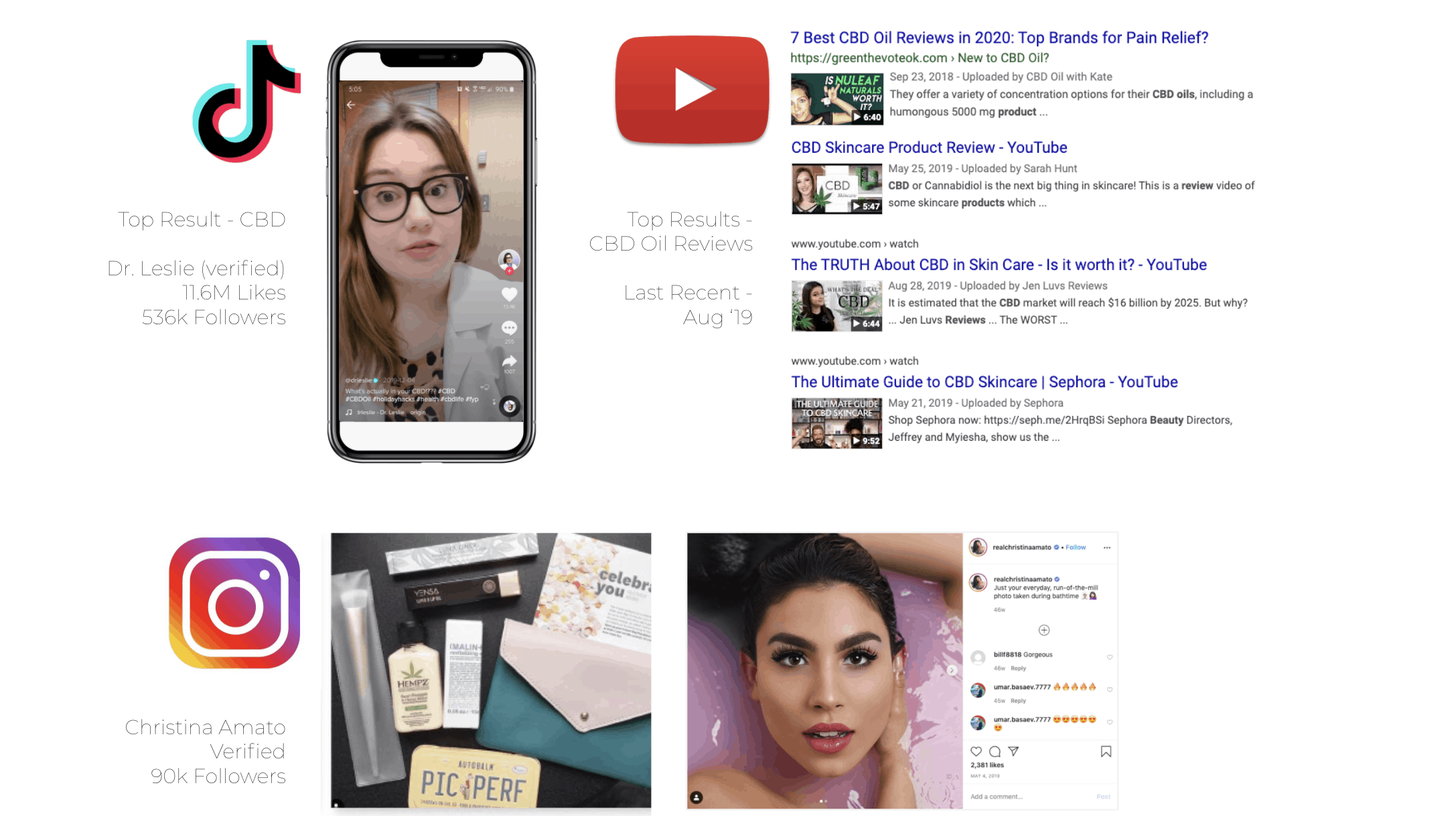
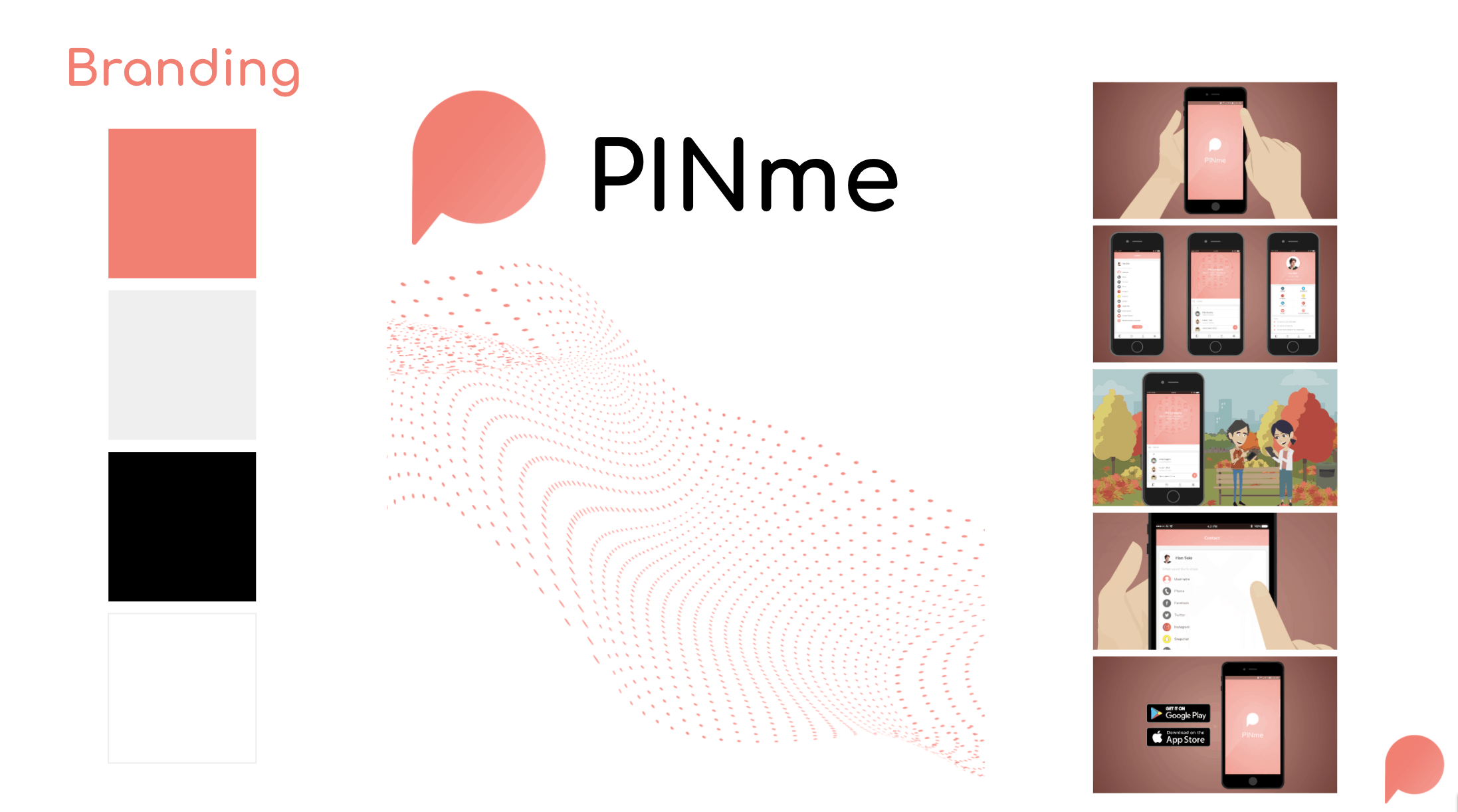
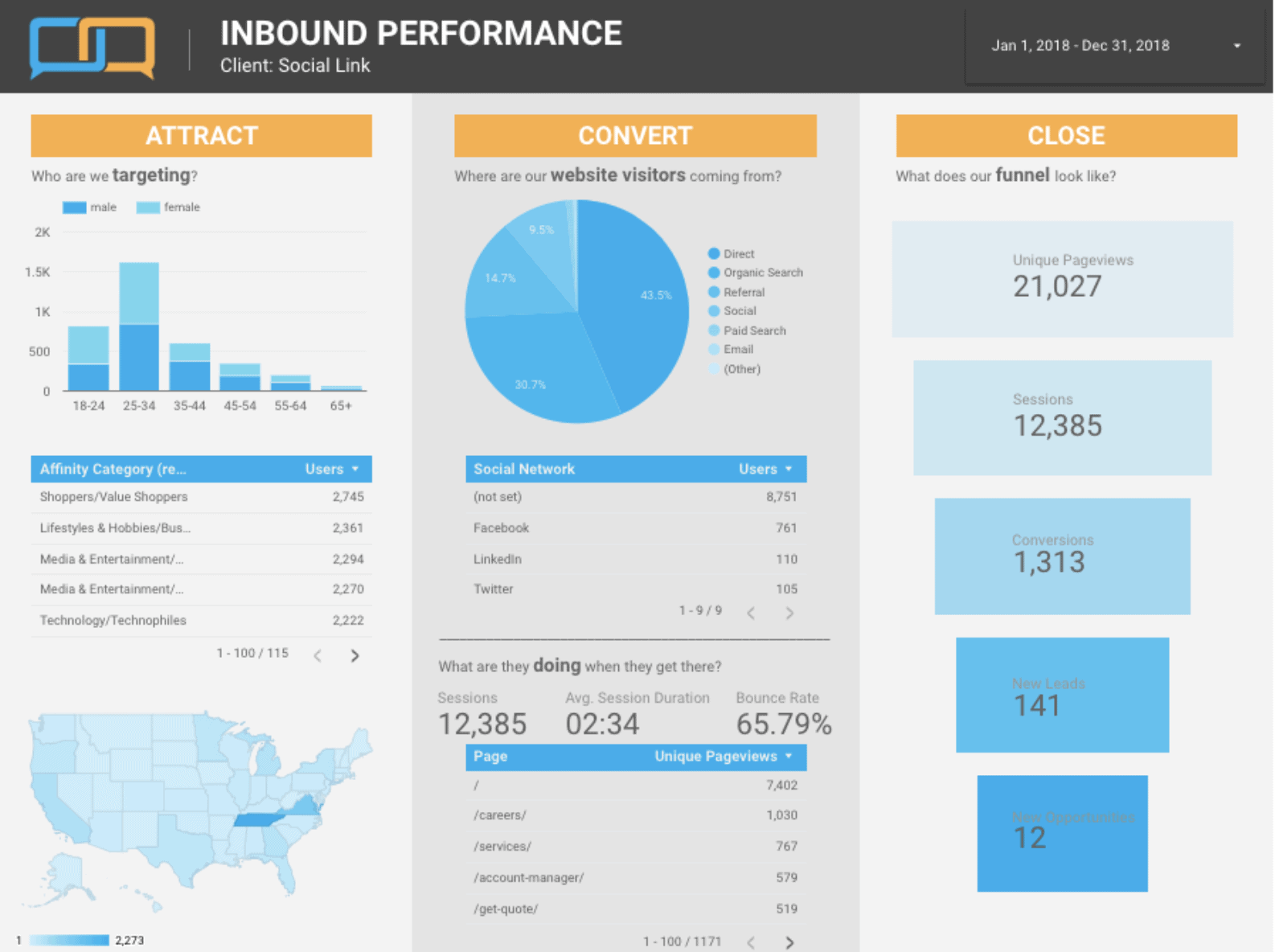
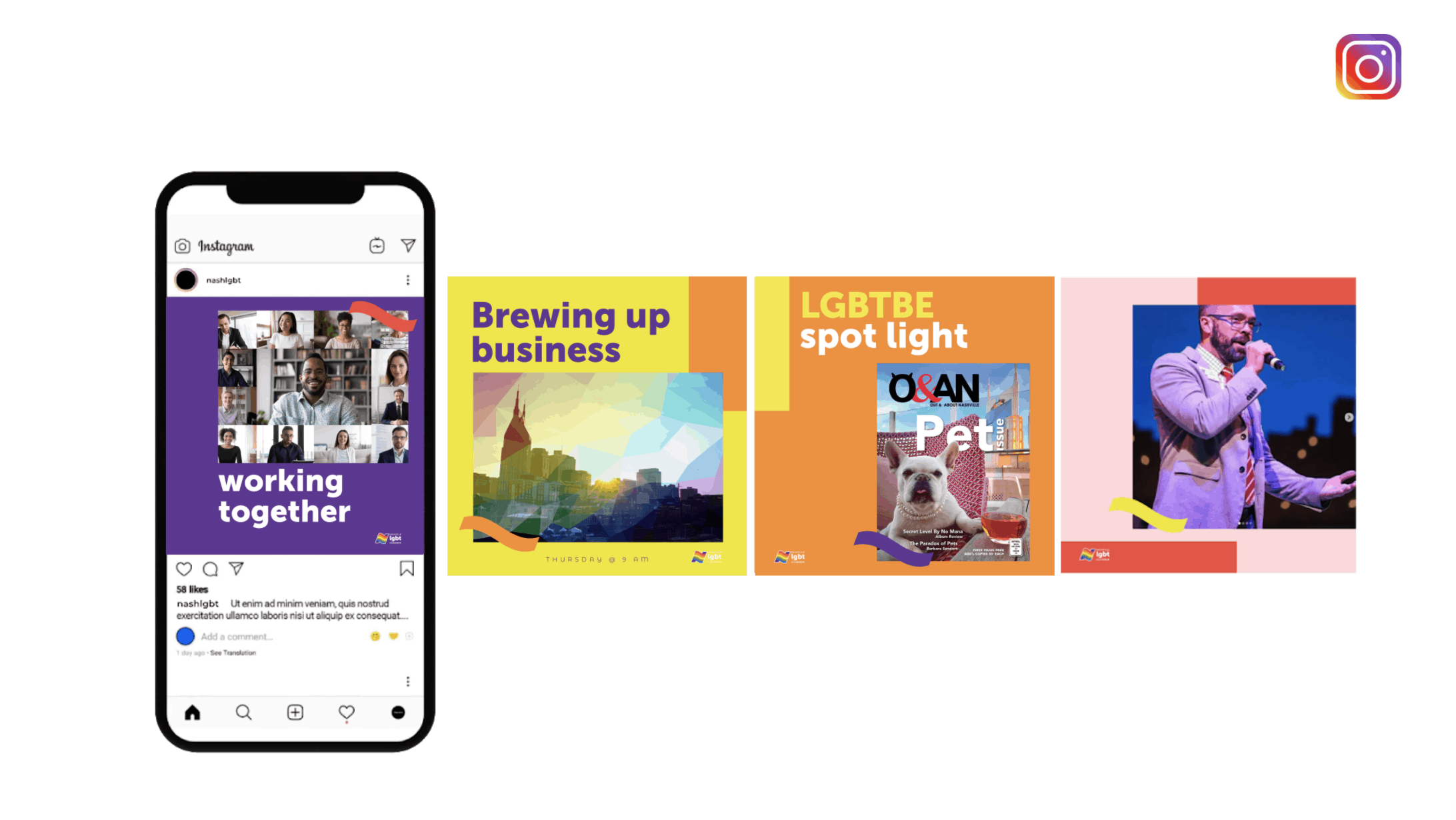
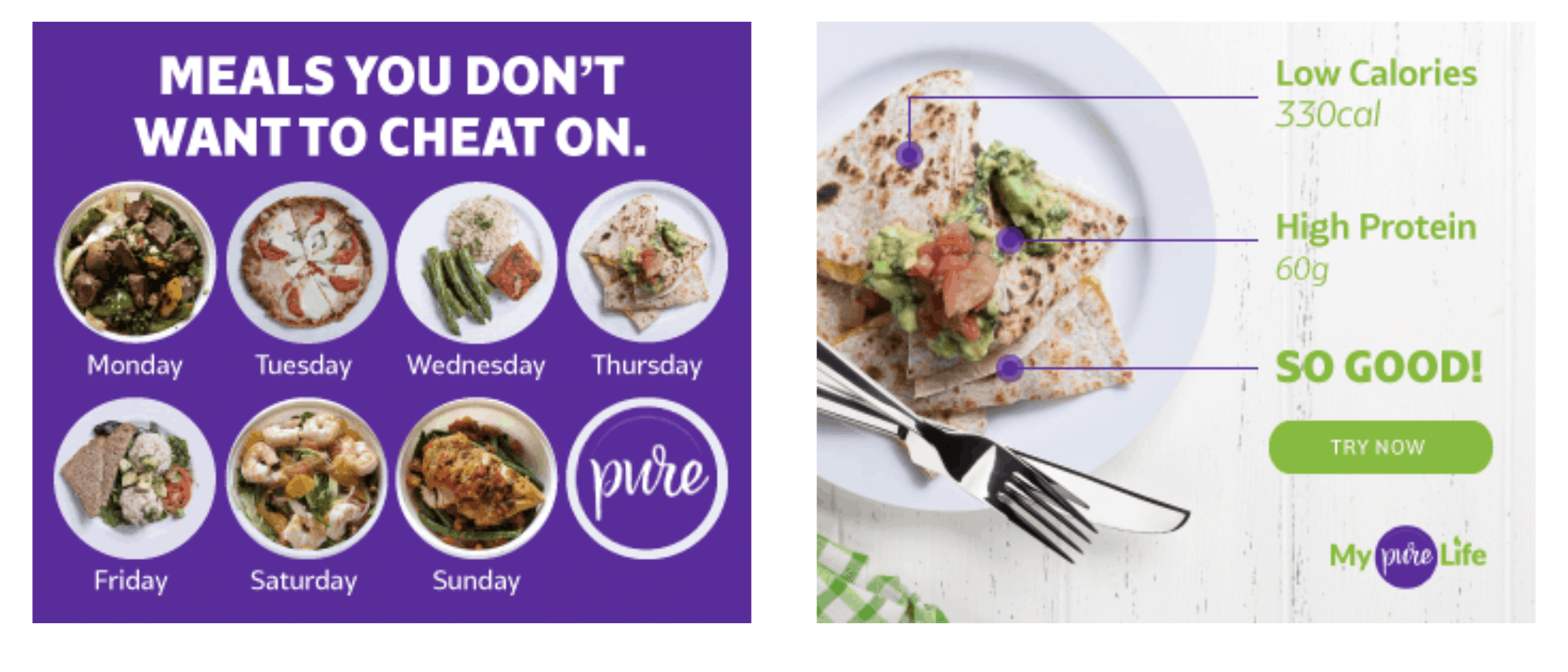
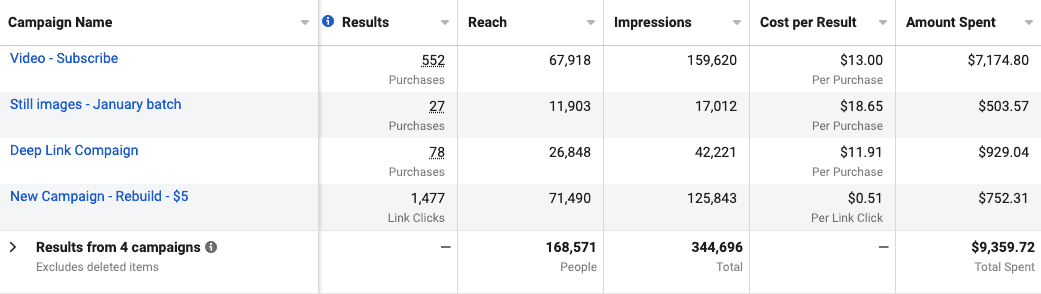
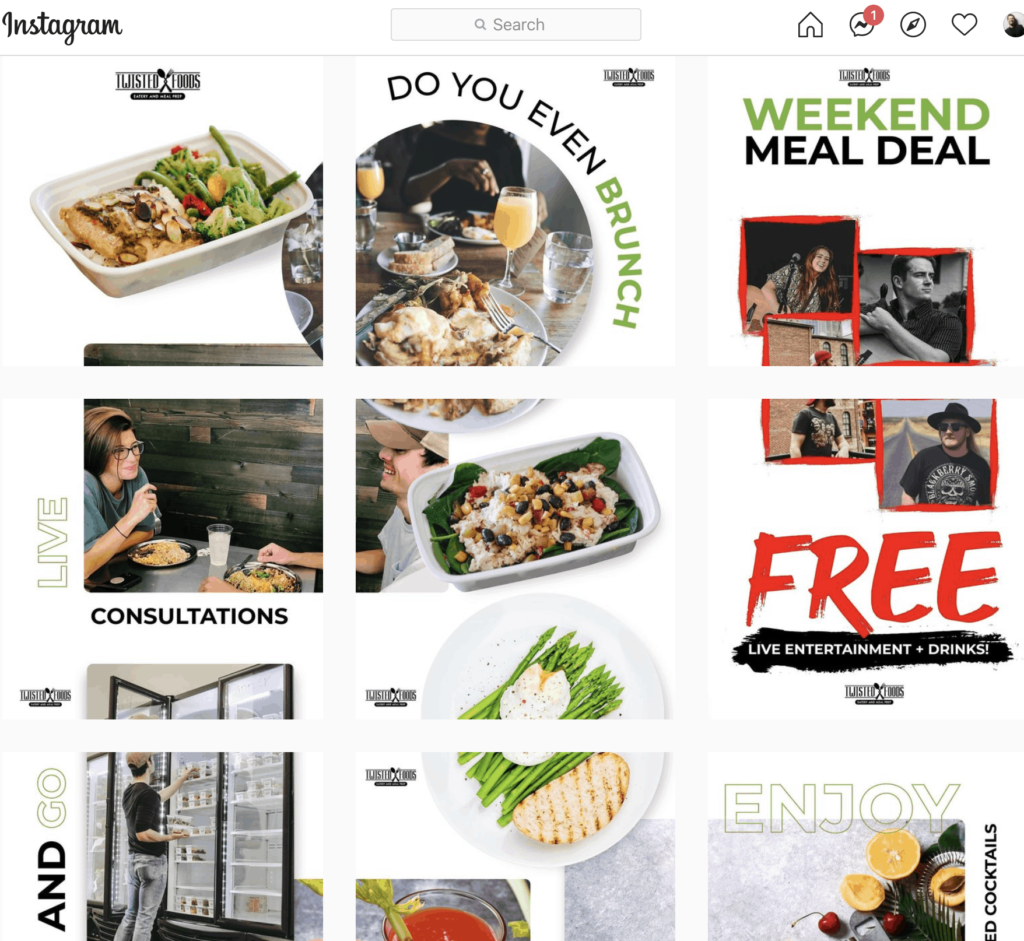
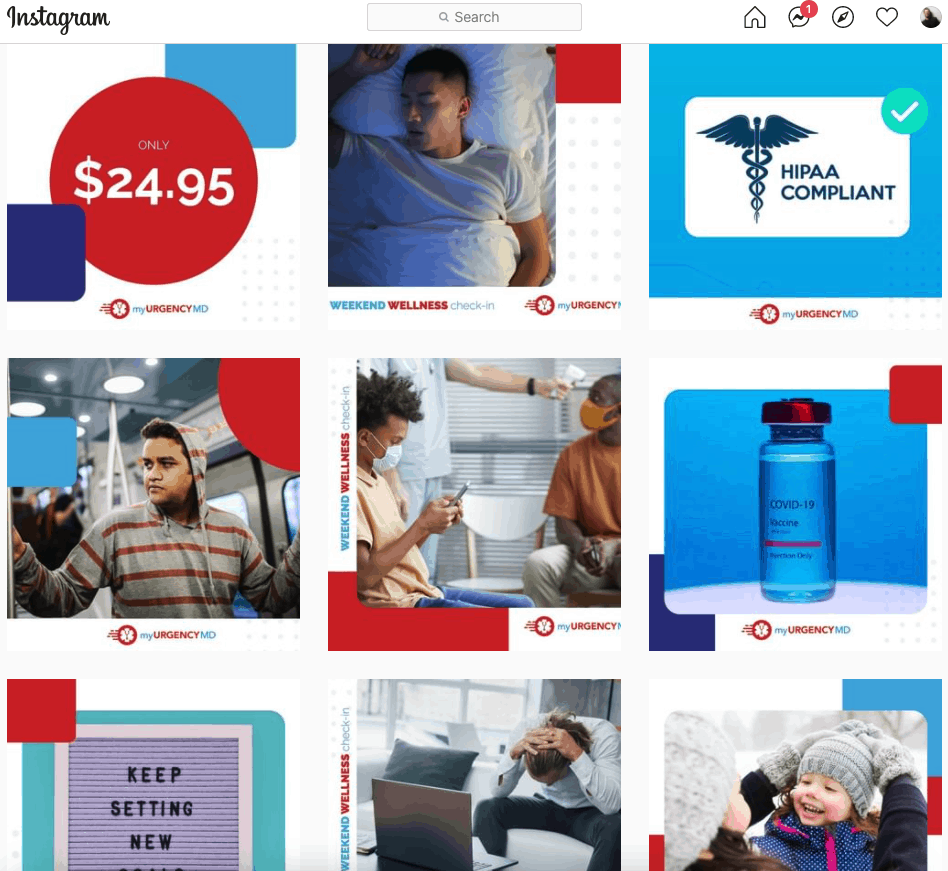
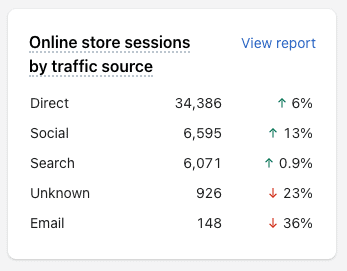
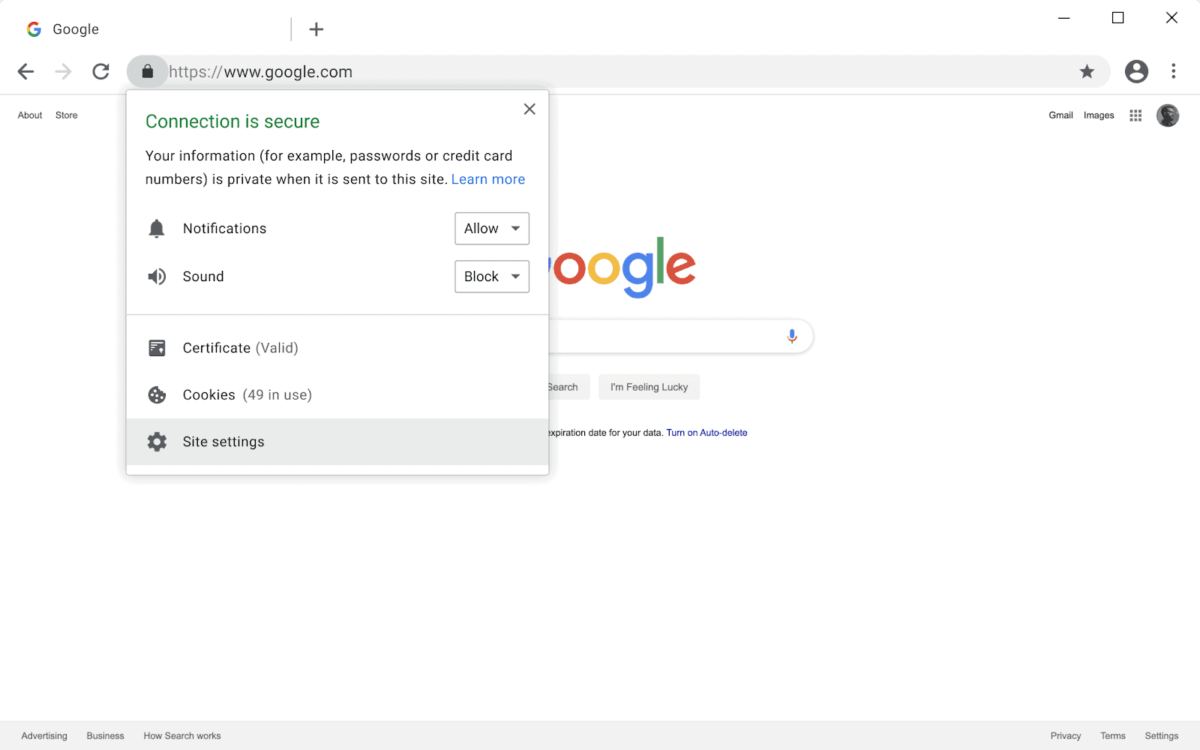
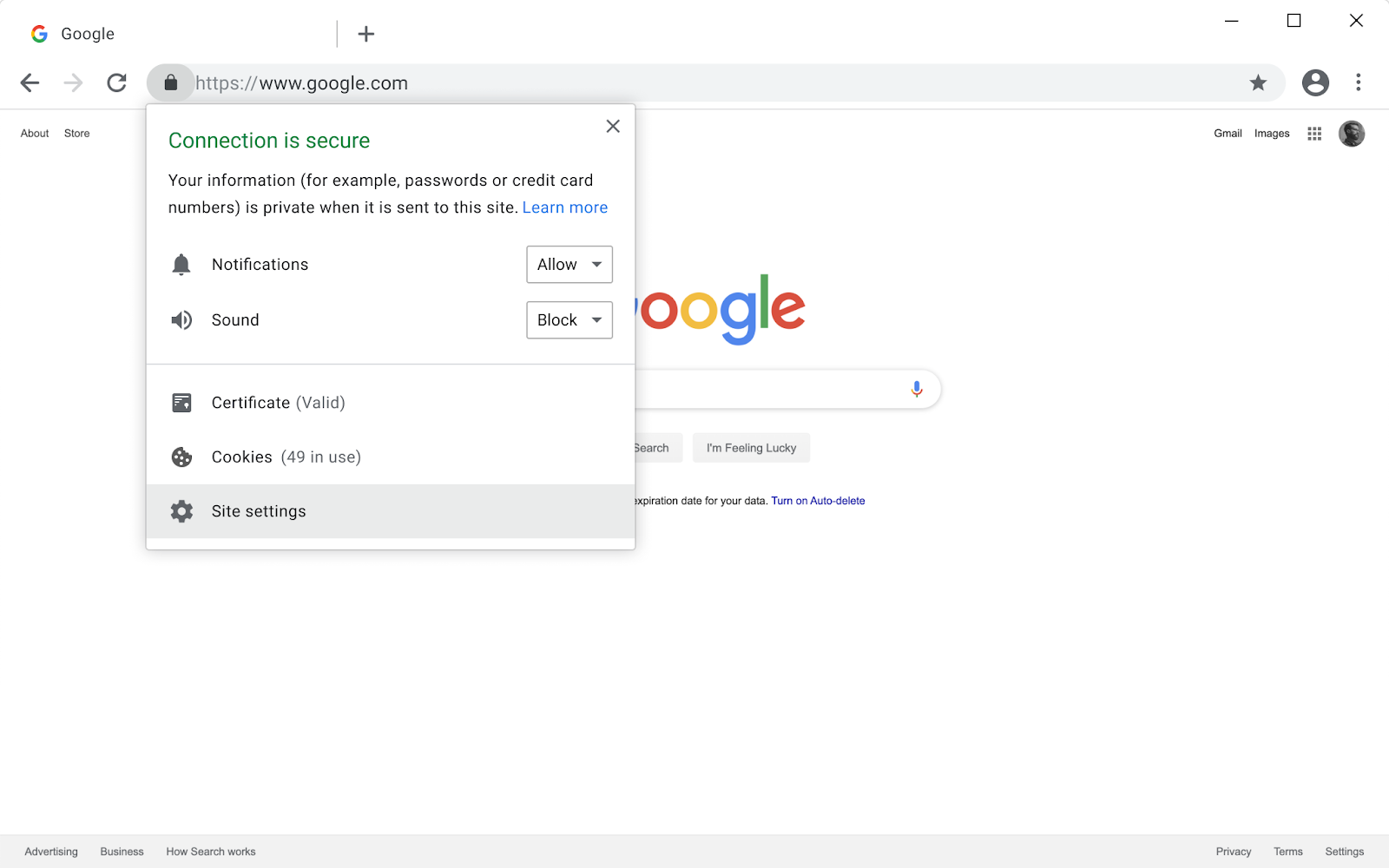

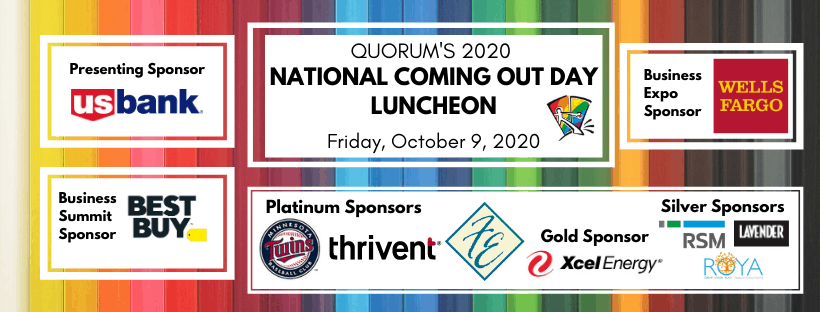






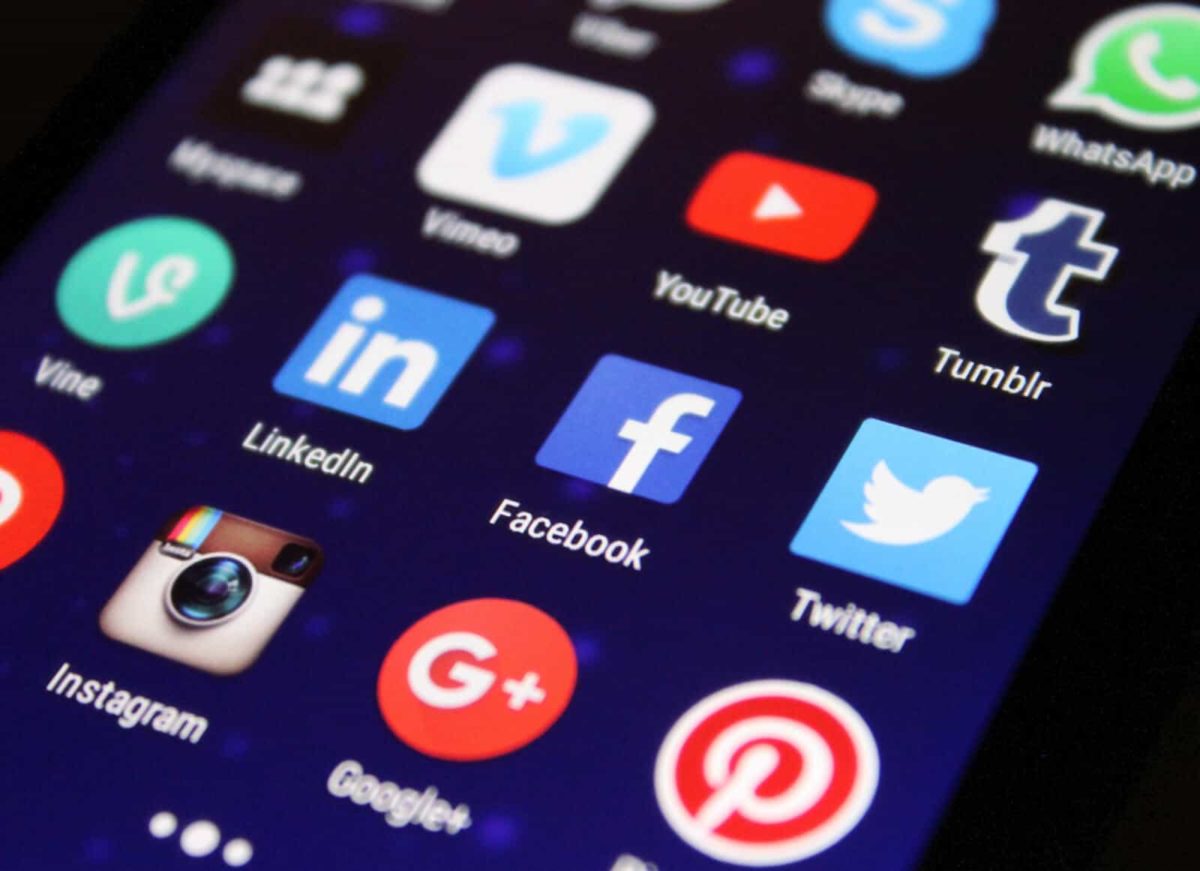
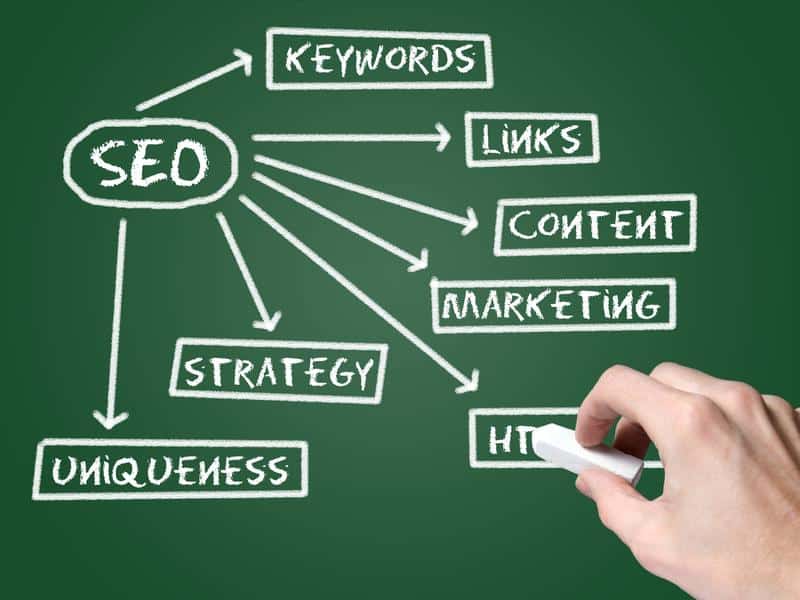


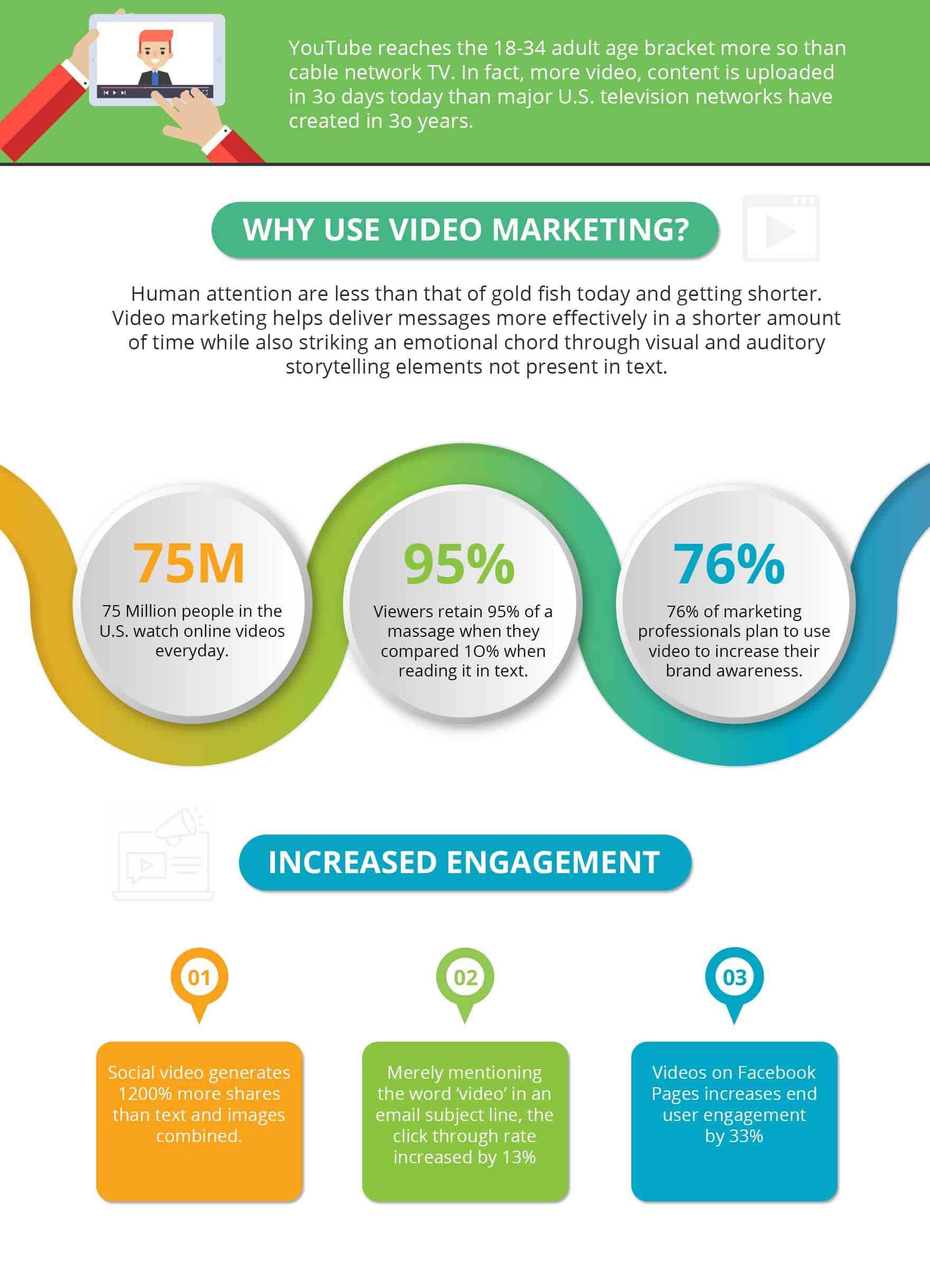









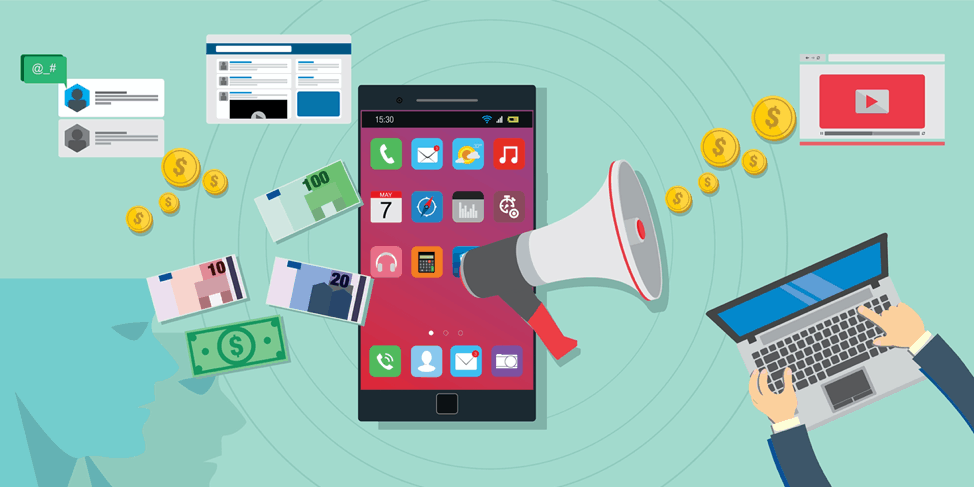
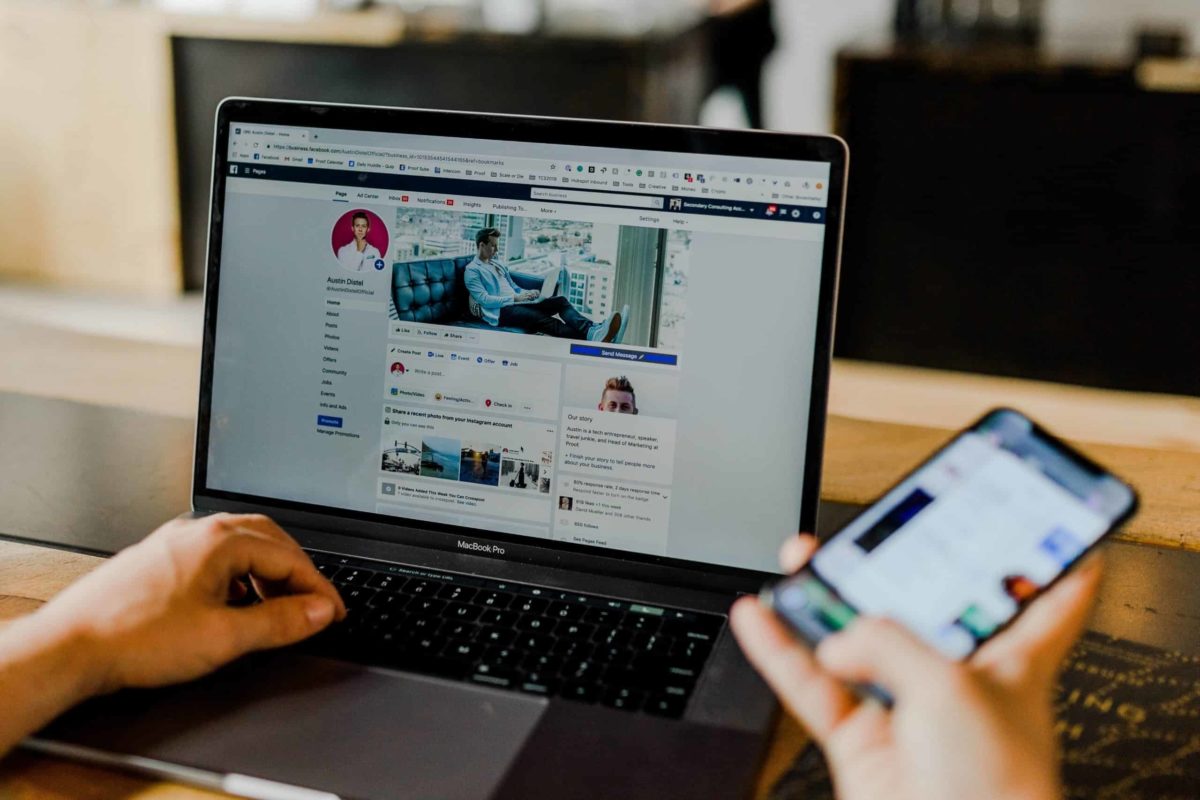


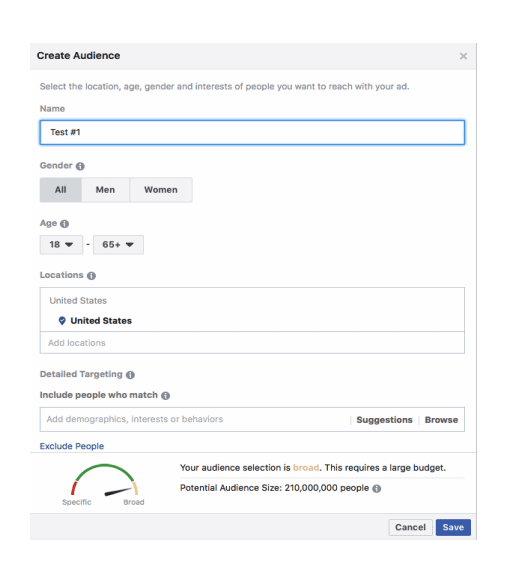

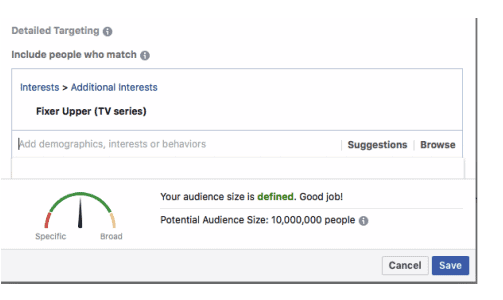

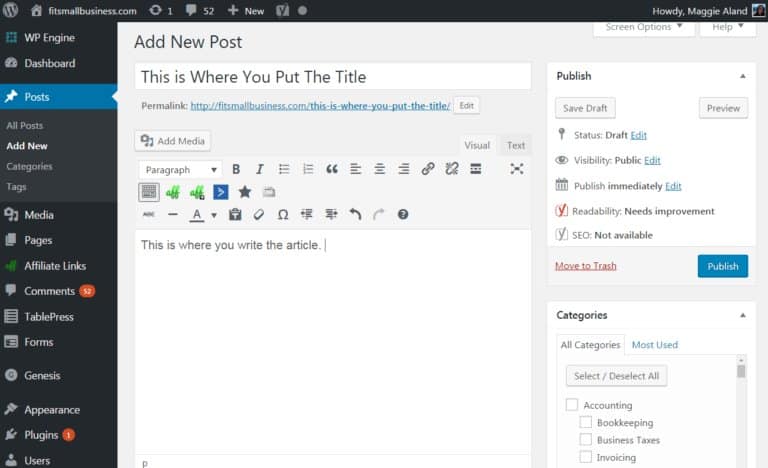 [
[