Categories
Digital Marketing Healthcare

SEO and Healthcare Outcomes: Why Ranking on Google Can Directly Impact Patient Trust and Appointment Bookings

The Intersection of SEO and Patient Care

Healthcare today is not just about excellent medical treatment. It is also about accessibility, visibility, and trust. Patients often start their journey by searching online for symptoms, providers, or clinics. Ranking highly on Google directly affects how patients perceive a clinic’s credibility and whether they take the next step toward booking an appointment.

This blog explores the connection between SEO and healthcare outcomes, showing how search visibility influences patient trust. We will also dive into a case study: how a single keyword strategy helped one clinic increase patient inquiries by 40 percent in just a few months.


Why SEO Matters in Healthcare

1. Patients Start Their Journey Online

  • More than 77 percent of patients use Google before choosing a healthcare provider.
  • Searches like “best dermatologist near me” or “urgent care open now” are direct decision-making points.

2. Trust Is Built Through Search Rankings

  • Patients assume the top results are the most trustworthy.
  • Higher rankings signal expertise, reliability, and relevance.

3. Better Rankings Lead to More Bookings

  • A top 3 Google ranking captures over 50 percent of clicks.
  • For clinics, this translates directly into appointment requests, calls, and online bookings.

Case Study: How One Clinic Boosted Patient Inquiries by 40 Percent With a Single Keyword Strategy

The Challenge

A mid-sized family medical clinic was struggling with visibility. Despite offering excellent care, they ranked on page two for most relevant keywords. This meant competitors received the bulk of new patient inquiries.

The Strategy

The clinic adopted a single keyword focus strategy:

  • Identified one high-intent keyword: “pediatric urgent care near me.”
  • Optimized a dedicated landing page around that keyword.
  • Created blog posts answering common parent concerns about urgent care for children.
  • Built Google Business Profile citations and local backlinks tied to the keyword.

The Execution

  1. On-Page Optimization: Title tags, meta descriptions, headers, and image alt text all centered on the chosen keyword.
  2. Content Expansion: Articles like “When to Visit Pediatric Urgent Care” and “How to Choose a Child-Friendly Clinic.”
  3. Local SEO Efforts: Google reviews encouraged from parents, listing consistency across directories, and schema markup.

The Results

  • Within six months, the clinic ranked in the top three search results for the targeted keyword.
  • Website traffic increased by 62 percent.
  • Patient inquiries (calls and online forms) increased by 40 percent.
  • Appointment bookings followed with a 35 percent rise, directly tied to organic search traffic.

The Connection Between SEO and Patient Trust

Visibility Equals Credibility

Patients trust Google’s algorithm to filter quality. If your clinic shows up at the top, patients assume it is a leading provider.

Consistent Messaging Builds Authority

When patients see consistent, helpful content such as blogs, FAQs, and reviews, it reinforces trust in your expertise.

Local SEO Builds Local Loyalty

For healthcare, geography matters. Showing up in “near me” searches builds confidence that care is accessible and convenient.


How SEO Directly Impacts Healthcare Outcomes

  1. Improved Access to Care
    Patients find clinics faster, which reduces delays in receiving treatment.
  2. Better Patient Education
    Content optimized for keywords doubles as patient education material, improving health literacy.
  3. Reduced No-Show Rates
    Clear online information about hours, services, and insurance helps set expectations, reducing missed appointments.
  4. Patient Retention
    When a patient finds you easily once, they are more likely to return and recommend you.

Practical Steps for Clinics to Replicate Success

1. Choose the Right Keyword

  • Use tools like Google Keyword Planner.
  • Focus on high-intent, location-specific searches.

2. Optimize On-Page Content

  • Title: “[Keyword] | [Clinic Name]”
  • Meta: Include keyword and a clear value proposition.
  • Use headers (H2s, H3s) naturally with variations.

3. Build Local SEO

  • Keep NAP (Name, Address, Phone) consistent.
  • Get listed in directories.
  • Optimize your Google Business Profile with photos, Q&A, and regular updates.

4. Collect and Showcase Reviews

  • Reviews boost rankings and patient trust.
  • Respond to all feedback, both positive and negative.

5. Create Educational Content

  • Answer patient questions through blogs.
  • Example: “What is the difference between urgent care and the ER?”

Metrics That Prove SEO Success in Healthcare

  • Keyword Rankings: Track position changes.
  • Organic Traffic: Measure how many new visitors come via Google.
  • Click-to-Call Conversions: Monitor calls initiated directly from your site or listing.
  • Form Submissions: Track online appointment requests.
  • Review Volume and Sentiment: Record growth and star ratings.

Long-Term Benefits of Healthcare SEO

  • Sustainable Growth: Unlike paid ads, organic visibility compounds over time.
  • Lower Cost Per Patient Acquisition: SEO reduces reliance on costly ads.
  • Competitive Advantage: Ranking above competitors means more market share.
  • Improved Patient Outcomes: More accessible, trustworthy information means patients get timely care.

Conclusion: SEO as a Healthcare Growth Engine

SEO is more than a marketing strategy. It is a healthcare tool that directly impacts outcomes. Patients equate Google visibility with trust. By targeting the right keywords and building an optimized, trustworthy online presence, clinics can see tangible improvements in patient inquiries, trust, and overall bookings.

The case study proves that even a single, well-executed keyword strategy can change a clinic’s growth trajectory.

If your clinic is not ranking where it should, the cost is clear: fewer patients, less trust, and lost opportunities for better care. The solution starts with SEO and healthcare outcomes aligned as one strategy.


Categories
Digital Marketing Law Firm Marketing

Google Ads for Lawyers: The Complete PPC Guide to Win More Clients

Why Google Ads for Lawyers Matter

The legal industry is one of the most competitive markets online. Law firms spend thousands each month to secure top placement in Google search results. Organic SEO is critical, but it takes time to rank. Paid search, especially Google Ads, provides immediate visibility, measurable results, and a steady stream of qualified leads.

As Google Ads partners, we have worked with law firms across multiple practice areas, helping them craft high-performing PPC campaigns. In this article, we will break down everything you need to know about Google Ads for lawyers, from campaign setup to advanced optimization.


The Benefits of PPC for Law Firms

Immediate Visibility

Google Ads positions your firm at the very top of search results for high-value keywords like “divorce lawyer near me” or “personal injury attorney.” That is instant exposure to people actively searching for legal services.

Qualified Leads

Unlike social media ads, PPC captures intent-driven traffic. Prospects who click are already in the market for legal help. This translates to higher-quality leads compared to other channels.

Budget Control

Google Ads allows you to set daily or monthly budgets. You decide how much to spend, pause campaigns at any time, and allocate funds to the best-performing practice areas.

Measurable ROI

Every click, call, and conversion is tracked. This transparency means law firms can calculate cost per lead (CPL) and return on ad spend (ROAS) with precision.


Understanding the Cost of Google Ads for Lawyers

The legal industry is among the most expensive verticals in PPC. Cost-per-click (CPC) often ranges from $20 to $200, depending on the practice area and location.

  • Personal Injury Law – Among the highest CPCs due to large settlement values.
  • Criminal Defense – Competitive but typically lower than injury law.
  • Family Law – Medium CPCs, with high demand for divorce and custody cases.
  • Estate Planning – Moderate CPCs, but with long client lifecycles.

Why CPCs Are High in Law

  1. High client lifetime value (LTV).
  2. Intense competition among firms.
  3. Urgency of client needs.

Despite these costs, a single converted client often offsets the ad spend many times over.


Best Google Ads Campaign Types for Lawyers

1. Search Campaigns

The backbone of legal PPC. These text ads appear when someone searches terms like “bankruptcy lawyer Nashville.” Search campaigns should focus on:

  • Exact and phrase match keywords.
  • Ad extensions (call, location, sitelinks).
  • Clear call-to-action (CTA).

2. Local Service Ads (LSAs)

Google’s pay-per-lead model for professionals. These ads appear above search ads with a “Google Screened” badge. LSAs are powerful for law firms because you pay for leads, not clicks.

3. Display Campaigns

Banner ads across the Google Display Network. Useful for remarketing campaigns to stay top-of-mind with prospects.

4. Video Ads

YouTube ads can build authority and brand awareness. Short explainer videos from attorneys perform well in targeted campaigns.


Keyword Strategy for Law Firms

Core Principles

  • Focus on high-intent keywords: “hire DUI lawyer” is more valuable than “what is DUI law.”
  • Avoid broad match without modifiers, as it can waste budget.
  • Use negative keywords to filter out irrelevant searches (e.g., “free lawyer” or “lawyer salary”).

Example Keywords by Practice Area

  • Personal Injury: “car accident lawyer near me,” “truck accident attorney.”
  • Family Law: “divorce attorney Nashville,” “child custody lawyer.”
  • Criminal Defense: “DUI lawyer cost,” “best criminal defense attorney.”
  • Estate Planning: “wills and trusts lawyer,” “probate attorney.”

Landing Pages That Convert

Clicks are only half the battle. Law firms need dedicated landing pages tailored to each ad group.

Key Features of High-Converting Legal Landing Pages

  • Headline: Clear, keyword-focused (e.g., “Top Nashville Divorce Lawyer”).
  • Contact Form: Minimal fields—name, phone, case type.
  • Call Tracking: Unique phone numbers for attribution.
  • Testimonials: Social proof from past clients.
  • Fast Load Times: A slow site kills conversions.

Ad Copywriting for Lawyers

Your ad text should reflect urgency, authority, and a clear next step.

Example Ad Copy

  • Headline: “Injured? Call Nashville’s Top Personal Injury Lawyers Today.”
  • Description: “No fees unless we win. 20+ years of experience. Free consultation available.”

Tips

  • Use dynamic keyword insertion to align ads with searches.
  • Highlight unique value propositions (UVPs) such as free consultations, local expertise, or award-winning service.
  • Always include a strong CTA.

Tracking and Measuring Results

Without proper tracking, law firms risk wasting thousands. Set up:

  • Conversion tracking (calls, form submissions, chats).
  • Google Analytics 4 (GA4) integration.
  • CallRail or similar software for call attribution.
  • HubSpot or Clio for CRM integration.

Metrics to track:

  • Cost per lead (CPL).
  • Conversion rate (CVR).
  • Return on ad spend (ROAS).
  • Client acquisition cost (CAC).

Advanced PPC Tactics for Law Firms

Geo-Targeting

Limit campaigns to specific zip codes or cities. Many firms only practice in select jurisdictions. Targeting ensures budget efficiency.

Dayparting

Schedule ads to run when prospects are most likely to convert. For example, evenings may be strong for family law searches.

Remarketing

Show ads to visitors who did not convert. Remind them of your services as they browse other sites.

Competitor Targeting

Bid on competitor names to capture prospects considering rival firms.


Compliance and Ethics in Legal Advertising

Law firms must follow state bar guidelines. Google Ads should avoid:

  • Misleading claims (“guaranteed win”).
  • Promises of outcomes.
  • Non-compliant testimonials.

Always verify ad content against local regulations.


Case Study Example

A mid-sized personal injury firm in Florida invested $10,000 per month in Google Ads. Within three months:

  • Leads increased by 150 percent.
  • Average CPL dropped from $250 to $90.
  • ROI reached 400 percent (based on settlements won).

Common Mistakes Lawyers Make with Google Ads

  1. Using homepages instead of landing pages.
  2. Failing to set up negative keywords.
  3. Running broad match campaigns without control.
  4. Not tracking phone calls.
  5. Ignoring local service ads.

Should Law Firms Manage Google Ads Themselves?

While it is possible, legal PPC is complex and costly. Small mistakes can burn budgets quickly. Partnering with a certified Google Ads Partner agency ensures:

  • Proper setup and optimization.
  • Continuous monitoring.
  • Data-driven decisions.
  • Ethical compliance.

Conclusion

Google Ads for lawyers is one of the most effective ways to generate leads, grow client lists, and dominate local markets. Yes, CPCs are high, but the ROI potential makes it worthwhile when campaigns are structured correctly. With the right strategy—keyword targeting, ad copy, landing pages, and tracking—law firms can consistently acquire new clients at a profitable rate.

If your firm is ready to invest in a Google Ads partner who understands the legal industry, now is the time to act. The competition is not waiting, and neither are your future clients.

Categories
Law Firm Marketing Online Marketing Tips and Tricks

Trust and Transparency in Legal Marketing: How Law Firms Can Stand Out in 2025

Why Trust and Transparency Matter More Than Ever

The legal industry is facing rapid changes. From the SEC’s new arbitration rules to shifting regulations that affect both corporate and individual clients, uncertainty is everywhere. In this environment, law firms have a unique opportunity to separate themselves from competitors. The key? Building a marketing strategy grounded in trust and transparency in legal marketing.

Clients are not just looking for legal expertise. They are looking for partners who communicate clearly, advocate fearlessly, and show integrity at every touchpoint. This article will explore how law firms can market themselves more effectively by emphasizing these values, and why doing so is essential in today’s digital-first marketplace.


The Changing Legal Landscape and Its Marketing Implications

Recent regulatory updates highlight a shift in how legal services are delivered and perceived. For example, the SEC’s policy change allowing companies to steer disputes into arbitration rather than class actions limits investor protections.

For law firms, this shift creates two key marketing opportunities:

  1. Championing the client’s perspective. Firms that market themselves as advocates for transparency can stand apart from competitors who only focus on compliance.
  2. Creating thought leadership content. Blogs, LinkedIn posts, and webinars that break down complex regulatory shifts in plain English can establish authority while showcasing accessibility.

This is not just about being knowledgeable. It is about projecting trustworthiness through every communication channel.


What Clients Expect From Law Firms in 2025

Clients are increasingly savvy. They do their research online before ever reaching out. According to industry surveys, over 70 percent of prospective legal clients say they would not contact a firm if its online presence feels vague or untrustworthy.

This means firms must double down on:

  • Transparency in messaging. Clear descriptions of services, pricing models, and processes.
  • Consistency in branding. A unified message across website, LinkedIn, newsletters, and social media.
  • Authenticity in client relationships. Sharing real stories, testimonials, and case studies that build credibility.

Transparency is no longer optional. It is the foundation of marketing success.


Building Trust Through Content Marketing

One of the most effective ways to highlight trust and transparency is through content. Law firms can use blogs, newsletters, and LinkedIn posts to provide clarity where clients feel overwhelmed.

Examples of content that works:

  • Regulatory explainers. Break down news like the SEC arbitration rule so everyday readers understand the impact.
  • Case studies. Highlight how your firm helped a client through a complex process.
  • Behind-the-scenes content. Introduce your attorneys, their values, and their passion for justice.

By creating a steady stream of helpful and authentic content, law firms signal to clients that they care about more than billable hours. They care about making the legal system more approachable.


Transparency in Communication

Clear communication is marketing gold. Every point of contact, from a website inquiry form to a LinkedIn comment, should feel approachable and honest.

Here are three practical strategies:

  1. Simplify your service pages. Avoid jargon. Clients want to know in plain terms what you do and how you can help.
  2. Be upfront about fees. Even if you cannot post exact pricing, provide ranges or explain how fees are determined.
  3. Offer free resources. Tools like checklists, webinars, or a complementary marketing plan show generosity and build goodwill.

You can see how Social Link does this for clients by browsing our portfolio of successful campaigns.


Branding and Design That Communicate Integrity

Marketing is not just words. Visual branding plays a critical role in how trustworthy your firm feels.

To communicate integrity:

  • Use professional photography instead of stock images whenever possible.
  • Showcase your real team members on your website and LinkedIn.
  • Choose design elements that reflect stability: clean typography, strong but calm color palettes, and intuitive layouts.

A polished, transparent brand presence reassures clients that your firm is not only capable but dependable.


The Role of Social Proof

Trust is social. Prospective clients want reassurance from others who have walked the same path. That is why testimonials, reviews, and case outcomes (where allowed) are powerful marketing tools.

Some ideas:

  • Feature client testimonials prominently on your website.
  • Highlight awards or recognitions from trusted legal associations.
  • Use LinkedIn to share client success stories with permission.

Transparency in this context means sharing results openly and honestly.


Technology and Transparency

Clients also expect transparency in how firms use technology. Do you offer client portals? Do you provide billing dashboards? Do you send real-time updates by email or text?

Marketing these features clearly is a way to reassure clients that they will never be left in the dark.

At Social Link, we have helped firms implement digital tools that improve transparency and strengthen client trust. If you want to see examples, visit our portfolio.


Converting Transparency Into New Business

At the end of the day, trust and transparency should drive measurable growth. Marketing is not just about impressions or clicks. It is about creating a reputation that makes prospective clients choose your firm.

To make transparency a conversion driver:

  • Include clear calls to action on every page of your website.
  • Invite visitors to request a proposal.
  • Offer a complementary marketing plan to show your commitment before money changes hands: Get your free plan here.

These steps demonstrate that your firm practices what it preaches.


Case Study – A Law Firm That Leveraged Transparency to Grow

Imagine a mid-sized law firm focused on corporate clients. They were struggling to differentiate themselves from larger competitors. After working on a marketing campaign built around transparency, they:

  • Published weekly LinkedIn updates explaining legal changes in plain English.
  • Added a transparent pricing page explaining their fee structures.
  • Created videos introducing each partner and their specialties.

Within six months, inbound leads increased by 40 percent, and client retention improved. Transparency worked not just as a value but as a measurable growth engine.


Next Steps for Your Firm

If you are ready to emphasize trust and transparency in your marketing, here are three steps you can take today:

  1. Audit your online presence. Is your website clear, modern, and trustworthy?
  2. Review your messaging. Are you explaining services in language clients actually understand?
  3. Work with a marketing partner. Agencies like Social Link specialize in building transparent, trust-based campaigns.

We invite you to explore our portfolio and see how we have helped firms like yours. You can also request a proposal or get a complementary marketing plan to start planning your growth strategy today.


Conclusion

In 2025, the firms that succeed will be the ones that make trust and transparency more than buzzwords. They will turn these values into marketing cornerstones, positioning themselves as the partners clients truly need in an uncertain world.

By focusing on clarity, authenticity, and openness, your firm can build stronger relationships, differentiate itself from competitors, and grow in a sustainable way.

The legal landscape may be shifting, but one truth remains constant: trust is the foundation of every successful client relationship.

Categories
Digital Marketing

Law Firm Lead Generation: A Complete Guide to Attracting More Clients

Why Law Firm Lead Generation Matters

Running a successful law firm is not just about practicing law. It is about building a consistent flow of qualified leads that turn into paying clients. Without steady lead generation, even the most talented lawyers risk slow growth or stagnation. In today’s digital-first world, potential clients are searching online, comparing firms, and making decisions quickly. That means your firm must be visible, credible, and proactive in turning interest into consultations.

This article explores the strategies, challenges, and opportunities in law firm lead generation. You will learn why most firms struggle to get consistent leads, how Social Link helps solve those challenges, and how you can use proven systems to grow your practice.


What Is Law Firm Lead Generation?

Law firm lead generation is the process of attracting potential clients, capturing their interest, and converting them into consultations or retained cases. Unlike other industries, legal marketing involves high-stakes decision-making. Clients are often under stress, facing personal or business challenges, and need reassurance as much as they need legal expertise.

Effective law firm lead generation requires a combination of digital marketing strategies, client-centered messaging, and reliable follow-up systems. It is not enough to be seen — your firm must inspire trust and guide potential clients toward taking action.


Challenges That Law Firms Face With Lead Generation

Lawyers operate in one of the most competitive industries for marketing. Let’s explore the major hurdles:

1. Fierce Competition

Search results for legal services are packed with competitors. Whether you are a criminal defense attorney in a large city or a small-town family lawyer, dozens of other firms are bidding on the same keywords and competing for the same clients.

2. Strict Regulations

Advertising in the legal industry is subject to bar rules and ethical restrictions. This makes it more complex to run ads or craft marketing campaigns compared to other industries. A misstep can damage credibility or even lead to compliance issues.

3. Weak Conversion Systems

A common mistake is investing in SEO or ads without optimizing the website or landing pages. If your site does not clearly show your value, provide trust signals, and offer an easy way to contact you, potential leads will leave.

4. Slow or Missed Follow-Up

Leads often go cold because firms do not respond quickly. Studies show that contacting a lead within five minutes significantly increases conversion chances. Many firms wait hours or days, causing potential clients to choose competitors.


The Core Strategies of Law Firm Lead Generation

1. SEO for Lawyers

Search Engine Optimization (SEO) is a long-term growth strategy. Clients search terms like “personal injury lawyer near me” or “best divorce attorney in Nashville.” Appearing on the first page of Google makes the difference between steady client growth and being invisible.

Social Link’s SEO approach includes:

  • Targeted keyword research for each practice area
  • On-page optimization with Yoast-friendly titles, descriptions, and structure
  • Technical SEO improvements such as mobile performance and site speed
  • Local SEO and Google Business Profile optimization
  • Regular blog content creation

If you want examples of content we have created for law firms, check out our law firm marketing blog library.


2. Paid Advertising (PPC)

Paid ads are a direct way to appear in front of people actively looking for your services. Platforms like Google Ads and Meta (Facebook/Instagram) provide powerful targeting.

Best practices for law firm ads include:

  • Geographic targeting to focus on your local market
  • Call extensions to make contacting you easier
  • Ads that match user intent (e.g., “book a free consultation”)
  • Dedicated landing pages optimized for conversions

When done correctly, PPC delivers leads quickly and reliably.


3. Conversion-Driven Websites

A professional website is more than a digital business card. It should be a conversion machine. Visitors must instantly know who you are, what you offer, and how to reach you.

High-performing law firm websites include:

  • Prominent “Call Now” and “Book a Consultation” buttons
  • Attorney bios with credibility factors (awards, associations, publications)
  • Case studies or testimonials
  • A clean, mobile-first design
  • Clear intake forms

Social Link has designed legal websites that transform visitor traffic into consultations. You can view examples of our work in our portfolio.


4. Social Media Presence

Social media builds credibility and humanizes your brand. While most clients may not hire a lawyer directly from a Facebook post, staying active helps keep your firm top of mind.

Social Link develops content calendars for law firms that include:

  • Educational videos and FAQs
  • Client success stories (when ethically allowed)
  • Community involvement highlights
  • Industry insights and updates

5. Email and CRM Automation

Capturing leads is only the first step. Following up quickly and consistently is essential. With tools like HubSpot or Clio Grow, we integrate automated sequences that nurture leads and ensure no opportunity slips away.

This combination of SEO, PPC, website optimization, social media, and automation is what we call The Blueprint. You can access The Blueprint here to see how it applies to your law firm.


Case Study: From Stagnation to Growth

One mid-sized personal injury firm came to Social Link frustrated with high ad costs and low returns. After auditing their strategy, we rebuilt their lead generation system:

  • Redesigned their website for conversions
  • Optimized their ad campaigns
  • Integrated CRM follow-up systems

Within six months, they saw:

  • 65% increase in website leads
  • 40% reduction in cost per lead
  • 25% higher consultation-to-client conversion

The results proved that effective law firm lead generation is not just about traffic. It is about building a system where every part of the funnel works together.


Building Trust: The Foundation of Legal Marketing

Every lead generation strategy must reinforce trust. Legal clients are often anxious and risk-averse. They need reassurance that they are choosing the right attorney.

Ways to build trust include:

  • Showcasing verified testimonials and case results
  • Professional branding and consistent messaging
  • Transparent communication about fees and processes
  • Fast, empathetic follow-up with new leads

Frequently Asked Questions

What is the most effective law firm lead generation strategy?
SEO paired with a high-converting website and local PPC ads tends to drive the best results long term.

How long does SEO take for law firms?
Most firms begin seeing results in 4 to 6 months, with significant gains after one year.

Should law firms use paid ads?
Yes, when campaigns are managed strategically with clear targeting, PPC is one of the fastest ways to bring in clients.

What is The Blueprint?
The Blueprint is Social Link’s proven framework for law firm lead generation. You can request your copy here.


Why Choose Social Link for Law Firm Lead Generation

Not all marketing partners understand the unique challenges of legal marketing. At Social Link, we:

  • Specialize in law firm growth strategies
  • Follow ethical guidelines while driving results
  • Offer transparent reporting so you know what is working
  • Provide an integrated approach rather than one-off tactics

You can see our results and design work in our portfolio.


Conclusion: Take Control of Your Firm’s Growth

The legal industry is only becoming more competitive. Relying solely on referrals or outdated ads will not be enough to grow in the future. Firms that embrace structured, data-driven law firm lead generation will be the ones that thrive.

If you are ready to attract more clients, nurture stronger relationships, and grow your practice, it is time to act. Download The Blueprint, explore our law firm marketing insights, and view our portfolio of work.

Social Link is here to help your firm succeed.

Categories
Digital Marketing Law Firm Marketing Online Marketing Tips and Tricks

Content Marketing for Lawyers

Content Marketing for Lawyers: How Thought Leadership Wins More Cases in 2025

The legal industry is more competitive than ever. Whether you are a solo attorney or part of a larger firm, attracting new clients is no longer just about referrals or a strong reputation in your community. Today, potential clients search online first. They want information, clarity, and reassurance before they choose who to call.

Content marketing for lawyers is one of the most effective ways to build that trust. By sharing useful content that answers client questions, educates readers, and showcases your expertise, you position your firm as the go-to resource. The firms that embrace this strategy are the ones winning more cases in 2025.

If you are interested in exploring more strategies, we regularly publish insights for attorneys on law firm marketing.


Why Content Marketing Matters for Law Firms

Building Trust with Potential Clients

Law is built on trust. People facing legal challenges often feel uncertain and overwhelmed. When they find articles, guides, or videos from your firm that clearly explain their situation, they immediately see you as a trusted authority.

Competing Online with Larger Firms

Even small firms can compete with big players by producing consistent, targeted content. A well-optimized blog answering specific client questions can outrank national firms in local search results.

Driving More Qualified Cases

Content is not just about attracting traffic. It brings in the right clients. Someone searching for “how to file a workers comp claim in Nashville” is a qualified lead who may be ready to hire an attorney.


The Core Elements of Content Marketing for Lawyers

Blogging to Answer Real Client Questions

Clients are asking Google questions every day. Your firm should be the one answering them.

  • Instead of writing “Overview of Family Law,” create content like “How Long Does Divorce Take in Tennessee.”
  • Use Google’s “People Also Ask” feature to see exactly what your potential clients are searching for.

Long-Form Guides and Downloadable Resources

Comprehensive guides help you stand out as a thought leader. Examples include:

  • “The Complete Guide to DUI Defense in Kentucky”
  • “Everything You Need to Know About Estate Planning in Tennessee”

These resources can be turned into lead magnets by offering them as downloads in exchange for contact information. A perfect example is our Blueprint marketing plan, a free resource that helps law firms create a structured approach to attracting more clients.

Video and Multimedia Content

Video content builds trust quickly. A short two-minute video on “3 Things to Do After a Car Accident” is more likely to be remembered than a long article.

Thought Leadership Articles

Share insights on new laws or high-profile cases. Posting commentary on LinkedIn, publishing in local journals, or contributing to legal blogs positions you as a thought leader.

Case Studies and Success Stories

Show potential clients how you have helped others. Use anonymized case studies that demonstrate real outcomes and highlight your expertise.


How SEO Strengthens Content Marketing

Choosing the Right Keywords

Target long-tail keywords that match what people are actually searching for, such as:

  • “Average settlement for slip and fall in Tennessee”
  • “How to choose a divorce lawyer in Louisville”

On-Page Best Practices

  • Use your focus phrase, “content marketing for lawyers,” naturally throughout your article.
  • Break content into clear sections with subheadings.
  • Add descriptive alt text to images.

Local SEO for Lawyers

Most clients want someone nearby. Optimize your Google Business Profile, ask clients for reviews, and include your location in your content.


Establishing Authority Through Thought Leadership

Be the First to Comment on Legal Changes

When new legislation or rulings are announced, publish content quickly. Clients and media outlets look for clarity, and you can become their go-to source.

Write for Legal and Business Publications

Getting published in bar association newsletters, local papers, or respected online outlets adds credibility and provides valuable backlinks for SEO.

Speaking and Teaching

Webinars, CLE courses, or local presentations can be repurposed into blog posts, social content, and videos. Each piece of content reinforces your authority.


Getting Your Content in Front of Clients

Creating great content is not enough. You must distribute it.

  • Share on LinkedIn, Facebook, and local business groups.
  • Use email newsletters to share articles and guides with past clients and leads.
  • Repurpose long blogs into short tips for social media.
  • Turn guides into short checklists or infographics for easy sharing.

Measuring the Success of Your Content

Look beyond page views. The real measure of success is whether your content drives new cases. Key metrics include:

  • Growth in organic search traffic
  • Increases in calls and form submissions from blog posts
  • More backlinks from reputable websites
  • More time spent on your site by visitors

Action Plan for 2025

  1. Review your current website content and update or remove anything outdated.
  2. Make a list of the top 10 questions clients ask and write posts answering them.
  3. Commit to producing at least one long-form guide per quarter.
  4. Add video content to your marketing plan.
  5. Repurpose every big piece of content into smaller posts for social media and email.

If you are ready to start mapping out your content strategy, download our Blueprint marketing plan. It is designed to give law firms a proven structure for marketing that generates real results.


Conclusion

Content marketing for lawyers is no longer optional. In 2025, it is one of the most powerful ways to attract new clients, build trust, and grow your case load. By creating high-quality, search-friendly content and combining it with thought leadership, your firm can establish authority, connect with the right clients, and stay ahead of the competition.

To learn more about how content marketing can fit into your firm’s growth strategy, visit our law firm marketing blog or request a strategy call through our proposal form.

Categories
Digital Marketing Non-Profit

Storytelling for Nonprofits: How Marketing Helps You Inspire Action

Why Nonprofits Need Strong Marketing

Nonprofits often operate with limited budgets, small teams, and constant pressure to do more with less. At the same time, they carry the immense responsibility of solving some of society’s most urgent problems. Whether it is ending hunger, fighting for social justice, rescuing animals, or protecting the environment, nonprofits are driven by purpose.

But even the most inspiring mission can remain invisible if it is not communicated effectively. That is where marketing comes in. Marketing is not just for businesses selling products. For nonprofits, it is the essential tool that amplifies a message, connects with audiences, and transforms awareness into action.

At the center of nonprofit marketing lies one of the oldest and most effective human traditions: storytelling. In this article, we will explore why storytelling matters for nonprofits, how marketing brings those stories to life, and how your organization can use storytelling to inspire donors, recruit volunteers, and make real change.


The Power of Storytelling in Nonprofit Marketing

Moving Beyond Numbers

Nonprofits often rely on numbers to show progress. Grant reports, fundraising goals, and annual reviews are filled with percentages and statistics. While these are important for accountability, they rarely move people to act on their own. Numbers tell what is happening, but stories explain why it matters.

For example, instead of saying “one in five children in our community goes to bed hungry,” imagine telling the story of Jamal, a 9-year-old who often ate dinner at school because there was no food at home. When supporters see Jamal’s face and hear his story, the problem becomes real, urgent, and solvable.

Emotional Connection Equals Action

Science confirms what nonprofit leaders have known for years: people give because they care, not just because they understand. Stories activate areas of the brain that govern empathy and trust. They make abstract problems personal. A donor who connects emotionally with one story is far more likely to act than someone who simply reads a fact sheet.

Standing Out in a Noisy World

The digital landscape is more crowded than ever. Nonprofits compete not only with each other but also with businesses, influencers, and media outlets for attention. A well-crafted story cuts through the clutter. It makes someone stop scrolling, listen, and remember. Storytelling is not just an art form. It is a competitive advantage.


How Marketing Elevates Storytelling

Storytelling alone is powerful, but when paired with marketing strategy, it becomes unstoppable. Marketing ensures that stories are not just told but also amplified, optimized, and targeted to reach the right people.

Professional Branding and Messaging

A nonprofit’s story is more than one individual’s journey. It is a reflection of the organization’s mission, values, and impact. Marketing helps craft a clear brand voice so every story aligns with the larger narrative. This consistency builds trust and recognition over time.

Multi-Channel Strategy

A single story can live in many formats. It can be a blog article, a two-minute video, a carousel on Instagram, a quote graphic on LinkedIn, or an email newsletter. Marketing helps nonprofits repurpose and adapt content so it reaches audiences wherever they are.

Targeting and Analytics

The right story, shared with the wrong audience, will not create impact. Marketing uses data and targeting tools to ensure that stories reach the people most likely to engage, donate, or volunteer. Analytics then measure what works, allowing nonprofits to refine their approach and maximize results.


Practical Ways Nonprofits Can Use Storytelling

Now let’s dive into specific, actionable ways nonprofits can apply storytelling within their marketing strategies.

1. Donor Campaigns

Donors want to know their contributions matter. A campaign centered on one individual’s transformation is far more compelling than generic appeals. For example, instead of saying, “We need to raise $10,000 for medical supplies,” a nonprofit might share the story of Luis, who regained his health thanks to donor-funded treatment. Pairing that story with a clear call to action like, “Your gift of $100 provides medication for one more person like Luis,” connects emotion with tangible results.

2. Volunteer Recruitment

Volunteers give their time because they want to make a difference. Stories about other volunteers are powerful recruitment tools. Share testimonials of people who found meaning, community, and personal growth through volunteering. For example, a story about Sarah, a retired teacher who found joy mentoring young adults through your program, can inspire others to follow her path.

3. Social Media Impact

Short-form storytelling thrives on social platforms. A quick video of a rescued animal wagging its tail, or a photo of a family whose home was rebuilt, can spark thousands of shares. Social media stories work best when they are authentic, visually appealing, and accompanied by a clear call to action.

4. Annual Reports

Instead of publishing a document filled only with numbers, nonprofits can create story-driven annual reports. Imagine each section opening with a personal narrative that illustrates the data. This approach keeps supporters engaged and demonstrates real-world impact behind every statistic.

5. Advocacy and Awareness

When advocating for policy change, stories illustrate the human side of complex issues. A personal testimony shared during a campaign can sway public opinion and influence lawmakers in ways that charts and graphs alone cannot.


Case Study: The Ripple Effect of One Story

Let’s imagine a nonprofit dedicated to rescuing stray animals. The organization decides to share the story of Buddy, a malnourished dog found wandering the streets. They produce a short video showing Buddy’s rescue, his recovery journey, and his adoption into a loving family.

The marketing team optimizes the video for search engines, posts it across social media, includes it in email newsletters, and even pitches it to local media outlets. The story goes viral. Donations pour in, adoption inquiries skyrocket, and community awareness of the nonprofit grows dramatically.

Buddy’s story becomes more than a single rescue. It becomes the spark that ignites widespread support and long-term growth for the organization.


Tips for Nonprofits to Master Storytelling

  • Identify your heroes. Stories are strongest when they focus on individuals, whether they are beneficiaries, donors, or volunteers.
  • Keep it authentic. Supporters respond to honesty, not perfection. Real stories with real emotions build trust.
  • Use visuals. Photos, videos, and graphics bring stories to life and make them more shareable.
  • End with action. Every story should invite the reader to do something—donate, volunteer, sign up, or share.
  • Leverage SEO. Optimizing content ensures stories are discoverable online by people searching for your cause.
  • Measure and refine. Use analytics to see which stories resonate most and adjust future campaigns accordingly.

Why Partnering with a Marketing Agency Matters

Nonprofits often have limited in-house resources for marketing. Staff members wear many hats and may not have the expertise or time to manage storytelling campaigns effectively. That is why partnering with a marketing agency can be transformational.

Agencies like Social Link provide:

  • Expertise in narrative building. They know how to craft stories that resonate with diverse audiences.
  • Digital strategy. They understand how to distribute stories across multiple platforms for maximum reach.
  • Creative resources. From video production to graphic design, agencies bring professional polish that nonprofits may not achieve alone.
  • Data-driven insights. Agencies track performance and provide insights to continuously improve campaigns.

By outsourcing marketing, nonprofits can focus on their mission while ensuring their stories are being told in the most impactful way possible.


Conclusion: Stories Change the World

At their core, nonprofits are about people helping people. Every donor, volunteer, and staff member is part of a larger story. Marketing is the bridge that makes sure these stories are not only told but also heard, shared, and acted upon.

Storytelling is not just about raising money. It is about building movements, inspiring communities, and changing lives. When nonprofits embrace storytelling as a central part of their marketing strategy, they unlock the ability to connect more deeply, inspire more strongly, and create lasting change.

With the right stories and the right marketing approach, every nonprofit has the power to turn passion into progress and ideas into impact.

Categories
Downloads Law Firm Marketing Uncategorized

How SEO and PPC Help Lawyers Drive More Cases

The New Era of Legal Marketing

The legal field has always been competitive, but the way potential clients search for attorneys has changed dramatically over the past decade. Gone are the days when a Yellow Pages ad or a highway billboard was enough to drive steady business. Today, the overwhelming majority of people begin their search for legal representation online.

This shift has created both a challenge and an opportunity for lawyers. On one hand, competition in digital spaces is fierce. On the other hand, with the right strategy, your law firm can rise above competitors and consistently generate new cases. Two of the most powerful tools available to accomplish this are Search Engine Optimization (SEO) and Pay-Per-Click advertising (PPC).

Individually, each of these marketing channels is effective. SEO helps your firm build long-term credibility and organic visibility. PPC puts you at the top of search results immediately, driving instant leads. But when combined, SEO and PPC form a strategy that not only increases visibility but also maximizes conversions and creates sustainable growth.

In this guide, we will explore SEO and PPC for lawyers in depth. You will learn how each works, why they matter, how they complement one another, and how your firm can use them together to drive more consultations, clients, and cases.


The Current State of Legal Marketing

Legal marketing is among the most competitive sectors in the digital world. According to industry data, keywords related to law firms and attorneys are among the most expensive on Google Ads. Cost per click (CPC) can often range from $50 to $200, depending on the practice area and market. This reflects how valuable a single client can be to a law firm and how aggressively firms compete for that client’s attention.

The legal industry also faces unique challenges online:

  • High competition: Multiple firms in the same city may compete for the same set of keywords, such as “personal injury lawyer Nashville.”
  • Local focus: Clients want lawyers near them, so ranking in local searches is critical.
  • High stakes: One new case can generate thousands in revenue, but missing out on that lead means the competitor benefits instead.

With these challenges in mind, the importance of appearing prominently in search results cannot be overstated. This is why firms that use both SEO and PPC enjoy significant advantages.


Why SEO Matters for Law Firms

Building Long-Term Visibility

SEO is the process of optimizing your website and online presence so that search engines rank your firm higher in organic search results. For lawyers, SEO is not just about driving traffic—it is about being visible to potential clients at the exact moment they are searching for your services.

On-Page SEO for Lawyers

  • Practice Area Pages: Every service your firm provides should have a dedicated, keyword-optimized page. For example, a family law firm should have pages for divorce, child custody, and adoption.
  • Blog Content: Publishing high-quality content that addresses client questions builds authority and improves rankings. Topics could include “What to do after a car accident in Tennessee” or “How child support is calculated in Kentucky.”
  • Keyword Optimization: Using terms like “criminal defense attorney near me” or “estate planning lawyer Nashville” ensures your content aligns with what clients are searching.

Off-Page SEO for Lawyers

  • Backlinks: Earning links from reputable sites boosts authority. For law firms, this could include links from legal associations or local business directories.
  • Citations: Consistent listings of your firm’s name, address, and phone number across directories improve local SEO.
  • Reviews: Positive Google Reviews and testimonials not only influence rankings but also increase trust with potential clients.

Technical SEO for Lawyers

  • Mobile-Friendly Design: Many clients search for attorneys on mobile devices.
  • Site Speed: A slow website drives visitors away.
  • Security: HTTPS encryption builds trust and is a ranking factor.

Benefits of SEO for Lawyers

  • Sustainable, long-term visibility.
  • Lower client acquisition costs over time.
  • Increased credibility through high organic rankings.

For more insights on how SEO fits into legal marketing, visit our legal marketing insights blog.


Why PPC Matters for Law Firms

Instant Visibility in Search Results

While SEO builds visibility gradually, PPC offers immediate results. With PPC, your ads appear at the very top of Google search results for relevant keywords. This ensures your firm is seen by people who are actively searching for legal help right now.

Ad Targeting for Lawyers

  • Geographic Targeting: Focus your ads on your city or state to capture local clients.
  • Practice Area Targeting: Promote ads for high-value services such as personal injury or criminal defense.
  • Retargeting: Show ads to people who visited your site but did not convert, reminding them of your services.

Crafting Effective Legal Ads

  • Highlight your unique value proposition: “Over 20 Years Experience,” “Free Consultation,” or “No Fee Unless You Win.”
  • Use strong call-to-action language: “Call Today” or “Schedule Your Consultation.”
  • Ensure ad copy aligns with the landing page to improve conversions.

ROI of PPC for Lawyers

Because one case can offset the cost of months of advertising, PPC is often highly profitable. For example, a personal injury case worth $10,000 in legal fees can justify spending $2,000 on PPC ads that generated the lead.

To see more about strategies for law firm growth, read our law firm growth strategies blog.


How SEO and PPC Work Better Together

When used together, SEO and PPC create a system that drives consistent, scalable results.

  • Double Visibility: Appearing in both ads and organic results increases the likelihood a client will click on your firm.
  • Data Synergy: PPC keyword performance informs SEO strategy, helping you target high-converting terms.
  • Lead Coverage: SEO builds authority and visibility over time, while PPC provides immediate client leads.
  • Brand Trust: Being everywhere at once reinforces your credibility with clients.

Clients who see your firm multiple times across search results are far more likely to trust and contact you.


Practical SEO and PPC Strategies for Lawyers

1. Target Local Search

Both SEO and PPC campaigns should emphasize local intent, such as “divorce lawyer Nashville.” Optimize your Google Business Profile and use location-based ad targeting.

2. Use Landing Pages for PPC

Send PPC traffic to dedicated landing pages rather than your homepage. A landing page for “car accident lawyer in Memphis” should include relevant content, testimonials, and a call to action to schedule a consultation.

3. Build Blog Content Around PPC Keywords

If your ads perform well for “truck accident attorney,” create blog posts and FAQs on the same topic. This improves both paid and organic performance.

4. Run Retargeting Campaigns

Use display ads to retarget visitors who engaged with your SEO content but did not schedule a consultation. This keeps your firm top of mind.

5. Track Everything

Use Google Analytics, call tracking, and CRM tools to measure ROI across SEO and PPC campaigns. Data-driven decisions lead to more efficient marketing.


Case Study Examples

Personal Injury Firm

A Tennessee-based personal injury firm combined local SEO with a targeted PPC campaign. Within six months, they ranked organically for “car accident lawyer in Nashville” while their ads generated immediate leads. The result was a 42 percent increase in consultations.

Family Law Firm

A family law practice used SEO to publish content about divorce and custody, while running PPC ads targeting “divorce attorney near me.” This combination doubled their monthly case inquiries.

Criminal Defense Firm

A criminal defense attorney invested in SEO for local keywords and ran PPC ads for “DUI lawyer Nashville.” This dual strategy helped the firm dominate search results and generate higher-quality leads.

Estate Planning Firm

An estate planning firm leveraged SEO blog content about wills and trusts, while running PPC ads targeting “estate lawyer Nashville.” This balanced approach helped them attract both immediate clients and long-term leads.


Frequently Asked Questions

How long does SEO take for lawyers?
SEO typically takes 3 to 6 months to show significant results, but once established, rankings provide long-term visibility.

How much should a law firm spend on PPC?
Budgets vary by practice area and location, but many firms spend between $3,000 and $15,000 per month depending on their growth goals.

Should small firms use SEO or PPC first?
Both are valuable, but smaller firms often use PPC first for quick results while building SEO for long-term growth.

Can SEO and PPC reduce client acquisition costs?
Yes. By combining SEO and PPC, firms often lower their average cost per lead because they capture clients through multiple touchpoints.


Conclusion: Driving More Cases with SEO and PPC

The competition for legal clients is intense, but firms that embrace SEO and PPC for lawyers consistently outperform their competitors. SEO builds long-term credibility and visibility, while PPC generates immediate leads. Together, they create a powerful growth engine that drives more consultations and more cases.

At Social Link, we specialize in helping law firms combine SEO and PPC into a strategy that works.

👉 Ready to see how your firm can grow? Get your free complimentary marketing plan today.

📞 Contact us at Social Link to learn more about how we can help your firm stand out online.

Categories
Law Firm Marketing

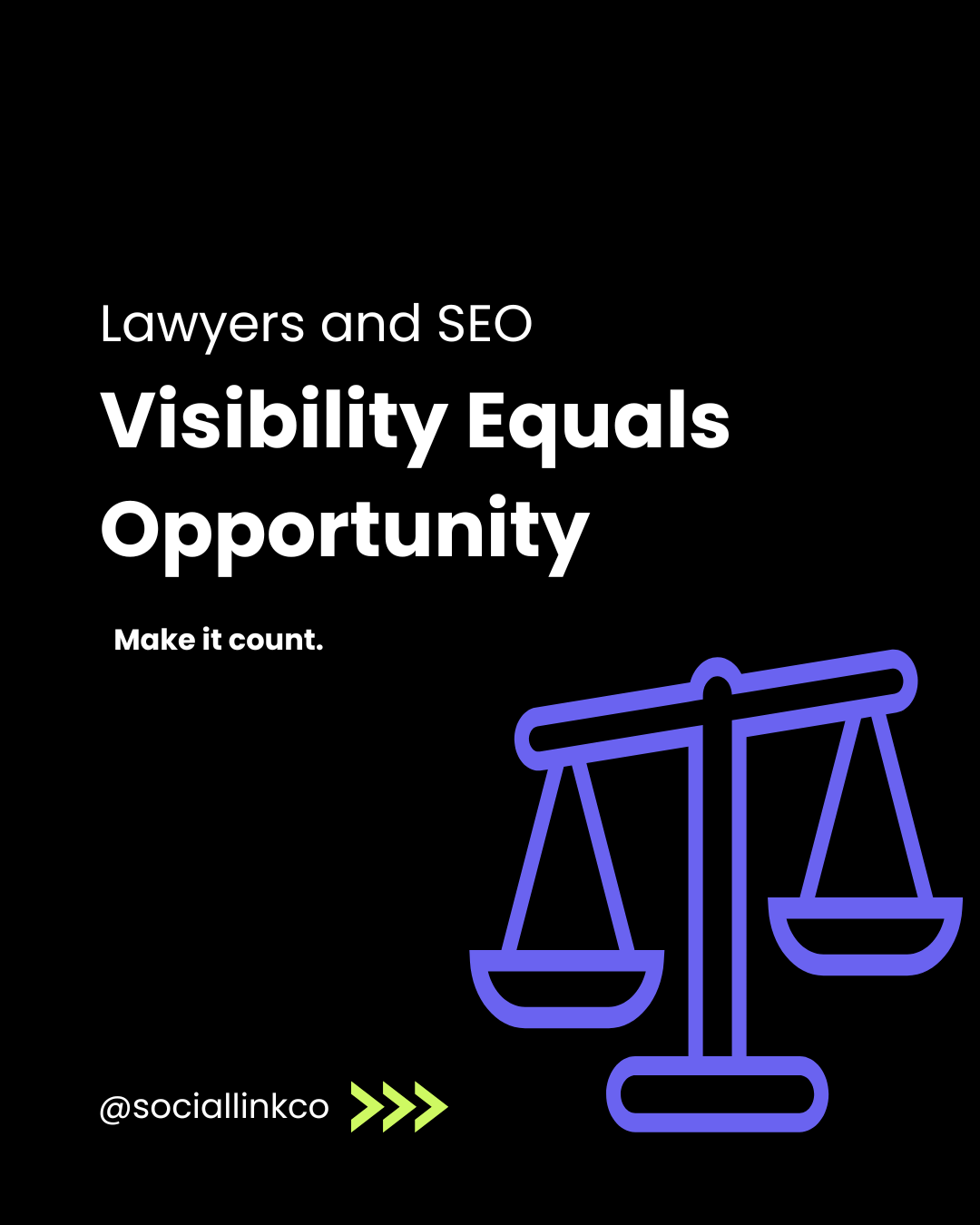
Lawyers and SEO

The Key to Winning Clients Online

In today’s digital-first world, lawyers and SEO are more connected than ever. The majority of clients no longer flip through the phone book or rely solely on referrals. Instead, they turn to Google. In fact, nearly 96% of people search online before choosing a lawyer, and most never scroll past the first page of results. If your firm is not visible in those top spots, you are losing clients to competitors who are.

Why SEO Is Critical for Lawyers

Search Engine Optimization (SEO) is the process of improving your website’s visibility in search results. For law firms, this means showing up when potential clients type queries such as “divorce lawyer near me” or “best personal injury attorney.” Unlike paid ads, SEO builds long-term authority, trust, and consistent client flow.

Investing in SEO helps lawyers:

  • Dominate local searches with optimized Google Business Profiles and location-based keywords.
  • Build authority by publishing high-value content that answers client questions.
  • Capture clients in key moments when they are actively seeking legal help.
  • Stay competitive in one of the most saturated online industries.

SEO Challenges in the Legal Space

The legal field is one of the toughest niches for SEO. Keywords like “car accident lawyer” or “criminal defense attorney” are highly competitive. On top of that, law firms must navigate strict advertising and ethical guidelines while maintaining professional credibility. Attorneys often do not have the time or resources to manage SEO on their own, which is why partnering with a digital marketing agency is essential.

Winning Strategies for Law Firms

To succeed, lawyers need SEO strategies tailored to their practice areas and markets:

  • Local SEO: Claim and optimize your Google Business Profile, target city-specific keywords, and build citations.
  • Content Marketing: Publish blogs, FAQs, and legal guides that directly answer the questions potential clients are asking.
  • Reputation Management: Encourage satisfied clients to leave reviews that improve both rankings and trust.
  • Technical SEO: Ensure your website is fast, secure, mobile-friendly, and easy to navigate.

For more resources on how we help law firms grow with SEO and digital marketing, visit our Law Firm Marketing Blog.

The Bottom Line on Lawyers and SEO

Law is competitive, but the opportunity is significant for firms that take SEO seriously. Lawyers who invest in search optimization gain visibility, credibility, and steady client acquisition. At Social Link, we help attorneys rise above the noise with proven SEO strategies designed for the legal industry.

Ready to take the next step? Request a meeting and chat with us to see how SEO can position your firm as the first choice in your market.

When it comes to lawyers and SEO, visibility equals opportunity.

Categories
Digital Marketing

How AI Shopping Agents Are Transforming Ecommerce

Introduction

Artificial intelligence is no longer a futuristic concept. It is here, and it is transforming industries at a rapid pace. One of the most exciting and disruptive developments in ecommerce is the rise of AI shopping agents. These autonomous digital assistants are designed to search, compare, and even purchase products on behalf of consumers.

For everyday shoppers, this is the promise of unparalleled convenience. Imagine telling an AI, “Find me the best pair of running shoes under $150 in my size, available today with free shipping.” Within seconds, the agent can deliver options, compare reviews, and complete the purchase without you needing to click through dozens of websites.

For marketers and business owners, however, this trend represents both a challenge and an opportunity. The challenge is clear: traditional search engine optimization (SEO) tactics alone will not guarantee visibility in a world where AI does the searching for the consumer. The opportunity is equally exciting: brands that adapt early to AI-first discovery methods will be able to reach consumers in ways that were not possible before.


What Are AI Shopping Agents?

AI shopping agents are intelligent systems powered by machine learning and natural language processing. They act as digital personal shoppers, capable of understanding user intent, scanning massive amounts of product data, and making recommendations or purchases automatically.

Big tech companies like OpenAI, Google, Microsoft, and Amazon are actively building these tools into their platforms. For example, Microsoft has already integrated AI shopping capabilities into Bing and Edge, while Google continues to refine its Shopping Graph to serve results that feel more personalized and predictive.

Unlike traditional search engines that return a list of results, AI shopping agents can go a step further by narrowing options, filtering based on nuanced preferences, and even managing transactions. This marks a major shift in how consumers interact with ecommerce.


Why AI Shopping Agents Matter for Consumers

The appeal of AI shopping agents for consumers is easy to see. People already want faster, more convenient ways to shop online, and AI delivers that in several key ways:

Personalization at Scale

AI agents can analyze past purchases, browsing behavior, and stated preferences to make highly personalized recommendations. A sneaker enthusiast might receive suggestions about upcoming releases in their size, while a parent shopping for back-to-school supplies could see curated bundles tailored to their budget.

Time-Saving Convenience

Instead of spending hours comparing prices across multiple sites, consumers can rely on AI agents to do the work in seconds. This convenience is particularly appealing in categories like travel, fashion, or electronics, where comparison shopping is common.

Smarter Decision Making

AI shopping agents can surface reviews, ratings, and expert insights to guide better purchasing decisions. By analyzing sentiment data and highlighting trusted sources, they reduce the risk of buyer’s remorse.

Seamless Transactions

Some AI agents can complete purchases without requiring the user to visit a retailer’s website at all. This creates a smooth, one-step experience that eliminates friction in the buying process.


Why AI Shopping Agents Matter for Marketers

While consumers gain convenience, marketers face a new reality. AI shopping agents fundamentally change how products are discovered, compared, and purchased.

Visibility Depends on Structured Data

In a traditional search model, a human types a query into a search engine and browses through results. In an AI-first world, agents interpret structured product data to decide what to recommend. If your product data is incomplete, inconsistent, or not machine-readable, your brand may not even appear in the conversation.

Context Matters More Than Keywords

While keywords will always play a role in digital marketing, AI agents care more about semantic context. For example, a shopper might ask for “the best sustainable sneakers for running in hot weather.” Agents need content that clearly addresses sustainability, material breathability, and running performance. Marketers who only optimize for “running shoes” risk being invisible in this scenario.

Metadata Is Mission-Critical

Well-structured metadata has always been important for SEO, but now it is essential for AI discovery. Clear product titles, descriptions, attributes, and category tags help AI agents accurately classify and surface your offerings.

Performance and Accessibility Cannot Be Ignored

AI agents may prioritize sites that load quickly, have accessible designs, and meet technical best practices. A slow or poorly optimized site could result in your products being overlooked, even if your content is strong.


Opportunities in an AI-Driven Marketplace

Although these shifts may seem daunting, they also create significant opportunities for brands that adapt.

First-Mover Advantage

Just as early adopters of SEO or social media marketing enjoyed outsized returns, businesses that embrace AI shopping agents early will gain a competitive edge. By preparing your content, metadata, and site structure for AI-first discovery, you can ensure your brand remains visible as the landscape evolves.

Enhanced Customer Experience

Optimizing for AI does not only benefit machines. It improves the overall customer experience. Structured data makes it easier for consumers to compare products, semantic content provides more clarity, and better performance ensures smoother browsing.

New Avenues for Personalization

AI shopping agents thrive on rich, contextual data. By providing this data, marketers open doors to deeper personalization. This means more relevant recommendations, higher customer satisfaction, and stronger brand loyalty.


How to Prepare Your Brand for AI Shopping Agents

The good news is that businesses can start preparing today. Here are key steps you can take to ensure your brand remains competitive in an AI-driven marketplace:

Audit Your Product Data

Make sure all product information is complete, accurate, and structured in a way that AI can easily interpret. Use schema markup and standardized attributes to improve discoverability.

Create Semantic-Rich Content

Move beyond keyword stuffing. Write product descriptions and content that answer real consumer questions and provide context. Consider user intent and build content that reflects natural language queries.

Optimize Metadata and Categories

Ensure all metadata is consistent across platforms. Product titles, categories, and tags should be clear and descriptive. Avoid abbreviations or vague terms that may confuse AI systems.

Improve Technical Performance

Fast load times, mobile optimization, and accessibility features are not optional. Invest in technical SEO and user experience improvements to make your site more appealing to both humans and AI.

Monitor Emerging Standards

New tools like llms.txt are emerging to help websites communicate directly with AI systems. Stay informed about these developments and adopt best practices early.


The Future of Ecommerce with AI

The rise of AI shopping agents signals a future where the consumer journey may begin not with a Google search or a social media ad, but with an AI prompt. This does not mean traditional marketing channels will disappear, but it does mean that strategies need to evolve.

Marketers must start thinking about AI as both an audience and a gatekeeper. If your brand cannot be easily interpreted by AI, it risks being invisible to the consumers who rely on these tools.

At the same time, AI creates opportunities for greater efficiency, deeper personalization, and new forms of consumer engagement. Businesses that lean into these opportunities will not only survive this shift but thrive in it.

For more insights into how AI is already changing marketing, take a look at our article Why AI-Powered Marketing Isn’t Just Buzz, It’s a Competitive Advantage.


Final Thoughts

AI shopping agents are not just a trend. They are the next major evolution of ecommerce. Consumers will benefit from greater convenience, while businesses will face new pressures to optimize for AI-first discovery.

At Social Link, we believe this moment represents both a challenge and an opportunity. The challenge is adapting to new technical requirements and marketing strategies. The opportunity is reaching consumers in ways that were unimaginable even a few years ago.

The question is simple: Is your brand ready for a world where your next customer may come through an AI shopping agent rather than a traditional search engine?

If you are ready to future-proof your digital strategy, our team at Social Link is here to help. Submit a request here and let’s explore how we can position your brand for success in an AI-native world.

For additional insights, read the full coverage from the Financial Times: Rise of AI shopping ‘agents’ set to transform ecommerce.

Categories
Digital Marketing Non-Profit Video Marketing

Nonprofit Video Marketing with Google Ad Grants: Amplify Your Mission

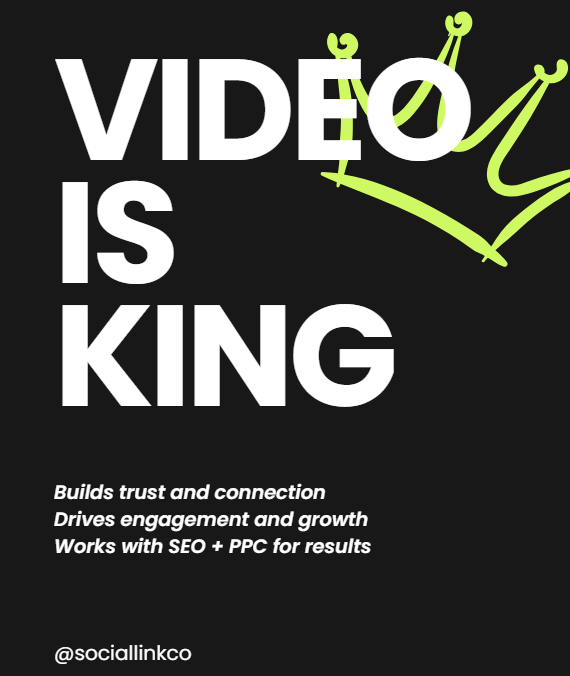
Video is king in today’s digital world. For nonprofits, it is more than just content. It is a storytelling tool that builds trust, inspires donors, and drives impact. When combined with Google Ads and funded through a Google Ad Grant, video becomes a powerful driver of awareness and growth.

To see the kind of video work that inspires action, check out our Social Link highlight reel.


Why Video Marketing Matters for Nonprofits

Video brings your mission to life in ways that text cannot.

  • Builds trust and credibility: Show the real stories behind your work
  • Drives higher engagement: Video earns more attention and shares on social media
  • Inspires action: Emotionally powerful video encourages donations, volunteering, and advocacy
  • Maximizes reach: A single video can be used across your website, email campaigns, and social platforms

By investing in nonprofit video marketing, you can connect with supporters on a deeper level and encourage lasting involvement.


How Google Ads Amplifies Nonprofit Video Marketing

Producing a video is only the beginning. Getting the right people to see it is what creates real momentum.

With Google Ads, nonprofits can:

  • Promote videos to audiences actively searching for causes like yours
  • Drive traffic to donation pages, sign-up forms, or event registrations
  • Target supporters by location, interest, or intent for maximum impact

When paired with video, Google Ads ensures your story is not only told but also seen by the people most likely to take action.


What is the Google Ad Grant?

The Google Ad Grants program provides eligible nonprofits with up to $10,000 per month in free ad spend. That means your nonprofit can:

  • Advertise videos without straining your budget
  • Increase awareness, visibility, and engagement
  • Compete with larger organizations online, even with limited resources

Want a full breakdown of how the program works? Read our guide: Google Ad Grants for Nonprofits in 2025.


How Social Link Helps Nonprofits Succeed

At Social Link, we specialize in helping nonprofits unlock the power of video marketing with Google Ad Grants. Here is how we support you:

✅ Produce compelling nonprofit videos that tell your story authentically
✅ Apply for and manage your Google Ad Grant to secure up to $10,000 monthly
✅ Build and optimize Google Ads campaigns that promote your videos to the right audiences
✅ Pair video campaigns with SEO and PPC strategies for long-term growth and short-term wins

Our goal is to help nonprofits amplify their mission, attract more donors, and make a greater impact.


Final Thoughts

Video is king for nonprofits. Its true power comes when paired with Google Ads and supported by the Google Ad Grant. With the right strategy, nonprofits can expand their reach, increase donations, and inspire more people to get involved.

If your organization is ready to take the next step, we would love to chat. Request a proposal and let’s create video marketing campaigns that are inspiring, funded, and amplified with Google Ad Grants.

Categories
Blog Online Marketing SEO Tips and Tricks

From Zero to Hero: Turn Blog Content into Consistent Leads

Introduction

In a crowded online marketplace, it’s easy for a small boutique to feel invisible. When you’re competing against well-established brands and big-box retailers, capturing attention—and turning that attention into actual leads—can seem like an uphill battle. Yet, one boutique defied the odds and transformed its fortunes using a surprisingly accessible tool: blog content.

This success story demonstrates how consistent, well-structured blog posts can convert casual readers into paying customers. From identifying the right audience to refining a content strategy and measuring success, we’ll walk you through the boutique’s journey—from zero leads to a thriving client roster fueled by their blog.


Setting the Scene: A Boutique in the Shadows

Before implementing their content strategy, this local boutique’s website rarely saw more than a handful of visitors a day. Random product updates and occasional social media posts weren’t enough to generate real interest. Prospects didn’t understand what made this boutique special, and with no compelling online presence, they had no reason to inquire further.

The owners knew they needed a change. They began to wonder: Could blogging—something they’d dismissed as time-consuming and unprofitable—be the key to standing out?


The Strategy: Consistent, Value-Driven Blog Content

1. Identifying a Niche

The boutique specialized in handcrafted home décor and locally sourced accessories. Instead of producing generic fashion and décor posts, they focused on hyper-relevant topics:

  • Home Styling Tips for Small City Apartments
  • Local Artisan Spotlights: Meet the Makers Behind Our Products
  • Seasonal Décor Guides That Won’t Break the Bank

By narrowing their scope, the boutique appealed directly to shoppers interested in unique, sustainable, and community-oriented products.

2. Creating an Editorial Calendar

Consistency was crucial. The boutique committed to publishing at least two blog posts per month. They planned posts around seasonal trends, local events, and new product launches. This rhythm ensured a steady stream of fresh content, gradually building trust and anticipation among readers.

3. Incorporating SEO Best Practices within Blog Content

They didn’t just write interesting articles—they optimized them. Using relevant keywords (e.g., “handcrafted home décor [City Name]”), descriptive title tags, and meta descriptions, the boutique’s content started appearing in local search results. Internal links directed readers to product pages, and visually appealing images with keyword-rich alt text improved the site’s discoverability.


Overcoming Challenges: From Crickets to Comments

At first, the results were modest. A handful of readers left encouraging comments, and a few customers mentioned discovering the boutique after reading their blog. To amplify these early gains, the boutique adjusted and refined their approach:

  • Promoting Posts on Social Media: They shared new blog entries across their Instagram, Facebook, and LinkedIn pages, tagging local partners and encouraging community engagement.
  • Responding to Feedback: When readers asked questions in the comment section, the boutique responded promptly. Listening to feedback led them to cover topics their audience cared about most—like sustainable materials and vendor backstories.
  • Collaborating with Local Influencers: Inviting local interior designers and décor enthusiasts to guest-post or share articles extended the boutique’s reach. Cross-promotions tapped into new audiences already interested in artisanal products.

The Results: Leads That Flow Steadily

Over time, the boutique’s blog became a go-to resource for anyone seeking design inspiration or curious about local artisans. Monthly traffic soared from a few dozen unique visitors to several hundred, and crucially, more of these visitors were completing inquiry forms, signing up for the boutique’s newsletter, and making purchases online.

A few standout metrics:

  • Lead Conversion Rates: Website inquiries increased by over 300% within six months.
  • Customer Engagement: Time-on-page for blog posts averaged two minutes—indicating readers found the content engaging and relevant.
  • Sales Growth: Products featured in blog posts regularly sold out faster than items that weren’t highlighted.

The boutique owners realized they no longer needed to rely solely on paid ads or flash sales. Their blog had become a sustainable, low-cost lead generation engine.


Actionable Takeaways for Your Business

The lessons learned from this boutique’s journey can be applied to almost any local or niche business:

  1. Know Your Audience: Identify what your customers care about most and focus your content accordingly.
  2. Be Consistent: Even a modest publishing schedule (like twice a month) can build momentum and keep your brand top-of-mind.
  3. Optimize for Search: Simple SEO best practices—keywords, internal linking, quality images—help prospective customers find your content.
  4. Engage with the Community: Promote your posts across social media, respond to feedback, and collaborate with industry influencers. Building relationships adds credibility and extends your reach.
  5. Measure and Adapt: Track metrics like time-on-page and inquiry rates. Use data to refine your content strategy, doubling down on what works and tweaking what doesn’t.

How Social Link Can Help with Blog Content

Executing a successful content strategy can feel overwhelming, especially if you’re starting from zero. Social Link offers the guidance, strategy, and hands-on support you need to turn your blog into a lead-generating powerhouse:

  • Content Strategy Development: We’ll identify topics that resonate with your target audience, ensuring your blog stands out from the competition.
  • SEO and Keyword Research: Our team will pinpoint the best keywords, metadata, and internal link structures to elevate your search visibility.
  • Consistency and Quality Assurance: We’ll help you maintain a steady content calendar, producing well-researched, on-brand posts that keep readers engaged.
  • Analytics and Performance Tracking: By monitoring key metrics, we’ll show you where your strategy is working—and how to improve over time.

With Social Link’s support, you can transform your blog from an underutilized page into a pipeline of steady, qualified leads.


Conclusion

This boutique’s evolution from near-invisible to in-demand is a reminder that content, when done right, can be a game-changer for small businesses. By focusing on audience needs, committing to consistency, and optimizing every piece for maximum impact, you can turn your blog into a powerful lead-generation tool.


Ready to write your own success story? Contact Social Link for a personalized consultation and discover how strategic blogging can take your business from zero to hero in no time.

Categories
Digital Marketing PPC Sales

New Year, New Leads: Kickstart 2025 with a Winning Paid Search Campaign

Imagine your small business entering 2025 with a fresh, impactful strategy to attract new customers. Whether you run a boutique gym, local café, or home service company, paid search advertising is your ticket to growth.

With Social Link’s lead generation services, you can set up campaigns that deliver measurable results. This guide outlines the steps to set up a local paid search campaign to connect you with ready-to-buy customers in your area.


Step 1: Define Your Goals and Budget

Before diving into the technical details, start with a clear plan.

Key Considerations:

  • Campaign Objective: Decide whether you’re focusing on phone calls, store visits, or online bookings.
  • Monthly Budget: Allocate a realistic budget, even if it’s modest, to kickstart your efforts.
  • Geographic Targeting: Choose a specific radius or neighborhood for targeting.

Why It Matters:

Well-defined goals and budgets ensure every aspect of your campaign aligns with attracting qualified leads efficiently. If you’re unsure where to start, consider requesting a customized proposal from Social Link.


Step 2: Conduct Local Keyword Research

Keywords are the backbone of your paid search strategy.

How to Get Started:

  • Brainstorm Core Terms: Think of terms like “gym near me” or “fitness classes in [City].”
  • Use Keyword Tools: Use platforms like Google Keyword Planner to analyze related terms.
  • Focus on Local Modifiers: Include location-specific phrases to target nearby audiences effectively.

The Outcome:

A list of localized, high-intent keywords ensures your ads are shown to prospects who are actively searching for your services. Learn more about the power of targeting the right audience with Social Link’s lead generation expertise.


Step 3: Create Your Ad Groups and Ad Copy

A structured campaign is key to success.

Action Steps:

  • Organize by Service or Product: Separate ad groups for specific offerings, such as “Personal Training” or “Yoga Classes.”
  • Write Enticing Ad Copy: Highlight unique selling points and include CTAs like “Call Now” or “Sign Up Today.”
  • Include Location Cues: Reassure prospects by mentioning your city or neighborhood in the ad copy.

Result:

Well-organized ad groups paired with compelling ad text boost engagement and drive meaningful clicks.


Step 4: Set Bids and Apply Targeting Options

Precision targeting ensures your budget works harder.

Consider the Following:

  • Geo-Targeting: Narrow your reach to focus on local customers.
  • Ad Scheduling: Display ads during peak hours when your audience is most active.
  • Bidding Strategies: Start with automated options and refine as you gather data.

Impact:

Efficient targeting maximizes ROI by connecting with high-intent prospects. If you’re ready to refine your strategy further, explore our lead generation services.


Step 5: Add Ad Extensions and Local Details

Make your ads more engaging and actionable with extensions.

Recommended Extensions:

  • Location Extension: Showcase your address for easy navigation.
  • Call Extension: Allow users to call directly from the ad.
  • Sitelink Extensions: Direct prospects to specific website pages, like pricing or schedules.

Why It Helps:

Ad extensions enhance visibility and user convenience, increasing engagement rates.


Step 6: Track Conversions and Analyze Performance

Measure your success to optimize for the future.

Key Metrics:

  • Conversion Tracking: Use tools like Google Analytics to measure outcomes.
  • Click-Through Rate (CTR): Gauge ad relevance and user interest.
  • Cost per Conversion (CPC): Determine how much each lead costs to optimize your spend.

Continuous Improvement:

Regular analysis and adjustments keep your campaign efficient and effective. Partner with Social Link’s team to refine and scale your efforts.


Step 7: Scaling and Refining Your Campaign

Once you’ve gained traction, it’s time to scale.

Expansion Ideas:

  • Add More Ad Groups: Create campaigns for niche services or seasonal promotions.
  • Test New Keywords: Experiment with event-based terms like “New Year deals.”
  • Geographic Adjustments: Expand your radius to include additional areas.

Benefits:

Scaling your campaign keeps it dynamic and aligned with evolving customer needs.


Embracing AI and Automation in 2025

AI tools like machine learning algorithms are transforming paid search campaigns. Tools such as Google Ads’ Performance Max use AI to optimize placements, bids, and creative assets automatically, improving efficiency.

Why It Matters:

Adopting AI streamlines campaign management and allows you to stay ahead of competitors. (Search Engine Land article on PPC trends for 2025)


How Social Link Can Help

Launching a paid search campaign is manageable, but optimizing it for maximum ROI requires expertise.

What We Offer:

  • Strategy and Setup: Clear goal definition and precise targeting.
  • Ad Optimization: Crafting compelling copy and extensions for local relevance.
  • Data-Driven Refinements: Continuous analysis for sustainable growth.

Scaling for Success:

With Social Link’s hands-on support, your campaign will be poised for long-term success, turning clicks into loyal customers.


Conclusion

Starting 2025 with a focused paid search campaign can set the stage for a year of growth. By following this guide, you’ll effectively attract local leads, convert interest into action, and achieve your business goals.

Ready to dominate local search in 2025? Contact Social Link today for expert assistance in launching a campaign that delivers measurable results.

Categories
Digital Marketing Online Marketing

The Role of Resolutions: How Brands Can Tap into New Year’s Goals

The New Year is the ultimate season for fresh starts, bold ambitions, and setting goals. For brands, this period presents an incredible opportunity to connect with consumers. With millions of people setting New Year’s resolutions—whether it’s getting in shape, improving finances, or developing new skills—businesses can align their products and services to support these aspirations. By addressing these goals, brands can craft authentic campaigns that resonate deeply with their audience.


Why New Year’s Resolutions Are a Marketing Goldmine

Every January, people across the globe set resolutions that reflect their goals and challenges for the coming year. This creates a prime opportunity for brands to position their products and services as tools for achieving these goals. From fitness and financial growth to personal development, aligning your offerings with these aspirations can boost brand relevance and build trust with your audience.

For example, studies have shown that fitness resolutions are among the most common goals people set each year, creating a natural fit for health and wellness brands. Similarly, marketers can explore the psychology behind New Year’s resolutions to craft campaigns that motivate and inspire action. Brands that show genuine support for these resolutions not only foster loyalty but also drive sales during this optimistic season.


Aligning Your Brand with Popular Resolutions

1. Fitness and Wellness Goals

Staying active and improving health are among the most popular resolutions. Businesses in the fitness and wellness sectors can use this opportunity to engage with consumers who are ready to make a change.

Fitness gear brands can promote “New Year, New You” sales, while gyms might offer discounted memberships to encourage sign-ups. Wellness apps like meditation platforms can highlight how starting the year with a clear mind can set the tone for success. According to Shape, fitness-related resolutions are not only common but also highly motivating for consumers.

If your business is exploring these strategies, you might also find value in learning how to craft a perfect New Year’s marketing campaign.


2. Financial Planning and Savings Goals

Improving financial health is another frequent resolution for the New Year. Personal finance apps can highlight tools for budgeting and saving, while banks might offer incentives for opening savings accounts. Financial advisors could host free webinars on how to set realistic financial goals.

To understand what motivates these resolutions, NerdWallet provides helpful tips on creating effective financial strategies. Adopting digital marketing tips tailored to financial services for businesses in this niche can amplify your reach.


3. Skill Development and Learning

Learning new skills or improving professional expertise is another common resolution. Platforms offering online courses can promote discounted classes on in-demand topics like coding, design, or leadership development. Career-focused brands can also use free resources, such as eBooks or webinars, to attract and nurture leads.

As online learning trends continue to grow, brands can draw inspiration to stay ahead of the curve. Additionally, offering engaging educational content can help you reach new audiences effectively.


4. Personal Development and Mental Health

From better time management to reducing stress, personal growth is a key resolution for many. Journaling brands, for example, can position their planners as essential tools for tracking progress and achieving goals. Mental health platforms might offer free trials to encourage exploration of their services, while productivity apps can emphasize the importance of staying organized for success.

For insights into why these resolutions resonate, Psychology Today delves into the science of goal setting and self-improvement. On your own platform, sharing mindfulness and productivity marketing tips can keep audiences engaged.


Best Practices for New Year’s Resolutions Marketing

  1. Be Inspirational: Create uplifting campaigns that inspire confidence and excitement for the year ahead.
  2. Leverage Personalization: Use data to craft messages tailored to individual needs. For instance, an email might feature resolutions like “Save More in 2024 with [Brand Name].”
  3. Show Tangible Results: Include testimonials, success stories, and case studies to highlight how your brand delivers on promises.
  4. Create Urgency: Time-limited promotions like “Start the Year Right – Offer Ends Soon!” can drive conversions.

Measuring Campaign Success

Track your campaign’s effectiveness using these metrics:

  • Conversion rates on resolution-focused offers.
  • Engagement on social media (likes, shares, and comments).
  • Website traffic from related promotions.

Aligning Your Brand with Resolutions

By connecting your brand to New Year’s resolutions, you can foster meaningful relationships with your audience. Whether it’s helping them achieve fitness goals, master their finances, or develop new skills, your products and services can become essential tools for success. With a thoughtful strategy, New Year’s resolutions marketing can pave the way for a prosperous year—for both your business and your customers.

Categories
Digital Marketing

The Digital Transformation of Holiday Marketing: From Print to Pixels

Holidays are a big deal for businesses trying to connect with people. For years, companies have been using ads to get shoppers excited about the season. But how businesses reach people has changed a lot over time. In the past, they used newspapers and billboards. Now, they use things like social media, email, and websites. These changes have made holiday marketing more personal, fun, and creative.

Let’s take a look at how holiday marketing has grown from simple print ads to the digital strategies we see today. These changes have not only helped businesses but also made holiday shopping easier for all of us.


The Early Days: Old-School Holiday Marketing

Before computers and smartphones, businesses used print ads to talk to shoppers. Newspapers were packed with holiday deals, coupons, and big announcements. Families would sit around and clip out the ads they liked. Billboards were also important. If you drove by one, you’d see bright colors and catchy messages about holiday sales.

But there was a problem with these old-school ads. They were made for everyone, so they didn’t feel personal. Businesses couldn’t know if the ads worked or how many people bought something because of them. They just had to hope for the best.

Fun fact: Coca-Cola used early holiday ads to make Santa Claus popular. You can read more about it here.


The Internet Changed Everything

When the internet became popular, holiday marketing started to change. Social media platforms like Facebook and Instagram became super important. Businesses could now talk directly to people through posts, ads, and comments.

Social media made ads more personal. For example, businesses could show you a gift idea based on something you liked or searched for online. They could also create fun contests, share countdowns to the holidays, and post behind-the-scenes videos to get people excited.

Online shopping also made a huge difference. People could buy gifts without leaving their homes. Businesses started using email to send special deals straight to your inbox. They even began tracking what you looked at online to show you ads for those items later.

Want to create fun videos for your holiday campaigns? Check out Social Link’s video services.


Making It Personal

One of the coolest things about modern holiday marketing is how personal it has become. Businesses now have tools to learn what you like, what you’ve bought before, and what you might want to buy next. This helps them show you ads and deals that match your interests.

For example, if you like snowboarding, you might see ads for snowboards or winter jackets. Or if you’ve been searching for toys, you’ll get ads for the hottest toys of the season. This is called personalization, and it makes shopping feel more special.

Want to build a holiday marketing plan? See how Social Link’s marketing strategy services can help.


Interactive Campaigns: Getting You Involved

Modern holiday ads are not just something you watch—you can join in, too! For example:

  • Instagram stories let you vote on your favorite holiday looks.
  • Snapchat filters turn your face into a reindeer or Santa.
  • Some brands even have games you can play to win prizes.

These activities make ads more fun and help people feel closer to the brands. Some companies also ask shoppers to share their holiday pictures using a special hashtag. When people share these photos, it spreads holiday cheer and makes more people notice the brand.


Faster Shopping = Happier Shoppers

These days, shopping is faster than ever. Thanks to quick shipping, you can buy something online and get it in just a few days. Stores like Amazon even offer same-day delivery!

Some stores let you order online and pick up your items at a nearby shop. This makes it easy to get what you need without waiting too long. This mix of online and in-store shopping makes holiday shopping less stressful.


Why Digital Marketing is Great for Holidays

Moving from print ads to digital campaigns has helped businesses in big ways:

  • Better Tracking: Companies can see which ads work and which don’t.
  • More Personal: They can show you things you actually want to buy.
  • Faster Communication: Brands can talk to shoppers in real time through social media.

For shoppers, it’s all about convenience. You can shop from home, find the best deals online, and even interact with your favorite brands in fun ways.

Want to make your business ready for this digital world? Learn more about Social Link’s marketing services.


The Future of Holiday Marketing

Holiday marketing has come a long way, and it’s not slowing down. Technology will keep changing the way businesses connect with shoppers. In the future, we might see even more fun and creative ways to shop, like virtual reality stores or AI-powered gift suggestions.

For now, businesses can focus on creating meaningful, personal, and memorable holiday campaigns. And shoppers? They can enjoy the convenience and excitement that come with it.

Categories
Branding Digital Marketing Video Marketing

The Rise of the Holiday TV Commercial: How Classic Ads Shaped Consumer Behavior

Holiday commercials have become a beloved tradition, sparking nostalgia, fostering emotional connections, and significantly influencing consumer behavior. From early iconic TV ads to the modern, emotionally driven holiday commercials that dominate social media, these campaigns have reshaped how we view gift-giving, shopping, and even holiday traditions. But what makes these ads so impactful?

This blog explores the history of holiday TV ads, their cultural influence, and what marketers can learn from their success. Along the way, we’ll highlight brands like Coca-Cola, John Lewis, Hershey’s, and M&M’s that mastered the art of storytelling to create unforgettable holiday moments.


The Emotional Connection: How Holiday Ads Tap Into Nostalgia

The most successful holiday commercials are those that stir deep emotions, often using nostalgia, warmth, and togetherness to resonate with audiences. For example, the John Lewis Christmas commercials in the UK have set a gold standard in emotional marketing. Beginning in 2007, these annual campaigns often tell heartfelt stories paired with soft, evocative music.

Classic examples like The Bear and the Hare (2013) and Man on the Moon (2015) illustrate how these ads make the holidays feel personal and magical. These campaigns don’t just promote products—they evoke a feeling.

For marketers, this is a reminder that emotional storytelling creates strong brand loyalty. Whether through touching visuals or compelling music, connecting with viewers on an emotional level ensures long-term engagement.


The Power of Simplicity: Hershey’s Kisses Bells

Simplicity often outshines complexity, and Hershey’s Kisses proved this with their 1989 ad featuring “We Wish You a Merry Christmas.” The ad, showing Hershey’s Kisses ringing like bells, has remained a staple of holiday advertising for over three decades.

The success of this ad lies in its minimalism. It uses a straightforward concept to build an emotional association with the holidays, demonstrating that less is often more. For brands overwhelmed by the competitive holiday landscape, this is a powerful lesson.

To create impactful videos like Hershey’s, consider working with experts to bring your vision to life. Visit Social Link’s video production services for creative support.


Humor and Whimsy: M&M’s Holiday Magic

Humor can be just as powerful as sentimentality. The iconic M&M’s Christmas Commercial featuring the animated M&M characters provides a lighthearted take on holiday traditions.

This approach works because it appeals to a broad audience, making the holiday season feel approachable and fun. Incorporating humor can help brands stand out in a crowded marketplace, offering a memorable and relatable message that viewers are eager to share.


Building Holiday Traditions: Coca-Cola’s Iconic Campaigns

Coca-Cola has been a leader in holiday advertising for decades, from the Coca-Cola Santa Claus campaign to the Holiday Truck commercials. Coca-Cola’s ability to weave its brand into the holiday season is unmatched.

The Coca-Cola Santa Claus campaign is particularly noteworthy for how it redefined Santa Claus’s modern image. By associating their brand with the warmth, joy, and generosity of the season, Coca-Cola created a campaign that became a holiday tradition. To learn more about this iconic campaign, check out our blog on Coca-Cola’s Santa Claus.

Marketers aiming to replicate such success need a strong campaign strategy. Learn how Social Link can help you build a strategic plan that connects with your audience and drives results.


The Role of Music in Holiday Ads

Music is an integral part of holiday commercials, often elevating their emotional impact. The John Lewis Christmas ads are famous for pairing touching visuals with nostalgic songs like “Somewhere Only We Know.”

The right music can make an ad unforgettable, leaving a lasting impression that viewers associate with the brand for years to come. For marketers, this is a reminder to prioritize sound design when crafting campaigns.


Key Lessons for Modern Marketers

Holiday TV commercials offer timeless lessons for today’s marketers:

  1. Evoke Powerful Emotions: Align your campaign with emotions like nostalgia and joy.
  2. Simplify Your Message: Simplicity often resonates more than elaborate concepts.
  3. Use Humor Wisely: Humor can make your brand relatable and memorable.
  4. Build Traditions: Create ads that become a part of your audience’s holiday season.

At Social Link, we specialize in crafting emotionally resonant campaigns, from strategic planning to video production. Let us help you bring your brand’s holiday vision to life. Visit our Marketing Strategy page to get started.


Conclusion: The Enduring Power of Holiday Commercials

The rise of the holiday TV commercial is a testament to the power of storytelling, nostalgia, and emotional connection. Brands like Coca-Cola, John Lewis, and Hershey’s have shown us that great holiday ads are more than just marketing—they’re cultural moments.

As you plan your next campaign, draw inspiration from these iconic commercials. By crafting a meaningful, memorable story, your brand can create a holiday tradition that resonates with audiences for years to come.

Categories
Branding Digital Marketing

Coca-Cola’s Santa Claus: Redefining a Cultural Icon

When it comes to holiday marketing, few campaigns have left as indelible a mark as the Coca-Cola Santa Claus campaign. In the 1930s, Coca-Cola’s partnership with artist Haddon Sundblom not only revolutionized advertising but also forever changed how the world envisions Santa Claus. This legendary Coca-Cola Santa Claus campaign is a masterclass in branding, cultural influence, and emotional storytelling. Here, we delve into its history, impact, and the lessons modern marketers can draw from its enduring success.


The Birth of Coca-Cola’s Santa

Before Coca-Cola’s campaign, Santa Claus’s image was inconsistent. Some depictions showed him as a tall, thin figure, while others portrayed him as a small, elf-like character. In 1931, Coca-Cola set out to create a version of Santa that embodied their brand values of warmth, happiness, and refreshment.

To achieve this, Coca-Cola commissioned Haddon Sundblom, an artist renowned for his vibrant and lifelike illustrations. Inspired by Clement Clarke Moore’s poem “A Visit from St. Nicholas” (commonly known as “‘Twas the Night Before Christmas”), Sundblom painted Santa as a jolly, plump figure in a red suit with twinkling eyes and a warm smile. The resulting image captured the magic of the holidays and was an instant success.

Explore the official history of Coca-Cola’s Santa and browse archived illustrations here.


Why It Worked

  1. Emotional Connection
    Coca-Cola’s Santa embodied the spirit of the holidays: generosity, joy, and togetherness. These ads went beyond selling soda—they sold the feeling of Christmas. By associating their brand with such cherished emotions, the Coca-Cola Santa Claus campaign created a lasting emotional bond with their audience.
  2. Consistency
    One of the most remarkable aspects of the campaign was its unwavering consistency. Year after year, Coca-Cola featured Sundblom’s Santa in their holiday advertisements, reinforcing their association with the festive season. This repetition established Coca-Cola as a staple of holiday traditions.
  3. Cultural Impact
    The Coca-Cola Santa Claus campaign didn’t just define the brand—it redefined Santa Claus. The red suit, jovial demeanor, and overall aesthetic became the global standard for how Santa is portrayed. By aligning their brand with a universally beloved cultural figure, Coca-Cola achieved unparalleled influence.

The Legacy of Coca-Cola’s Santa

Even decades later, the Coca-Cola Santa Claus campaign remains a powerful holiday symbol. Sundblom’s original paintings are preserved as cultural treasures, and the campaign continues to inspire marketers worldwide. Coca-Cola demonstrated how a brand could weave itself into the fabric of holiday traditions, ensuring their message resonates for generations.

Discover more about Coca-Cola’s legacy with these YouTube holiday ads and curated collections of Santa-themed memorabilia on Pinterest.


Lessons for Modern Marketers

  1. Evoke Powerful Emotions
    Align your brand with universal emotions like nostalgia, joy, and generosity. Emotional connections ensure your message endures.
  2. Maintain Consistency
    Repetition of themes, visuals, and messages helps reinforce your brand identity and builds trust with consumers. Consistency can turn your campaign into a beloved tradition.
  3. Achieve Cultural Relevance
    The most successful campaigns don’t just sell products—they shape culture. Aspire to create content that becomes an integral part of your audience’s lives and traditions.

For marketers looking to replicate this level of impact, crafting a cohesive and culturally relevant strategy is essential. Learn how Social Link can help you design campaigns that resonate by visiting our Marketing Strategy page.


How Social Link Can Help

At Social Link, we specialize in crafting marketing strategies that connect brands to their audiences through compelling storytelling and innovative campaigns. Whether you’re looking to establish a consistent brand image or create emotionally engaging content, we have the expertise to guide you.

Visit our services page to see how we can help your brand create marketing campaigns that inspire, engage, and drive results.


Conclusion

The Coca-Cola Santa Claus campaign exemplifies how advertising can transcend commerce to become a cultural phenomenon. By creating an emotional connection, maintaining consistency, and influencing cultural perceptions, Coca-Cola didn’t just sell soda—they defined the holiday season for generations.

For marketers today, this iconic Coca-Cola Santa Claus campaign offers timeless lessons on the power of creativity, emotional resonance, and strategic execution. At Social Link, we’re here to help you apply these principles and build your own unforgettable campaigns. Let’s make your brand a holiday tradition.

Categories
Digital Marketing Law Firm Marketing Web Design Web Development

Building a High-Converting Law Firm Website

In an era where most clients start their legal journey online, your law firm’s website isn’t just a digital business card—it’s a critical conversion tool. The right website design and structure can transform casual visitors into prospective clients, boosting consultations and long-term growth. On the flip side, a poorly organized site that’s hard to navigate can push leads straight into the arms of your competitors.

A high-converting law firm website blends user-friendly design, intuitive navigation, credible content, and strategic calls to action. In this post, we’ll explore the must-have features and best practices that will elevate your site from a static information hub to a powerful conversion engine. By focusing on both user experience (UX) and strategic marketing elements, you can create a website that not only looks professional but consistently drives new consultations.

A Clear, Professional Design

First impressions matter, especially in the legal world where trust and professionalism are paramount. A clean, modern design immediately signals credibility, while cluttered or outdated layouts can give prospects pause.

Key Design Elements

  • Minimalist Layout: Embrace white space and a simple color palette to keep the focus on your message and services.
  • High-Quality Imagery: Use professional headshots, office photos, and branded visuals. Avoid generic stock images that don’t resonate with your firm’s identity.
  • Consistent Branding: Your logo, typography, and color scheme should feel cohesive across all pages, reinforcing brand recognition and trust.

Mobile-First Mindset

Since a large portion of traffic now comes from smartphones, ensure your site is mobile-responsive. Pages should load quickly and display neatly on smaller screens, making it easy for visitors to call, email, or navigate anywhere, anytime.

 Intuitive Navigation & Site Structure

A well-organized website makes it easy for visitors to find what they’re looking for—whether that’s a list of practice areas, attorney bios, or your contact page.

Navigation Best Practices

  • Simple Main Menu: Limit main navigation to essential sections: Home, About, Practice Areas, Resources (e.g., Blog), and Contact.
  • Logical Hierarchy: Within your practice areas, break content into subpages (e.g., “Family Law” → “Child Custody” and “Divorce”). Clear structure helps users quickly locate relevant information.
  • Breadcrumbs & Search Functions: Provide breadcrumbs at the top of each page and consider adding a search bar. Both features help users backtrack or find specific topics easily.

A frictionless browsing experience keeps potential clients engaged and reduces bounce rates, increasing the likelihood that they’ll reach out for more information.

Attorney Bios & Team Pages

Legal matters are personal, and clients want to connect with the people behind the firm. Detailed attorney profiles can humanize your practice and highlight your expertise.

What to Include in Bios

  • Professional Credentials: List education, bar admissions, and professional affiliations.
  • Areas of Expertise: Clearly state each attorney’s practice areas and specialties, helping visitors match their legal needs to the right professional.
  • Personal Touch: Share a brief personal statement about why you practice law, your values, or community involvement. A human element can build rapport even before the initial consultation.

Featuring a group team page offers visitors an overview of your firm’s collective talent, reinforcing your ability to handle a wide range of legal issues.

Compelling Practice Area Pages

Your practice area pages are where prospective clients will learn about the services you offer and determine if you’re the right fit for their legal issue.

How to Structure Practice Area Pages

  • Problem-Solution Format: Start with the client’s main pain points (e.g., “Facing a complex divorce?”) and then detail how your expertise can help.
  • Subsections for Specific Services: Break down each service (e.g., under “Estate Planning,” include “Wills,” “Trusts,” and “Probate Guidance”).
  • Calls-to-Action (CTAs): Add prominent CTAs like “Schedule a Consultation” or “Contact Us Today” throughout the page to encourage next steps.

By addressing client concerns, showcasing your experience, and providing easy opportunities to engage, you’ll move visitors closer to contacting your firm.

Trust Signals & Social Proof

In a field where credibility is everything, trust signals can make or break conversions. Reviews, testimonials, and professional certifications all reassure visitors that your firm delivers quality results.

Types of Social Proof

  • Client Testimonials: Place short, impactful testimonials on the homepage, practice area pages, and contact pages. Select quotes that highlight specific wins or excellent client service.
  • Case Results & Awards: If ethically allowed in your jurisdiction, summarize successful case outcomes or showcase awards and recognitions from industry associations.
  • Membership Badges: Display logos of bar associations, legal organizations, or community groups you belong to. These badges serve as a shorthand for professionalism and expertise.

The more trust you build, the more comfortable prospects will feel about taking the next step.

Valuable, Educational Content

Your content should do more than just describe your services—it should demonstrate your authority, improve your SEO, and provide real value to visitors.

Types of Content

  • Blog Posts & Articles: Cover timely legal topics, FAQs, and common client questions. For instance, “What to Do After a Car Accident” or “Understanding Child Custody Laws in [City].”
  • Guides & Checklists: Offer downloadable resources (like an estate planning checklist) as lead magnets, capturing email addresses for follow-up marketing.
  • Video Explainers: Short videos breaking down complex legal concepts can keep users engaged longer, boosting dwell time and trust.

Regularly updated content not only positions your firm as an authority but also improves your search engine rankings, increasing organic traffic over time.

Clear Calls-to-Action & Contact Options

Once you’ve established your credibility and provided valuable information, make it effortless for visitors to reach out.

Best Practices for CTAs

  • Multiple Touchpoints: Place CTAs above the fold, at the end of practice area descriptions, and within blog posts.
  • Action-Oriented Language: Use direct, benefit-focused language like “Schedule Your Free Consultation” or “Contact Us for Immediate Assistance.”
  • Short Contact Forms: Keep forms minimal, asking only for essential details such as name, phone number, and brief case summary. This reduces friction and increases form submission rates.

Also, ensure your phone number is clickable on mobile devices and consider adding a live chat or chatbot feature to cater to clients who prefer instant, text-based communication.

Technical SEO & Fast Page Load Times

A well-optimized, fast-loading website enhances user experience and can improve your rankings in search results, leading to more organic traffic.

Technical Tips

  • Page Speed: Compress images, leverage browser caching, and consider a Content Delivery Network (CDN) to deliver assets quickly.
  • Mobile-Friendliness: Google prioritizes mobile-responsive sites. Test your pages on multiple devices to ensure readability and functionality.
  • Schema Markup: Add LegalService schema to help search engines understand your site’s content better, potentially improving your presence in search results.

Addressing technical factors creates a seamless experience that encourages visitors to stay longer and ultimately convert.

Ongoing Testing & Improvement

A high-converting website isn’t a one-and-done project. Continuous optimization helps you refine what works and eliminate what doesn’t.

Metrics to Track

  • Conversion Rate: Monitor the percentage of visitors who become leads. Experiment with different CTAs, form placements, or messaging to improve this metric.
  • Bounce Rate & Time on Page: High bounce rates or low dwell times may indicate that users aren’t finding what they need. Adjust your content and layout accordingly.
  • Keyword Rankings: Keep an eye on your search positions for key legal terms. If rankings dip, review your SEO strategy or update content to remain competitive.

Regularly reviewing your analytics and user feedback ensures your site evolves in tandem with client needs and industry changes.

Conclusion

A high-converting law firm website is more than a digital brochure—it’s a dynamic platform that educates, engages, and leads visitors toward meaningful consultations. By combining professional design, intuitive navigation, strong trust signals, valuable content, and strategic CTAs, you can create a user experience that encourages prospective clients to take the next step.

In the competitive legal market, every conversion counts. Invest in these must-have features and best practices to transform your website into a powerful business asset that consistently delivers new leads and drives your firm’s growth.

Categories
Non-Profit Online Marketing Tips and Tricks

2025 Guide for Nonprofits: Maximizing Google Ads Grants

In 2025, nonprofit organizations have more opportunities than ever to amplify their missions through digital channels. One of the most impactful tools available is the Google Ads Grants for Nonprofits 2025 program, which provides eligible nonprofits with up to $10,000 per month in free ad spend. However, many nonprofits struggle to fully utilize this incredible resource.

This guide will walk you through the key strategies for optimizing your Google Ads Grants for Nonprofits 2025, ensuring your campaigns drive meaningful results and maximize your organization’s impact. From keyword strategies and ad structuring to leveraging analytics, we’ll cover everything you need to know—plus provide links to essential resources from Google to help you along the way.

Understanding Google Ads Grants

Google Ads grants are a game-changer for nonprofits, offering significant ad spend to help organizations increase visibility, recruit volunteers, and boost donations. However, this program comes with specific rules and requirements.

Key Points:

  • Eligibility: Your organization must hold valid nonprofit status and meet Google’s requirements. Learn more about eligibility here.
  • Grant Limitations: The monthly cap is $10,000, with a maximum CPC of $2.00 unless you use Google’s Smart Campaigns feature.
  • Policy Compliance: Regular account activity and high-quality ads are essential to maintaining eligibility. Review Google Ads Grants policies here.

Why It Matters: Understanding the basics ensures you can maintain access to the grant and utilize it effectively.

Crafting an Effective Campaign

A successful Google Ads campaign begins with a well-defined goal and a clear understanding of your target audience.

Steps to Success:

  • Define Your Goals: Are you aiming to drive donations, promote events, or recruit volunteers? Each goal requires a tailored approach.
  • Target the Right Keywords: Focus on long-tail keywords related to your mission. For instance, a wildlife nonprofit might target “how to help endangered species” rather than “wildlife.”
  • Use Ad Extensions: Include callouts, sitelinks, and structured snippets to provide users with more information. Learn about ad extensions here.

Why It Matters: A focused campaign ensures your ads resonate with the right audience and drive actionable results.

Optimizing Ad Performance

Once your campaign is live, continuous optimization is key to making the most of your grant.

Best Practices:

  • Monitor Click-Through Rates (CTR): High CTRs improve your Quality Score, allowing you to compete better in ad auctions.
  • A/B Test Ads: Experiment with different headlines and descriptions to see what resonates best with your audience.
  • Utilize Conversion Tracking: Set up Google Analytics to track how users interact with your site after clicking your ads. Learn how to set up conversion tracking.

Why It Matters: Optimization ensures your budget is spent effectively, maximizing your ROI.

Leveraging Advanced Features

Google Ads offers advanced tools that can help nonprofits enhance their campaigns further.

Advanced Tactics:

  • Smart Bidding: Use automated bidding strategies to optimize for conversions. Explore Smart Bidding options.
  • Geotargeting: Focus your ads on specific locations to reach local supporters.
  • Remarketing: Engage previous website visitors with tailored messages. Learn about remarketing.

Why It Matters: Advanced features help nonprofits stretch their grant dollars further while improving audience engagement.

Avoid These Mistakes

  • Ignoring Policies: Noncompliance can lead to account deactivation. Stay up-to-date on Google Ads Grants policies.
  • Overlooking Mobile Optimization: Ensure your website and landing pages are mobile-friendly to avoid losing potential supporters.
  • Neglecting Ad Relevance: Low-quality or irrelevant ads can hurt performance and waste your grant budget.

How Social Link Can Help

Navigating Google Ads grants can be complex, but Social Link is here to support your nonprofit every step of the way. Our services include:

    • Grant Application Assistance: We’ll guide you through the eligibility and application process.
    • Custom Campaign Development: Our team will design campaigns tailored to your nonprofit’s goals.
    • Performance Monitoring & Optimization: We’ll track your ads’ success and make data-driven adjustments to maximize ROI.

    With our expertise and lead generation services, your nonprofit can fully leverage your Google Ads Grants for Nonprofits 2025.

    Google Ads grants are a powerful resource for nonprofits, offering unparalleled opportunities to amplify your reach and drive meaningful action. By understanding the program, crafting targeted campaigns, and leveraging advanced tools, your organization can thrive in the digital landscape of 2025.

    Ready to unlock the potential of Google Ads Grants for Nonprofits 2025? Contact Social Link today for expert guidance and support.

    Let’s make 2025 a transformational year for your nonprofit. Contact Social Link for a personalized consultation and take the first step toward maximizing your Google Ads grant.

    Categories
    Digital Marketing

    2025 Local Marketing Trends: What Businesses Need to Know

    In an increasingly hyper-local world, small and midsize businesses can’t rely solely on broad, generic strategies to stand out. As we approach 2025, successful local marketing will be less about casting wide nets and more about targeting the right customers in the right places at the right times. Gone are the days when a simple Google Business Profile or a handful of community events guaranteed a steady stream of foot traffic. Instead, business owners must embrace emerging technologies, demographic shifts, and new patterns of consumer behavior.

    This guide explores the most significant local marketing trends poised to shape 2025. From tapping into hyper-personalized content and AI-driven outreach to leveraging new social platforms and local commerce features, we’ll break down what these changes mean for your business—and provide actionable steps to help you stay ahead of the curve.

    Let’s get you started on upcoming 2025 local marketing trends!


    1. Hyper-Personalization at the Neighborhood Level

    Consumers crave relevance. By 2025, blanket promotions will lose effectiveness and be replaced by hyper-personalized marketing that varies by neighborhood, interest group, and even individual block.

    Key Tactics:

    • Localized Landing Pages: Instead of a single website page serving all audiences, create neighborhood-specific landing pages. Highlight unique offers, and testimonials from customers in that area, and store images for authenticity.
    • Geo-Targeted Ads: Use geofencing technology to deliver mobile ads to users near your store or within a defined radius. Craft ads that reference local landmarks, events, or sports teams for instant relevancy.
    • Content Tailored to Community Interests: If you operate a local bakery, consider blogging about neighborhood farmers’ markets or seasonal community festivals. Incorporate city-specific keywords for improved search rankings and stronger local connections.

    Why It Matters:
    Hyper-personalization ensures that customers feel seen, understood, and valued. This approach builds trust and goodwill, increasing the likelihood they’ll choose your business over a generic competitor.


    2. AI-Driven Customer Engagement

    Artificial Intelligence (AI) is revolutionizing how businesses interact with customers. As chatbots, voice assistants, and predictive analytics become more advanced and affordable, local businesses can leverage AI to make smarter marketing decisions and offer better customer support.

    Practical Implementations:

    • Chatbots for Local Recommendations: Implement AI-powered chatbots on your website or messaging apps to answer FAQs, give personalized product recommendations, or guide users to the nearest storefront location.
    • Predictive Offerings: Analyze customer purchase histories and online behavior to predict what they’ll want next. Offer personalized discounts or remind them of seasonal maintenance services before they even realize they need them.
    • Voice Search Optimization: With the rise of voice assistants, ensure your website and Google Business Profile are optimized for voice queries. Include natural language keywords and “near me” phrases in your content.

    Impact on Local Marketing:

    AI helps businesses operate more efficiently, segment audiences, and anticipate customer needs. By 2025, harnessing AI will be a hallmark of competitive local brands, enabling them to deliver superior customer experiences around the clock.


    3. Video Marketing Takes Center Stage

    Video has long been a powerful marketing tool, but its role in local marketing is set to intensify. Short-form videos, live streams, and hyper-local video ads are fast becoming the go-to format for engaging local customers.

    Winning Video Formats:

    • Behind-the-Scenes Content: Show customers how your products are made, introduce your team, or give a tour of your workspace. Authenticity resonates with local audiences who appreciate transparency and community spirit.
    • Customer Testimonials & Case Studies: Highlight satisfied local clients or share mini-documentaries that showcase community initiatives you’ve supported.
    • Reels & TikTok Shorts: Short, snappy videos on platforms like Instagram Reels or TikTok can quickly grab attention and encourage sharing among your target community.

    Why It Works for Local:

    People love seeing businesses as part of their neighborhood fabric. Video humanizes your brand, turning casual viewers into loyal patrons who feel connected to your story.

    Need Help with your next Video?


    4. Social Commerce on Niche Platforms

    By 2025, social media isn’t just for branding—it’s for selling. While Facebook and Instagram remain strong channels, emerging platforms and localized social networks are gaining traction. With integrated shopping features, users can discover, learn about, and purchase products without leaving their favorite apps.

    Recommended Approaches:

    • Facebook and Instagram Shops: Ensure your product catalog is fully integrated into social platforms. Tag products in posts and Stories so customers can easily tap, view details, and buy.
    • Local Social Groups: Join or create community-focused Facebook or Nextdoor groups. Offer exclusive local discounts, respond to member questions, and build relationships that lead to recurring sales.
    • Influencer Collaborations: Partner with local micro-influencers who have built loyal, regional followings. Their endorsement can boost credibility and drive in-store or online traffic.

    The Local Advantage:

    Social commerce collapses the marketing funnel—discovery, evaluation, and purchase can happen in a single session. For small businesses, this level of convenience and immediacy can outpace traditional marketing methods.


    5. Sustainable and Community-Centric Messaging

    Consumers are placing greater emphasis on sustainability, social responsibility, and community well-being. By 2025, local businesses that authentically integrate these values into their branding and storytelling will attract more loyal customers.

    Actionable Steps:

    • Highlight Local Sourcing: If you run a restaurant or café, emphasize your partnerships with local farms, breweries, or artisans. Show how buying from you supports the neighborhood economy.
    • Eco-Friendly Initiatives: Communicate efforts to reduce waste, use eco-friendly packaging, or support local environmental groups. Transparency here encourages consumers to choose your brand over less community-focused alternatives.
    • Host Local Events: Sponsor local charity runs, hold meet-and-greets with local professionals, or run workshops that educate customers about sustainable choices.

    Why It Matters:

    A strong community-centric narrative not only differentiates you but also encourages word-of-mouth recommendations. Customers are more likely to become brand ambassadors when they believe in your mission.


    6. Enhanced Local SEO and “Near Me” Optimization

    Local search continues to evolve. By 2025, “near me” searches and voice commands will be even more common. Optimizing your online presence for local queries ensures your business remains visible at the exact moment customers are ready to buy.

    Local SEO Best Practices:

    • Claim and Update Your Google Business Profile: Keep your hours, address, phone number, and services up-to-date. Add high-quality images and respond promptly to reviews.
    • Hyper-Localized Keywords: Incorporate your city, neighborhood, and street-level details in meta descriptions, title tags, and headings.
    • FAQ Schema and Q&A Sections: Answer common local queries directly on your site. Structured data markup can help search engines highlight your content in featured snippets, improving click-through rates.

    The Result:

    Better local SEO ensures you show up when it counts. The more visible you are in these “decision-making moments,” the more foot traffic and inquiries you’ll receive.


    7. Hybrid Online-Offline Experiences

    As boundaries between online and offline experiences blur, businesses that create seamless transitions will gain a competitive edge. Customers may discover you via social media, check inventory online, and then visit your physical store the same day.

    Ideas for Integration:

    • Buy Online, Pick Up In-Store (BOPIS): Let customers purchase on your website and collect their products at your storefront. This convenience bridges the digital and physical worlds.
    • Virtual Consultations: Offer online appointments or virtual product demos that lead to in-person visits. This approach is ideal for service providers like salons, gyms, or medical practices.
    • In-Store QR Codes: Provide QR codes that customers can scan to learn more about products, read reviews, or access special discounts, enhancing the in-person shopping experience.

    Outcome:

    This hybrid strategy creates a fluid customer journey. By meeting consumers wherever they are—online or offline—you’ll foster stronger loyalty and higher conversion rates.


    8. Data-Driven Decision Making

    As digital touchpoints multiply, businesses have more data at their fingertips than ever before. But data alone is meaningless without interpretation and action. By 2025, local marketing success hinges on your ability to turn data into insights that inform every aspect of your strategy.

    How to Leverage Data:

    • Track Customer Behavior: Use analytics tools to see which pages get the most visits, what products sell fastest, and how seasonal trends affect foot traffic.
    • A/B Testing: Test different headlines, images, or CTAs on your landing pages. Small tweaks can lead to significant improvements in conversions and sales.
    • CRM & Personalization: Implement a Customer Relationship Management system to segment customers, tailor email campaigns, and send personalized offers based on past purchases.

    The Payoff:

    Data-informed strategies reduce guesswork and enable you to invest marketing resources where they’ll have the greatest impact.


    How Social Link Can Help

    Navigating the evolving landscape of local marketing in 2025 can be daunting, but you don’t have to go it alone. At Social Link, we specialize in helping businesses thrive in their local communities. Our comprehensive services include:

    • Local SEO & Content Strategy: We’ll optimize your Google Business Profile, integrate hyper-local keywords, and develop a content roadmap that resonates with your target audience.
    • AI-Driven Campaigns: From personalized chatbots to predictive analytics, we’ll help you implement AI tools that streamline operations and enhance customer satisfaction.
    • Video & Social Commerce Integration: Our creative team can produce compelling video content and set up seamless social commerce features to drive sales and engagement.
    • Brand Development & Messaging: We’ll refine your brand voice to highlight your community values, ensuring that every aspect of your marketing reflects your commitment to local customers.

    With Social Link’s expertise, you can stay ahead of 2025’s local marketing trends—transforming challenges into opportunities and ensuring your business remains the top choice in your community.


    Conclusion

    By 2025, the most successful local businesses will be those that evolve quickly, embrace new technologies, and address the changing expectations of their communities. Hyper-personalization, AI-driven outreach, video storytelling, social commerce, community-centric branding, and seamless online-offline integration form the bedrock of tomorrow’s local marketing strategies.

    Whether you’re a neighborhood café, a boutique retail store, or a professional service firm, staying informed and adaptable is crucial. Apply these insights now, and position yourself for sustainable growth and ongoing relevance in the years to come.