Categories
Uncategorized

The Future of Events: How AI is Transforming Event Planning and Marketing

Harnessing Artificial Intelligence to Elevate Attendee Experiences and Event Success

The event planning industry is undergoing a massive transformation—and artificial intelligence (AI) is at the heart of it. From automating tedious tasks to personalizing attendee experiences and optimizing event marketing, AI is helping event planners do more with less, while elevating the quality and effectiveness of events.

At Social Link, we’ve always believed in the power of innovation to drive better outcomes for our clients. And as AI tools become more accessible and powerful, we’re excited about the ways they’re shaping the future of event planning, marketing, and execution. In this blog, we explore how AI is already changing the game—and how your organization can leverage AI to plan smarter, market better, and deliver exceptional experiences.


1. Smarter Event Marketing: Targeting the Right Audience at the Right Time

One of the most significant roles AI plays in event planning is in event marketing. Traditional campaigns often rely on broad targeting and manual adjustments. AI-powered tools, on the other hand, analyze large datasets to predict which audiences are most likely to engage, optimizing campaigns in real time.

How AI improves event marketing:

  • Audience segmentation: AI helps break down your audience into detailed segments based on behavior, interests, and demographics—so you can deliver personalized messages that resonate.
  • Ad optimization: AI can adjust bidding strategies and ad placements automatically, ensuring that your event promotions reach the right people at the right time—without wasting budget.
  • Content recommendations: Tools like ChatGPT and generative AI can assist in crafting ad copy, social posts, and email campaigns tailored to different audience segments.

This level of precision allows event planners to maximize attendance and engagement, while ensuring marketing dollars are spent efficiently.


2. Personalized Attendee Experiences at Scale

Today’s attendees expect personalized experiences—whether they’re joining an event in person, online, or in a hybrid format. AI helps deliver on these expectations by analyzing attendee preferences, behaviors, and feedback, creating experiences that feel tailored to each individual.

AI-powered personalization examples:

  • Customized agendas: AI can suggest personalized schedules based on an attendee’s interests, previous sessions, or networking goals.
  • Chatbots and virtual assistants: AI-powered chatbots can answer questions, guide attendees, and provide real-time support, making sure no one feels lost during your event.
  • Content recommendations: Similar to Netflix or Spotify, AI can recommend sessions, exhibitors, or networking opportunities based on attendee behavior.

By making attendees feel seen and catered to, AI enhances satisfaction and encourages higher engagement rates—both during and after the event.


3. Streamlined Operations and Task Automation

Event planning is full of repetitive, time-consuming tasks. AI helps automate many of these, freeing up your team to focus on strategic, high-impact work.

Automation examples in event planning:

  • Email sequencing: AI tools can automatically schedule and send follow-ups, reminders, and thank-you notes based on attendee actions.
  • Scheduling tools: AI-powered schedulers can coordinate meetings and sessions, avoiding conflicts and optimizing room usage.
  • Data collection and reporting: AI can aggregate and analyze data from multiple sources, creating real-time dashboards and post-event reports.

These efficiencies not only save time and reduce errors but also allow planners to scale up their efforts without scaling up their workload.


4. Real-Time Data and Predictive Analytics for Smarter Decision-Making

Gone are the days of waiting until after an event to evaluate success. With AI, real-time data tracking and predictive analytics give you insights before, during, and after your event—allowing you to adjust strategies on the fly.

AI-driven insights:

  • Attendance forecasting: Predict registration trends and attendance rates, helping you manage capacity, catering, and staffing.
  • Engagement tracking: Monitor session engagement, booth traffic, and networking participation in real time, adjusting programming if needed.
  • Sentiment analysis: AI tools can analyze social media posts, chats, and survey responses to gauge attendee sentiment—highlighting potential issues or opportunities for improvement.

These insights empower planners to make informed decisions, ensuring every aspect of the event aligns with attendee needs and business goals.


5. The Future: AI and Hybrid Events

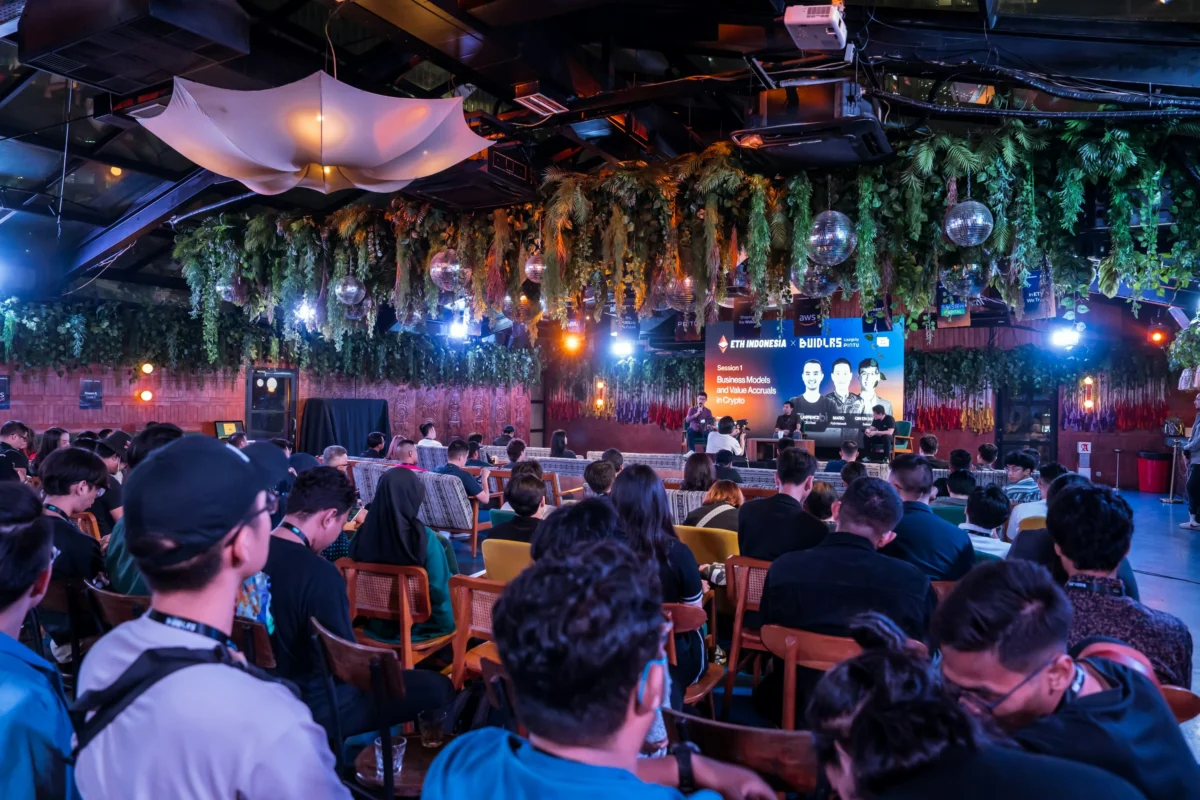
As hybrid events continue to evolve, AI will play a pivotal role in bridging the gap between in-person and virtual audiences. From coordinating content delivery to ensuring balanced engagement across both formats, AI ensures that every attendee feels connected—regardless of how they join.

Expect to see more tools that use AI to synchronize virtual and live experiences, recommend hybrid networking opportunities, and optimize engagement for both audiences.


Bringing AI Into Your Event Strategy with Social Link

At Social Link, we combine creative thinking with the latest technology, including AI, to help our clients host better events. Whether it’s marketing your event to the right audience, optimizing attendee experiences, or leveraging data for better outcomes, we help you harness the power of AI to elevate every aspect of your event.Let’s explore how AI can make your next event smarter, smoother, and more successful.
Contact Us for a Free Event Strategy Session
Categories
Uncategorized

Nonprofit Funding Trends for 2025: What Organizations Need to Know

Adapting Your Marketing and Fundraising Strategies for the Future

For nonprofits, the fundraising landscape is always shifting. Whether it’s changes in donor behavior, economic conditions, or digital engagement, staying on top of funding trends is critical for sustaining your mission and growing your impact.

At Social Link, we work closely with nonprofits of all sizes, helping them navigate these shifts with smart digital marketing strategies that connect with donors, expand awareness, and drive engagement. In this 2025 market update, we’re diving into the latest nonprofit funding trends, sharing insights and actionable tips to help your organization stay ahead.


1. Individual Giving Remains Strong—but Expectations Are Rising

Despite economic fluctuations, individual donors continue to be the largest source of nonprofit funding—accounting for over 65% of total giving nationwide. However, donor expectations have evolved. Today’s donors want more transparency, personalization, and impact reporting.

How to adapt:

  • Showcase specific outcomes: Instead of broad appeals, highlight real stories and tangible results that show donors how their contributions make a difference.
  • Segment your audience: Use personalized email campaigns and targeted social ads to speak directly to different donor groups—first-time givers, major donors, recurring supporters.
  • Leverage digital storytelling: Incorporate videos, infographics, and testimonials across your website, social media, and email outreach to create emotional connections.

2. Foundation and Grant Funding is Becoming More Competitive

Grants and foundation funding remain essential for many nonprofits, but competition for these funds is intensifying. Foundations are prioritizing organizations that demonstrate measurable impact, strong community ties, and innovative approaches to their missions.

How to adapt:

  • Build a robust digital presence: Funders increasingly research organizations online. Ensure your website, social media, and impact reports clearly communicate your mission and results.
  • Demonstrate adaptability: Highlight how your organization responds to community needs, embraces innovation, and adapts to changing environments.
  • Invest in data tracking: Use tools to measure and report outcomes, making it easier to showcase your impact in grant applications.

3. Recurring Giving Programs Are Growing in Popularity

One-time donations are valuable, but recurring giving programs are becoming the lifeblood of nonprofit sustainability. Donors appreciate the ease of automated monthly giving, and nonprofits benefit from predictable revenue streams.

How to adapt:

  • Create a branded recurring giving program: Give your monthly donor program a name, identity, and special benefits to foster community and loyalty.
  • Promote through multiple channels: Use social media, email, and your website to promote recurring giving as an easy, impactful way to support your cause year-round.
  • Offer exclusive content or updates: Keep your recurring donors engaged with behind-the-scenes stories, early access to reports, or special recognition.

4. Digital Fundraising Continues to Outpace Traditional Methods

From peer-to-peer fundraising to crowdfunding campaigns, digital fundraising is no longer optional—it’s a necessity. Online giving grew by over 10% in the past year, and that trend shows no signs of slowing down.

How to adapt:

  • Optimize your donation pages: Ensure your website’s donation process is simple, mobile-friendly, and secure. Reduce friction to maximize conversions.
  • Experiment with virtual events: Hybrid and virtual fundraising events (such as webinars, virtual galas, or online auctions) remain effective for engaging broader audiences.
  • Leverage peer-to-peer tools: Encourage supporters to create personal fundraising pages and share them with their networks.

5. Corporate Giving and Partnerships Are Expanding

More companies are looking for ways to align with social causes, offering opportunities for nonprofits to forge meaningful partnerships. Corporate giving programs now include matching gifts, sponsorships, and cause marketing campaigns.

How to adapt:

  • Identify alignment with corporate values: Approach companies whose mission and audience align with your nonprofit’s goals.
  • Offer creative partnership opportunities: Beyond sponsorship, consider co-branded campaigns, volunteer days, or social media collaborations.
  • Promote matching gift programs: Make sure donors know if their employer offers matching gifts, and provide easy ways to participate.

Preparing for the Future of Nonprofit Funding

While fundraising challenges continue to evolve, the core principles of building relationships, demonstrating impact, and leveraging digital tools remain constant. At Social Link, we help nonprofits navigate these trends with tailored marketing strategies that increase visibility, engage supporters, and drive sustainable funding.

If you’re ready to adapt your marketing strategy to meet the demands of today’s funding landscape, we’re here to help.Let’s build a plan that fuels your mission.
Contact Us for a Free Strategy Consultation

Categories
Uncategorized

Best Practices for Hosting Seamless Hybrid Events

How to Blend In-Person and Virtual Experiences for Maximum Engagement

Hybrid events—those that combine in-person experiences with virtual participation—have become the new standard in event planning. Whether you’re hosting a conference, workshop, fundraiser, or seminar, hybrid events allow you to expand your reach, increase flexibility for attendees, and adapt to changing circumstances.

But blending two distinct audiences into one cohesive experience isn’t easy. Without the right strategy, your hybrid event can feel disjointed—leaving your virtual attendees disengaged or your in-person guests disconnected from the broader experience.

At Social Link, we’ve helped clients across industries create successful, seamless hybrid events that deliver value to both in-person and virtual audiences. Here’s a breakdown of best practices to ensure your next hybrid event is a success.


1. Define Clear Goals and Audience Expectations

Before diving into logistics, define the purpose of your event and the experience you want to create for both audiences.

  • What do you want attendees to learn, feel, or do?
  • How will success be measured—attendance, engagement, revenue, or something else?
  • What’s the unique value for in-person attendees vs. virtual participants?

By clarifying these objectives upfront, you can design the event experience around your goals, ensuring that both audiences feel included and engaged.


2. Prioritize a Robust Tech Stack

Technology is the backbone of every hybrid event. A seamless experience for virtual attendees depends on reliable streaming, interaction tools, and platform integration.

Key components to consider:

  • High-quality audio and video: Invest in professional-grade equipment to ensure clear streaming for remote audiences. Poor audio or video can lose virtual participants fast.
  • Interactive platform: Choose an event platform that supports live streaming, polls, Q&A, and breakout rooms—allowing virtual attendees to engage meaningfully.
  • Backup plans: Always have contingency plans for tech hiccups, including redundant internet connections and backup devices.

A well-integrated tech stack ensures smooth transitions between in-person and virtual elements, creating a cohesive experience.


3. Design for Engagement Across Both Audiences

Hybrid events work best when both audiences feel seen and valued. Avoid the common pitfall of focusing on one audience at the expense of the other.

Engagement strategies:

  • Dedicated hosts/moderators: Assign a virtual host to manage online engagement and a physical emcee for the in-person crowd. Both roles should coordinate to keep the experience unified.
  • Interactive elements: Use live polls, Q&A sessions, and chat features to bring virtual attendees into the conversation. Make sure in-person attendees can also see and respond to virtual input.
  • Shared experiences: Plan networking opportunities or group activities that involve both audiences—like shared breakout sessions or collaborative workshops.

4. Optimize Content for Hybrid Delivery

What works for an in-person audience may not translate well to virtual participants. Content should be adapted to both formats.

  • Shorter sessions for virtual attendees: Online audiences fatigue faster. Break content into shorter, digestible segments with frequent breaks.
  • Hybrid-friendly presentation styles: Use dynamic visuals, clear audio cues, and varied formats (panels, fireside chats, interactive demos) to keep energy high across audiences.
  • Pre-recorded content: Consider mixing live sessions with pre-recorded segments for flexibility and to ensure content quality.

5. Communicate Early and Often

Clear communication is crucial before, during, and after the event. Make sure both audiences know what to expect and how to participate.

  • Pre-event emails and guides: Send detailed instructions on how to access the event, engage in sessions, and participate in networking.
  • Real-time updates: Use in-app notifications, social media, or email to share live updates, schedule changes, or engagement prompts during the event.
  • Post-event follow-up: Send thank-you messages, recordings, and survey links to both audiences. This reinforces engagement and provides valuable feedback for future events.

6. Measure Success and Gather Feedback

The best way to improve your hybrid events is through data and feedback. Measure key metrics like:

  • Attendance rates (in-person vs. virtual)
  • Engagement levels (polls, chats, Q&A participation)
  • Technical performance (streaming quality, platform uptime)
  • Post-event surveys and qualitative feedback

Analyzing these results helps refine your hybrid event strategy and improve future experiences.


Partner with Experts for Your Next Hybrid Event

At Social Link, we specialize in helping organizations plan, promote, and execute hybrid events that feel seamless and deliver results. From event marketing strategies to tech integration and content planning, we help ensure every audience feels connected and engaged.

Don’t leave your event success up to chance. Let’s build a hybrid event experience that your attendees will remember for all the right reasons.Ready to get started?
Contact Us Today to Plan Your Next Event

Categories
Uncategorized

Digital Marketing Strategies to Boost Enrollment for Summer Programs

How to Fill Your Summer Camps and Programs Using Smart Online Tactics

Summer programs and camps offer incredible opportunities for students and families—but even the best programs struggle to reach the right audience without a solid digital marketing strategy. Whether you run a day camp, academic enrichment program, sports clinic, or arts workshop, the key to filling your summer roster is making sure families can find you, trust you, and easily enroll.

At Social Link, we specialize in helping education-based organizations increase enrollment through targeted digital strategies that connect with your audience where they are. Here’s how you can use SEO, PPC, social media, and more to ensure your summer program is top of mind for parents and students—and that your spots fill up fast.


1. SEO for Summer Programs: Make Sure Families Can Find You

Search Engine Optimization (SEO) is the foundation of any effective digital strategy, especially when you’re competing for attention during the busy summer season. Parents are searching for “summer camps near me”, “STEM summer programs for kids”, or “art camps for teens”—and if your website isn’t optimized, they won’t find you.

Key SEO Tips for Summer Programs:

  • Optimize for local keywords: Include phrases like “summer camp in [City]”, “[City] summer enrichment program”, or “summer activities for kids in [Region]” in your website content, meta titles, and descriptions.
  • Create dedicated landing pages: Don’t just list your summer program on your main services page. Create a specific page optimized for summer offerings that includes dates, activities, benefits, and enrollment details.
  • Update Google Business Profile: Ensure your Google Business Profile is up to date with summer program info, photos, and contact details. This helps you appear in local search results and map listings.

2. Run Targeted PPC Campaigns to Reach High-Intent Audiences

While SEO helps you build organic visibility, Pay-Per-Click (PPC) advertising ensures you show up immediately in front of the right audience. Parents searching for last-minute summer programs or comparing options are ready to make decisions—and PPC puts your program at the top of their search results.

PPC Strategies That Work:

  • Google Search Ads: Target high-intent keywords like “summer camps near me”, “summer STEM programs for middle schoolers”, or “affordable summer camps in [City]”.
  • Geo-targeting: Focus your ads on specific locations where your target audience lives or works, ensuring your budget is spent wisely.
  • Remarketing ads: Use display or social media ads to re-engage visitors who’ve checked out your program but haven’t enrolled yet.

3. Leverage Social Media to Build Awareness and Trust

Parents and students spend a lot of time on social media platforms like Facebook, Instagram, and TikTok. That makes these channels ideal for promoting your summer program, sharing stories, and building trust.

Social Media Tips for Summer Program Promotion:

  • Showcase real experiences: Post photos and videos of past summer sessions—highlighting the activities, friendships, and learning that happen at your program.
  • Use targeted ads: Run Facebook and Instagram ads targeting parents in your area with interests related to education, parenting, or extracurricular activities.
  • Create event pages: Host virtual open houses or Q&A sessions on social platforms to engage with parents directly and answer their questions.

4. Email Marketing: Nurture Your List for Repeat Enrollments

If you’ve run summer programs in the past, don’t forget about your existing contact list. Email marketing is a powerful way to re-engage past participants, announce upcoming sessions, and offer early bird discounts.

Email Tips:

  • Segment your audience: Tailor your emails based on past attendance, age groups, or interests.
  • Create urgency: Use countdowns for early enrollment deadlines, limited spots, or exclusive offers.
  • Share success stories: Highlight testimonials or case studies from families who’ve benefited from your program.

5. Highlight Social Proof and Build Trust

Parents want to know that your program is safe, enriching, and well-organized. Make sure your digital presence includes:

  • Parent and student testimonials
  • Accreditations or certifications
  • Photos and videos from past sessions
  • Clear enrollment processes and FAQs

These elements build trust and reduce friction in the decision-making process.


Get Expert Help Filling Your Summer Program

At Social Link, we’ve helped schools, camps, and educational programs craft digital marketing strategies that fill classrooms, boost enrollment, and grow communities. Whether you need SEO optimization, targeted ads, social media content, or email campaigns, our education marketing experts are ready to help you succeed this summer.

Don’t let your summer program go under the radar. Let’s build a strategy that connects you with the families who need you most.Ready to get started?
Contact Us Today for a Free Consultation

Categories
Uncategorized

How Social Link Helped Nashville Big Picture High School Achieve Record-Breaking Enrollment

Local Marketing Strategies That Deliver Real Results

Nashville Big Picture High School (NBPHS) is not your typical high school. It’s a place where education meets real-world experience, offering students a unique opportunity to learn, grow, and thrive beyond the traditional classroom setting. But in 2024, the school faced a challenge: recruitment goals were falling short. Despite offering a transformative educational experience, many of Nashville’s brightest students simply didn’t know this opportunity existed.

That’s where Social Link stepped in. We’re not just a digital marketing agency—we’re storytellers. Our mission is to connect great brands with the audiences who need to hear their message. For Nashville Big Picture High School, that meant creating a comprehensive marketing strategy that filled classrooms—and changed lives.

Here’s how we helped NBPHS go from half-full classrooms to record-breaking enrollment.


The Challenge: An Amazing School Without the Awareness

NBPHS had the capacity to enroll 60 students per year, but in 2024, they barely reached half that number. Despite their innovative approach to education, the school wasn’t showing up on the radar for many local families. The recruitment goals? Unmet.

NBPHS needed more than just advertising—they needed a spark that would ignite awareness and excitement. At Social Link, we delivered that spark. The result? A wildfire of engagement and growth.


The Solution: A Comprehensive, Multi-Channel Marketing Strategy

Our approach was never a one-trick pony. Instead, we created a multi-faceted strategy that combined traditional marketing, targeted social media campaigns, and demographic-specific advertising to rapidly elevate NBPHS’s visibility.

Here’s what we did:

  • Traditional Marketing: We designed eye-catching handouts and materials for local distribution—bringing an old-school touch to modern marketing.
  • Targeted Social Media Campaigns: Using Facebook, Instagram, and LinkedIn, we crafted campaigns aimed at specific geographic areas and demographics. By zeroing in on local families and decision-makers, we ensured that NBPHS’s message reached the right people.
  • Demographic Research & Audience Targeting: We used data-driven insights to understand who the ideal students were and where they could be found online.

This multi-channel strategy didn’t just drive traffic—it drove the right traffic.


The Results: From Half-Full Classrooms to Overflowing Applications

The impact of our partnership was immediate and unprecedented. Within months, NBPHS received over 200 student applications for the 2025 school year.

  • 65% of applicants listed Nashville Big Picture High School as their first choice—a testament to the power of targeted messaging and authentic storytelling.
  • Classrooms that were half-empty in 2024 are now full in 2025.

In fact, the campaign was so successful, we had to pivot mid-stream. By the second month, recruitment numbers for students exceeded expectations, and NBPHS needed help recruiting teachers to support their growing student body. That’s the kind of rapid growth we love to see—and the kind we know how to handle.


Client Testimonial: A Partnership That Delivered

“Absolutely first-class service. The personal attention to detail and prompt communication made this process so rewarding to our school’s vision and goals. Plus, everyone is so kind and relatable! Thank you.”
Dr. Brenda Diaz, Executive Principal, Nashville Big Picture High School


Key Takeaways: Why This Strategy Worked

This campaign highlights the power of local marketing, social media strategy, and strategic agility. Here’s what made it a success:

1. Social Media as a Recruitment Engine

Our success with NBPHS underscores how targeted social media strategies are essential for reaching local communities. Facebook, Instagram, and LinkedIn allowed us to connect with parents, students, and educators where they spend time online—building trust and driving action.

2. The Ripple Effect of Growth

By focusing on student recruitment, we unlocked holistic growth for the school. The spike in student interest led to a new need for teacher recruitment—proving that growth in one area can fuel opportunities across an organization.

3. Strategic Agility

When success came faster than expected, we adapted. Shifting from student recruitment to teacher recruitment mid-campaign demonstrates our ability to pivot quickly and respond to evolving needs—a crucial skill for any marketing partner.


Ready to Transform Your Recruitment Strategy?

If you’re tired of falling short of your goals and are ready for a marketing strategy that drives real results, Social Link is here to help. Whether you’re a school, nonprofit, or business, we craft customized marketing strategies that connect you with the right audience and deliver measurable growth.Stop waiting for growth to happen. Let’s make it happen.
Book Your Free Discovery Call Today