Categories
Digital Marketing

Understanding Lead Generation and How Social Link Can Boost Your Business

In today’s competitive digital landscape, generating high-quality leads is essential for business growth. Lead generation, often referred to as lead gen, involves attracting and converting strangers into potential customers who have expressed interest in your products or services. This blog will explore what lead generation is, its importance, and how Social Link can enhance your lead generation efforts.

What is Lead Generation?

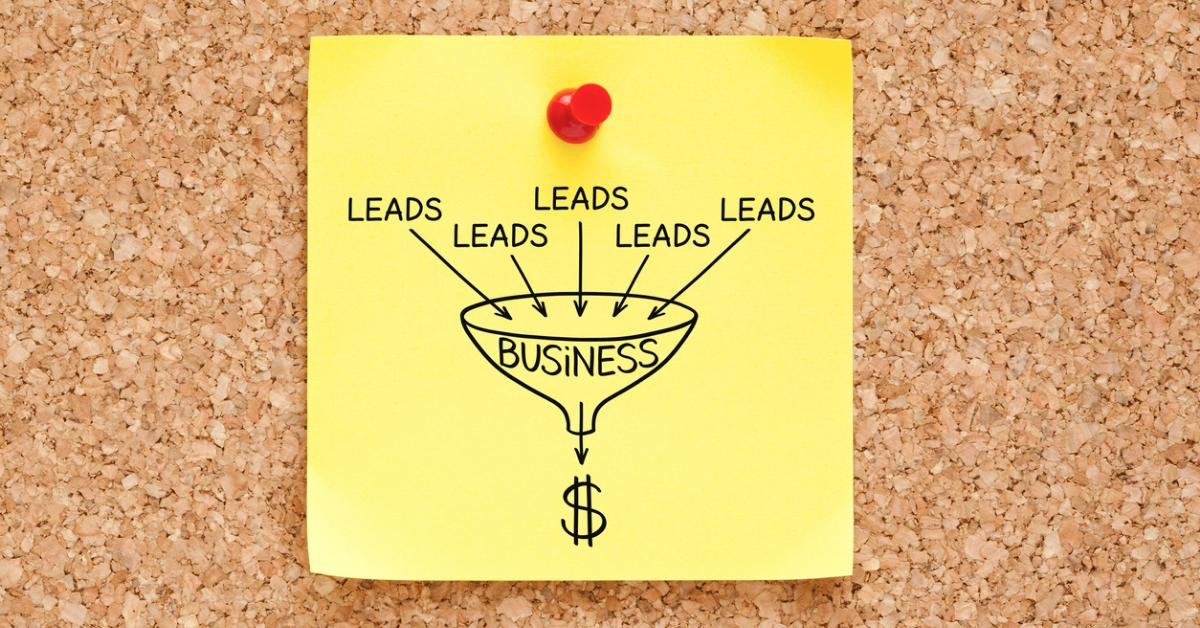
Lead generation is the process of identifying and cultivating potential customers for your business’s products or services. It involves capturing interest through various marketing strategies and tactics, which can be both online and offline. The ultimate goal of lead generation is to create a pipeline of potential customers who can be nurtured through the sales funnel until they are ready to make a purchase. Key components of lead generation include:

  1. Lead Capture: Collecting information from potential customers, such as their name, email address, phone number, and company name.
  2. Lead Magnets: Offering valuable content or incentives, such as eBooks, whitepapers, webinars, or discounts, in exchange for contact information.
  3. Landing Pages: Creating dedicated web pages designed to capture leads through forms and compelling calls-to-action (CTAs).
  4. Nurturing: Engaging and building relationships with leads through email marketing, social media, and personalized content until they are ready to convert.

Why is Lead Generation Important?

  1. Business Growth: Generating leads is crucial for driving revenue and expanding your customer base.
  2. Targeted Marketing: Lead generation allows you to focus your marketing efforts on individuals who have shown interest in your offerings, increasing the likelihood of conversion.
  3. Cost Efficiency: Effective lead generation strategies can reduce marketing costs by targeting potential customers more precisely.
  4. Sales Pipeline: Building a steady stream of leads ensures a continuous flow of potential customers, keeping your sales team busy and productive.

How Social Link Can Enhance Your Lead Generation

At Social Link, we specialize in developing and implementing lead generation strategies that drive results. Our comprehensive approach ensures that your business attracts high-quality leads and converts them into loyal customers. Here’s how we can help:

  1. Tailored Lead Generation Strategies:
    • We understand that every business is unique. Our team works closely with you to develop customized lead generation strategies that align with your goals and target audience.
  2. Optimized Landing Pages and Forms:
    • We create optimized landing pages and forms that capture essential information from potential leads, ensuring a seamless user experience that maximizes conversions.
  3. Effective Lead Magnets:
    • Our team designs compelling lead magnets, such as eBooks, whitepapers, and exclusive offers, that provide value to your audience and encourage them to share their contact information.
  4. Data-Driven Insights:
    • Using advanced analytics, we track and measure the performance of your lead generation campaigns, providing insights that help refine and improve your strategies.
  5. Automated Lead Nurturing:
    • We implement automated email marketing and CRM systems to nurture leads through personalized content and timely follow-ups, keeping them engaged and moving through the sales funnel.
  6. Multi-Channel Approach:
    • Our lead generation strategies leverage multiple channels, including social media, content marketing, paid advertising, and SEO, to reach a broader audience and capture more leads.

Ready to Supercharge Your Lead Generation?

Lead generation is a critical component of any successful marketing strategy. By partnering with Social Link, you can ensure that your lead generation efforts are effective, efficient, and aligned with your business objectives. Our team of experts is dedicated to helping you attract, engage, and convert potential customers, driving growth and success for your business.Explore how Social Link‘s lead generation services can propel your business to new heights.


Categories
SEO Uncategorized

Understanding SEO and SEM: Unlocking the Power of Online Marketing

In the digital age, having a strong online presence is crucial for businesses of all sizes. Two fundamental strategies that help achieve this are Search Engine Optimization (SEO) and Search Engine Marketing (SEM). While these terms are often used interchangeably, they represent distinct approaches to driving traffic and increasing visibility on search engines like Google. In this blog, we’ll delve into what SEO and SEM are, their key differences, and why it’s essential to leverage both in your digital marketing strategy.

What is SEO?

SEO, or Search Engine Optimization, is the process of optimizing your website to rank higher in organic (non-paid) search engine results. The goal of SEO is to increase the quantity and quality of traffic to your website through relevant search queries. SEO involves several key components:

  1. Keyword Research: Identifying the terms and phrases potential customers use to search for products or services related to your business.
  2. On-Page SEO: Optimizing individual web pages by incorporating targeted keywords, improving content quality, and ensuring proper meta tags and headers.
  3. Off-Page SEO: Building authority and credibility through backlinks from other reputable websites.
  4. Technical SEO: Enhancing the website’s technical aspects, such as site speed, mobile-friendliness, and crawlability by search engines.
  5. Content Creation: Producing high-quality, relevant content that addresses the needs and interests of your audience.

What is SEM?

SEM, or Search Engine Marketing, encompasses a broader scope of strategies, including both SEO and paid advertising. While SEO focuses on organic traffic, SEM involves paying for ads to appear on search engine results pages (SERPs). The most common form of SEM is Pay-Per-Click (PPC) advertising. Key components of SEM include:

  1. Keyword Advertising: Bidding on specific keywords to display ads when users search for those terms.
  2. Ad Creation: Crafting compelling ad copy and visuals to attract clicks and conversions.
  3. Campaign Management: Monitoring and adjusting ad campaigns to optimize performance and budget.
  4. Analytics and Reporting: Analyzing data to measure the effectiveness of ads and make data-driven decisions.

Key Differences Between SEO and SEM

  1. Cost: SEO is often more cost-effective in the long run, as it focuses on organic traffic. SEM requires a budget for ad spend, as you pay for each click on your ads.
  2. Speed: SEO is a gradual process that can take months to see significant results. SEM can deliver immediate visibility and traffic as soon as ads are launched.
  3. Sustainability: SEO efforts can have lasting effects, driving continuous traffic without ongoing costs. SEM provides instant results but requires ongoing investment to maintain visibility.
  4. Strategy: SEO aims to build a strong foundation and long-term authority, while SEM is ideal for quick, targeted campaigns and immediate results.

Why Utilize Both SEO and SEM?

Combining SEO and SEM allows businesses to maximize their online presence and achieve a balanced digital marketing strategy. Here’s why it’s important to leverage both:

  1. Comprehensive Coverage: While SEO builds a sustainable foundation, SEM ensures immediate visibility. Together, they cover both short-term and long-term goals.
  2. Enhanced Visibility: By appearing in both organic and paid search results, you increase your chances of attracting clicks and driving traffic.
  3. Data Insights: SEM provides valuable data on keyword performance and user behavior, which can inform and refine your SEO strategy.
  4. Competitive Edge: Utilizing both strategies helps you stay ahead of competitors who may be focusing on only one approach.

Ready to Boost Your Online Presence?

At Social Link, we specialize in helping businesses harness the power of both SEO and SEM to achieve their digital marketing goals. Our expert team is dedicated to crafting customized strategies that drive traffic, increase visibility, and convert visitors into customers.

Visit Social Link to learn more about our SEO and SEM services and how we can help your business thrive in the digital landscape.

Take the first step towards a stronger online presence today!

Categories
Social Media Marketing

The Ultimate Guide to Influencer Marketing

Influencer marketing has become a powerful strategy for brands looking to expand their reach, build trust, and engage with their target audience in a more authentic way. By leveraging the influence of social media personalities, brands can tap into existing communities and enhance their marketing efforts. This guide will walk you through how to acquire influencers, when to use them, and best practices for a successful influencer marketing campaign.

What is Influencer Marketing?

Influencer marketing involves collaborating with influencers—individuals with a significant following on social media platforms—to promote products or services. These influencers have the power to affect the purchasing decisions of their audience due to their authority, knowledge, or relationship with their followers.

How to Acquire Influencers

1. Identify Your Goals

Before reaching out to influencers, it’s crucial to define what you want to achieve with your campaign. Whether it’s brand awareness, driving sales, or launching a new product, having clear goals will help you choose the right influencers and measure the success of your campaign.

2. Find the Right Influencers

Selecting the right influencers is key to the success of your campaign. Here are some steps to help you find suitable influencers:

  • Define Your Audience: Understand who your target audience is and find influencers who cater to that demographic.
  • Research Platforms: Different influencers are popular on different platforms. Choose the platform that aligns with your brand and where your audience spends most of their time.
  • Evaluate Influencer Metrics: Look beyond follower count. Assess engagement rates, the authenticity of their audience, and the quality of their content.

3. Build Relationships

Engage with potential influencers by commenting on their posts, sharing their content, and communicating with them directly. Building a genuine relationship can lead to a more authentic and effective collaboration.

4. Negotiate Terms

Discuss the terms of the partnership, including deliverables, timelines, and compensation. Make sure both parties have a clear understanding of expectations to avoid any misunderstandings.

When to Use Influencer Marketing

Product Launches

Influencers can create buzz around a new product launch, generating excitement and anticipation among their followers. They can showcase the product in use, share their first impressions, and encourage their audience to check it out.

Brand Awareness

If your goal is to increase brand awareness, collaborating with influencers who have a large and engaged following can help you reach a broader audience. Influencers can introduce your brand to their followers, making them more aware of your products or services.

Seasonal Campaigns

Seasonal campaigns, such as holiday promotions or back-to-school sales, can benefit from influencer marketing. Influencers can highlight how your products fit into these seasonal themes, driving interest and sales.

Special Events

Leverage influencers to promote special events such as webinars, product demos, or brand anniversaries. Influencers can help attract attendees and create content around the event, amplifying your reach.

Best Practices for Influencer Marketing

1. Authenticity is Key

Ensure that the influencers you work with align with your brand values and can promote your products authentically. Audiences are quick to spot inauthentic endorsements, which can harm your brand’s reputation.

2. Provide Creative Freedom

While it’s important to communicate your campaign goals and guidelines, give influencers creative freedom to present your brand in a way that resonates with their audience. This approach leads to more genuine and engaging content.

3. Measure Results

Track the performance of your influencer campaigns by monitoring metrics such as engagement, reach, website traffic, and sales conversions. Use these insights to refine your strategy and improve future campaigns.

4. Maintain Long-Term Relationships

Building long-term relationships with influencers can lead to more effective partnerships. Continuously engaging with influencers helps maintain authenticity and trust, which can result in more impactful campaigns over time.

Conclusion

Influencer marketing offers a powerful way to connect with your audience and enhance your marketing efforts. By carefully selecting the right influencers, setting clear goals, and following best practices, you can create successful influencer marketing campaigns that drive significant results.Ready to elevate your marketing strategy with influencer marketing? Visit Social Link to learn how our expert team can help you build impactful influencer partnerships and achieve your business goals.

Categories
Web Design

What’s the Difference Between UX and UI Design

In the world of digital design, UX (User Experience) and UI (User Interface) are two fundamental concepts that are often confused or used interchangeably. While they are closely related and work together, they represent different aspects of the design process. Understanding the distinction between UX and UI is crucial for anyone involved in creating digital products. Here’s a comprehensive look at what each term means and how they differ.

Understanding UX Design

What is UX Design?

User Experience (UX) design is about enhancing the overall experience users have when interacting with a product, focusing on ease of use, efficiency, and satisfaction. It encompasses all aspects of the user’s interaction, from the initial contact to the final use of the product.

Key Components of UX Design

  1. User Research:
    • Understanding the target audience through methods such as surveys, interviews, and usability testing.
  2. Information Architecture:
    • Organizing and structuring content in a way that makes it easy for users to navigate.
  3. Wireframing and Prototyping:
    • Creating low-fidelity sketches and high-fidelity prototypes to visualize and test the product’s layout and flow.
  4. Usability Testing:
    • Evaluating the product with real users to identify pain points and areas for improvement.

The Goal of UX Design

The primary goal of UX design is to create a seamless and enjoyable experience for users. This involves making sure that the product is intuitive, accessible, and meets the users’ needs effectively.

Understanding UI Design

What is UI Design?

User Interface (UI) design is concerned with the look and feel of a product’s interface. It involves designing the visual elements that users interact with, such as buttons, icons, typography, and color schemes.

Key Components of UI Design

  1. Visual Design:
    • Crafting the aesthetic aspects of the interface, including layout, colors, and fonts.
  2. Interactive Design:
    • Ensuring that all interactive elements (like buttons and sliders) are designed for usability and accessibility.
  3. Branding:
    • Integrating the brand’s identity into the interface to create a consistent and recognizable look.
  4. Responsiveness:
    • Designing interfaces that adapt to various devices and screen sizes.

The Goal of UI Design

The main objective of UI design is to create an attractive and cohesive visual experience that aligns with the brand’s identity. This involves making sure that the interface is visually appealing and user-friendly.

How UX and UI Work Together

While UX and UI are distinct fields, they are deeply interconnected. A great user experience requires an intuitive interface, and a well-designed interface enhances the overall user experience. Here’s how they complement each other:

  • Collaboration: UX designers focus on the overall experience and usability, while UI designers bring that experience to life visually. Both need to work closely to ensure a cohesive and functional product.
  • Iteration: UX designers might conduct user testing and gather feedback, which UI designers use to refine the visual elements. This iterative process helps in creating a polished final product.
  • Consistency: Consistent UX and UI practices ensure that the product is both functional and visually appealing, leading to a satisfying user experience.

Conclusion

Understanding the difference between UX and UI design is essential for creating effective digital products. UX design focuses on the overall experience and usability, while UI design is about the visual and interactive elements. Both are crucial for the success of a product, and when combined effectively, they create a seamless and engaging user experience.

If you’re looking to enhance your digital product with expert UX and UI design, visit Social Link. Our team of experienced designers is here to help you create an intuitive and visually appealing product that meets your users’ needs.

By diving into the distinctions and collaborative nature of UX and UI design, this blog aims to clarify their roles and importance

Categories
Uncategorized

The Future of AI in Digital Marketing: What to Expect

Artificial Intelligence (AI) is rapidly transforming the digital marketing landscape. As we look ahead, AI’s influence on marketing strategies will continue to expand, bringing both significant opportunities and challenges. Here’s a glimpse into what the future holds for AI in digital marketing and why it’s crucial for marketers to embrace this technology.

Enhanced Content Creation and Personalization

AI is revolutionizing content creation by enabling marketers to produce personalized and engaging content at scale. Generative AI tools, such as language models and image generators, are already being used to create social media posts, blog articles, and email campaigns. These tools save time and improve the quality and relevance of marketing content, making it more engaging for target audiences. By leveraging AI, marketers can ensure that their messages resonate more deeply with consumers, enhancing overall campaign effectiveness.

Advanced Data Analysis and Insights

One of AI’s most significant advantages is its ability to analyze vast amounts of data quickly and accurately. AI tools can identify patterns and insights that would be impossible for humans to detect, allowing for more informed decision-making. This capability is crucial for developing targeted marketing strategies and optimizing campaign performance. With AI, marketers can gain a deeper understanding of consumer behavior, preferences, and trends, enabling them to craft more precise and effective marketing initiatives.

Improved Customer Experience through Automation

AI-powered chatbots and virtual assistants are enhancing customer experiences by providing instant, personalized responses to inquiries. These tools are available 24/7, ensuring that customers receive timely support, which can significantly boost satisfaction and loyalty. Additionally, AI can automate repetitive tasks, freeing up marketers to focus on more strategic activities. For instance, AI can handle tasks such as email scheduling, social media posting, and ad buying, making marketing operations more efficient and streamlined.

Predictive Analytics for Better Forecasting

Predictive analytics is another area where AI is making a substantial impact. By analyzing historical data and identifying trends, AI can forecast future outcomes, helping marketers anticipate customer needs and behavior. This predictive capability allows for more proactive marketing strategies, such as personalized product recommendations and targeted promotions. As businesses continue to integrate AI into their operations, the ability to predict and respond to market changes will become increasingly important.

Ethical Considerations and Trust

Despite its many advantages, the adoption of AI in digital marketing comes with ethical considerations. Concerns about data privacy, algorithmic bias, and the potential for over-reliance on AI are prevalent. It is essential for businesses to use AI responsibly, ensuring transparency and maintaining consumer trust. Marketers must balance the use of AI with human oversight to avoid ethical pitfalls and build a trustworthy brand. Responsible AI usage involves being transparent about how data is used and ensuring that AI-driven decisions are fair and unbiased.

The future of AI in digital marketing is promising, with the potential to transform how businesses engage with customers and optimize their marketing efforts. However, it is crucial for marketers to stay informed about the latest AI developments and adopt these technologies thoughtfully. By leveraging AI’s capabilities while addressing ethical concerns, businesses can achieve significant growth and stay ahead of the competition.

Ready to integrate AI into your marketing strategy? Visit Social Link to learn how our expert team can help you navigate the AI revolution and drive your business forward.

Categories
Uncategorized

5 Must-Listen Podcasts for Digital Marketers

In the fast-paced world of digital marketing, staying updated with the latest trends, strategies, and insights is crucial. Podcasts offer a convenient way to absorb valuable information while multitasking. Here are five podcasts every digital marketer should tune into, along with what you can learn from each and why they’re worth your time.

1. Marketing School

Hosts: Neil Patel & Eric Siu

What You’ll Learn: Marketing School delivers daily bite-sized episodes packed with actionable marketing tips. Neil Patel and Eric Siu, both industry experts, share insights on SEO, content marketing, social media strategies, and more.

Why You Should Listen: The concise format makes it easy to consume on a daily basis without overwhelming your schedule. Each episode is filled with practical advice that you can immediately apply to your marketing efforts. Plus, the hosts’ extensive experience in the field ensures that the content is both reliable and insightful.

2. The GaryVee Audio Experience

Host: Gary Vaynerchuk

What You’ll Learn: Gary Vaynerchuk covers a broad spectrum of topics in digital marketing, entrepreneurship, and personal branding. From motivational talks to tactical marketing strategies, GaryVee’s energetic and no-nonsense approach is both inspiring and educational.

Why You Should Listen: GaryVee’s real-world advice is based on his personal experience building successful businesses. His charismatic delivery and honest insights make each episode engaging. If you need a motivational boost along with practical marketing knowledge, this podcast is perfect.

3. Online Marketing Made Easy

Host: Amy Porterfield

What You’ll Learn: Amy Porterfield’s podcast is a treasure trove of strategies for creating and selling online courses, growing email lists, and leveraging social media. She breaks down complex marketing tactics into easy-to-follow steps, making them accessible for marketers at all levels.

Why You Should Listen: Amy’s ability to simplify intricate concepts is unmatched. Her episodes often include step-by-step guides and actionable tips that can be implemented immediately. Whether you’re a seasoned marketer or just starting out, her practical advice can help elevate your marketing game.

4. Perpetual Traffic

Hosts: Ralph Burns & Kasim Aslam

What You’ll Learn: This podcast focuses on acquiring leads and sales through paid traffic strategies on platforms like Facebook, Google, and more. Ralph Burns and Kasim Aslam share their expertise in managing large-scale ad campaigns and optimizing performance.

Why You Should Listen: For marketers heavily involved in PPC and paid social media, Perpetual Traffic offers deep dives into advanced strategies and tactics. The hosts’ hands-on experience with high-budget campaigns provides listeners with expert-level insights that can drive significant results.

5. Social Media Marketing Podcast

Host: Michael Stelzner

What You’ll Learn: Michael Stelzner’s podcast covers the latest trends in social media marketing, from platform updates to best practices. Each episode features interviews with industry leaders who share their experiences and tips for leveraging social media effectively.

Why You Should Listen: Staying current with social media trends is crucial, and this podcast helps you do just that. The interviews with experts provide diverse perspectives and innovative ideas that can inspire your social media strategy. Michael’s insightful questions and engaging style make for a captivating listening experience.

Here at Social Link, we pride ourselves on being up to date with the latest industry trends, and podcasts are a great way to effortlessly do so. Whether you’re looking for quick daily tips, motivational insights, or deep dives into advanced marketing strategies, these podcasts have got you covered. Make them a part of your routine to stay ahead in the ever-evolving landscape of digital marketing.