Categories
News

Social Link CEO weighs in on social media self-policing, congressional oversight

Social Link CEO weighs in on social media self-policing, congressional oversight

Can social media giants like Twitter and Facebook control their users and the content posted on their platforms? Should the government weigh in with oversight and regulations?

That’s one of many hot topics on Capitol Hill as congress hauls Silicon Valley executives before committees to talk about fake news, false advertising and election meddling. SocialLink CEO Brady O’Rourke has been watching the proceedings, and recently told Fox 17 Nashville that it’ll all come down to transparency: content providers need to let viewers know who’s behind what.

Read the coverage and Brady’s thoughts here


Categories
Online Marketing Social Media Social Media Marketing

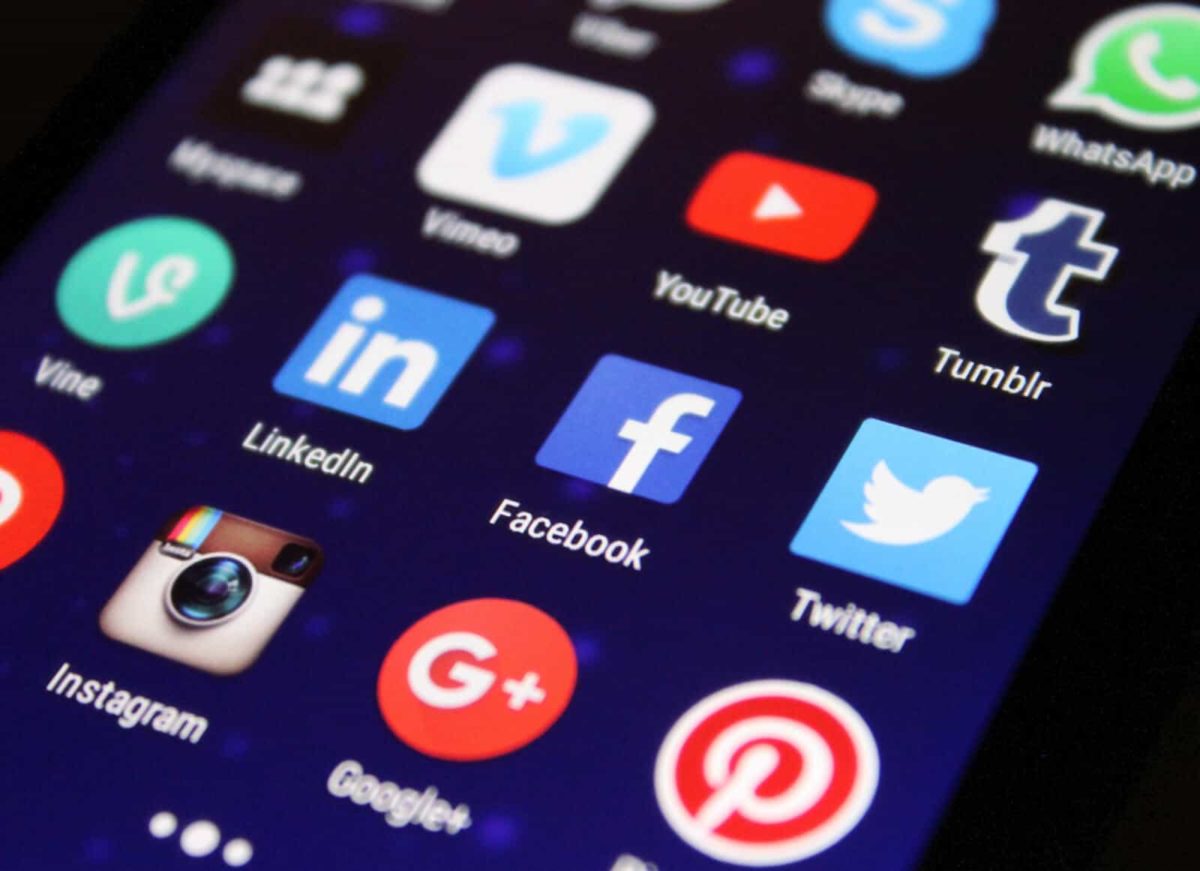
Social Advertising: Why Instagram Is Beating Facebook

Why Instagram Is Beating Facebook

Despite the prevalence of social media advertising, the most popular platforms never seem to get the best reputation, even amongst their avid users. Twitter is viewed with skepticism. YouTube is the wild west of the comments sections. And Facebook is in the business of making people feel horrible about their lives.

However, there’s one platform that never get lumped in this category and that’s Instagram.

Unlike Facebook, people don’t go through periods of needing an ‘Instagram break’ or feel the need to unfollow a bunch of people so they’re only seeing pictures of their real friends.

In fact, on the whole, Instagram users tend to feel pretty positive about the photo-sharing platform and as a result, it’s steadily been increasing in popularity, particularly with the key demographic of millennials.

So how is it that Instagram is beating all the rest, especially Facebook as the social media platform of choice? Let’s look at three key features:

  1. Protected space vs. open space

Unlike Facebook, only Instagram users can add to their own pages, giving them total control and ownership over the content posted on their own page. The activity of others is restricted to commenting in a small section to the side of liking the photo. This means that you don’t get the endless happy birthday wishes from middle school friends and relatives you barely know, or the panic that sets in when Mom doesn’t accidentally sees a post from your drunk friend.

What this tells us is that millennials are looking for a balance between being able to be active on social media whilst also preferring to feel a degree of privacy and a strong sense of content control.

  1. Photos vs. network

Since Instagram is all about photos and videos instead of building connections, it tends to be viewed as a platform of positive content and not one of judgment. The structure of the interface doesn’t allow much room for lengthy posts about how great your life is and it’s almost impossible to have a heated political debate on Instagram.

Facebook users, on the other hand, often report feeling like it’s a social competition and that there is significant pressure to post content that increases their worth to others. The fact that millennials are moving away from the traditional networking forms of social media platform tells us that they’re actively seeking out opportunities for positive, low-pressure interactions, even if it means fewer connections and interactions with others.

  1. Ad content

Where Facebook tends to be limited to personal connections and interactions, Instagram users happily take advantage of the fact that they can follow companies, celebrities, museums, artists, travel sites, fashion gurus, fitness experts, and just about anything else they want to see on a daily basis. Because people tend to follow the things they really like, the ad content can look carefully curated for those people’s social interests. This means that there is a higher watch rate for ads that people get on Instagram and therefore high sales conversions. While Facebook has similar ad targeting capabilities, the content usually has to be really good in order to get people’s attention and tends to only result in successful sales conversions when a professional marketing company is behind the design.

Right now, with its positivity and capabilities for curation and control, Instagram is poised to be the social media platform of choice for the most coveted marketing demographic today.

But just before you start to feel sorry for Facebook, remember that in April of 2012, they bought Instagram for $1 billion. Recognizing its value, Facebook decline to integrate Instagram features into the parent company and have let it develop an as independent platform. It’s a great lesson in recognizing the value of an acquisition and when to leave a good thing alone.

Categories
Sales

3 Classic Rules of Selling for Everyone

3 Classic Rules of Selling for Everyone

I remember I once asked one of my mentors who had spent his entire career in sales if he ever minded the bad reputation that seems to follow salesmen everywhere they go.

He never carried himself like the typical salesman, and remains to this day one of the most honest people I know.

Yet somehow in the world of sales, he thrived against all odds, well beyond those guys who gave others in his profession such a bad name.

One day, I decided to ask him the secret to his success. He said, “Sales is just a way of making sure somebody gets the product they need. If you’re not the one selling it to them, it’ll sure be someone else.”

With so many articles evangelizing the latest sales fads and selling techniques, every once in a while, it’s a good idea to revisit the tried and true classics.

Here are a few classic selling principles that apply no matter what the industry or product may be:

  1. Know the product like the back of your hand. There’s a false, yet pervasive idea that the best salesmen can sell anything to anybody (i.e. ice to an Eskimo). The truth is that great salesmen with strong and consistent conversion rates know their product inside out, and can accurately and effectively explain how it meets their customer’s needs. It’s not a magic trick or a myth. It’s possessing valuable knowledge of a product that is going to help someone else achieve something they wouldn’t be able to achieve without it.
  2. Listen. Ninety nine percent of selling advice focuses on the pitch. Yet, no matter how great your pitch is, it will never be as great as the one you can make when you really listen to your customer. In doing so, you’ll find out what they actually want instead of what you want them to want, and when you have that knowledge, you’ll be able to figure out the exact products in your arsenal that they’re really looking for.
  3. Sell to your customer’s needs. It may seem like a good idea to try and get the most you can out of your customer and equip them with the top of the line, state of the art of whatever it is you’re selling. But if they don’t actually need all the bells and whistles, they could easily feel cheated or oversold on something they have no use for. Sales fundamentally operates on trust. So, everything about the sales process should be designed to create and sustain a bond where one person needs something and the other person provides it. Nothing less and nothing more.

It doesn’t matter what business you run, when it comes to selling your product, these principles can be universally applied. However, in order to get those customers in the first place, you have to get your message out there. Marketing is its own form of sales that operates according to these exact same principles. It’s the opening line to any sales pitch.

In order to get point where you can discover your customer’s needs, it’s important to figure out exactly what marketing options will work best for your business.

Social Link is an inbound marketing agency that has helped many different types of businesses reach the right customers and increase sales and company growth.