Categories
Uncategorized

Top 3 Things To Know About Content Generation

Top 3 Things To Know About Content Generation


Content generation is one aspect of online writing that comes with a choice. You can decide to write something quickly and post it on your site without much thought. On the contrary, you may choose the hard way, researching and carefully crafting words that build your brand. The first option leads to nowhere. With such content, your site loses credibility while your efforts go to waste.

While generating content:

  1. Be original

Copying what other people have written and trying to pass it off as yours is a copyright violation. A few years ago, content directories used to have their articles in top rankings. However, following an algorithm update by Google, duplicate, and poorly written content soon went to the bottom of the pile. Pursue originality even if you are using another person’s material.

  1. Make keywords your point of focus

The motive for posting content online is so that people can come to you as the solution. However, you cannot become the go-to person if you do not know what they are looking for or where they search. To generate articles that people come searching for, get to know your target audience’s persona. After that, find words that people are using a lot and then develop your content around these keywords.

  1. Diversify

Diversification attracts an audience’s attention. Use different content generation formats. For instance, infographics are the most effective way of sharing research findings as compared to PDFs. Other forms include videos, lists, surveys, printables and newsletters.


Categories
Online Marketing SEO Tips and Tricks

4 Tips For Better SEO

4 Tips For Better SEO

With a website that has gone live on the internet, you might think that your work has come to an end. Not so considering that there is another task ahead; ensuring that you remain on the first page of the search engines. Having quality content is also not sufficient, you must make it search engine friendly. How then, do you achieve a site that is well optimized?

  1. Keywords

Search engines spiders crawl through content in search of words or phrases. These words are also known as keywords. They help online users to find what they are looking for quickly. Therefore, to improve your site’s ranking, mind the keywords. Make sure you use them interweaved through the content.

  1. Top-notch content

Webmasters keep emphasizing the need for quality content. Take their word seriously by generating and posting information that people will find useful. Web users use the internet to look for answers, find products or for entertainment. To keep them engaged, post content that meets their expectation; something they cannot help but share with others.

  1. Use links

Interlinking your webpages ensures that the person navigating through your site keeps going from one page to another. Therefore, have three or four links per page but on relevant anchor texts. For instance, if your website is about landscaping, the anchor text should be something related, e.g. ‘maintaining your lawn.’

  1. Image descriptions

Images keep visitors glued to your web pages. Besides, they beautify your site and make it appealing to the eye. Ensure that you have given short descriptions to your images, but they should be informative.

Categories
Blog Tips and Tricks

Why Sleep Is Important For Productivity

Why Sleep Is Important For Productivity

Imagine spending long hours on a project, say optimizing a client’s blog. You have no room for breaks and depend on coffee to stay awake. By the time you head home, it is already midnight, but there is a catch, you must be up by 4 am to wrap up and deliver the work.

You are at your desk by 8 am and work comfortably with a tea and lunch break. By 5 pm or 5.30 pm, you are on your way home where you supervise the kids’ homework, have dinner, watch TV or read a book. By 11 pm, you are deep asleep and are guarantee eight hours of sleep.

Which of the two ‘persons’ would you prefer? Sleep deprivation can seriously hamper your productivity. You need an average of between 7-9 hours of rest, in our case, sleep. Experts’ advice that you should make getting sufficient sleep a part of your career. Does sleep enhance your productivity?

Improved memory

With a good night’s sleep, your mind gets to absorb and store the things you have been learning all day. The lack of it impacts your memory.

Fewer mistakes

Lack of sleep reduces your response time. Besides, it hampers your rate of accuracy particularly with figures.

No burnout

Less sleep at night causes your body to feel fatigued. The mind zones out too, and you can hardly focus on anything.

Less anxiety

A loss of sleep causes your mind to be more volatile resulting in the inability to control fear, anger and other emotions. With such, you cannot handle pressure from clients or team members.

Categories
SEO Tips and Tricks

Signage: It’s All About The Brand

Signage: It’s All About The Brand

While driving, road signs caution you on speed levels as well as the state of the road ahead. Office signs show the location of the washroom, departments and safety precautions. Walk around town, and you get accosted by a myriad of signage with shops competing to outdo each other.

Signage defined

A sign is a graphical image placed strategically to inform the masses. Signage raises awareness to safety, directs people where to go and promotes business. Sellers of products or services use signs to increase consumer awareness. Once prospective customers see them, they develop a desire to get the product or go for the service in question.

Voicing the brand

Consumers identify companies with what they sell, i.e. the brand. If people trust your image, they want to buy more from you. However, even with a superior product, you may still experience low sales. Perhaps you did not convey the information desirably and understandably. Your business logo is the face of the company. We can call this its personality. The act of taking the image out there for people to see is tantamount to giving your brand a voice.

Target market

Signage helps your target audience recognize a brand. Just as a road sign helps a driver know of a sharp bend, signs become synonymous with the products they represent. By consistently bombarding people with well-crafted signage, you connect with customers more and get to reach those that had not heard about you earlier. To sum up, the brand dictates the nature of signage used.


Categories
Social Media Marketing Tips and Tricks

5 Tips For Creating Social Headlines

5 Tips For Creating Social Headlines


A good headline is a doorway to your article. In online circles, people tend to judge the nature of content by the headline it bears. Besides attracting visitors, it also means that your site gets high traffic and search engines attention. Before you write a headline, think about these ideas below:

  1. Length

Google, for the sake of discussion, only shows up to 60 characters of web content’s title. Keep your headlines below 55 characters. Other than the risk of a headline cut-off by a search engine, people prefer and do go for content with short headlines.

  1. Deliver what you promise

Being dishonest or misleading will make you lose the much-needed audience. If you promise your readers five tips, do not give them three or four. Also, match the subject covered with the headline’s theme.

  1. Use numbers

Social headlines that have numbers leave a better impact than generic ones. Internet users are busy people who want to skim before proceeding to other things. For conciseness, use low numbers and for comprehensiveness, use high numbers.

  1. Avoid asking questions with no answers

Question-based headlines pique a reader’s interest. People want to read articles that provide them with solutions. Write a headline that will make a reader want to know how the article ends.

  1. Utilize power words

Headlines that use adjectives (words that describe) grab the attention of readers. They make you want to read on to the end. Examples include “valuable, useful, beautiful, and effortless.” At the same time incorporate power words such as ‘free,’ ‘new,’ ‘you’ and ‘instantly.’


Categories
Digital Marketing Online Marketing Tips and Tricks Web Design

How to Make A Marketing Dashboard that CEOs Care About  

How to Make A Marketing Dashboard that CEOs Care About  


Keep track of what’s under the hood

             You don’t drive a car with just the foot pedals and steering wheel—you need the dashboard to feed you actionable numbers about your speed, fuel level, and rpm, so you can keep things running smoothly and better respond to what’s on the road. A marketing dashboard does the same thing, except that instead of telling you that it’s time for an oil change, it visualizes the data collect so you can make sense of it without getting bogged down in endless spreadsheets, or buried under an avalanche of emails about the latest market research. And, just like the one in a vehicle, a marketing dashboard allows you to make rapid corrections as you travel, so you’re not constrained by a monthly or quarterly reporting schedule’s blind spots.

In all likelihood, the dashboard you create won’t just be for your own convenience; you’ll be asked to share it with other people in your organization, including the CEO. Read on for our suggestions about tailoring that shared dashboard to best suit executive needs.

Approach it like a blog post

            You’re a marketing professional, and as such you’re accustomed to constructing buyer personas and generally taking your audience’s needs into account. Think about your CEO the same way you might about the readership for your latest blog post; focus on outcomes and big-picture results, rather than taking a deep dive into the kinds of data that they may neither be as familiar with nor care as much about. Would your CEO get more out of hearing about the most viewed blog posts from the past month, or hearing about what your site-wide conversion rate and referral visitors mean for your current marketing campaign?

Don’t just throw some graphs together

            Yes, a marketing dashboard is largely about visual appeal, and finding ways to make your KPIs and critical metrics into something you can easily digest on sight. But not all graphs are created equal—line and area charts work better for plotting trends over time, while bar or column graphs are more suited to comparing values. And, while the daily leads waterfall graph is probably a staple in your personal dashboard, that doesn’t mean it’s necessarily the best front-and-center choice in the layout when you present to the CEO. Dashboards are great for improving communication, confidence, and transparency across your organization, but that only works if you keep the most important KPIs for your audience in the most prominent visual space, prune out modules that you don’t need in this context, and keep things simple (but not simplistic!) to avoid overwhelming your audience.

So what should I measure, exactly?

            Here’s a partial list of the metrics that might factor into your dashboard, depending on your audience’s needs:


Click-through rates

Mentions-in-network

Brand awareness

Customer satisfaction

Internal rate of return

Net present value of current campaigns

Rankings for your 3-5 most important keywords

Total increases in social reach

Site-wide conversion rate

Organic search visitors

Referral visitors

Sales qualified leads

Net new contacts


Of course, what you measure and what you communicate to your CEO won’t be identical, and every business will have different needs and priorities. Be flexible—try changing up your date range, so you can compare quarterly to monthly or even weekly changes. Bonus: try including goals and/or projections as part of the visuals you present, to give your audience an idea of where things are headed.


Broadly speaking, in making a marketing dashboard for presentation you have the same goals that you do when you generate content for potential customers: being informative, providing value, and strengthening your brand’s message and unique offerings. All that work has to happen internally before you can convey it to consumers—and a dashboard it a fantastic way of helping to make that happen.


Feeling stuck? Don’t have the time to make your dashboard bright and shiny this month? SocialLink’s virtual marketing department is here to help!


Categories
Uncategorized

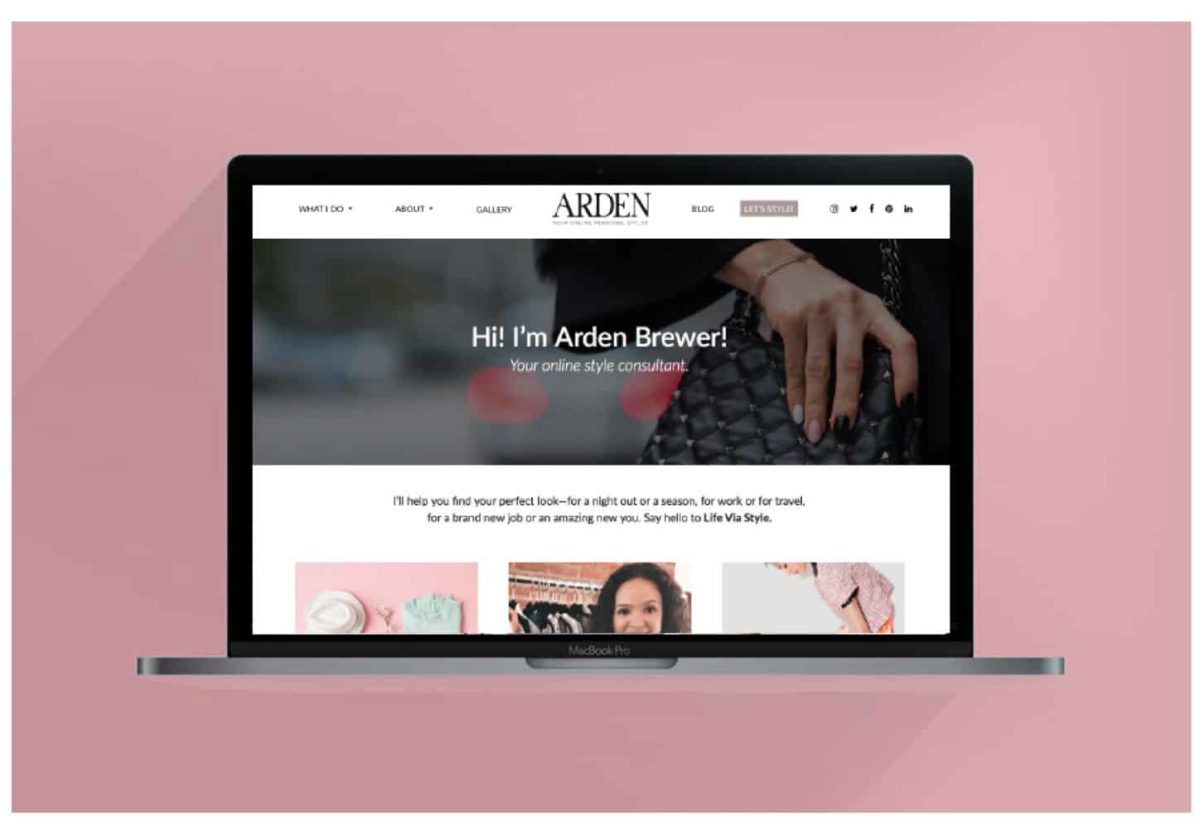
Arden

Categories
Uncategorized

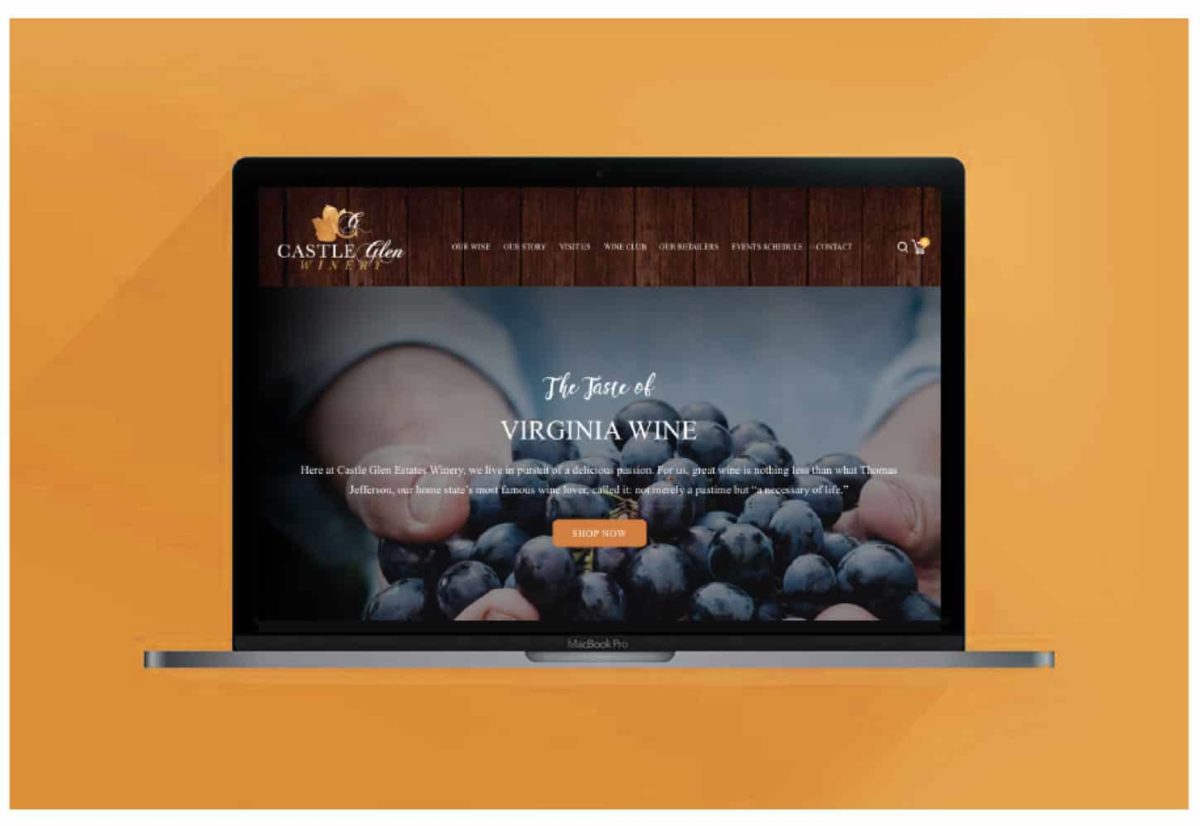
Castle Glen Winery

Categories
Uncategorized

Enovate

Categories
Uncategorized

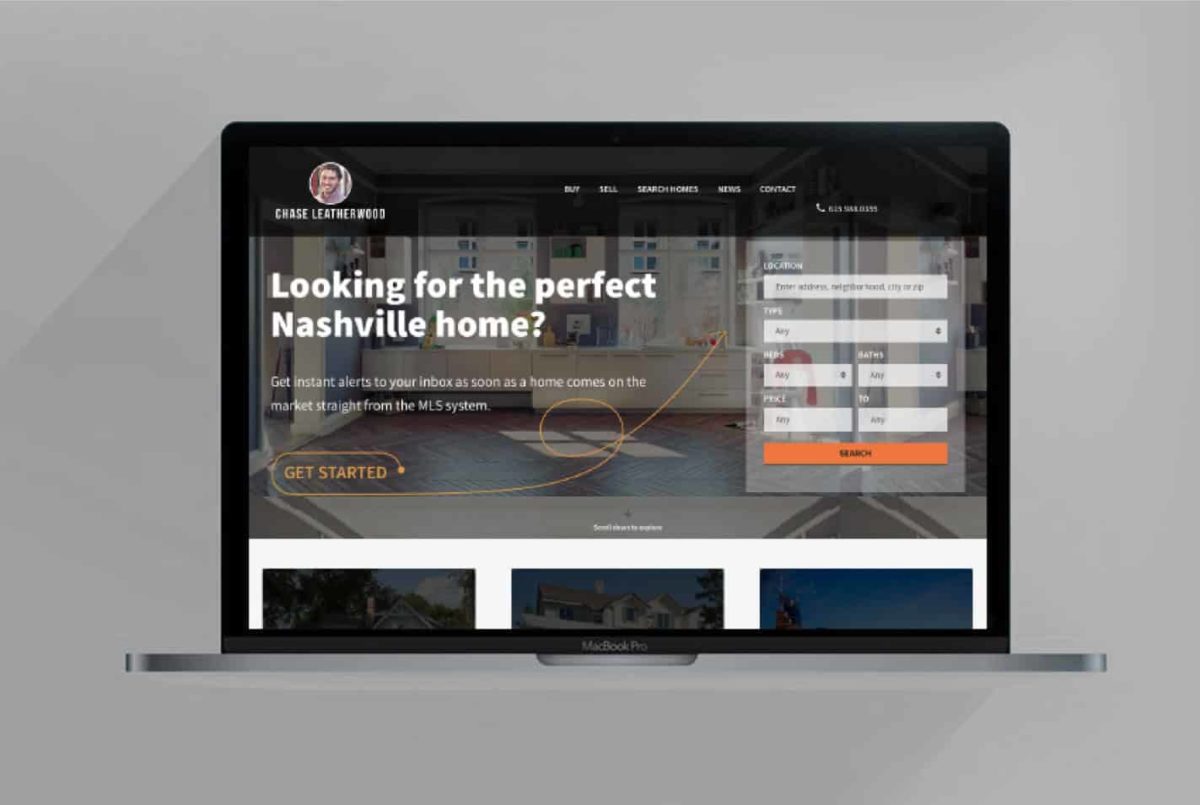
Chase Leatherwood

Categories
Uncategorized

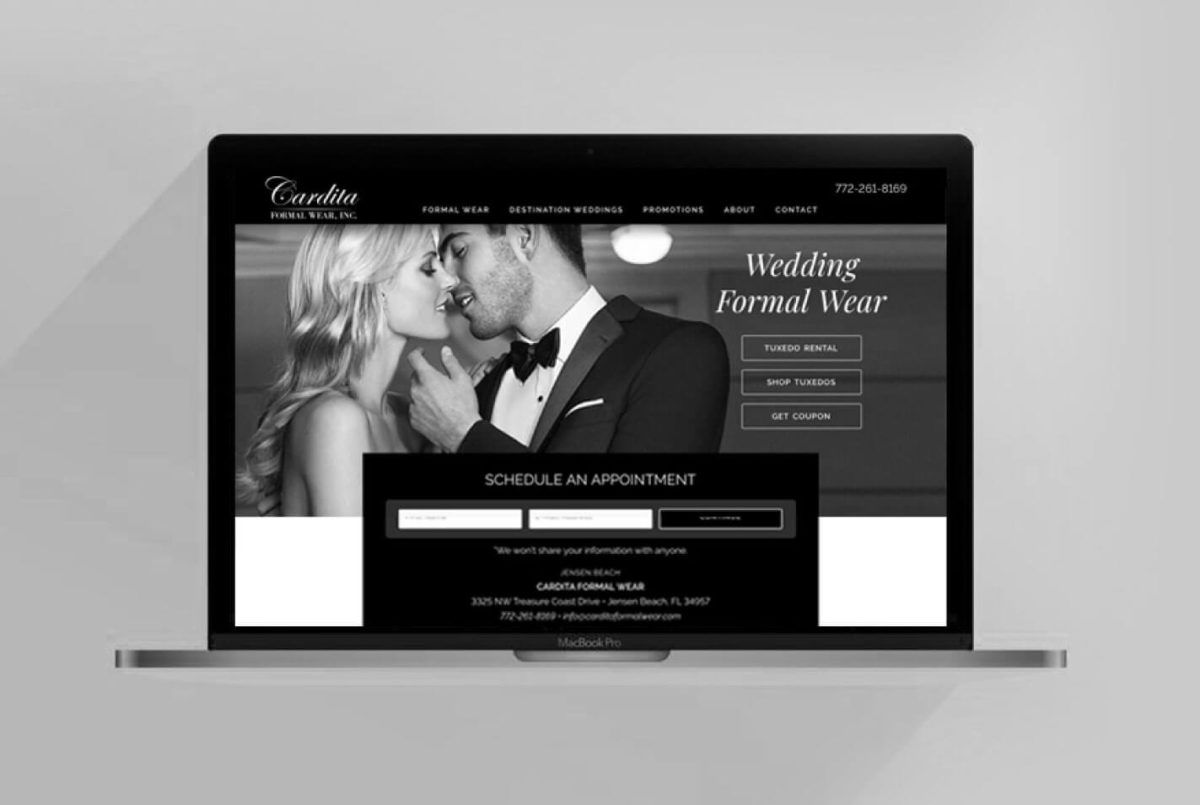
Cardita Formal Wear

Categories
Uncategorized

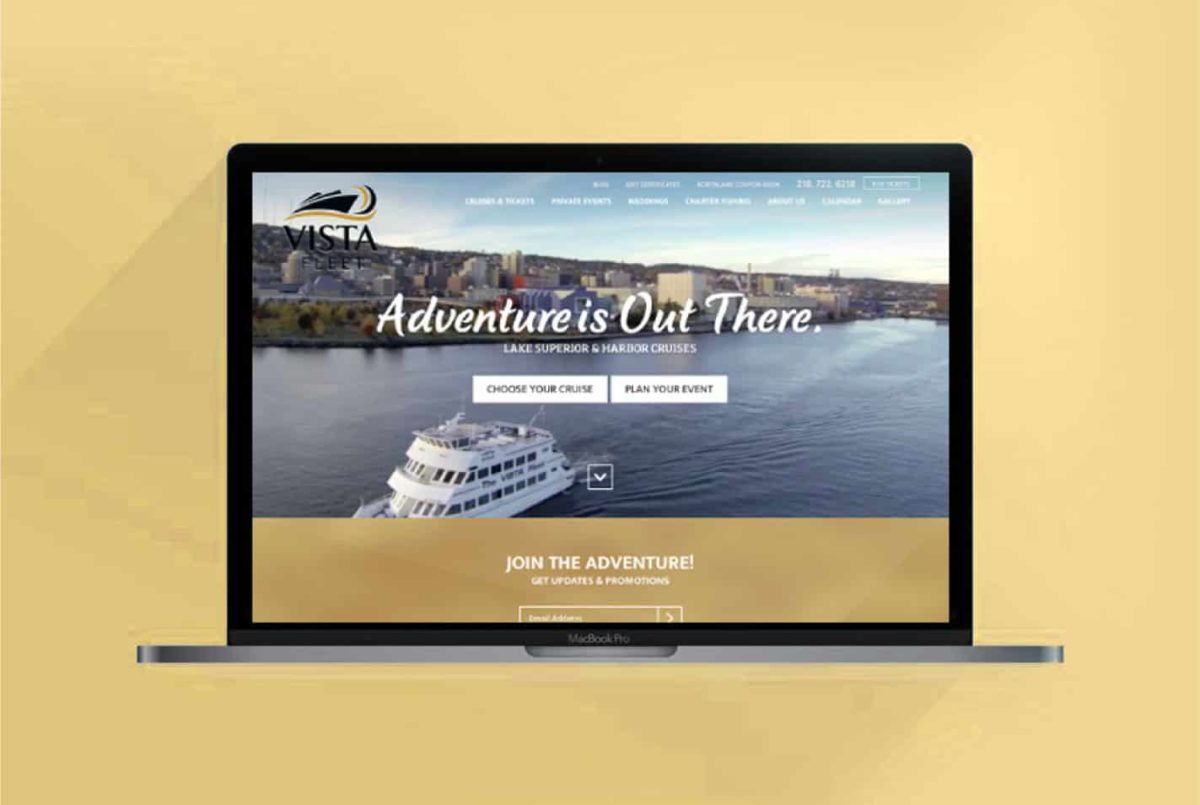
Vista Fleet

Categories
Online Marketing SEO Tips and Tricks

8 Ways to Boost Your Local Search Engine Ranking

8 Ways to Boost Your Local Search Engine Ranking

It’s a small world

Yes, the Internet allows you to reach consumers halfway across the globe. Connecting people from far-flung regions to one another, and spreading information among them at unprecedented speeds, is the first thing most people think of when you ask them what the Internet is for. But, unless your organization is a massive global chain, it’s likely that you don’t actually want to get the word about your products or services to folks in Japan, Australia, or Greece—instead, your goal should be to reach the customers who can walk up to your location, not just appreciate how nice your website looks.

And, since 50% of customers who do a local search on their smartphone visit a store within a day, and 18% of those searchers make a purchase within the same timeframe, you really want to show up on the first page of those search engine results. Don’t worry—we’ve got some tips to help you get there!

  1. Take a NAP 

This one seems like a no-brainer, but make sure your NAP (name, address, and phone number including the area code) are set up as crawlable HTML text, most likely in a sidebar or the footer. Don’t incorporate your into an image, since search engines won’t crawl those as they will HTML! It’s no good having the information, if the search engine can’t see it.

  1. Create location pages

If you have more than one brick-and-mortar location, set up a unique location page for each store. Those pages should include, at minimum, your NAP, store hours, information about parking (and transit, if applicable), and individual promotions and testimonials. Don’t duplicate content across locations!

If you only have one location, no worries. Just create a locally descriptive “About Us” page, and put all your necessary information—and a taste of brand personality—in one place! 

  1. Be a local authority

It’s a basic principle of inbound marketing that your company should provide consumers, not just with high-value goods and services, but useful and educational content to go with them. The same thing applies on a local level—if you’re catering to a particular geographic area, tailor your content to benefit the people who live and work there. Promote local industry gatherings, share regional news and employee spotlights, and plug your area’s arts festival and other community events.

  1. Keep tabs on inbound links and citations

Inbound links go from another domain to your site; citations are just mentions of your business name and address, without that link. Verify the consistency of your business address across as many sites as you can, especially at places like Express Update and My Business Listing Manager that help provide the data to construct Google Maps. Just like your NAP, information is useless if it’s in the wrong place (or downright wrong).

  1. Build goodwill

Plug other local businesses that might be able to return the favor—if your company sells tea, you’ve got a natural connection with another local company that makes teapots. This strategy can help you earn those local links, and build relationships that can benefit your organization down the line.

  1. Blog, blog, blog

Every new blog post means a new indexed page for your site, on which you can target a geographic search phrase. Which means a new opportunity to get found by search engines. Don’t get carried away, though, and overload on SEO keywords that can drown out your brand’s voice—instead of making a keyword salad, try using case studies and customer success stories for that local punch.

  1. Make it easy to leave reviews

If the process for leaving reviews isn’t smooth as extra-virgin olive oil for your customers, they won’t leave them at all. If your business has a Google+ page (which it should!), encourage customers to rate and review you there. Yelp won’t allow you to solicit reviews, but you can include their badge on your website, or tell customers that your business is listed there for potential review.

  1. Optimize for mobile

Again, this one is self-evident, but it bears repeating. Since mobile searches are what drive the majority of local-business site traffic—and, ultimately, local purchasing—it’s of paramount importance that navigating your website from a phone is painless. Don’t let those design constraints compromise your brand’s voice; the goal is to express the same essentials, in a smaller-screen package.

Want to climb those local search-engine rankings, but still having trouble getting started? Your virtual marketing department at SocialLink can help with that.