Categories
Featured News Online Marketing Tips and Tricks

Branding from Within: Why Internal Marketing Matters

Internal Marketing Matters

Before you read this, make a list—go ahead, I’ll wait—of the kinds of people your organization markets its goods or services to. Think about those carefully-crafted buyer personas, all the demographics you work so hard to attract and the needs you strive to satisfy. Who’s included in your target audience?

If your own company’s employees didn’t make that list, it’s time to start rethinking your approach. How can the people behind your organization’s product perform at their best, and hence contribute as much as they can to selling it, if they’re not fully invested in the brand and what it can accomplish? This goes double for employees who talk to your customers every day—how can they sell a message that they don’t believe in?

What is internal marketing?

Internal marketing is based in the idea that every individual an organization employs contributes in some way to its culture, and that culture then filters down into every interaction a potential customer has with the company. Happier, more invested employees make for a more positive, unified, and powerful external representation of the company—which makes for more (and more satisfied) users. Internal marketing means treating the employees who make your product possible as if they’re also consuming it. (Bonus: happier employees mean less turnover, and less money spent on recruitment and training.)

Why bother?

You might assume that the people who work for your organization, who live with it day in and day out and need its sales to stay robust in order to get paid, don’t need convincing as far as the brand’s value is concerned. Unfortunately, it’s all too easy for individual departments to become insular, focusing only on the success of a research project or an IT overhaul, and not on how those things fit into the mission of the company as a whole. And in an environment where every team or department appears to operate in a vacuum, individual employees can grow disillusioned and cynical, feeling as if their contributions—or even the whole organization’s goals and brand—are meaningless.

Let’s say you work at a hospital. The quality of experience that a patient has doesn’t just depend on the care they get from the clinical care staff, but on the workers who serve their meals, change their bedding, and process their insurance. If that hospital’s staff takes the time to create a caring and personalized experience, whether it’s through efficiently handling a patient’s financial paperwork or through taking the time to accommodate specialized dietary needs, those patients are far more likely to maintain brand loyalty. But it takes every hospital employee to make that happen, and getting to that point is where internal marketing comes in. 

Skip the trust falls

Internal marketing isn’t about pulling employees from different departments together for bonding exercises, nor does it mean you have to send out an exhaustive weekly newsletter detailing everyone’s accomplishments. Approach the members of your organization as you would a group of consumers; interview them about their work experience, send them surveys, and get them into focus groups to hear what they have to say.

You’re looking to foster a culture of enthusiasm, creativity, and expertise, as well as brand loyalty. Use what you learn from those surveys and interviews to create a culture that helps everyone who contributes to your company feel respected, valued, and empowered, and to build an organizational vision that they can believe in and support. Once you’ve got an idea of what your campaign needs to address, content made just for employees (like an anthem video, which gives them a cause to rally around and focus on) is the first step towards rolling out a successful internal marketing campaign.

Some more tips: invite discussion and constructive criticism of your company’s inner workings, make professional development opportunities widely available, and ensure that everyone understands the direction the organization is headed in. Bring key employees into the discovery process, so they have a tangible role in researching your clients’ marketing strategies, business goals, and operations, so when they work with clients they’ll be implementing strategies they helped to make. Above all, the goal of an internal marketing strategy is to establish an emotional connection and personal relationship with your brand and what it has to offer, just as you would with a potential customer.

Feeling stuck? Not sure how your company’s anthem starts? Our team of experts is here to help with all your internal marketing needs.

Categories
Digital Marketing PPC Social Media Social Media Marketing Tips and Tricks

Your Brand’s Many Voices: Adapting Your Brand Message to Various Marketing Channels

Make Your Brand Standout

It’s not exactly news that your website’s users spend more time than ever before on smartphones and tablets, and that companies are responding by investing ever-bigger chunks of their digital marketing budgets on mobile advertising. Bluntly, if you haven’t optimized your company’s website for use across multiple devices—not to mention established that crucial social media presence—by now, you’re behind.

But, when you’re faced with what seems like a blanket imperative to get all your content and every angle of your brand message on every channel that you can, it’s all too easy to forget that each way of reaching your potential customers has its own strengths, weaknesses, and audience. And it’s important to adapt your strategy accordingly. What boosts conversion rates on your tablet website won’t always be the same thing as what makes your Facebook presence tick—and having a unified brand doesn’t mean that you can’t change things up to exploit those differences.

Dig deep into your buyer personas

To understand what makes each of the channels you’re using (Facebook ads, your company’s blog, email blasts, even QR codes if you’re working in a brick-and-mortar context) effective, check in with the buyer personas you’re dealing with: who’s consuming this? Where are they coming from, and what are they looking to get out of it? What’s their demographic, what will put them off your product or service, and what are their unique pain points?

One user might arrive at your company’s website through a Google search for the specific product or service they’re looking for; another might get there through an aimless scroll down a social feed that brought them to your eye-catching video. Understanding who your users are, by using what your analytics can tell you to build a set of detailed buyer personas, can help you produce channel-specific content that’s tailored to the needs of the people most likely to use them.

Remember, too, that your brand’s message can (and should!) be versionalized to fit the distinct personas your campaign is aimed at. If, for instance, you work for a company that makes electric scooters for seniors, your potential customers include both the people who will be using the scooters and at their adult children, who might be scooter-shopping out of concern for a parent’s welfare.

That senior isn’t likely to feel motivated by an ad that depicts them as someone who can’t manage on their own. They might even find it offensive. And likewise, an adult child looking for care solutions isn’t going to be as jazzed about an ad billing scooters as a means to achieving increased independence, as they are about one that presents the same item as a tool for easing an aging parent’s circumstances and giving them some peace of mind.

By applying classic inbound techniques to create highly-targeted content based on buyer personas and specific to the channels users arrive at your site through, your marketing department can make adapting your brand’s message a snap.

Channel Surfing

It’s also important to consider, not just who’s using each channel your organization markets itself through, but what users come to those channels for in the first place. On LinkedIn, which connects businesses with other businesses, the tone skews corporate; your potential customers go there to look for work, professional connections, or content that can make the jobs they already have easier. Facebook works by forming informal social connections—users go there to hear about their friends’ lives, and are looking for more casual, informative content that forges links between businesses and consumers. And Twitter runs on its users’ desires to stay up to date and connect with people and institutions (celebrities, government representatives, and industry trend-makers) that they might not have much contact with in their physical lives.

A good marketing department can retool the messaging your organization uses on each of these channels so that it fits in with their overall function in users’ lives, while maintaining a consistent sense of the brand’s essence.

Make sure you have the basics covered

It seems like a no-brainer, but make sure your website is optimized across all types of devices: desktop and laptop computers, smartphones, and tablets. If your company has its own app, keep that running smoothly.

Same goes for the many types of content that your company provides. Is the type on that blog post too small to read on a smartphone screen? Does the graphic you’ve painstakingly crafted to showcase your brand stubbornly refuse to load in an email? Are you losing traffic by directing users from every channel to the same landing page, which doesn’t necessarily cater to all their needs?

Don’t choose form over function

As important (and exciting!) as it is to put the specialized tools each channel can give you into action, don’t forget that there is a unified plan and message behind all of them. Every channel you operate through should feature inbound marketing at its best. Educate users with valuable content, rather than just pushing a sales pitch!

And, no matter what channel you’re working through, ask yourself: what do users need to be able to do here—place an order? learn something new? get on your mailing list?—and can they accomplish those things easily? Tools like closed-loop analytics, which measure which channels are most effective, which ones influence other channels and how, and which ones aren’t doing your company any favors, can help you figure out what strategies are working to convey your brand’s voice, and what can go the way of the dinosaurs.    

Having trouble getting started adapting your brand’s message to fit the channels it’s coming through? Your virtual marketing department at SocialLink can help.

Categories
Blog Digital Marketing Featured News Online Marketing Sales Tips and Tricks

If You Want A Following, Lead: Why Copying the Competition Doesn’t Work

Do what you do best

Your biggest competitor just rolled out a new social-media campaign, and it looks like it’s drawing in a ton of visitors. Or maybe they’ve redesigned their website, so everything about it is bright and shiny (especially the conversion rates it’s getting). Meanwhile, your company seems to be stuck in stasis, plying a strategy that just isn’t achieving the success that the competition has.

It can be very tempting to decide that the way to get similar results for your own organization is to copy what’s worked for someone else, and change your whole marketing approach in order to keep up. But this strategy only looks appealing—and, at the end of the day, it’ll do your brand more harm than good.

Your rivals don’t know everything

In all probability, your competition has no idea why their approach is bringing in better results. Let’s say they’ve redesigned some of their landing pages, and are getting higher conversion rates out of the new look. Most likely, they haven’t done much testing or data gathering to figure out why that is the case, and that alluring new layout was dreamed up in the first place either by a committee of opinionated employees who didn’t look deeply into the data or by a web designer who was pressed for time and made something based on their own opinions about what’s functional and what looks pretty on a screen. 

Often, your competition has cribbed their marketing or design moves from one of their competitors, who also probably don’t know why a particular tool or strategy works the way it does. And the last thing you want is for your own online presence to come across as a third- or even fourth-hand imitation.

You’re not a magic 8-ball

Unlike that astute device, you don’t know all, see all. You have no way of knowing what’s going on behind the scenes at a competing organization; what looks to you like a fantastically successful campaign may not actually be going so well for the people running it. External stuff like site layout or social media advertising tells you nothing about the internal workings of your competitor’s strategy, so don’t assume that something is great just because it looks snazzy.

Your brand gets lost in the shuffle

Even if they’ve done consistent A/B testing and figured out what’s making their marketing campaign tick, and even if things are running as smoothly under the hood as they appear from the outside, what works for your competition won’t necessarily work for you. You’re in this business because you believe your brand has something unique and valuable to offer, right? So why would you compromise on that vision in the very places where potential consumers encounter it for the first time?

Imagine that you work for a company that makes bath products—body washes, bath bombs, etc.—and you’re trying to build a following on Instagram and Twitter. Your biggest competitor has recently started racking up more followers seemingly by the minute, by making image-heavy satirical posts that reference current events and make jokes about “keeping it clean.”

Before you start writing copy like you’re submitting to the New Yorker cartoon caption contest, check in with your brand’s innate personality, values, and marketing goals. Maybe funny doesn’t work for you, or maybe you’ve committed to an image centered on providing a product that transcends its era. Long after your competition’s humorous reference points have faded into yesterday’s news cycle, your company will still be making classic bubble bath, not just for an age but for all time.

Lead the way

It’s easy to forget about your brand’s unique strengths and goals in the rush to get the results the competition’s getting by doing what they’re doing. But that kind of copying means that you’ll miss out on the chance to be an innovator in your field. Your organization is better-off, in the short and in the long term, with a marketing plan tailored to its own goals, and designed to help them lead. Every brand is different—so why should you settle for a campaign like everyone else’s?

Need a marketing plan that’s tailored to your brand’s goals, but not sure how to get started? SocialLink’s virtual marketing department has you covered.

Categories
Digital Marketing Featured News Online Marketing Tips and Tricks

They’ve Got the Bucks, You’ve Got the Brilliance: How to Level the Playing Field

Leveling the Playing Field

You’re starting out in an industry dominated by companies bigger than yours, with marketing budgets way beyond what you can dream of. You know your brand has something special to offer, but you don’t know how to get word about your product to its potential consumers without breaking the bank.

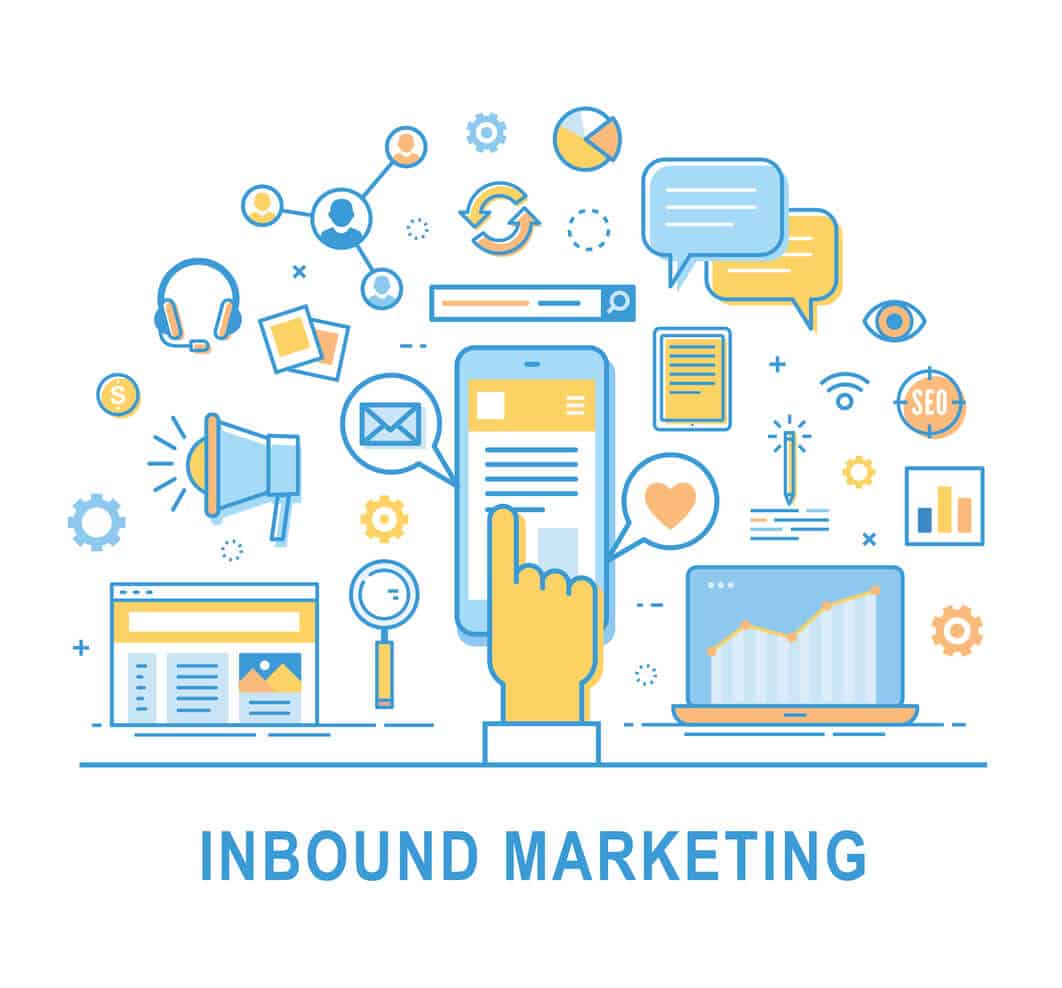
Inbound marketing, which allows you to compete with major players in your field without spending the kind of money those organizations command, can make it happen.

Effective doesn’t mean expensive

As numerous recent studies have indicated, social media advertising is one of the most effective ways to reach a potential customer base. Users are generally more open to advertisements in a social context, when they’re thinking more about how cute the pictures of their niece’s new baby are than how companies like yours are out to reach their eyeballs.

Not to mention that, with inbound marketing strategies, you’re creating content that gives users value and builds awareness of your brand without being a direct sales pitch—and, as users who enjoy that content share it organically, you get free advertising.

Best of all? Advertising on social media is the cheapest strategy going.

Size doesn’t (always) matter

Inbound marketing also allows you to target highly specific audiences. Instead of taking out a billboard that might be seen by 1,000 people in a day, to only 80 of whom its message is actually relevant, Facebook’s advertising tools will allow you to make sure that the only people who see your ad are the people who might be interested in your product—and you can narrow the field by using a huge range of factors, including not just age and income demographics but also recent life events (i.e. a move, an engagement, a medical issue) and demonstrated interests (such as artisanal jams, medieval music, or deep-sea fishing). So your campaign doesn’t have to be huge—it just has to be specific.

And the principle of specific reach over broad-spectrum advertising applies to your company’s website, too. You don’t have to get a team of developers to build you a lead-generating machine from scratch; you can get professional-level lead ecommerce and lead generation sites by using WordPress and similar platforms. It’s all about knowing what tools to use, what kinds of user behavior to measure, and what to tweak once you’ve got that data.

The magic word: Value

One of the fundamental principles of inbound marketing holds that you’re more likely to get customers (and keep them) if you’re providing them with some kind of valuable content, in addition to the actual product you have on offer. You’re trying to carve out a niche with a unique offering and build a loyal following, not drown out the message your major (i.e. generously-funded) competitors are sending.

Focus on what you have to offer, and how you can communicate that offer most effectively. Big companies dominate, but emerging companies earn loyalty—and loyalty is the very thing inbound marketing is designed to help you cultivate. If you can use its techniques and principles to find people who think like you and offer them content and goods or services of value, you’ll be leveraging exactly the tools you need to compete with the best and biggest organizations in your field.

Not sure what inbound marketing is, or how to put its magic to use? Your virtual marketing department at Social Link can fix that.

Categories
Blog Digital Marketing News PPC Remote Sales SEO Social Media Social Media Marketing Tips and Tricks Web Design

Virtual Marketing Departments Are the Future. Here’s Why.

What comes to your mind when someone mentions a market? Of course, you will visualize a place where suppliers have brought their wares for sale and consumers flock to pick and buy what they need. That is as far as a non-specialist would go. From a professional marketing perspective, the marketplace involves more than buying and selling. A marketer should not only know their product and target consumers but also be able to outsmart the competition. Marketers of the future must be well conversant with emerging trends, changing cultures, working without barriers and this is the point where virtual marketing enters the foray.

Why are these departments the future of advertising? Below are the specifics.

Independent thinkers not constrained by space

People who work independent of in-house marketing departments have better thinking and problem-solving ability. Their exposure to working with different clients helps them develop an unusual understanding of concepts. Working from a remote location enables you to use your mind without barriers or constraints. You do not get stuck in a cubicle sitting and waiting for instructions. Besides, sitting in surroundings that inspire creativity yields more fruits than one would ordinarily expect when working from an office. Virtual marketing departments helps a professional touch base with marketplaces and interact with technology that makes it happen.

Fearless and open-minded risk takers

Established companies are now adopting the approach of harboring virtual marketing departments where no employee needs to come to the office. Remotely working people are productive since:

  • They have more exposure than their indoor peers
  • They can take risks without fear
  • Work in a stress-free environment
  • They are an open-minded lot

Look at in-house marketers, do they have time for learning about the latest brand promotion, content curation, SEO or social media interaction? You bet they do not. How can they when there are mountains of daily tasks that leave them with little room to evolve, change and grow?

Massive investment in trending and current tools

On the contrary, virtual marketing deparments allows agencies the opportunity to invest their time and monetary resources in learning about trends, technologies and existing options. They have endless learning opportunities and do not charge you anything extra for this. Recall that at the onset, we mentioned something to do with working remotely. Not having a physical office helps channel the resultant savings to clients.

No fretting over marketers’ salaries and benefits

Looking at marketing from a cost perspective, marketing professionals do not come cheap. If you decide to hire a fully-fledged team here’s a sneak peek of what you might need:

  • Web designer
  • SEO marketer
  • Graphic designer
  • Marketing manager
  • Social media manager
  • Content writer

If you decide to pay these professionals a salary, you cough up to between $300,000 and $400,000 a year. Mark you, these are only the basic emoluments. There are other staffing costs such as training, paid vacation and health care. Hey, do not forget days where you lose productivity when employees call in sick and those that go on maternal leave. Virtual marketing department professionals do not cost this much. Instead, an agency will negotiate a retainer or stick with agency commission.

Tapping into the hitherto discovered internet potential

Much of brand promotion these days takes place online; that is an undeniable fact. Here then comes the problem; the internet is home to billions of websites and a similar number of information-hungry consumers. How do you draw their attention? Some of the tactics you need include:

  • Newsletters
  • Posting key-word optimized blogs
  • Banner Ads
  • Running online events to gauge customer interest
  • Creating content that links your URL
  • Converting leads to sales

The result is that you not only get traffic but you also need to use it valuably and quickly. In-house marketers may find it overwhelming since they must keep shunting from strategy to monitoring and evaluation. However, leave this task to a virtual team, and you will be surprised at the results.

Virtual marketers as a one-stop shop

For any campaign to succeed, you cannot separate marketing and strategy. A virtual marketing department offers you:

  1. Top-notch Communication

If you want to grow your customer base and increase sales, you must keep differentiating your value. Sadly, if customers are unaware of the added benefit, they remain adamant. Assume that you are in the soft drinks industry and would like to offer your product in a slightly higher quantity but at the same price. Your target consumers need to know this, and it can only come from a carefully executed strategy.

  1. Analysis of the market

To understand your market, you must go out of your way and conduct market research. Part of it involves interviews, questionnaires and brand activations. If done intensely, the feedback helps in understanding what customers want. Moreover, you can use this information in tailoring your strategy in future.

  1. Development of advertising tools

One of the principles of marketing is to keep bombarding your prospects with brand images and information. You could use print or TV ads, digital signage, billboards and online banners. As the people on the ground, virtual marketing departments help you create content that targets your niche or audience explicitly.

  1. Search engine optimization (SEO)

Building a website is a step in the right direction. However, you should not sit comfortably thinking that you have now hit a goldmine. The site needs optimizing, i.e. getting the consumer to find it in an online search. Marketing professionals use different approaches for this, but the most basic is by use of keywords.

  1. Management of advertising budgets

Usually, businesses set aside enormous budgets for marketing purposes. Unfortunately, much of this ends up getting wasted owing to poor strategy, using unnecessary media and targeting the wrong people. However, virtual marketing departments help cut you the slack by devising well-researched and meaningful advertisement. You may have good ideas but fail to capture the right channels. Part of the dilemma could be:

  • How do you get your ad to run on TV?
  • Must the advertisement be on TV, why not radio?
  • Is internet a better option than other channels?
  • Would a billboard do any better?

To answer these questions, professional marketers have in their stable media managers, planners, executives and buyers. Since they engage with media platform owners on a day-to-day basis, they can expertly identify what serves you best. Besides, you stand to benefit from discounted rates and well-placed ads where target audiences will see them. Such an approach saves you money and yields better returns on investment.

Independent contractors, reduced operating costs

With a virtual marketing agency running your advertisement needs, you save a great deal of business operating costs. First, there are no full-time employees to keep in mind. Second, you do not have to worry about salaries, medical care and other benefits. Running an advertising campaign involves other costs like the use of graphic design software, shooting a TV commercial, photography and so on. Marketing agencies either have these resources or know where to find them cost-effectively. Since they engage these services on a large-scale basis, you do not spend much money as compared to what you could have paid if you went out solo.

Wrap-up

The fact that virtual marketing departments are the future of advertising is not in dispute. Remotely working marketers are free-minded people who are not held back by rigid rules in an organization. They are free to brainstorm and try different things before finding out what works. At the same time, they are not afraid of taking risks. You have nothing to lose here since you are a recipient of the final product.

The future of marketing belongs to those entrepreneurs that have invested in the right tools that have kept up with the present times. Moreover, rental office space can be costly and inconvenient. Virtual marketers are flexible enough and can work from anywhere if they have laptops and fast internet connectivity.

Regarding remuneration, marketers command high rates. Hiring your in-house team is costly and could pose an organizational challenge. However, with an independent group for your assistance, it is none of your business how they manage their affairs. All you care about is that they deliver on the agreed objectives.

The internet remains mostly untapped. From where you sit as a business owner, there are areas you have never ventured into and perhaps, never will. A virtual marketing department brings together talented individuals who are at the top of their game. Each one is a specialist in SEO, social media, graphic design, ad placement, analytics and so on.

Besides, these professionals are like a one-stop shop where you get everything you need under one roof. Once you hire them, you not only enjoy economies of scale but also stand to benefit from a wealth of experience in a cost affordable way.

You can, therefore, see why virtual marketing departments are the future. Advertising is dynamic such that what works today may not be viable tomorrow. You need people that keep adapting to change and innovation. Of primary concern is getting value for money without spending more than you had initially budgeted.


Categories
Blog Featured News Online Marketing PPC Social Media Marketing

Do our devices show mobile ads based on our conversations?

Does Social Advertising Pop Up After A Conversation? Here’s Why.

Have you ever experienced a case where you talk about a certain product and the next thing you see online is an advert for the exact product? Many people have. The advancement in technology has brought diverse approaches to marketing. Targeted and user-generated advertising is one of such approaches although it has been around for a while. There are a lot of concerns that people should be careful with whatever they do online including signing the “Never-ending Terms and Conditions” which in most of the cases, nobody reads fully, and only rushes to click the “Accept” button. This article covers a comprehensive discussion on how social ads pop after people’s conversion, as well as the reason for such occurrences.

Digital marketing has brought new marketing approaches

It is an undeniable fact that the digital age is the cause of the new changes experienced in the way business market their services and products. A lot of advancement is notable in the manner in which advertising is carried out nowadays. Nevertheless, it is no doubt that online advertisements and the general approach to marketing have become so specific in comparison to the usual ads that you are used to seeing, which apparently, depending on your Google searches. There are many advertisements, which you will come across that have a close relation to the things that you have not searched online, any other time, but most likely, things you have had a conversation about. Such cases are common among users of the common social media platforms such as Facebook and Instagram. The only natural question when one sees adverts on things they have been talking about on phone is whether social media platforms are listening to their conversations.

Is social media targeted advertising based on our conversations?

With the seemingly endless social media platforms as well as the available customization options, the social advertisement is becoming a common way for brands to create awareness of their products and services. Such advertising approach is incredible profitable but requires the input of social media marketing experts to bring out the necessary aspects of social media ads for it to make the necessary impact as far as achieving the goals and objectives of a business is concerned. Nevertheless, the concerns about targeted advertising are becoming common. Why do the ads pop up after a conversation about the given product or service? Probably, there are several reasons to account for such events but the most plausible ones are two –one, the possibility that companies are eavesdropping on conversations that people make through mobile microphones, or two, there are sophisticated algorithms in use.

Do you think about the information you leave online?

The online space is full of all sorts of people and machines. Some machines are data-hungry and in spite of this, we keep feeding them with sensitive information without being cautious of what happens when we are logged out of the online platforms. Some of the machines have tracking capability and troll on you and the information you feed them. The increased use of tracking applications such as the GPS and other apps is to blame for some of these leakages. Did you know that your phone could keep a track of your location and conversation details? The information that you manually input on the devices you use everyday can be a significant way to which companies can track what you really need next. The devices we use every day know much about our daily patterns.

For the past years, there have been cases of reports on social media platforms being suspect to spy and listen to people’s conversations via microphones installed on mobile phones. While such actions are at times done for good reasons, the challenge comes in when we do not know the percentage of such information shared with the world. Specifically, how do these companies learn about our conversations?

  • They obtain information through our phone’s microphones

The first assumption is that the companies sending out targeted ads learn of our conversations is that they are listening to people’s conversations through the phone’s microphones. In spite of this, Facebook and Google have, in the past rejected the clams that they use our phone’s microphones to listen to our conversations and later created targeted ads. Nevertheless, the rejection of such claims is not an assurance that it does not happen. According to a report by Terra Ferma Media, Google listens and records all the conversations for people with android phones. Perhaps, the same is happening to Apple users. In 2016, Facebook issued a statement to deny the allegations that it does not listen to people’s conversations to create newsfeed or targeted ads. Considering the fact that Google owns Google Maps and YouTube, while Facebook owns Instagram and WhatsApp, it is no doubt that these two companies have many details about the users of any of these social media platforms. If need be, they can use such information for their own benefit.

  • The use of clever algorithms

All social media platforms are based on algorithms. For example, Twitter is known to run on a fast algorithm, which shows trending issues depending on several rules such as the number of people engaging the conversations about certain topics. The same concept of the algorithm might be in play in the other social media platforms such as Facebook, YouTube, etc. Have you seen a case where Facebook classifies your friends depending on how close they are? In such a case, it bases such categorization on the interactions you have with your friends on Facebook. Perhaps, you have a close way of thinking with your friends, which implies that you and your friends will tend to have interest in similar topics, events, etc. The assumption here is that, whatever topics your friends are hiding, liking, reading, or searching, and making follow ups, could be of similar interests to you, and hence Facebook and other related social media will show you such ads related to your close friends’ searches. This is how clear social targeted advertising works.

On the other hand, it is not possible to overlook the wealth of information companies advertising through social media have regarding their target audience. With such information, it is possible for these companies to do selective adverts depending on people’s interests, their gender, location, etc. Undoubtedly, such are the approaches that companies are using to make targeted advertisement on social media platforms.

  • Cookies and remarketing

Even though, there is no doubt about that targeted advertising on social media is a product of either company eavesdropping on conversations, or the use of cleaver algorithms, it is important to be aware of how cookies and remarketing works. A cookie describes a small code that any website you visit asks you to leave and leaks information to the owner of the website on the pages that you visit. For example, if you are a constant user of Amazon, you will notice that some products you clicked will start being advertised on your social media platforms. The cookie application reminds the website the products that you were searching and hence, you are shown them regularly. As such, the combination of the use of cookies and remarketing can be considered an effective way why you see products on social media sites that you might have searched for them elsewhere such as on Amazon. Irrespective of the time you searched for a given product on Amazon, it will at one time advertise that product and similar others to you in your lifetime.

So, what conclusion can we have? Google and Facebook, the two internet giants have denied their involvement in social media targeted adverts, but it is still hard to believe it. On the part of the use of a clever algorithm, there are a few aspects that make the highest contribution. First, there is a possibility that the sophisticated algorithms that the majority of the social media companies use can collect data from people’s close groups and use it to predict one’s preference. Secondly, companies that advertise on social media platforms have a wealth of data on social media users, enough to make targeted advertisements based on certain characteristics. Thirdly, it is likely that social media platforms store data regarding the habits of the users and use it to make customized adverts. Despite the fact that it might be hard to come to a comprehensive answer about why social media ads pop after conversations, it suffices that the combination of the above three factors plays a significant role in targeted social ads. While, Google and Facebook might have denied their involvement in listening to our conversations, it is not like they would shout that they are really doing it to make their advertisement. So what can we do? We are not going to stop talking or avoid searching information and products online but be cautious. After all, there is no harm in getting targeted ads. The only harm is the thought of your information being used in the wrong way. It is important, though, to be careful about the sites you leave your sensitive data with.

Categories
News Online Marketing Tips and Tricks Web Development

Hubspot Partners of Nashville: We’re On The List

Hubspot Partners of Nashville: We’re On The List

Hubspot partners of Nashville now include Social Link marketing agency specializing in providing tools and services for lead generation and more online sales. Our recently signed partnership with HubSpot means we can provide you better tools and we cannot keep the excitement to ourselves. Social Link is a performance-based virtual marketing team that helps businesses grow through lead generation, strategy, web development, mobile marketing, SEO, social media marketing, graphic design, and content development.  Over the years, Social Link has successfully offered clients outstanding inbound services. Social Link has no limitations for local talent and this has played a key role in building a great team for businesses in different parts of the world to improve the brand and culture, as well as work towards achieving their objectives. Working virtually helps in lowering overheads since businesses do not have to worry about taking care of unnecessary bills. Overly, the availability of strategic experts in inbound and virtual marketing means a lot to businesses as it guarantees success and consistency of results.

About HubSpot

HubSpot ranks among the leading sales and marketing platforms. It was started with the aim of making the world more inbound. Presently, HubSpot offers support, services, and software to over 90 countries where more than 15,000 customers use such services to improve ways of attracting, engaging and delighting customers. According to VentureBeat and G2Crowd, HubSpot’s inbound marketing software is number one as far as assuring customer satisfaction is concerned. The software focuses on social media publishing, reports and analytics, marketing automation, email marketing, website content management, SEO, blogging, and social media monitoring. It also runs an application, Sidekick, which makes it easy for sales and services teams in any company to communicate efficiently with customers, prospects, and leads.

What does our partnership with HubSpot mean for you?

Our goal as a virtual marketing company remains to offer the best results to all our clients. Our partnership with HubSpot gives us the platform to assure our clients cutting edge marketing approaches, as well as the use of advanced technology to offer services of high level and outstanding results to all our clients. We have improved our services and the strategies that we recommend to our customers through the adoption of new marketing resources and tools to help them grow. Here are some of the benefits that come with our partnership with HubSpot:

Expanded service offerings: We have improved the services we offer to our clients. For example, we will be in a position to offer more customized services and results by leveraging the power of page views, new customer revenue, and landing page conversions.

Offer highly sophisticated campaign strategies for our clients: With our virtual approach to marketing and the partnership with HubSpot, we assure you of more personalized marketing campaigns. For example, we will be able to create targeted social media campaigns, special tracking links, etc. with the aim of boosting our clients’ engagement with their customers online.

Expansion past content marketing services: While we have been successful in our content marketing services in the past, our partnership with HubSpot offers a platform to expand even further. We will be offering a more customized approach to SEO through the creation of custom lead nurturing flows that stem from unique buyer personas. We will also, optimize landing pages and improve the conversion rate of our customers by increasing their web traffic and lead generation.

More strategies to prove ROI: It is possible to prove the ROI through form submissions and page views. However, the best way to establishing a company’s ROI is through the measurement of its revenue generation. With HubSpot on board, we will implement marketing automation for all our clients and get ROI reports direct at HubSpot. This is a significant move as it allows us to link up emails to page views generated, customers, as well as leads.

Advanced tools and technologies to beat your competition: The adoption of the HubSpot software in our inbound marketing comes with extra technologies and applications that will give your business a competitive edge. Considering the increasing competition online, the integrated HubSpot platform is a must-have for effective and innovative strategies.

Better ROI: We have redesigned our strategies to incorporate a variety of strategies backed up by the HubSpot software. We have done this to help our clients succeed in their marketing and increase the probability of a better ROI. As such, our new partnership is a win for you as we promise to take your marketing to an entirely new level.

What has put us on the list?

Being on the list of HubSpot certified partners is not an easy thing –it comes after much consideration of what an agency can do as far as marketing is concerned. In addition, it includes a lot of training to keep the agency up to date with the requirements of HubSpot’s software as far as inbound marketing is concerned. Here are some of the features that have contributed immensely to our being on the list, as well as remaining relevant to our customers.

Reputation: We have served many customers in different industries. We have a record of satisfied customers who have benefitted greatly from our outstanding services.

Credibility: We have all the necessary awards, accreditations, and licenses, which are important in developing customer confidence.

Experience: We are a master of what we do. We combine different inbound marketing approaches such as social media, lead generation, mobile marketing, content development, website design, and development, among others to give you the results you need.

Availability: We take pride in being consistently responsive and approachable ensuring that we attend to all our clients and offer them reliable solutions.

Technologies and tools: The tools and technologies that any marketing agency uses are an important factor to consider when choosing the suitability of an agency for your needs. You need to evaluate such tools against their ability to help you achieve your marketing goals and objectives. For example, an agency that uses the HubSpot software stands a better chance to provide better inbound marketing services in comparison to another that does not. The reason for this is that HubSpot integrates different marketing tools for effective management of all online marketing campaigns.

We are excited to be on the list of Hubspot’s inbound marketing partners of Nashville. In the past, we have offered exceptional inbound marketing services and the partnership with HubSpot just takes out services to a whole new level –we assure all our clients of advanced approaches to inbound marketing and a guaranteed improvement in traffic, lead generation, and ROI.

Contact us today if you would like a free trial and demo of Hubspot’s marketing and sales automation tools.

Categories
Blog Digital Marketing Email Marketing Featured News Online Marketing PPC Remote Sales SEO Social Media Social Media Marketing

8 Reasons To Hire A Virtual Marketing Agency

Running business operations requires much effort and time. It could leave you exhausted and at times, you end up with little or no enthusiasm. To avoid burning out just when you badly need results, you need to outsource some of the critical functions. Presently, everyone has embraced digital technology, and if your entity is not in line, you may end up lagging behind in your line of business. However, computer-driven media does not necessarily mean ditching the old platforms such as print media. Nonetheless, marketing can take many forms, but it is the digital ones that have a high potential for results.

How virtual agencies work

As the name suggests, virtual marketing agencies do not operate from a brick and mortar office. Every professional hired by the entity works remotely, but they are all interconnected online. If one has got internet linked via back office software, the workflow does not get interrupted. However, from time to time, the team needs to, and they do indeed meet up to map out their clients’ strategies. Their meeting place can be anywhere from your boardroom to a coffee break at an eatery.

Remain relevant

Whether you have any marketing background or not, you don’t need to be told that you must carry out intensive industry research. Launching a campaign of any magnitude without studying consumer behavior can have a severe backlash. You must understand the industry. Take for instance the print magazine that people used to love. Most of them have now stopped publishing hard copies and have moved their publications online. If you are in this sector, it would be detrimental to continue churning out volumes of papers and taking them to newsstands. Few people will buy them, but there are millions of readers online. Marketing agencies know about these developments and can guide you on the right strategies to adopt.

Does this leave you feeling scared of losing out in the competition? If so, there are compelling reasons for you to hire a virtual marketing agency.


You tap into the endless creativity

Virtual marketers can be a weird lot. If you have never met them, you should walk into their offices one day. They are the type of guys that come to work dressed in rugged jeans and t-shirts. You hardly see creatives adorning in suits and ties. However, you should not mistake this for a fun club since these are some of the most talented people you could ever meet. Their diversity regarding education and work experience makes them the go-to persons. Furthermore, their technological know-how and innovation in solving problems are second to none. Their teams come fully equipped with:

  • Creative directors
  • Skilled graphic designers
  • Copywriters
  • Media buyers
  • Media planners
  • Office assistants


Competitor evaluation

Virtual marketing agencies have an in-depth knowledge of the market where businesses operate. They know the approaches that work as well as those that do not. Following an intensive interaction with different clients, they can quickly adopt strategies that can easily turn around your fortunes. Take for instance campaigns that target millennials. Placing print ads for such a group might result in their getting ignored. However, buying media on online social platforms will get the attention of these youngsters. Only an outsourced agency can evaluate and know this. The marketers will:

  • Help identify where your target audience hangs out
  • Determine the most appealing content
  • Streamline your campaigns on social media
  • They research on keywords, analytics and search management


No staffing headaches

To succeed in your marketing efforts, you must be consistent. An employee who suddenly falls ill when you are running a crucial campaign can ruin everything. That person who takes leave of absence for unavoidable circumstances could be the best that you have. For example, he or she might be the only one who understands how to curate content and optimize blogs. Besides, the timing of their leave could coincide with an important festive season when you had hoped to cash in on consumer spending. With a marketing agency, such worries do not exist.

  • No need to carry out recruitment, the agency hires its team
  • Agencies have their way of dealing with staffing issues
  • If one of their employees falls sick or goes on leave, that becomes none of your concerns
  • With a virtual agency by your side, none of the matters affecting employees can bring your campaigns to a halt. You expect them to deliver come rain or shine


Data analysis, monitoring and research

Following the emergence of internet platforms, there is a high potential for gathering data and analyzing it to your advantage. An in-house team may not be of much help here. However, digital marketing agencies go out of their way to study and gather market information. They finance or procure data on consumer behavior. Out of the results, they identify trends that help in understanding why people opt for product B as compared to C or the other way around. With such feedback, virtual marketing agencies, can restructure your web content and ensure that prospective clients visit and engage your company by buying your product or service.

  • All you need is develop key performance indicators and share them with the marketers
  • They then figure out performance against your measures
  • Agencies identify metrics that they can monitor in different channels
  • They provide you with reports on a monthly, bi-monthly or quarterly basis


No training needed

Agencies come fully equipped with a team of content writers, web developers, marketers, media monitors, graphic designers, SEO professionals, you name it. If you were to hire all these yourself, it could end up being a huge gamble or counterproductive. Moreover, such people may take time to fit into your organization’s culture. This is not the case with an outsourced marketing agency. They come fully loaded with a skilled team that is passionate about what they do. You do not need to take them for seminars or hire people to train them. On the contrary, they are always ready and raring to go; all you need is to give them a little shove by way of a briefing.

  • You save money that could have gone to staff training
  • The company saves time that could have gone towards arranging for seminars
  • There is no need to invest in software


The aspect of an outside perspective

Employees working inside an organization may not have a wide knowledge of what goes on outside. On the other hand, someone could be having brilliant ideas but holds them for fear of making his or her bosses look bad. Marketing agencies consist of people who brainstorm consistently and come up with solutions on how best to achieve results. They approach your problems from the outside view; a consumer’s eye. It might be difficult for you to ‘step out’ of your organization for a while and look at it from the other side. Virtual marketers are your best bet.

  • You eliminate bias and promote out-of-the-box thinking
  • People no longer remain frozen in the notion that they can keep doing things the same way as before
  • An outsider sees things differently since they do not know you or any of your employees


Helps you focus your energy where needed

Running successful online marketing campaigns requires hiring an experienced and deeply motivated team. Plus, you need to re-focus your attention towards ensuring that the new hires understand what you do on a day-to-day basis. All this takes time and you could spend much money on in-house training. Your efforts could result in strained resources and reduced profits. Why not let a virtual agency take the burden? The resources you could have spent can go a long way towards growing other aspects of your business. With an outsourced marketer, you only must appraise them on your needs, objectives and timelines. You need not train or manage anyone.

  • Running a business requires your commitment, time, and energy
  • Agencies have all the time to run marketing aspects on your behalf since that is their area of specialization.
  • They take time to understand your business and deploy measures for the right marketing tactics


Reduces costs significantly

When faced with the prospect of outsourcing or grooming an in-house team, many organizations make comparisons and opt for the latter. However, you eventually realize that a virtual agency is less costly. Do you know why? Part of the reason is that these agencies do not have physical offices. Their employees work from home most of the time. They can even meet at a coffee house and develop a strategy in no time. As a result, they charge you a retainer or commission that is much lower than what you would have paid your internal team. Another cost aspect is that you need not subscribe to marketing tools available online. Most agencies already have them.

  • Virtual agents do not have to work from an office
  • They pay no rent for use of premises
  • No need for them to buy furniture or office equipment
  • Every team member works from the comfort of their home or wherever they feel most productive
  • Part of their cost comes from internet subscriptions or online coordination tools
  • They pass these benefits over to their clients through reduced fees


In a nutshell

Many companies prefer to hire in-house marketers, and with good reasons. Part of this stems from the fact that insiders know the brand better than others. Besides, they live, breath and eat the organization’s culture which makes it hard for outsiders to match these aspects. However, having an external point of view helps expand your vision. The level of expertise found in virtual marketers is unmatchable. These are people drawn from the best pool of professionals in the industry. They bring with them unrestricted passion and the desire for results.

At the same time, outsourced agencies are more in touch with reality. They view your business from an outsider’s point of view and with no bias. Ordinarily, your in-house team may feel constrained by the fear of making you feel disappointed. Also, every so often, an employee will fall sick or take leave, and you cannot deny them this. It will be a massive setback if the person who goes away is the one you highly depend on to drive the advertising strategy.

Agencies have their unique way of procuring data from their peers or carrying out their research. They use an array of tools that would be expensive if you were doing it alone. Fortunately, they can leverage this by offering you up to date statistics that are measured and found to work. Hiring your team also means that you must take them through training and induction. Virtual marketers need none of this as they come fully equipped and only need a briefing on your expectations.

Running a business requires focus with no room for distraction. In-house marketers can divert your attention, and by the time you come around, you will have lost much ground to competitors. Agencies take and bear the burden for you. Someone else receives the beating and fights to get you ahead. In the meantime, you are more than happy to concentrate on your area of specialization. You only begin to see results trickling in as if by magic.

Every organization worries about cost minimization versus revenue maximization. Here, a virtual marketing agency is your best bet. Outsourcing your marketing work can significantly reduce your running costs. Since these professionals save money by way of not having a physical office, they pass these benefits to your company.

Lastly, by their position in the market, virtual agencies are more in touch with reality than you. They keep up with the current trends and are also on the lookout for emerging ones. Reputable agencies will tell you what strategies can work well in the present. They bring new perspectives into things you were doing before but yielding little or no results. They can determine where to find your audience and target it correctly. In the end, your brand remains relevant.

Categories
Digital Marketing Email Marketing Featured News Online Marketing PPC SEO Social Media Tips and Tricks

Nashville HubSpot Partners: Hire A Virtual Inbound Marketing Agency

As technology changes, so does the efficiency in the approach that many businesses use to attract and engage with their clients. In the past, the only way to attract as well as engage with customers was using sign hanged in strategic places where passers-by would see it. If one customer was satisfied with the results and services, they would recommend their friends and family members, and that is how businesses survived before the technology era. However, a lot has changed following the introduction of the digital era; nowadays, a sign in front of your office or store is not going to attract customers to you. Your online presence can play a significant role in breaking or making your business.

With better inbound marketing strategies, you can grow your online presence tremendously. What is inbound marketing? Inbound is the practice of using social media, SEO, events, blogs, and content marketing among others to pull marketing, create awareness of  a certain brand, as well as attract new clients. It differs from outbound marketing in that in the case of outbound marketing, the marketers are the one who looks for new business, while in inbound marketing customers are attracted to your business by having solutions to the problems they are experiencing. Nowadays, inbound marketing has become a significant aspect of any business’s success, which makes hiring a virtual inbound marketing agency an important decision for any organization –small or large.

Factors to consider when hiring a HubSpot partner agency

During the initial periods following the launch of the HubSpot partner program, finding a partner agency with the necessary qualification was challenging for customers. The fact that the number of certified partner agencies was low implies that there were only a few options to way when choosing which agency to hire. Things have changed as there are numerous agencies to choose who have diverse qualifications. Nevertheless, such a change has seen the growth of the partnership program including the incorporation of great inbound marketing agencies which bring in the need to be more considerate when choosing the agency to hire.

Here are a few factors to consider when hiring a Hubspot partner:

HubSpot and Inbound Expertise: Does the agency have any certifications from HubSpot? Agencies certified by HubSpot have the appropriate level of training to assure you exceptional inbound marketing services. Are there any accomplishments the agency has as a partner of HubSpot? In addition, how can you rate their inbound marketing knowledge? The best agency to hire for inbound marketing should have a full commitment to inbound as the core focus of their services.

Capabilities: One of the first things that you should consider when considering the services of an inbound marketing agency is your goals and objectives. The capability of the agency to achieve your marketing goals and objectives is what should drive your decision to hire any agency. What is the agency able to achieve? Depending on your marketing needs, you can consider an agency specializing in planning and research, SEO analysis and execution, ability to plan and develop content, designing and developing websites, etc.

The team: It is important that you have clear information about the team you will be working with after you hire any agency. Meeting the team beforehand gives you the option of evaluating their suitability for your needs. Do they have the necessary experience and expertise –how are their resumes? It is advisable that you evaluate the experience and skills of the individuals prior to engaging any agency since to avoid tasking the wrong team.

Agency’s business processes: Each inbound marketing agency seems to have diverse approaches to marketing. In most of the cases, marketing agencies work hard to improve their processes to ensure efficiency in serving their customers. Nevertheless, not every business process you will be introduced to has gone through the necessary vetting. As such, it is important to interrogate the agency’s processes to be sure that they have the ability to support the services you are looking for. The best agency for your needs should have the ability and experience dealing with clients with needs like yours.

Relevant success: The best way to evaluate an agency’s capability is to review their past work –does it have a track record of success? Look at any case studies the agency has and review whether the services they offered and the results align with what you want. Do not be convinced by just looking at one case study –you need a lot from a marketing agency and their ability to deliver should be reflected in their success stories.

Technologies and tools: The tools and technologies that any marketing agency uses are an important factor to consider when choosing the suitability of an agency for your needs. You need to evaluate such tools against their ability to help you achieve your marketing goals and objectives. For example, an agency that uses the HubSpot software stands a better chance to provide inbound marketing services in comparison to another that does not. The reason for this is that HubSpot integrates different marketing tools for effective management of all online marketing campaigns.

Benefits of hiring Hubspot certified virtual inbound marketing agency

Now that you have a glimpse of what it takes to hire the best inbound marketing agency, what benefits should you expect from a HubSpot certified virtual inbound marketing agency?

Cost savings: Maintaining an in-house team of employees is expensive. You have a lot of overhead costs to take care of, as opposed to engaging a virtual marketing agency.

Diversity of expertise: A virtual inbound marketing agency brings in a team of experts in different aspects of marketing. Such diversity is an added advantage when it comes to the management of different marketing tasks such as social media, SEO, blogging, web design, etc,.

Cutting edge technologies and tools: HubSpot is an integrated software that offers different tools and applications for the management of diverse marketing campaigns and needs.

Inbound marketing has become a relevant marketing strategy in the phase of the increasing competition. It helps businesses create content that aims at solving certain problems faced by customers. If done appropriately, inbound marketing stands a better chance of improving businesses’ ROI. Hiring a Nashville HubSpot certified partner gives you a better platform to boost your sales. However, it is important to take time to review and evaluate the available agencies before hiring any.

Categories
Digital Marketing Remote Tips and Tricks Web Design

Remote Graphic Designers Guide: 10 Ways To Task Manage

As a remote graphic designer so much is at your disposal. Creating tremendous and helpful graphics by hand or computer software requires great skills. As a designer, you need to have a set of guidelines that will help you give your best in your job. Combining art and technology to come up with great images and visuals that communicate and pass a great message is not that easy. However, with the right guides this task will be much easier. The industry of graphic designing evolves so fast. It is essential, as a remote graphic designer, to keep up with the latest trends to deliver excellent quality work to your clients. A task manager monitors and gives information about programs and how they work. Task management is an important aspect in any organization’s design work. This article covers 10 way to task manage.


Guide to task managing

Managing your tasks well as a remote designer will significantly help you to serve your clients well and provide services that satisfy them. Below are some tips on how to task manage your design work in order to deliver quality.


Create a working plan

Having a plan of work on how to handle various tasks within an organization makes it easy to achieve your targets. There are applications and software that you can use to create a work plan. With a work plan, it becomes easy to track the progress of your work.


Ensure continuous feedback

At every stage of your project, it is essential to notify your clients of your progress. Communication is vital. It helps you build trust with your client, which will in turn have positive impacts on your business.


Delegate work

At times, you cannot do all the tasks alone. It will be time-consuming, non-productive as well as energy-consuming. Delegating work or outsourcing some aspects of the project will help you deliver quality. You will not be responsible for every working detail of the project. On delegation of work, ensure that you give the job to someone who can deliver excellent quality. Ensure the person is credible and can offer quality within the set deadline.


Be smart in your strategy

Always deliver on what you promise. Developing an intelligent goal for your project is essential. Being strategic and focused on your project goal will help you provide quality professional work to your clients. Have measurable goals with a systematic process on how to complete the project. Being smart in your plans will help you manage your projects well. You will know how to give your clients best quality as you have a specific goal set to achieve.


Streamline your time tracking

Designing is a time-consuming task. If you do not keep track of time, it can be quite challenging to meet deadlines. Using great tools to track your time is vital for your business and the project you will be handling.  Taking time management issue seriously is critical to you when handling any piece of design work. If you took up a project and for some reasons you cannot meet the deadline, outsource some resources to make work completion easier and faster.


Assemble the tools to be used

To efficiently manage tasks as a graphic designer, you need a variety of tools and resources. Before you start up a project, ensure that you assemble all the resources necessary for your design. This will save time and help you in faster project delivery. It is a great way to keep you focused on the job that you will be doing.


Set and manage expectations

Not all projects will go as planned. As a virtual graphic designer, it is essential to establish expectations and control them. It is a great idea to have set strategies to handle any expectations that may arise when working on a project. Projects do not always go smoothly to completion. It is essential to be prepared for any outcomes of your project.


Consultation

You have probably heard of that old saying ‘No man is an island’. You might get stuck in your different tasks. We all do, and graphic designing is no exception. Feel free to consult with other graphic designers or any other person with technical design expertise. Do not let yourself suffer and have a headache while you can be helped if you ask for help.

From consulting, you can get great actionable tips that will make it easy to complete your projects. Joining forums with other graphic designers is essential. Asking and answering questions will help you know some things that otherwise you would not have known. This information can help you task manage.


Set a budget for your client

Many times we undervalue the quality of work that we deliver — this comes down to how much we charge our clients. As a graphic designer, you need to have a set budget that you will discuss with your client. Having a set budget will help you know how much technical skill input you will need to use in your task. It will also help you grow your business and motivate you, as you will be adequately compensated for your efforts.


Be flexible

Clients will at times need some additional work done on their project. As a way to manage the tasks, it is essential to be flexible with your terms of employment. However, ensure that the client pays for additional tasks that you deliver to them. Create room for additional tasks and adjustments in your work contracts with your clients. This is essential as it helps you present quality projects.

Graphic designing requires excellent art skills and technical expertise. Your projects can be time-consuming depending on what the clients want. It is advisable to embrace a great task management strategy as it plays a significant role in helping you deliver quality work on time. In addition, managing your tasks efficiently will boost your productivity and help you provide exceptional quality on all projects. With the above mentioned ways, you can be assured of much efficiency in your organization. As such, if necessary, you should consider hiring a remote graphics designer company for advanced benefits.

Categories
Digital Marketing Email Marketing News Online Marketing PPC Sales SEO Social Media Web Design Web Development

Virtual Marketing Agency: Get The Talent – Not The Price Tag

Whether you are operating as an individual, or a company, one of the important goals you might have is to get clients worthy of your time and service. As such, sitting in your office or any other workstation and doing nothing will not guarantee you such clients –you need to look for the right clients. Effective marketing requires the input of different marketing strategies tied to the objectives of the given company. While the best strategies are costly, it is a relief to most companies since they are assured of better services and the achievement of their set goals. Virtual marketing departments has become a significant way through which companies and individuals spread awareness about their products and services to the right audience. It is essential to get the best virtual marketing agency for your business. Effective marketing will ensure your clients get your services, increase your sales and also ensure you have a high return on investment. This article provides an in-depth review of the importance of focusing on talent, and not the price, when hiring virtual marketing agencies.

Hiring a talented virtual marketer is beneficial for any organization

The advancement in technology, despite having brought better approaches in marketing, has created avenues for competition. While competition is healthy for any business, it is important to put a lot of emphasis on the type of marketing experts they will engage. Virtual marketing relies heavily on talent and expertise to get the required results in an organization. Apart from its flexibility, virtual marketing has several other benefits including low overhead since the virtual agency will not ask for a physical office in your organization. With or without an office room, what matters most for any marketing agency is service delivery. Helping clients grow their businesses and make more sales is the goal of every marketing agency.

Get the Talent – Not The Price Tag

Many factors influence any company’s decision when hiring a virtual marketing agency. One of such factors is the budget. Different marketing agencies have a variety of charges for their services –some are high, others are low. Often, the expertise and level of talent of the marketers determine how much the agency charges for services. Usually, everybody would be willing to get the best deal, which literally translates to low charges. It is not possible to pay low for high quality work –normally the quality of work to expect determines the cost. Companies that charge a high price give you the assurance that their services are top notch and will guarantee you the attainment of the set goals and objectives. If a company charges low on their marketing services, it should sound as a warning that you should expect to get low quality services as well. The implication is that the quality of services to expect and the price tag have a direct proportionality relation. The higher the price tag, the higher the quality of service. As such, it is important to focus majorly on getting a virtual marketing agency that can guarantee you high quality work at whatever cost. After all, cheap is expensive. Getting your projects done shoddily just because it is cheap can have you pay dearly.

What are the benefits of hiring a talented virtual marketing agency?

Talent is an important factor to consider when hiring any virtual marketing agency. What capacities does the agency have to warrant their success in handling different clients’ work? You can get numerous benefits from hiring a virtual marketing agency on the basis of the talent as opposed to the price tag. Here are some of those benefits:

You get the agency that your company needs: did you know there is that company or individual that you need to engage but won’t have them on board if your focus is the price tag? If you overlook the cost, you are assured to hire a marketing agency that has the appropriate skills and knowledge to meet your specific needs and goals of the organization.

You are assured of significant growth in your business: What is the benefit of saving on the price of hiring an experienced marketer only to stagnate in your business? You need an agency that has the right skills to guarantee you the necessary growth.

Benefit from a plethora of talents: marketing agencies comprise of different people with diverse talents and capabilities. It is essential to consider the expertise that virtual marketing agencies will bring to your business to steer it towards the right direction as far as getting clients is concerned. Usually, a large number of virtual marketing agencies combine a variety of marketing approaches like content marketing to achieve your goals and objectives. Content marketing is an excellent marketing strategy for every marketing agency. Optimizing your services for high ranking in the search engines is essential for growing your business.

Talent enhances client acquisition: The goal of every businessperson is to satisfy clients as they offer them excellent services that help them build their business. Would you care about the price you would have to pay to grow and significantly increase your returns? You will probably not. Hiring virtual marketing agencies that have great talent will help you acquire quality leads for your business.

High return on investment: Getting the right kind of virtual agency to market your brand can result in a high return on investment. However, such agencies will have a higher price tag on their services due to the quality of services they will deliver. Nevertheless, when the quality is high, you can rest assured of a higher ROI.

Conclusion

It is an undeniable fact that virtual marketing is driving businesses’ success. While every business individual hopes to get the best from any marketing agency, it is important to note that such services depend on efficient combination of talent and cost. If you are looking for the best services, it is important to focus on the expertise of the marketing expert you are engaging as opposed to how much they are charging. Invest heavily on the talent and you will be assured of better marketing results.

Categories
Blog News

Cool Businesses That Are Making Nashville a Hot Place to Live

Over the past ten years, Nashville has seen a population boom… and the country is taking notice. Major businesses, as well as trendy startups, have begun opening branches in the Music City attracting more and more creative and marketing talent. Here are just a few of the businesses that are making Nashville the cool new hub for art, entertainment, hospitality, technology, and medicine.

Third Man Records

We’re already on the record as big-time Jack White fans. Opened by former White Stripes front man Jack White in 2009, Third Man Records has since evolved into a record studio, storefront, event space, and record label with a talented and eclectic line-up. White is a leading figure in the current renaissance of vinyl records. In the famous Blue Room concert venue, artists can record their performances directly onto vinyl records. He also opened a vinyl pressing plant in conjunction with the record label’s second location in Detroit, boasting the first new pressing machines to be built in thirty years.

InQuicker

Building on Nashville’s burgeoning medical technology industry, InQuicker consolidates front of house scheduling services into one easy to use web-based interface for patients and health care providers. Founded in 2006, the company has charted significant rises in patient enrollment and online patient conversions for their customers and is now used by over one hundred health systems nationwide.

Ingram Content Group

We’ll confess to a bias in Ingram’s favor—some of our people used to work there. But it’s not just us bragging about the company that reinvented publishing. It consistently ranks high on lists of the coolest companies to work for in Nashville. The company doesn’t just distribute physical and digital books… it also gives back to the community through volunteering and education assistance programs.

Nerdy Talk Trivia

Every night, somewhere in Nashville, groups of friends team up for Nerdy Talk Trivia. Middle Tennessee State University alum Seth Tidwell started Nerdy Talk Trivia in 2009 as a passion project and now the company hosts game nights at fifty locations in three different states. What sets Nerdy Talk Trivia apart is that the questions (all written by Tidwell) are all designed to be on the tip of your tongue—not too hard, never too easy. In addition to carefully curated questions, Tidwell hand- selects the hosts and forms partnerships with radio stations and the city’s thriving restaurant and bar scene.

Lyft

They’re not Nashville native, but they’re definitely making friends around here. In 2015, San Francisco-based ride sharing service Lyft opened its doors to a new customer experience center in downtown Nashville. This new office created new jobs in both tech development and custumer service, making Nashville a destination for innovative tech industry workers. With Nashville’s public transportation system struggling to keep up with a rising population and a lack of affordable parking, Lyft’s peer-to-peer ride-sharing services are a popular and safe way to connect Nashville’s sprawling neighborhoods.

Our headquarters are in Nashville… our virtual talent works across the country… and our marketing services are effective everywhere! If you’re looking to join the ranks of amazing Nashville startups (or wherever you happen to be), we’ll help you get there.

Categories
Blog Featured News Sales Tips and Tricks

A Beautiful Relationship: Why Selling the Product Is Only The Beginning

Advertising in the Mad Men era was all about building brand loyalty based on who you wanted to be. This car made you look confident; that TV dinner made you feel like a better parent; this suit made you feel successful. Those days, fun as they often were, are gone. Today’s customers are better informed, aware of their value, wise to the tricks. They may not even think of themselves as customers: they’re loyalists, believers, devotees. These pivotal customers don’t want products to show them who they want to be. They’re looking for brands that resonate with who they are.

This new purpose-driven relationship between customer and brand provides a challenge that inbound marketing is uniquely designed to serve. In place of seduction, it offers authenticity. Rather than attempting to allure, it seeks to persuade. Above all, it’s based on making your brand a trusted source of information and value that the customer can consciously embrace.

Dove’s Real Beauty campaign is a perfect example of this new approach to brand loyalty. It started ten years ago, not merely as a campaign but a movement that empowered women to define beauty for themselves. Soap and body wash were no longer just products to sell. The became fuel for a story that many women were able to share for the first time in their lives. Today, Dove is the only major beauty company on the market that has been able to change the way society talks about female beauty. In turn, women viewed Dove not so much as a company, but as a trusted authority and advocate.

Recently, Sprint has undergone a major rebranding. Historically, they’ve struggled in the shadows of Verizon’s superior coverage and T-Mobile’s cheaper plans. Yet instead of going after the competition, they repositioned themselves as the phone company for millenials. Their #LiveUnlimited campaign capitalized on growing online communities through social media, leading to key partnerships with influencers like Lele Pons and superstar Jay-Z. The objective was to create a network of support for authentic products that millennials love. In so doing, Sprint was able to provide incentives for their target group to buy in. The product was now a means to continue the fun.

These campaigns succeeded because they were so much more than campaigns. Their real strength wasn’t in the advertising, but rather in the unique social content that supported them—invitations to learn more, participate, and personalize their experience. This is the unique strength of inbound marketing.

Although it defies conventional wisdom, these purpose-driven campaigns succeed precisely because they make the relationship more important than the product. Real Beauty doesn’t sell Dove soap, it advocates for women, and in so doing it attracts loyalty from millions of women who will choose their products first. In the same way, TOMS Shoes—which donates one pair of shoes to the homeless for every purchase—isn’t appealing just to the consumer’s desire for better shoes, but for their desire to feel good about buying them. Every purchase deepens the customer’s own commitment to doing the right thing.

We at Social Link are great believers in the power of data-driven brand storytelling. We seek to understand not only what the product is, but what it means—or could mean—to purpose-driven consumers. If this is a challenge we can help solve for you, let’s talk and start telling your story today.

Categories
Blog Digital Marketing Online Marketing SEO Social Media Marketing

5 Content Marketing Tips From Video Game Designs

When we’re not working hard for our clients, many of us at Social Link love playing video games. Not just because they—and they are—but because all the time we’re fighting zombies and bashing koopas with Mario, we’re also learning a lot about audience engagement. A website is doing very well if it keeps your attention for mere seconds. Social videos can attract your eye for as long as a minute. Video games can keep you engaged for hours.

It’s a good thing we never listened to Mom when she told us to put down the console and go outside, because now we can pass our wisdom along to you.


#1. There’s Always a Bigger World to Explore

Designers knows that part of every player’s objective is to inhabit a completely different universe. The more complete the video game’s world feels, the more likely the player will stay engaged. Doors lead to nowhere. Objects show signs of rust. The world’s logic and rules are complete and consistent. Whether you’re meeting enemies or friends, the encounters are always memorable.

In the same way, great content isn’t just about the article or video in front of the customer’s eyes. It’s the first step in a greater journey. One article should always lead to the next. Details and examples must be highly relevant: don’t just quote statistics, explain why they matter. Introduce human faces wherever possible—your company’s spokespeople are the heroes and allies of your content universe. When people consult your library, they’re not just looking for facts. They’re looking for guides to a bigger world.


#2. Twitch Gameplay

Twitch gameplay is the game developer’s term for situations where the computer forms its own response to a player’s ability to react. Let’s say you’re playing a shooter game and the player is just a little too slow on the draw. The computer will adapt and slow down its next attack so they player doesn’t get frustrated and give up. On the other hand, if the player’s hitting too many targets, the computer will speed up its response time to make sure that the player doesn’t get bored.

Smart content has its own version of “twitch play.” For example, if you’ve developed a support library to help customers discover your product, help them self-segment so that they start at their own appropriate level of knowledge. Include lots of opportunities for feedback (“Did this article answer your question?” “Need more?”) and make sure there’s always a human being whose name is attached to the answers. This will help your customers stay engaged at a pace that’s natural for them.


#3. Make It Story-Driven

Video game designers have many techniques to keep a player immersed in the game, but it’s only when everything presented as part of a story that meaning begins to emerge. Plots progress with each level and mission. Relationships with other characters are formed as they tackle challenges together. When the climax finally arrives, it’s genuinely satisfying because a story’s central conflict has been resolved.

Content marketing should always build towards a greater purpose. Doing so helps people see that their decision to engage was time well spent. When someone steps away feeling like there was something of value, you can always guarantee they’ll be back for more.


#4. Create Levels

Is there any feeling in the world that compares to mastering a difficult level of a video game? Not if you’ve fallen down the same rock face a hundred times while aliens shoot at you from the clifftops. The feeling that you’ve “won” a level creates a sense of triumph—as well as an incentive to move directly on to the next level of the game.

Great content should also bestow a sense of accomplishment. How-to guides should be task-based: not, “Learn how to use X feature” but, “Using X feature to create Y.” People don’t go searching for information they don’t immediately need… so make sure that your content always answers their need to achieve a specific outcome.


#5. A Reason to Return

Bad games never get finished. Good games get played through once. Great games get played many, many times over. Sometimes it’s because they’re fiendishly difficult, or because they create a fully realized universe, or a way to engage with friends. Some games tell great stories, while others are simply about blowing off steam. But they always focus on creating a reason to come back.

Customers will seek out your content because they have a specific question or are looking for a particular solution. If you don’t have the right answers, they’ll leave quickly and never come back. But even if you’ve got the right answers, don’t assume you’ve got a friend for life. To win their loyalty, you need to build trust in your ability to deliver a consistently superior experience. That’s as much as about how you deliver information as the content itself. Do you put a human face on your writing? Is the content correctly tagged and segmented? Are the instructions easy to follow? Is there always somewhere to go for questions? If so, you’re giving your customers many reasons to seek you out the next time they need help.

Whatever game you’re playing—ecommerce, lead generation, or branding—Social Link has the in-house expertise and resources to translate your brand story into tangible results. Get in touch and let’s get started!

Categories
Blog Featured Online Marketing

Inbound Marketing Skills to Master | Social Link Marketing

Inbound Marketing Skills You Need to Master

Technology and social media has influenced not only how people interact with one another, but also how customers interact with businesses. Today’s customers do independent research, use search engines, and read up on products before they make first contact with a sales representative.

As digital marketing continues to evolve, here are some tools to help generate leads and turn leads into sales.

Create Content Your Buyer Persona Wants to Share

Shares on social media (such as Facebook and LinkedIn) are free advertising that’s boosted with the credibility of a personal recommendation. People are more likely to trust a link from a friend or coworker than a random headline. In theory, that seems pretty straightforward. But getting that recommendation is harder than it looks.

Social media is about social proof. Users don’t recommend content because of what it says or shows: they share it because of what it says about them. That LinkedIn contact who’s always posting articles from the Harvard Business Review? She’s trying to look like a smart hire. Your friend who shares cool tech product videos on Facebook? He’s making not-too-subtle hints about what he wants for Christmas. When you’re creating content, don’t just ask, “What does my target user get out of watching/reading this?” Ask, “What does he or she get out of sharing it?”

Meet Buyers At Every Step of tTheir Journey

Because so much of the sales process has shifted off of the shoulders of dedicated sales teams and onto the actions of independent buyers, your company needs to find a means to meet potential customers at various points along the way. A concise and clever blog post can make a customer aware of your services. A video tutorial might show them how your services can solve their problems, and an online questionnaire can help them decide what specific service or product fits their needs best.

Keep the Conversation Growing

Don’t assume the journey’s ended when they reach the site—it’s barely begun. The job of your site isn’t always to make a sale. On its face, a sale is simply a transaction. If you’re successful in capturing leads, then you have the opportunity to create a conversation (through drip email campaigns) that can lead to many sales over time.

Stand Out In the Search

The rules of Search Engine Optimization (SEO) are forever changing, but one thing doesn’t change—most companies are found through search, and customers won’t find you if you’re not close to the top of the rankings. Tools such as Google Analytics help you discover where your business already stands out in online searches. Avoid short, generic words when tagging your content in favor of long-tail keywords or phrases that add context to your product. Put yourself in the shoes of your Buyer Persona and mimic their language.

Make Smart Advertising Decisions

Pay-per-click advertising is exactly what it says: you pay only for the clicks you get, which means every penny you spend is guaranteed to result in a site visit.

Social advertising has come a long way. Pay-per-click ads on Facebook, Instagram, Twitter, and LinkedIn are a low-cost, highly effective way to reach consumers with sophisticated targeting (by region, demographics, and interests). Because it’s promoted content, social advertising is less likely to be viewed as invasive. Even better, various platforms offer some interesting marketing tools. For example, Facebook Business now allows you to target lookalike audiences—targeting your ads to the same demos that are already just like your current customers.

Document Your Content Strategy

Tie all of these marketing tools together in a Documented Content Strategy. Be intentional about what content you create, who it appeals to, how it can be shared, and at what step in the buyer’s journey is it most useful. Perhaps you are marketing towards multiple buyer personas. The purpose and format of your content may vary, but still needs to tie into a unified marketing message. Diversity is necessary in inbound marketing, but it can only be effectively achieved when planned, balanced, and documented. If this is something we can help you with, let’s talk—it’s what we do, in 2018 and always.

Categories
Digital Marketing Online Marketing PPC Social Media Marketing Tips and Tricks

What High-Converting Landing Pages Get Right

Let’s say you’ve been assigned to build your company’s website—and you’ve definitely done your homework. You’re targeting potential customers through paid search and social ads, narrowing your audience by age, interests, and location. You’ve made sure your site is optimized for mobile and designed for hassle-free lead capture. Best of all, you’re offering customers ways to spend more time on your site—videos, infographics, and other shareable content.

And people are showing up. But they’re not doing much else.

What are you missing out on… and what are high-converting sites getting right?

Make a Compelling Offer

This is speed-dating: you have at most eight seconds before most of your customers will click away. High-converting sites put their most compelling offer right at the top. Know what makes you special. You may think that Uber has a pretty persuasive message for drivers—”Work that puts you first. Drive when you want, earn what you need”—but then consider Lyft’s response: “Get a $1250 bonus.”

What’s the difference? Uber’s offer is difficult to define (just how much do you need?). Lyft isn’t asking prospective drivers to define anything: it’s telling you exactly how to pocket a $1250 bonus.

What’s It To You?

Relevance is everything. One of a landing page’s most important tasks is to get visitors to imagine how the product applies to them. Rather than simply telling users what the product can do for them, get them to imagine what they can do with the product.

When Nest decided to launch a video doorbell, they could have taken the conventional route and simply describe its features (“you can see who’s ringing”) or its benefits (“keep your home and family safe.”). Instead, they delivered a video-enabled page that showed all of the various people who might be ringing—pizza delivery, annoying neighbors, kids playing ring-and-run. It’s fun, it’s clever, but most of all it gets the visitor imagining all the ways they can create a space for that product in their future.

Feel Their Pain

“Life is pain, Highness,” goes the line from The Princess Bride. “Anyone who says otherwise is selling something.” No offense to the Dread Pirate Roberts, but pain points happen to be a critical tool for conversion. Robert Cialdini’s landmark book Influence: The Psychology of Persuasion describes an experiment where participants were given one of two messages. One group was told, “If you insulate your home fully, you’ll save 50 cents every day.” The other was told, “If you don’t insulate your home fully, you’ll lose 50 cents every day.” As it happened, the group receiving the “loss language” version was 150% more likely to insulate their homes.

Let Customers Take the Wheel

If a customer’s taken the trouble to click through to your site, chances are they know what they want and they’re looking to see if you can give it to them. Or, if they don’t know what they want, they’re hoping you’ll help them figure it out. Either way, don’t assume that the visitor is asking you to take over. Smart marketers know that the customer is always in control of the conversation—because if they don’t like what they’re seeing, they will simply click away.

How many times have you gotten two paragraphs into an interesting article, only to have it disappear behind an interstitial pop-up form? Is your first thought, “Wow. That totally interrupted what I was looking for. I guess I’d better sign up for that newsletter?” Or is it, “Get me out of here now?”

Customers need to know they’re in charge of their own screen. Sign-up forms should never take away the user’s control of the experience. By contrast, chat options at the bottom of the page are 31% more likely to get a positive response.

Above all, customers like to feel like they’re taking action. A button labeled “Compare rate plans” sounds like homework. “Choose your plan” is a decision—and people like to feel decisive.

A Work In Progress

Your landing page is never really done. Smart marketers A/B test their headlines, images, options, and body copy. Above all, they’re guided by the metrics. What customers say is often inconclusive, but there’s no way to misinterpret what they do. Knowing why they stay or leave is the key to keeping them where you live.

Overwhelmed by the idea of overhauling your landing page? Let our Social Link virtual marketing team build pages that convert.